.png?width=150&height=60&name=2026%20LSC%20Logo%20(2).png)

Back Pain
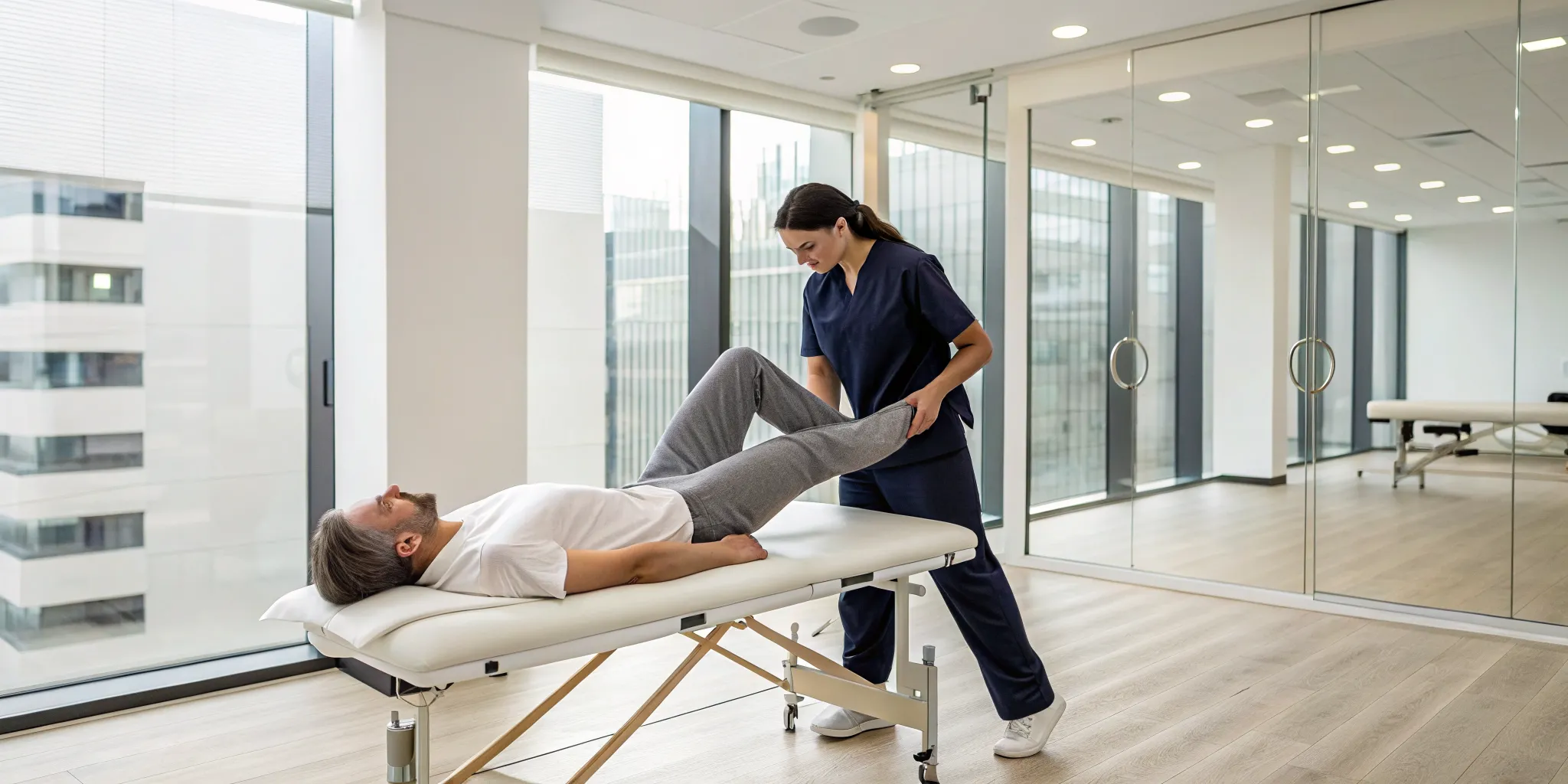

That electric jolt down your leg is your body’s alarm system, and a herniated disc is often the trigger. While the pain can feel overwhelming, it’s also a clear signal that your spine needs attention. You want relief, and you're likely wondering about the sciatica from herniated disc healing time. Finding an effective treatment for herniated disc and sciatica is about more than just managing symptoms—it’s about addressing the root cause. This guide offers a clear roadmap to non-surgical options that promote true healing, helping you get back to your life.
If you’re dealing with sharp, shooting pain down your leg, you’ve probably heard the terms “sciatica” and “herniated disc.” While they often go hand-in-hand, they aren’t the same thing. Think of sciatica as the symptom, like a fire alarm, and a herniated disc as one of the most common reasons that alarm is going off. Understanding the difference is the first step toward finding the right kind of relief. Let’s break down what each term means and how they’re connected.
Sciatica refers to pain that radiates along the path of the sciatic nerve, which is the longest nerve in your body. It branches from your lower back, runs through your hips and buttocks, and travels down each leg. Sciatica itself isn't a medical condition but rather a symptom of an underlying problem that’s putting pressure on or irritating this nerve. The pain is your body’s way of telling you something is wrong. At our clinic, we see many conditions that cause this kind of discomfort, and our goal is always to find and address the source of the irritation, not just quiet the alarm.
So, what’s actually pressing on the nerve? Often, the culprit is a herniated disc, sometimes called a slipped or ruptured disc. Your spine is made up of bones (vertebrae) cushioned by soft, rubbery discs. A herniated disc happens when the tough outer layer of a disc tears, allowing the soft, gel-like center to bulge out. If that bulge pushes against a nearby sciatic nerve root, it can trigger intense pain. This can happen from a sudden injury or simply from gradual, age-related wear and tear. Our specialized techniques focus on correcting the underlying structural shifts that can lead to problems like this.
The pain from a herniated disc isn't just about something being squished. It’s a two-part problem involving both physical compression and chemical irritation. Physical compression is what most of us imagine: the soft inner part of the disc bulges out and physically presses on a sciatic nerve root. But there's more to it. That gel-like material that leaks from the disc is also full of inflammatory substances. According to the Cleveland Clinic, when this material touches the nerve, it causes chemical irritation, which can be just as intense as the physical pressure. That’s why a comprehensive treatment plan is so important. It needs to address both issues—reducing the physical pressure on the nerve while also calming the chemical inflammation to provide lasting relief and promote true healing.
Sciatica symptoms can range from a mild, nagging ache to sharp, debilitating pain. The most classic sign is pain that starts in your lower back or buttock and travels down the back of your thigh and into your leg. It typically affects only one side of your body. Along with pain, you might feel numbness, tingling, or even muscle weakness in the affected leg or foot. Some people describe the sensation as "pins and needles" or like their leg has fallen asleep. If these symptoms sound familiar, it’s a good idea to get a proper evaluation. Our process for new patients is designed to uncover the root cause of your pain.
If you’re dealing with a herniated disc, you are far from alone. It’s estimated that up to 2% of adults in the U.S. experience this condition each year. While that number might seem small, it represents millions of people whose lives are impacted by pain, numbness, and weakness. Knowing it’s a common problem doesn’t make your personal experience any less challenging, but it does mean that effective solutions have been developed. The key is finding a path that doesn’t just mask the pain but gets to the heart of the issue. At our clinic, we focus on identifying the specific structural imbalances that lead to disc problems, helping you find a lasting solution instead of a temporary fix.
To understand why a herniated disc happens, picture the discs between your vertebrae as tiny jelly donuts. They have a tough outer layer and a soft, gel-like center. A herniation occurs when a tear in that outer layer allows some of the soft center to push through. This bulge can then press on the sensitive nerves in your spinal column, causing the pain, numbness, or weakness you feel. This process can be triggered by a single event or develop slowly over time due to accumulated stress and strain on your spine. Understanding what puts you at risk is the first step in protecting your spinal health for the long haul.
Sometimes, a herniated disc can be traced back to a single moment. It might be from lifting something too heavy, a sudden twist, a fall, or even a forceful sneeze. These acute events place an unexpected and intense load on your spine that it isn't prepared for. We often see this in patients who have been in auto accidents or sustained sports injuries. However, it’s not always a dramatic event. Repetitive strain from daily activities or poor posture can gradually weaken the disc's outer wall over months or years, making it more susceptible to herniation from even a minor movement. This slow wear and tear is often the underlying reason a seemingly harmless action leads to sudden pain.
Certain lifestyle factors can increase your risk of developing a herniated disc. For instance, carrying extra body weight puts more stress on the discs in your lower back. Similarly, a sedentary lifestyle, especially one that involves sitting for long periods, can contribute to disc degeneration. Even smoking can play a role by reducing the oxygen supply to the discs, which hinders their ability to repair themselves. Age is also a factor, as discs naturally lose some of their water content and flexibility over time, a common concern for the seniors we care for. Recognizing these factors allows you to take proactive steps to support your spinal health through mindful habits and targeted care.
A herniated disc doesn't always cause problems, but when it presses on the sciatic nerve, the symptoms can be unmistakable and disruptive. Sciatica isn't a condition itself but rather a symptom of an underlying issue, most commonly a herniated disc. The sensations can range from mildly annoying to completely debilitating. Knowing what to look for can help you understand what’s happening in your body and when it’s time to seek help.
This is the hallmark symptom of sciatica. The pain originates in your lower back and travels along the path of the sciatic nerve, which runs down through your hips, buttocks, and down one leg. People often describe it as a sharp, shooting, or jolting pain, almost like an electric shock. It typically affects only one side of the body and can be constant or intermittent. The pain might feel worse when you sit, stand for a long time, cough, or sneeze. Understanding the different conditions we help with, including sciatica, is the first step toward finding relief.
Along with pain, you might experience numbness, tingling, or a "pins-and-needles" sensation anywhere along the nerve pathway. This happens because the pressure from the herniated disc is interfering with the nerve's signals. You might feel it in your buttock, down the back of your leg, or into your foot and toes. For some, this sensation is more bothersome than the pain itself. These types of nerve-related symptoms are a clear sign that a nerve is being compressed and shouldn't be ignored.
When a herniated disc compresses the sciatic nerve more severely, it can lead to muscle weakness in the affected leg or foot. You might find it difficult to lift your foot off the ground (a condition known as foot drop) or have trouble standing on your tiptoes. Your leg might feel heavy or like it could "give out" unexpectedly. If you notice any weakness or difficulty with movement, it’s important to get a proper diagnosis. Our team is ready to help new patients find the root cause of their symptoms.
While most sciatica symptoms can be managed with conservative care, some are signs of a serious medical emergency that requires immediate attention. If you experience loss of bladder or bowel control, numbness in your inner thighs and genital area (the "saddle" region), or severe and worsening weakness in your legs, seek emergency medical care right away. These can be symptoms of cauda equina syndrome, a rare condition requiring urgent intervention. For persistent pain that isn't improving, you can request an appointment to have your condition properly assessed.
Before you can find the right treatment for sciatica, you need a clear and accurate diagnosis. Guesswork won't get you the lasting relief you deserve. A thorough diagnostic process is like creating a detailed map of what’s happening inside your body. It helps pinpoint the exact source of the nerve pressure, whether it’s a herniated disc or something else, so your treatment can be targeted and effective. This isn't about just putting a name to your pain; it's about understanding the root cause so you can finally start on the right path to healing.
The first step is always a conversation and a hands-on evaluation. Your provider will want to hear your story—when the pain started, what it feels like, and what makes it better or worse. They’ll then perform a physical exam, checking your muscle strength, reflexes, and your ability to walk and feel light touches. This initial assessment gives crucial clues about which nerves might be affected and the severity of the issue. It’s a fundamental part of our process for all new patients, as it helps us build a complete picture of your health and lays the groundwork for a more specific diagnosis.
Sometimes, a physical exam isn't enough to see the full story. That’s when advanced imaging tests come in. While an X-ray can’t show soft tissues like discs, it’s useful for ruling out other potential problems like fractures or bone spurs. To get a direct look at the discs and nerves, your doctor might recommend an MRI (Magnetic Resonance Imaging). An MRI uses magnets and radio waves to create detailed images, allowing a provider to see the exact location of a herniated disc and determine which nerves are being compressed. A CT scan, which uses a series of X-rays, can also provide a detailed view of your spinal column.
It’s important to know that not everyone with back pain needs an immediate MRI. These imaging tests are typically recommended if your symptoms are severe, not improving with conservative care, or if there are red flags suggesting a more serious condition. If your pain is new or you’ve tried gentle movement and lifestyle adjustments without seeing a change, it’s a good idea to schedule an evaluation. An accurate image can confirm a herniated disc, guide treatment decisions, and ensure you’re getting the most appropriate care for your specific situation.
If imaging tests don't provide all the answers, or if your provider wants to understand how the nerve compression is affecting your muscle function, they might suggest specialized nerve tests. An Electromyogram (EMG) is a test that measures the electrical activity in your muscles to see how they are responding to nerve signals. Another common test is a Nerve Conduction Study (NCS), which uses small electrodes on your skin to measure how quickly and effectively electrical signals are traveling through your nerves. These tests sound technical, but they are incredibly helpful for assessing nerve health directly.
Think of these tests as a way to check the wiring of your body’s electrical system. They help confirm if a nerve is functioning properly and can pinpoint the precise location of nerve damage or irritation. For conditions like sciatica, this information is invaluable. It helps distinguish nerve root compression from other issues and clarifies the extent of the problem. This level of detail allows for a highly targeted treatment plan, ensuring that the therapy you receive is aimed directly at the source of your nerve-related symptoms for the best possible outcome.
At Lazar Spinal Care, we believe a precise diagnosis is the foundation of effective treatment. We combine a thorough physical exam with advanced diagnostic tools to uncover the root cause of your pain. Our process includes state-of-the-art assessments like PostureIQ™ and Insight™ neurological scans, which give us objective data on your spinal alignment and nervous system function. By looking at your health history, physical exam findings, and any necessary imaging, we can identify the underlying structural shifts that are causing the problem. This comprehensive approach allows us to determine if your problem is fixable and create a tailored plan using our specialized techniques to restore your body's balance and help you heal for good.
If you’re dealing with the intense pain of sciatica from a herniated disc, the thought of surgery can be daunting. The good news is that surgery is rarely the first line of defense. Many people find significant relief through a combination of non-invasive treatments that focus on reducing pain, decreasing inflammation, and improving mobility. These approaches can help your body heal and get you back to your daily activities without going under the knife. Exploring these options with a trusted provider is a great first step toward recovery.
One of the most effective ways to manage sciatica is through movement. A physical therapist can be an incredible partner in your recovery, designing a program tailored specifically to you. They can guide you through exercises that strengthen the muscles supporting your spine, improve your flexibility, and get blood flowing to the injured area. While it might seem counterintuitive to exercise when you're in pain, a consistent rehabilitation program can dramatically reduce the sharp, radiating pain from a herniated disc. The goal isn't to push through the pain but to gently encourage healing and build resilience against future flare-ups.
The McKenzie Method is a popular physical therapy approach that focuses on "centralizing" your pain. The goal is to strategically move the pain out of your leg and back to its source in your lower back, where it's typically more manageable and easier to treat. This is often achieved through a series of specific, repeated movements prescribed by a trained therapist. For many people with a herniated disc, this involves exercises that gently bend the spine backward. By identifying which movements reduce your leg pain, a therapist can teach you how to perform them on your own, giving you a powerful tool to manage your symptoms and participate actively in your own recovery.
When your back is in pain, gentle movement is your friend. A targeted stretching and strengthening program can improve flexibility, reduce muscle tension, and create more space around the irritated sciatic nerve. Your provider may recommend specific stretches for your hamstrings and the piriformis muscle, which is located deep in the buttocks and can contribute to sciatic pain. Gentle yoga poses like Child's Pose or the Cat-Cow stretch can also be incredibly effective for mobilizing the spine and relieving pressure. The key is to listen to your body and avoid any movement that causes sharp pain. These exercises are a core part of a holistic treatment approach for sciatica.
While rest is important, staying active is crucial for long-term healing. Low-impact aerobic exercises are fantastic for increasing blood flow to the injured area without putting stress on your spine. This enhanced circulation delivers oxygen and nutrients that help reduce inflammation and support the healing process. Activities like walking, swimming, or using a stationary bike are excellent choices. Aquatic therapy, or exercising in a pool, is particularly beneficial. The buoyancy of the water supports your body weight, which can significantly reduce pressure on your herniated disc and allow you to move with greater freedom and less pain, making it one of the most effective treatment options available.
Over-the-counter medications are often used to manage the immediate symptoms of a herniated disc. For this type of injury, nonsteroidal anti-inflammatory drugs (NSAIDs) like ibuprofen or naproxen can be particularly helpful because they address both pain and swelling. This is different from acetaminophen (Tylenol), which only targets pain. Reducing inflammation is key, as it’s the swelling around the herniated disc that often puts pressure on the sciatic nerve. While medication can provide temporary relief and make it easier to engage in physical therapy, it’s most effective as part of a broader treatment plan that addresses the root cause of the problem.
When you’re in pain, your first instinct might be to reach for something from the medicine cabinet. For sciatica caused by a herniated disc, it’s helpful to know what you’re taking. Over-the-counter options generally fall into two camps. Nonsteroidal anti-inflammatory drugs (NSAIDs), like ibuprofen and naproxen, are often recommended because they do two jobs at once: they relieve pain and reduce inflammation. This is important because the swelling around the herniated disc is a major source of pressure on your sciatic nerve. On the other hand, acetaminophen (Tylenol) focuses only on blocking pain signals. While it can help you feel better, it doesn't address the underlying inflammation that’s causing the problem.
If over-the-counter options aren't cutting it, a doctor may suggest prescription medications for more targeted, short-term relief. These can include oral steroids like prednisone to quickly calm severe inflammation, or anticonvulsant drugs that are specifically designed to soothe nerve-related pain like sciatica. In some cases, certain antidepressants are used because they can influence how your brain perceives pain signals, which is helpful for chronic discomfort. While these medications can be a useful bridge to get you through an acute flare-up, they are designed to manage symptoms, not fix the underlying structural problem. Our goal is to provide lasting wellness by addressing the root cause with specialized techniques that don't rely on medication.
When the pain is severe and doesn't respond to other treatments, your doctor might suggest an epidural steroid injection. This procedure involves injecting a strong anti-inflammatory medication directly into the epidural space around your spinal nerves. By delivering the medicine right to the source of the inflammation, these injections can provide powerful, short-term pain relief. Studies show they can be quite effective, helping a large percentage of patients manage their symptoms. This relief can create a valuable window of opportunity, allowing you to participate more fully in physical therapy and other rehabilitative exercises that support long-term healing.
Think of an epidural steroid injection as a highly targeted way to calm an angry, inflamed nerve. The procedure delivers a potent anti-inflammatory medication (a corticosteroid) directly to the source of the problem in the epidural space surrounding your spinal cord and nerve roots. This concentrated dose works to reduce the swelling and inflammation of the herniated disc that is pressing on your sciatic nerve. By decreasing this pressure, the injection can significantly lessen the radiating pain, numbness, and tingling you feel. While the relief is often temporary, research shows that these injections can provide a substantial reduction in pain for weeks or even months, giving your body a much-needed break and a window to heal.
You can manage sciatica pain at home with simple hot and cold therapy. The strategy is all about timing. For the first few days after the pain starts, stick with cold packs. Applying ice for 15 to 20 minutes at a time helps constrict blood vessels, which can reduce swelling and numb the sharp pain. After the initial 48 to 72 hours, you can switch to heat. Using a heating pad or taking a warm bath helps relax tight muscles and increases blood flow to the area, which promotes healing. Alternating between the two can also be effective for some people.
When you're dealing with the intense pain of sciatica from a herniated disc, you want a solution that does more than just mask the symptoms. Advanced chiropractic care offers a path to relief by focusing on the root cause of the problem: the structural imbalance in your spine. Instead of relying on medication or invasive procedures, our approach is to gently guide your body back to its proper alignment, allowing it to heal naturally. This means we look at your entire body as an interconnected system to understand why the herniated disc and sciatica occurred in the first place.
This isn't about forceful cracking or popping. Modern chiropractic care uses precise, gentle techniques to correct misalignments that put pressure on your nerves. At Lazar Spinal Care, we use state-of-the-art diagnostic tools like PostureIQ™ and Insight™ neurological scans to get a clear picture of what’s happening with your spine. This allows us to create a care plan tailored specifically to you. By addressing the underlying issue, we can help reduce inflammation, relieve pressure on the sciatic nerve, and restore your body’s function. Our goal is to provide lasting wellness, not just a temporary fix, so you can get back to living your life without pain.
It might seem strange to focus on your neck when the pain is in your leg, but the top of your spine holds the key to your body's overall balance. Upper cervical chiropractic care centers on the precise alignment of the top two vertebrae in your neck. When these bones are out of place, even slightly, your body compensates all the way down your spine. This can lead to tilting in your pelvis and increased pressure on your lower back, which can irritate the sciatic nerve. By making gentle, specific corrections to your upper neck, we can restore your body’s natural alignment, taking the strain off your lower back and providing lasting relief from sciatica.
At Lazar Spinal Care, we use a highly specialized method called Quantum Spinal Mechanics (QSM3). This isn't a one-size-fits-all treatment; it’s a holistic approach that looks at your entire body's structure to find the root cause of your pain. With QSM3, we analyze how your body has compensated for spinal misalignments over time. Then, we use incredibly gentle and precise adjustments to release tension and restore your body to a more balanced, upright position. This process helps decompress the entire spine, including the herniated disc that’s pressing on your sciatic nerve. The goal is to correct the underlying problem so your body can heal itself and you can experience long-term relief.
Spinal decompression is a non-surgical technique we use to relieve pressure on your spinal discs and nerves. Imagine gently stretching your spine to create more space between the vertebrae. That’s essentially what decompression does. For a herniated disc, this is incredibly helpful. The gentle stretching creates a vacuum effect that can help pull the bulging disc material back into place and away from the sciatic nerve. This not only eases the pain but also allows for better circulation of water, oxygen, and nutrients into the disc, which supports the healing process. It’s a safe and effective way to address the mechanical cause of your sciatica without resorting to more invasive options.
When you’re dealing with the shooting pain of sciatica, you want a solution that does more than just mask the symptoms. You want real healing. That’s where advanced treatments like laser therapy come in. It’s a non-invasive, pain-free approach that works at the cellular level to address the root cause of your discomfort, especially when it’s from a herniated disc. Instead of just covering up the pain, this therapy helps your body repair the damage.
At Lazar Spinal Care, we use specialized Laser Therapy to help our patients find lasting relief. This technology supports your body’s natural healing abilities by targeting the affected nerve and surrounding tissues directly. It’s a gentle yet powerful way to reduce pain and inflammation, helping you get back to your life without relying on medication or more invasive procedures. Let’s look at how this innovative treatment works to calm an irritated sciatic nerve.
Low-level laser therapy (LLLT) might sound like something from a sci-fi movie, but it’s a well-researched and effective treatment. It uses specific wavelengths of light to stimulate your body’s cells. Think of it as giving your cells a gentle energy nudge to kickstart the healing process. For sciatica caused by a herniated disc, this is incredibly important. Research shows that LLLT can significantly accelerate the regeneration of injured nerve tissue. By encouraging the damaged sciatic nerve to repair itself, this therapy helps reduce pain and restore proper function, addressing the problem right at the source.
The core benefit of laser therapy is its ability to promote tissue regeneration. When a herniated disc puts pressure on your sciatic nerve, it causes damage and irritation. Our Tissue Regenerative Technology uses targeted light energy to stimulate cellular repair and encourage the growth of healthy new tissue. This process helps heal the compressed nerve fibers, which is essential for long-term relief. By supporting your body’s own repair mechanisms, we can help improve nerve function, reduce numbness and tingling, and restore strength to your leg and foot, allowing you to move with more comfort and confidence.
Inflammation is a major driver of sciatica pain. When the sciatic nerve is irritated, the surrounding tissues become inflamed, which increases pressure and makes the pain even worse. Low-level laser therapy has a powerful anti-inflammatory effect. The light energy helps improve circulation and drainage in the affected area, which calms the inflammation around the nerve. Studies have shown that LLLT is effective at controlling inflammation and providing pain relief for nerve-related conditions. By reducing this inflammation, the therapy not only eases your pain but also creates a better environment for your body to heal more quickly and efficiently.
While professional treatments are essential for addressing the root cause of sciatica, the small choices you make every day play a massive role in your healing journey. Think of these lifestyle adjustments as the foundation that supports your recovery, helping you manage pain and prevent future flare-ups. By incorporating new habits, you take an active role in your own well-being, making the care you receive in our office even more effective.
Making mindful changes to how you move, rest, and live can significantly speed up your recovery from a herniated disc. It’s about creating an environment where your body can heal properly. From gentle exercises that strengthen your core to simple ergonomic tweaks at your desk, these strategies empower you to build resilience and get back to the activities you love, faster.
When you’re in pain, the thought of exercise can be daunting, but gentle movement is one of the best things you can do for a herniated disc. The goal isn’t to push through the pain but to activate and strengthen the muscles that support your spine. A targeted rehabilitation program can help reduce the sharp, radiating pain of sciatica by building strength in your core, deep spinal muscles, and glutes.
These exercises improve stability and take pressure off the irritated sciatic nerve. Nerve glides, or neural flossing, are specific, gentle stretches designed to free up the nerve and improve its range of motion. When combined with a personalized chiropractic care plan, these movements can help restore function and provide lasting relief.
How you sit, stand, and move throughout the day has a direct impact on your spinal health. Poor posture can place unnecessary strain on your lower back, aggravating a herniated disc and worsening sciatica symptoms. Instead of prolonged bed rest, staying active is key to recovery. Improving your posture starts with awareness. Pay attention to keeping your spine in a neutral position whether you’re at your desk, driving, or walking.
Simple ergonomic adjustments can also make a world of difference. Ensure your workstation is set up to support a healthy posture, with your screen at eye level and your chair providing good lumbar support. A physical therapist or chiropractor can offer guidance on exercises that strengthen postural muscles and improve flexibility, helping you maintain proper alignment and reduce stress on your spine.
Two often-overlooked factors in recovery are body weight and sleep quality. Carrying extra weight increases the load on your spine, which can compress the discs and irritate the sciatic nerve. Even a modest amount of weight loss can significantly reduce this pressure, alleviating pain and inflammation. Focusing on a balanced diet rich in anti-inflammatory foods can support both weight management and your body’s natural healing processes.
At the same time, quality sleep is when your body does most of its repair work. To improve your sleep, stick to a consistent schedule, create a dark and quiet bedroom environment, and avoid screens before bed. Getting enough restorative sleep is crucial for tissue repair and pain reduction, making it a non-negotiable part of your path to wellness.
Healing from a herniated disc often requires you to become more mindful of your daily movements. Activities that you once did without a second thought, like lifting a heavy box or sitting for a long car ride, can now trigger sciatica pain. Learning to modify these activities is essential for preventing re-injury and allowing the disc to heal.
Always bend at your knees and hips when lifting, not your waist, and keep the object close to your body. If you have a desk job, take frequent breaks to stand up and stretch. Listen to your body’s signals and avoid positions or movements that cause pain to spike. Most herniated discs can heal without surgery, and these simple modifications are a powerful way to protect your back while you recover. If you need personalized advice, don't hesitate to request an appointment.
While our advanced chiropractic care focuses on correcting the root cause of your sciatica, incorporating other therapies can support your recovery and overall well-being. Think of it as building a team dedicated to your health. These complementary approaches can help manage symptoms, reduce stress, and give your body the tools it needs to heal more effectively. Creating a holistic plan that addresses your body and mind is a powerful way to get back to feeling your best.
Think of therapies like acupuncture and massage as your recovery support system. Acupuncture, a practice involving thin needles, can be particularly helpful for herniated disc pain by improving blood flow and reducing inflammation around the affected nerve. Many people find it provides significant pain relief. Similarly, professional massage therapy can work wonders for tight, spasming muscles that often accompany sciatica. It helps ease tension, reduce pain, and improve circulation to the area, which supports the healing process initiated by your chiropractic adjustments. These therapies work alongside our specialized techniques to help you feel better, faster.
When you're looking for ways to manage sciatica pain at home, two non-invasive options can provide significant relief: TENS units and spinal traction. A TENS (Transcutaneous Electrical Nerve Stimulation) unit is a small device that uses a gentle, low-voltage electrical current to interrupt pain signals before they reach your brain. This can effectively reduce your perception of pain, making daily activities more manageable. Spinal traction works differently by gently stretching the spine. This therapeutic technique helps relieve pressure on the discs and nerves by creating more space between your vertebrae. Using these therapies can be an empowering part of your recovery, helping you manage symptoms while we work on correcting the underlying structural issues that cause the pain in the first place.
Have you ever noticed your pain feels worse on a stressful day? That’s a real phenomenon. When you live with chronic pain, your nervous system can become hypersensitive, a condition known as central sensitization. Stress is a major trigger that can amplify these pain signals. This is where mindfulness comes in. Simple practices like deep breathing exercises, meditation, or even just taking five minutes of quiet time can help calm your nervous system. By learning to manage your response to stress, you can actually lower your pain levels and feel more in control of your body. It’s a simple but powerful tool for your recovery toolkit.
Fueling your body with the right foods can make a real difference in your recovery by helping to calm nerve irritation from the inside out. Focus on an anti-inflammatory diet rich in nutrients that support nerve function. This includes foods high in omega-3 fatty acids, like salmon and walnuts, which can help reduce inflammation. Load up on antioxidants from colorful fruits and vegetables, such as berries and leafy greens, to protect your cells from damage. B vitamins are also crucial for nerve health. By giving your body these essential building blocks, you’re creating the best possible environment for your nerves to heal and for you to feel lasting relief.
Living with constant pain is exhausting, and it’s important to acknowledge the emotional and mental strain it can cause. Chronic pain can disrupt your sleep, limit your activities, and leave you feeling frustrated. Prioritizing quality sleep is one of the most important things you can do for recovery. Try to stick to a regular sleep schedule and create a relaxing bedtime routine. Gentle movement, like a short walk, can also improve your mood and prevent stiffness. Don’t be afraid to lean on your support system or talk to someone about how you’re feeling. Taking the first step to get help is a sign of strength, and our team is here to support you on your path to wellness.
If you’ve been dealing with sciatica pain for a while, the thought of surgery might have crossed your mind. It’s a valid concern, but it’s important to know that surgery is rarely the first option. For most people with a herniated disc, the body can heal on its own with the right support from non-invasive treatments. The goal is always to find the most effective, least invasive solution to get you back on your feet.
Surgery is typically considered a last resort, reserved for very specific situations where other treatments haven't provided relief or when symptoms become severe. Before you even consider a surgical route, it’s essential to explore all the conservative care options available. A thorough evaluation can determine the root cause of your pain and create a treatment plan that gives your body the best chance to heal naturally. Many people find lasting relief through advanced chiropractic care, physical therapy, and lifestyle adjustments, allowing them to avoid surgery altogether.
If you’ve been diligent with conservative treatments but aren’t getting the relief you need, your doctor might start a conversation about surgery. Hearing that word can feel overwhelming, but knowledge is power. Understanding the common surgical procedures can help you ask the right questions and feel confident in your decisions. The main goal of any surgery for a herniated disc is straightforward: to take the pressure off the nerve that’s causing all that pain. Knowing what these surgeries involve, from the procedure itself to the recovery process, allows you to have a clear and productive discussion with your provider about what’s truly best for your long-term health.
When surgery is necessary, a microdiscectomy is the go-to procedure in most situations. It’s considered the gold standard because it’s highly effective and minimally invasive. Instead of a large operation, the surgeon makes a small incision and uses a microscope to precisely remove only the piece of the disc that’s pushing on your nerve. The rest of your disc is left alone to continue doing its job. This targeted approach means less disruption to your body, which is why it’s often an outpatient procedure where you can go home the same day. Most people are back to light activities in a week or two and can expect to fully recover within about six weeks.
In certain cases, other surgical options may be considered. A laminectomy is typically suggested if your sciatica is caused by spinal stenosis, which is a narrowing of the spinal canal. Here, the surgeon removes a small piece of bone to create more room for the nerves. For severe instability, a spinal fusion might be discussed. This procedure permanently joins two or more spinal bones, but it’s rarely the first choice for a simple herniated disc because it limits your spine’s flexibility. A more modern alternative is artificial disc replacement, where the damaged disc is swapped out for a prosthetic one. Unlike a fusion, this surgery is designed to maintain your spine’s natural movement, with a typical recovery period of about three months.
Living with pain day in and day out is exhausting. If your sciatica symptoms have lingered for more than a few months without improvement, it’s time to have a deeper conversation with your healthcare provider. Pain that becomes chronic, generally defined as lasting three to six months, signals that your current approach may not be enough. This doesn't automatically mean you need surgery, but it does mean it's time to re-evaluate your treatment plan. We can help you understand the conditions we help and explore if our approach is the right fit for your persistent pain.
It’s natural to wonder, "How long will this take?" The truth is, everyone’s healing timeline is unique. However, the good news is that most people with a herniated disc experience significant improvement within six to twelve weeks of starting consistent, non-surgical care. Success rates for conservative treatments are encouraging, with many individuals finding lasting relief through a combination of physical therapy, lifestyle adjustments, and advanced chiropractic care. The key is having a personalized plan that addresses the root cause of your pain, not just the symptoms. A proper evaluation is the first step in creating that roadmap, helping you understand what to expect and empowering you to take an active role in your recovery.
While pain is the most common symptom of sciatica, certain neurological changes are considered red flags. These are more urgent indicators that you may need to consider other options, including surgery. Pay close attention to symptoms like progressive muscle weakness in your leg, foot drop (difficulty lifting the front part of your foot), or any loss of bladder or bowel control. These signs can point to significant nerve compression that may require more immediate intervention to prevent permanent damage. If you experience these symptoms, it's crucial to seek a professional evaluation right away. You can learn more about our diagnostic process for new patients.
If you and your doctor decide surgery is the right path, it’s helpful to know what the recovery process looks like. It’s not an overnight fix; healing takes time and patience. Your specific recovery timeline will depend on the type of surgery you have, but most people can expect it to take anywhere from a few weeks to several months. During this time, it's absolutely crucial to follow your surgeon's instructions, which will likely include limits on lifting, bending, and other physical activities to protect your back as it heals. Physical therapy is also a key part of the plan. Your doctor will likely recommend you start physical therapy a few weeks after your procedure to help you rebuild strength and safely return to your daily life. This guided rehabilitation is essential for ensuring a smooth and successful recovery.
The good news is that most herniated discs heal without surgery. That’s why doctors and chiropractors will always start with conservative treatments. This includes a range of options from targeted exercises and physical therapy to advanced chiropractic adjustments. Surgery is typically only discussed after you’ve given these non-invasive methods a fair shot, usually for at least six weeks, and your pain remains severe enough to interfere with basic activities like standing or walking. Exploring all of our techniques can give you a clear picture of the powerful, non-surgical solutions available to help you find relief and get back to your life.
Deciding to get help for sciatica is a big step, and it’s normal to have questions. Understanding the process can make you feel more confident as you move forward. It’s about finding the right care at the right time, addressing your concerns, and choosing a provider who truly listens to your needs. Taking a proactive approach is key to getting back to the life you enjoy.
It’s easy to fall into the trap of thinking rest is the only answer for a herniated disc. While your body does have an amazing capacity to heal, waiting too long can prolong your discomfort. Most herniated discs improve on their own, but if your pain continues for more than a few months, it’s a clear signal to talk to your doctor. Gentle movement is also a critical part of recovery. Instead of staying in bed, staying active helps maintain muscle strength and supports your spine. The sooner you get a proper diagnosis, the sooner you can start a treatment plan that addresses the root cause of your pain.
The thought of surgery is a major source of anxiety for many people with herniated discs, but it’s important to know that it’s rarely the first option. Doctors typically recommend surgery only when pain is severe, lasts longer than six weeks, or when non-surgical treatments haven't provided enough relief. It’s also helpful to remember that the disc itself isn't always the direct cause of pain. In fact, studies show that many people have herniated discs without experiencing any symptoms at all. This is why a thorough assessment is so important to pinpoint the true source of your sciatica.
Finding the right healthcare provider is one of the most important parts of your recovery. You need a partner who will listen to your concerns and create a plan tailored to you. A good provider will guide you through specific exercises designed to strengthen muscles, improve your flexibility, and support your spine. Look for a specialist who offers a comprehensive evaluation, like our NeuroBioStructural Analysis, to get to the bottom of the issue. Your provider should empower you with the knowledge and tools you need to heal effectively and prevent future problems.
Finding the right path to sciatica relief isn’t about a single magic bullet. It’s about creating a smart, personalized plan that addresses the root cause of your pain. Since everyone’s body and experience with a herniated disc is different, your treatment should be, too. A successful plan is often a blend of different therapies, realistic expectations, and a strong partnership with your healthcare provider. This approach moves beyond just managing symptoms and focuses on creating lasting change so you can get back to your life.
Taking an active role in your recovery is one of the most powerful things you can do. It starts with understanding your options and working with a professional who listens to your unique situation. Together, you can piece together the right combination of treatments, from advanced chiropractic care to simple lifestyle adjustments. This collaborative process ensures your plan is not only effective but also sustainable for your daily life. Let’s walk through how you can build a plan that truly works for you.
The most effective approach to healing from sciatica often involves more than one type of treatment. For many people, a combination of non-surgical methods is enough to avoid surgery altogether. Instead of relying on just one thing, think about layering different strategies. This could mean pairing targeted chiropractic care with specific exercises to strengthen your core and back muscles. You might also find that adding therapies like Laser Therapy or making ergonomic adjustments at your desk makes a significant difference. The key is to stay active in a safe, guided way. A comprehensive plan that includes a variety of our techniques can support your body’s healing process from multiple angles, leading to more lasting relief.
Healing from sciatica takes time, so it’s important to be patient with yourself and your body. While you’ll likely start feeling better with consistent treatment, full recovery doesn’t happen overnight. A good rule of thumb is to check in with your provider if your pain hasn’t improved after a few months. Surgery is rarely the first option and is typically only considered if severe pain continues for more than six weeks and other treatments haven’t provided enough relief. Setting small, achievable goals along the way can help you stay motivated. Celebrate milestones like being able to walk a little farther or sit more comfortably. Understanding the typical recovery timeline for the conditions we help can manage expectations and keep you focused on steady progress.
Your recovery is a team effort, and you are the most important player. A strong partnership with your healthcare provider is essential for creating a treatment plan that truly fits your needs. Don’t be afraid to ask questions, voice your concerns, and make sure you understand every aspect of your care. A good provider will listen to you and tailor a plan that aligns with your goals and lifestyle. They can guide you through specific exercises, recommend lifestyle changes, and adjust your treatment as you progress. If you ever feel unsure about a recommendation, especially something as significant as surgery, getting a second opinion is always a wise choice. When you’re ready to find a partner in your health journey, you can request an appointment to get started.
How long does it take for a herniated disc to heal? There isn't a single timeline for recovery, as everyone's body is different. However, most people find significant relief from sciatica within a few weeks to a few months of starting a consistent, non-surgical treatment plan. The key is patience and sticking with a plan that addresses the root cause of the pressure on your nerve. Healing is a process, not an overnight fix, and focusing on steady progress is more important than rushing.
Is it safe to get a chiropractic adjustment with a herniated disc? Yes, when it's the right kind of chiropractic care. Our approach is very different from traditional methods that might involve forceful twisting or popping. We use precise, gentle techniques like Quantum Spinal Mechanics (QSM3) that focus on restoring your body's overall alignment and balance. This process helps to decompress the spine and take pressure off the nerve without any aggressive manipulation, making it a safe and effective way to support your body's healing.
Why would you focus on my neck if my leg is the part that hurts? It’s a great question that gets to the heart of our approach. Think of your spine as a chain. If the very first link at the top (your upper neck) is out of alignment, your entire body has to compensate all the way down. This can cause your pelvis to tilt and put extra strain on your lower back, which is often the real reason a disc becomes herniated. By gently correcting the alignment at the top, we allow your whole body to return to a balanced, stable position, relieving the pressure at the source of the problem.
Should I be resting or exercising with sciatica? While it might feel like you should stay in bed, prolonged rest can actually make things worse by causing your muscles to weaken. The best approach is gentle, purposeful movement. We recommend avoiding activities that cause sharp pain, but incorporating specific exercises and stretches is crucial for recovery. These movements strengthen the muscles that support your spine, improve flexibility, and help take pressure off the sciatic nerve. It’s all about finding the right balance of activity and rest.
What makes the care at Lazar Spinal Care different from other treatments? Our primary focus is on finding and correcting the root cause of your problem, not just chasing the symptoms. We use advanced diagnostic tools, like PostureIQ™ and Insight™ neurological scans, to get a precise picture of your spinal health. This allows us to create a truly personalized plan using specialized techniques like QSM3 and Laser Therapy. Our goal is to restore your body's natural alignment and function, providing a long-term solution for wellness instead of just temporary pain relief.