.png?width=150&height=60&name=2026%20LSC%20Logo%20(2).png)
Back Pain
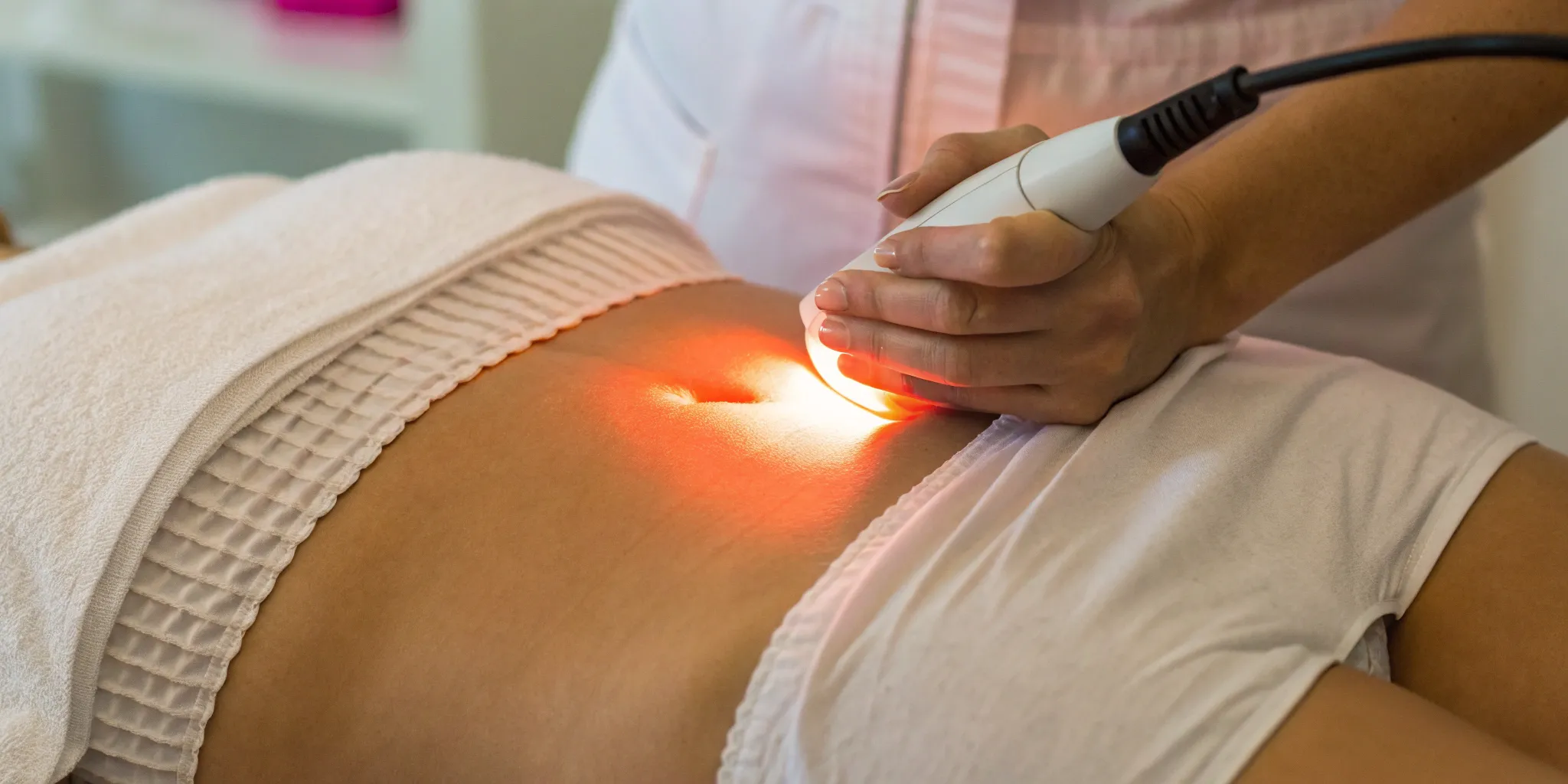

The idea that a beam of light can heal your body might sound like science fiction, but it’s the proven science behind high intensity laser therapy. This treatment gives your body’s cells a direct energy boost to kickstart their natural repair processes. Think of it as jump-starting your internal repair crew. By delivering specific wavelengths of light deep into damaged tissues, this therapy reduces the inflammation that causes pain. The main HILT therapy benefits are accelerated healing and lasting relief, all without medication or surgery. It’s a gentle yet powerful way to address the root cause of your discomfort.
If you're dealing with persistent pain or a stubborn injury, you’ve probably looked into all sorts of treatments. High-Intensity Laser Therapy, or HILT, is a modern approach that uses focused light to help your body heal from the inside out. Think of it as a way to give your cells a powerful boost. This therapy uses specific wavelengths of infrared light to penetrate deep into your tissues, reaching muscles, ligaments, and joints that other treatments can't.
The goal of laser therapy is to reduce pain and inflammation while speeding up your body's natural recovery process. It’s a non-invasive, medication-free option for a wide range of musculoskeletal issues and soft tissue injuries. By delivering a concentrated dose of light energy, HILT stimulates cellular activity, encouraging damaged cells to repair themselves more quickly. This process helps you find relief and get back to feeling like yourself, faster. Unlike surgeries or medications that can come with long recovery times or side effects, HILT works with your body’s own healing mechanisms. It’s a gentle yet powerful tool that can address the root cause of your discomfort, rather than just masking the symptoms. Whether you're struggling with an old sports injury, chronic joint pain, or nerve-related issues, HILT offers a path toward genuine, lasting recovery by supporting your body at the most fundamental level.
Not all therapeutic lasers are created equal. The technology behind HILT involves what are known as Class IV lasers, which are significantly more powerful and effective than older models. This isn't just a minor upgrade; it's a leap forward that allows the therapeutic light to reach deeper tissues and treat larger areas of the body more efficiently. At Lazar Spinal Care, we use this advanced technology to ensure you get the most effective care possible. Most importantly, this form of laser therapy is FDA-approved, which means it has been rigorously reviewed for both safety and effectiveness. This approval gives you the confidence of knowing you’re choosing a treatment that is recognized as a reliable and legitimate option for pain management and tissue recovery, helping you move forward without relying on medications or invasive procedures.
So, what makes these lasers so effective? It comes down to power and precision. The "high-intensity" aspect refers to the laser's power, which is measured in Watts. This high power level is crucial because it enables the light energy to penetrate deep into your body—up to 10 cm—to reach the source of your pain, whether it's a strained muscle, an inflamed joint, or a damaged nerve. The specific wavelength of light used, typically around 1064 nm, is perfectly tuned to be absorbed by your cells, where it can kickstart the healing process. This targeted energy not only reduces inflammation but also stimulates nerve endings in a way that can block pain pathways, providing immediate relief while your body gets to work on long-term repairs.
This isn't just theory; it's backed by solid research. Clinical trials have consistently shown that HILT is a powerful tool for musculoskeletal disorders, with one systematic review confirming that it works better than placebo or no treatment at all. By delivering a concentrated, healing dose of energy directly to the injured area, the therapy stimulates cellular metabolism and increases blood flow. This process floods the area with oxygen and the nutrients it needs to regenerate. It’s a sophisticated yet natural approach that empowers your body to heal itself more effectively, leading to faster recovery times and lasting results. It’s a clear, evidence-based path toward getting you back to the activities you love, without the discomfort that’s been holding you back.
So, how does a beam of light actually heal your body? It all happens at a microscopic level. When the high-intensity laser light enters your tissues, it’s absorbed by special receptors within your cells. This triggers a photochemical reaction inside the mitochondria—the tiny powerhouses that generate energy for every cell.
In response, your mitochondria start producing more ATP, which is the essential energy currency your cells use for repair and regeneration. This surge in cellular energy helps accelerate healing, reduce inflammation, and block pain signals. It’s a bit like jump-starting your body’s internal repair crew, giving them the extra fuel they need to get the job done efficiently.
The effectiveness of HILT comes from a unique combination of three elements working together: light, heat, and sound. First, the focused light energy—a process called photobiostimulation—travels deep into your tissues to give your cells the fuel they need to repair themselves and reduce inflammation. As the laser works, it also creates a gentle, soothing warmth. This thermic effect increases circulation, which helps deliver more oxygen and nutrients to the injured area to speed up recovery. Finally, the laser produces subtle photoacoustic waves that act like a micro-massage for your cells, stimulating tissue regeneration. This powerful trio works in sync to block pain signals and improve your mobility, creating the ideal environment for your body to heal from a wide range of musculoskeletal disorders.
The scientific principle behind HILT is called photobiomodulation (PBMT). It’s a broad term for using light—specifically red or near-infrared light—to stimulate healing and reduce pain. High-Intensity Laser Therapy is a particularly powerful and precise form of PBMT. While some light therapies work more on the surface, HILT uses a strong, focused laser to send light energy deep into your muscles, joints, and other soft tissues.
This targeted approach makes it an effective medical treatment for a variety of conditions we help, from chronic pain to acute injuries. By harnessing the power of light, we can support your body’s ability to heal itself right at the source of the problem.
You may have heard of other light-based treatments, like low-level laser therapy (LLLT) or red light therapy. While they operate on a similar principle, the key differences are power and depth. HILT can penetrate 5 to 6 centimeters deep into the body, reaching underlying muscles, bones, and nerves. In contrast, low-level lasers typically only reach about 0.5 to 2 centimeters deep.
The power difference is also significant. HILT uses a much higher wattage, which allows it to deliver a therapeutic dose of energy to the target area more quickly and effectively. This means HILT can address deeper, more complex issues that lower-powered therapies simply can't reach, leading to more profound and lasting results.
When it comes to laser therapy, intensity is everything. The "high-intensity" part of HILT isn't just a name—it's the key to its effectiveness. High-Intensity Laser Therapy machines can deliver up to 12 watts of power, which is more than 20 times stronger than low-level lasers that often operate at half a watt or less. This power is what allows the therapeutic light to penetrate deep beneath your skin—as far as six centimeters—to reach the underlying muscles, bones, and nerves causing your discomfort. This deep reach is essential for effectively treating chronic conditions like sciatica or deep joint pain, where the source of the problem is far from the surface. Lower-powered therapies simply can't get to these areas, which is why HILT can offer more significant and lasting relief.
High-intensity laser therapy (HILT) does more than just soothe your symptoms—it works at a cellular level to kickstart your body’s natural healing abilities. Think of it as a focused beam of energy that gives your cells the precise instructions they need to repair, regenerate, and reduce pain. Instead of masking the problem, this technology addresses it at the source, creating an ideal environment for lasting recovery. Let’s break down exactly how this powerful, non-invasive treatment helps you heal.
One of the most impressive things about high-intensity laser therapy is its ability to reach deep into your body. The specific wavelengths of light can penetrate up to 10 centimeters below the skin’s surface, reaching muscles, ligaments, nerves, and joints that other treatments can’t touch. This process, known as photobiomodulation, delivers a therapeutic dose of light energy directly to damaged cells. This targeted energy stimulates cellular activity and triggers a cascade of healing effects, essentially telling your body exactly where to focus its repair efforts. Our clinic uses advanced Laser Therapy to ensure this energy gets right where it’s needed most.
Once the laser energy reaches your cells, it’s absorbed by the mitochondria—the tiny powerhouses responsible for producing cellular fuel called ATP. This absorption gives your mitochondria a significant energy charge, allowing them to produce more ATP. With more fuel, your cells can perform their repair and regeneration functions much more efficiently. This cellular boost also increases the production of nitric oxide, which improves circulation to the affected area. Better blood flow means more oxygen and nutrients can get to the damaged tissue, clearing out waste products and speeding up the entire healing process from the inside out.
Pain is often a direct result of inflammation. High-intensity laser therapy is incredibly effective at calming this response. By improving circulation and lymphatic drainage, the treatment helps reduce swelling and flush out the inflammatory byproducts that cause pain and slow down healing. As inflammation subsides, your muscles begin to relax, and your body can get back to the important work of repairing tissue. This makes HILT an excellent solution for a wide range of musculoskeletal issues, helping to restore mobility and function while providing significant pain relief.
High-Intensity Laser Therapy is a versatile treatment that can address a wide range of health issues, from nagging joint pain to persistent nerve problems. Because it works at a cellular level to reduce inflammation and speed up healing, it’s an effective option for many of the conditions that hold you back from living a full, active life. Let’s look at some of the specific problems HILT can help resolve.
If you’re living with chronic pain, you know how draining it can be. HILT offers a path to relief by targeting pain at its source. The focused light energy penetrates deep into tissues to calm irritated nerves and reduce the inflammation that fuels long-term pain cycles. This makes it an excellent treatment for persistent issues that haven’t responded to other methods. It’s particularly effective for nerve-related pain like neuropathy, helping to soothe discomfort and improve sensation without medication. Studies show HILT provides significant pain relief, making it a reliable tool for managing chronic conditions and getting you back to feeling like yourself.
If you're dealing with the tingling, burning, or numbness of diabetic nerve pain, finding effective relief can feel like a constant battle. The good news is that clinical research highlights High-Intensity Laser Therapy as a powerful, non-invasive solution. One study found that patients with diabetic nerve pain experienced a 30% greater improvement in pain and an incredible 42% enhancement in their overall quality of life after HILT treatments. This therapy not only helps manage pain quickly but also improves your ability to move freely, potentially reducing your dependence on pain medication and helping you get back to the activities you love.
What makes HILT such a compelling option is how well it performs in clinical trials. Research consistently shows that it is a promising treatment for musculoskeletal pain, especially when compared to placebo therapies or no treatment at all. For those struggling with chronic conditions like diabetic neuropathy, this offers a science-backed path toward real, lasting relief. By addressing pain and inflammation at the cellular level, HILT provides a meaningful alternative for managing your symptoms and reclaiming your daily life with renewed comfort and energy.
Achy joints and stiff muscles can make simple movements feel like a chore. HILT is especially good at treating common musculoskeletal issues, particularly in the knee and shoulder. The therapy helps improve function by stimulating repair in cartilage, tendons, and ligaments. By increasing circulation and reducing inflammation in the joint, HILT can ease pain and restore mobility. Whether you're dealing with arthritis, a nagging old injury, or general wear and tear, this therapy can help your joints move more freely. It’s a gentle yet powerful way to support your body’s structure and get you moving comfortably again.
It's one thing to talk about how HILT works, but it's another to see the proof. The good news is that clinical research backs up its effectiveness for stubborn conditions like knee arthritis and tennis elbow. Major reviews of clinical trials have found that HILT is highly effective at reducing pain and improving range of motion for people with knee problems. For those struggling with tennis elbow, the results are just as impressive. One study reported a remarkable 93% reduction in pain and a 71% improvement in joint function after just eight sessions. This kind of evidence shows that HILT isn't just a temporary fix—it's a powerful tool for promoting genuine healing and restoring function, helping you get back to your life with less pain.
For athletes and active individuals, getting back in the game quickly and safely is the top priority. HILT is a game-changer for tissue repair, helping you recover from sports injuries faster. Its powerful laser energy reaches deep-seated muscle strains, ligament sprains, and other tissue damage that can happen during physical activity. Unlike older, less powerful laser therapies, HILT works quickly to accelerate cellular repair and reduce recovery time. It calms inflammation and stimulates the production of new, healthy tissue, so you can heal properly and reduce the risk of re-injury. It’s a go-to therapy for getting you off the sidelines and back to your peak performance.
It’s no secret that professional athletes push their bodies to the limit, and they rely on the most advanced treatments to stay in top condition. High-Intensity Laser Therapy has become a staple in locker rooms and training facilities because it offers a powerful, non-invasive way to manage pain and accelerate healing. When an athlete suffers a severe muscle tear or joint damage, HILT can penetrate deep into the tissue to kickstart the body's natural repair processes at a cellular level. This helps them recover from injuries more quickly and get back to performing at their best without the long downtimes associated with surgery. In fact, studies on former NFL players showed HILT significantly reduced chronic pain, demonstrating just how effective it is for those who demand the most from their bodies.
Nerve pain can feel like a constant, frustrating interruption in your daily life. HILT is a fantastic option for calming irritated nerves and addressing conditions like carpal tunnel syndrome. The therapy works by reducing the inflammation around the nerve, which relieves the pressure that causes pain, numbness, and tingling. By promoting cellular repair and improving blood flow to the affected area, HILT helps the nerve heal and function properly again. It’s a non-invasive way to find relief from the frustrating symptoms of nerve entrapment and get back to using your hands and wrists without discomfort.
When you're dealing with persistent pain or a nagging injury, you want a solution that doesn't just mask the symptoms but actually helps your body heal. High-Intensity Laser Therapy (HILT) offers a path to recovery that is gentle, effective, and works with your body’s natural healing processes. It’s a modern approach that can help you get back to feeling like yourself again, often without medication or invasive procedures. The benefits go beyond simple pain relief, targeting the root of the problem to create lasting change in how you feel and move.
If you're looking for a way to manage pain without constantly relying on medication, HILT is a powerful alternative. This therapy has been shown to significantly reduce pain for a wide range of musculoskeletal issues, offering a safe and effective way to find relief. By stimulating your body's own healing mechanisms at a cellular level, HILT addresses the source of the pain rather than just covering it up. This makes it an excellent option for anyone seeking a more holistic approach to managing the chronic conditions we help with every day, from sciatica to nagging joint pain.
It’s one thing for a treatment to offer some relief, but it’s another for it to make a real, noticeable difference in your daily life. That’s what we mean by “clinically meaningful,” and it’s exactly what HILT delivers. This isn't just a minor improvement; research confirms that the pain reduction is significant enough to be felt. In studies, HILT was shown to reduce pain by nearly two points on a 10-point scale compared to no treatment. That’s the kind of change that lets you bend down to tie your shoes without wincing or get a full night's sleep without being woken by discomfort. It’s a tangible shift that allows you to get back to your activities with more ease and less pain holding you back.
One of the most exciting benefits of HILT is its ability to speed up your recovery time. The powerful light energy penetrates deep into damaged tissues, sparking a process that accelerates self-healing and reduces inflammation. This not only helps you feel better faster but also improves your physical function. Patients often experience an enhanced range of motion in stiff or injured joints, allowing them to move more freely and with less pain. Whether you're recovering from a sports injury or dealing with chronic stiffness, HILT can help restore your mobility and get you back to your favorite activities.
The idea of "high-intensity laser" might sound intimidating, but the treatment itself is surprisingly gentle and completely non-invasive. There are no needles and no surgery involved. Most people describe the sensation as a pleasant, soothing warmth in the treatment area. Because it’s a comfortable and painless experience, it’s an easy therapy to incorporate into your care plan. Our specific Laser Therapy technique is designed to be a relaxing part of your journey back to wellness, providing a healing experience without the stress or downtime of more aggressive procedures.
While immediate pain relief is a major plus, the long-term benefits of HILT are what make it truly stand out. Research shows that even after a course of treatment is complete, the improvements in physical function and mobility can continue to progress over time. The therapy sets the stage for your body to keep healing and strengthening long after your sessions have ended. This means you’re not just getting a temporary fix; you’re investing in lasting wellness and a better quality of life. We love seeing our new patients discover how much better they can feel and move for the long haul.
It’s completely normal to ask about the safety of any new treatment. You want to know you’re making the best choice for your body, and we believe an informed patient is an empowered one. The great news is that High-Intensity Laser Therapy has an excellent safety record. The treatment is non-invasive and gentle, and side effects are rare and typically minor.
When administered by a trained professional, HILT is a safe and effective way to manage pain and accelerate healing without medication or surgery. To give you a clear picture, let’s walk through what you can expect and who should be cautious.
While most people feel nothing but a gentle, soothing warmth during treatment, some may experience mild, short-term reactions as their body begins its healing process. You might notice a temporary increase in soreness or mild bruising at the treatment site. Occasionally, a person might feel a bit dizzy right after a session.
These reactions are uncommon and typically resolve on their own very quickly. Think of it as your body waking up and getting to work on repairs. Overall, studies on HILT show that adverse effects are minimal, making it a very low-risk option for the right candidates.
Your safety is always our top priority. That’s why a thorough health assessment is a critical part of our new patient process. While HILT is safe for most people, there are certain conditions where it isn’t recommended. We avoid using HILT in specific situations, including over active cancer sites, near growth plates in children, or during pregnancy.
We also take caution if you have a history of seizures, are undergoing radiation therapy, or are taking medications that increase light sensitivity. A detailed conversation about your health history ensures we can create a treatment plan that is both safe and effective for you.
When people hear the word "laser," they sometimes picture something out of a sci-fi movie that cuts or burns. However, therapeutic lasers are very different. A common myth is that laser therapy damages the skin, but the reality is just the opposite. HILT is incredibly precise; its focused light energy stimulates healing deep within your cells without harming the surrounding tissue.
This precision makes it a much safer alternative to invasive procedures, which often come with a higher risk of tissue damage. HILT is a proven and effective tool for treating a wide range of issues, from musculoskeletal pain and inflammation to neuropathy, helping you heal naturally.
It’s smart to look beyond anecdotes and see what the research says. When it comes to High-Intensity Laser Therapy, the scientific community offers reassuring findings. A systematic review of multiple clinical trials concluded that the safety of HILT is good, with very few reported side effects. In fact, across many of the studies examined, only one minor allergic reaction was noted, highlighting just how low the risk is. Other clinical insights confirm that high-power laser treatment is a safe method for addressing musculoskeletal problems. Of course, safety is always tied to expertise. The treatment is safest and most effective when performed by a trained professional who understands the technology and how to apply it correctly for your specific condition. This ensures you get all the benefits without the risks.
If you’re considering High-Intensity Laser Therapy, you probably have a few questions about what the process actually looks like. Knowing what to expect can make your first appointment feel much more comfortable. The entire process is designed to be straightforward and focused on your specific needs, from the initial assessment to the treatment itself. We’ll walk you through each step so you can feel confident and prepared.
Your journey starts with a conversation. During your first visit, we’ll take the time to understand your health history, the specifics of your condition, and what you hope to achieve with treatment. This initial assessment is key to creating a care plan that’s tailored just for you. We’ll determine the ideal number of sessions based on how long you’ve had the problem and its severity. For example, a recent injury might resolve in just a few sessions, while a more chronic issue may require a more extended plan. This personalized approach ensures you get the most effective laser therapy for your situation.
Many people are curious—and maybe a little nervous—about what laser therapy feels like. You can relax. Most patients describe the sensation as a gentle, soothing warmth in the treatment area. It’s a comfortable and pain-free experience. It’s common to feel a significant reduction in pain even after the very first session. Sometimes, you might notice a little temporary soreness right after treatment, but this typically fades by the next day, leaving you feeling much better. This is a normal part of the body’s healing response as it begins to repair and regenerate tissue.
Your treatment schedule will be unique to you. A typical plan ranges from three to 15 sessions, depending on your body’s response and the specific condition we’re addressing. Initially, you might come in for treatment two to five times per week to build momentum in the healing process. We’ll continuously monitor your progress, and if you aren’t seeing improvement after a few sessions, we’ll reassess your plan. For some long-term conditions we help, occasional "tune-up" sessions can be a great way to maintain your results and keep pain from returning.
When you're dealing with persistent pain, you've likely tried a few different approaches already. It’s natural to wonder how a new treatment like High-Intensity Laser Therapy (HILT) stacks up against more common options. Understanding the differences can help you see why HILT is such a powerful tool for healing, whether it’s used on its own or alongside other therapies. It’s not about replacing every other method but about finding the most effective path to get you feeling better.
Many people are looking for pain relief without the side effects or dependency risks that can come with long-term medication use. HILT offers a compelling alternative. Instead of just masking pain signals, it works by stimulating your body’s own healing mechanisms at a cellular level. This approach addresses the root cause of your discomfort—whether it's inflammation, tissue damage, or poor circulation. Because laser therapy is non-addictive and supports natural recovery, it provides a way to manage pain that truly helps your body repair itself, rather than just covering up the symptoms.
It’s helpful to think of HILT not as a replacement for physical therapy, but as a powerful partner to it. Physical therapy is excellent for restoring movement, strength, and function. HILT complements these efforts perfectly by targeting deep-seated inflammation and accelerating tissue repair before and after your exercises. Research shows that HILT works well with other physical therapy methods to address everything from nerve issues to joint pain. By reducing pain and inflammation first, HILT can make your physical therapy sessions more effective and comfortable, helping you achieve your recovery goals faster. It’s one of the many advanced techniques we use to create a comprehensive care plan.
You might have already tried other treatments like therapeutic ultrasound or a TENS unit to manage your pain. While those modalities can provide temporary relief, High-Intensity Laser Therapy works on a fundamentally different level. The key difference is depth and energy. HILT uses a powerful, focused beam of light to penetrate deep into damaged tissues, reaching areas that ultrasound or surface-level treatments can't. Research consistently shows that laser therapy is more effective than ultrasound, TENS, and even shock wave therapy for reducing pain and improving physical function. Instead of just blocking pain signals or using sound waves, HILT directly stimulates your cells to repair themselves, addressing the root cause of the problem for more lasting results.
So, how effective is HILT? The results are impressive. A recent systematic review found that patients who stick to their recommended HILT treatment schedule are twice as likely to experience significant pain relief compared to those who don't. For specific issues like degenerative knee arthritis, studies have shown pain reduction of up to 63%. The number of sessions needed can vary from 3 to 15, depending on your specific condition and how your body responds. This targeted approach means you can often see meaningful, lasting improvements in a relatively short amount of time, helping you get back to your life with less pain and better movement.
The healing process doesn't stop when you walk out of our clinic. High-Intensity Laser Therapy (HILT) sets a powerful cellular repair process in motion, and what you do between sessions plays a big role in your recovery. Understanding what to expect and how to support your body can help you get the most out of every treatment and achieve lasting relief. It’s all about working with your body as it heals from the inside out.
It’s common to feel relaxed or even a little tired after a HILT session. This is a good sign! The laser increases blood flow to the treated area, which is fantastic for reducing swelling and promoting healing. Sometimes, this rush of activity can leave the area feeling a bit sore, similar to how your muscles feel after a good workout. To ease any discomfort, you can try soaking in a warm Epsom salt bath, applying moist heat, or using a gentle, soothing cream on the skin over the treated area. Listening to your body and giving it a little extra care will help you feel your best.
Everyone’s healing journey is unique, so your timeline will depend on your specific situation. The number of sessions you’ll need is based on how severe your condition is and how long you’ve been dealing with it. For a more recent or acute issue, you might see significant improvement in four sessions or fewer. If you’re dealing with a chronic problem that has been around for a while, it will likely take more treatments to achieve the best results. The good news is that most people start to notice a positive change within their first one to four sessions.
Think of HILT like a course of medication—you need to complete the full plan to get the full benefit. The effects are cumulative, meaning each session builds on the last. Even if you start feeling better right away, it’s important to stick with the recommended treatment plan. HILT works by helping your cells repair themselves and generate new, healthy tissue, and that process takes time and consistency. Following through with your full course of care is the key to ensuring your results are not just temporary, but truly lasting.
Finding the right person to manage your health is a big deal, especially when you’re considering a specialized treatment like High-Intensity Laser Therapy (HILT). The provider you choose can make all the difference in your experience and results. Since HILT uses powerful, focused light to stimulate healing deep within your body, you want to be sure you’re in the hands of someone who truly knows what they’re doing.
Making a confident choice comes down to a few key things: verifying their training, understanding their safety measures, and asking direct questions. Think of it as a mini-interview to ensure they’re the right fit for your healing journey. A great provider will be transparent and happy to walk you through their process, making you feel comfortable and informed every step of the way. At Lazar Spinal Care, we believe that trust is the foundation of good care, which is why we encourage our patients to be active participants in their treatment plans.
High-intensity lasers are sophisticated medical devices, and operating them correctly requires specific training and a deep understanding of the technology. You wouldn’t want someone who just read the manual to perform your treatment. Look for a provider who can point to formal training and certification in using their HILT equipment. This ensures they know the precise settings and application techniques needed to address different conditions we help, from a sports injury to chronic nerve pain. Proper training isn't just about getting results; it's about ensuring your safety and tailoring the therapy to your body's unique needs for the most effective healing possible.
At Lazar Spinal Care, we view High-Intensity Laser Therapy as more than just a machine that reduces pain—it’s a key part of our commitment to addressing the root cause of your health challenges. We use this advanced technology to give your body the specific energy it needs to heal itself from the inside out. Our approach involves using focused light to penetrate deep into damaged tissues, kickstarting a powerful cellular repair process. This means we’re not just masking your symptoms; we’re providing your cells with the fuel they need to reduce inflammation, improve circulation, and regenerate. We integrate Laser Therapy into a personalized care plan, ensuring it works in harmony with our other techniques to help you achieve lasting wellness. The treatment itself is gentle and feels like a soothing warmth, making it a comfortable and effective step on your path to recovery.
When it comes to laser therapy, safety is paramount. A reputable clinic will have strict safety protocols in place. One of the most basic yet critical rules is that both you and the therapist must wear special protective goggles during the entire session. The focused light from a high-intensity laser can be harmful to the eyes, and this is a non-negotiable safety step. A provider’s expertise is also shown in how they prepare you for treatment and monitor your comfort throughout the session. They should be able to explain their laser therapy process clearly, ensuring you feel secure and well-cared-for from start to finish.
Before you commit to a treatment plan, it’s smart to come prepared with a few questions. This helps you gauge a provider’s experience and sets clear expectations for your recovery.
Here are a few things you might ask:
A great provider will welcome your questions and give you thoughtful, honest answers. Feel free to request an appointment with us to discuss if HILT is the right fit for you.
Deciding on a new treatment can feel like a big step, but it’s all about finding what truly works for your body and your life. High-Intensity Laser Therapy (HILT) is an incredible tool that helps many people find relief and get back to their lives, but it’s not a universal solution for every person or problem. The key is understanding if it aligns with your specific health needs and recovery goals. Think of it less as a magic wand and more as a highly targeted therapy that gives your body a powerful push in the right direction.
Making an informed choice starts with a conversation. A thorough assessment of your condition, health history, and what you hope to achieve is the best way to determine if HILT should be part of your care plan. At Lazar Spinal Care, we focus on getting to the root cause of your issue, and our initial consultation is designed to figure out if our approach is the right fit for you. We’ll explore all the options, including our advanced Laser Therapy, and create a plan that makes sense for your unique situation. The goal is for you to feel confident and clear about the path ahead.
If you're struggling with pain or an injury that just won’t seem to heal, HILT could be a great fit. This therapy is especially effective for people dealing with persistent musculoskeletal issues. Think of conditions like nagging joint pain, muscle tears, sprains, or even certain types of fractures. It’s also a powerful option for nerve-related pain, offering relief for those with carpal tunnel syndrome or neuropathy. Because HILT can reduce inflammation deep within the tissues, it’s often used for inflammatory conditions like plantar fasciitis and bursitis. It’s a versatile treatment that supports healing for a wide range of health challenges.
While HILT can produce amazing results, it’s important to have realistic expectations. The primary goals are to significantly reduce your pain and improve your ability to move freely. Studies show that HILT is effective at improving functionality, meaning it helps you get back to your daily activities with greater ease. Healing is a process, and this therapy is designed to speed it up, not provide an overnight fix. Your recovery timeline will depend on your specific condition and how your body responds. We’ll work with you to set clear, achievable milestones so you can track your progress and celebrate the wins along the way.
It's important to look at the science behind any treatment with a clear and honest perspective. While clinical studies on High-Intensity Laser Therapy show very promising results for pain relief and improved function, it's also true that some of this research has its limits. A recent systematic review noted that many studies had a "high risk of bias," which simply means the way they were designed could affect how accurate the findings are. This doesn't discount the positive results people experience, but it does highlight the need for more research. This is why a one-on-one consultation is so important—it allows us to assess your specific situation and determine if HILT is the right path for you, based on both the science and our clinical experience.
One key thing to understand about HILT is what it’s designed to do. The therapy is fantastic for improving your functional ability—that is, your capacity to move through your day with less pain and greater ease. However, it’s not a tool for building muscle. The research is clear that HILT "does not seem to significantly improve muscle strength." Instead, its power lies in creating the ideal conditions for your body to heal. By reducing pain and inflammation, HILT makes it possible for you to engage in the movements and exercises that *do* build strength. It’s one of the foundational techniques we use to get you moving comfortably so you can regain not just function, but strength too.
The best way to know if HILT is right for you is to talk with a professional who can assess your specific needs. An informed decision comes from understanding your condition and the treatment options available. During your consultation, we’ll discuss your health history, your symptoms, and what you want to achieve. This is your opportunity to ask questions and get the clarity you need to feel comfortable with your care plan. As a non-addictive and non-invasive treatment, HILT is a strong option for managing pain and supporting your body’s natural healing process. To find out if you’re a candidate, the first step is to request an appointment for a comprehensive evaluation.
Does "high-intensity" mean the laser is hot or painful? That's a great question, and the name can definitely sound a bit intimidating. In this case, "high-intensity" refers to the power of the light energy and its ability to reach deep into your body's tissues, not its temperature. The treatment itself is gentle and pain-free. Most people simply feel a comfortable, soothing warmth over the area we're treating.
How is this different from the red light therapy devices I can buy online? While at-home red light therapy devices operate on a similar principle of using light to affect cells, they are very different from a clinical high-intensity laser. The main differences are power and precision. Our medical-grade laser is significantly more powerful, allowing the light energy to penetrate much deeper to reach muscles, nerves, and joints. It also allows us to apply a specific, therapeutic dose to the exact source of your problem, which is something a general, low-powered home device simply can't do.
Can I receive laser therapy on the same day as my chiropractic adjustment? Yes, absolutely. In fact, the two therapies work together wonderfully. Using High-Intensity Laser Therapy before your adjustment can help reduce inflammation and relax tight muscles, which can make your chiropractic care even more effective. We often combine treatments to help you get the best possible results, and we will always create a care plan that is tailored to your body's specific needs.
How long do the results from HILT typically last? The goal of HILT is to create lasting change by helping your body heal itself, not just provide a temporary fix. Because the therapy stimulates cellular repair and reduces inflammation at the source, the results are designed to be long-term. For the best outcome, it's important to complete your full recommended treatment plan. For some chronic conditions, an occasional maintenance session can be helpful to keep you feeling your best down the road.
Is High-Intensity Laser Therapy covered by insurance? Insurance coverage for HILT can vary quite a bit depending on your specific plan and provider. While some insurance plans may cover a portion of the cost, it is not always a covered service. We recommend checking directly with your insurance company to understand your benefits. Our team is always here to help by providing any necessary documentation and discussing payment options to ensure you can get the care you need.