.png?width=150&height=60&name=2026%20LSC%20Logo%20(2).png)

Back Pain
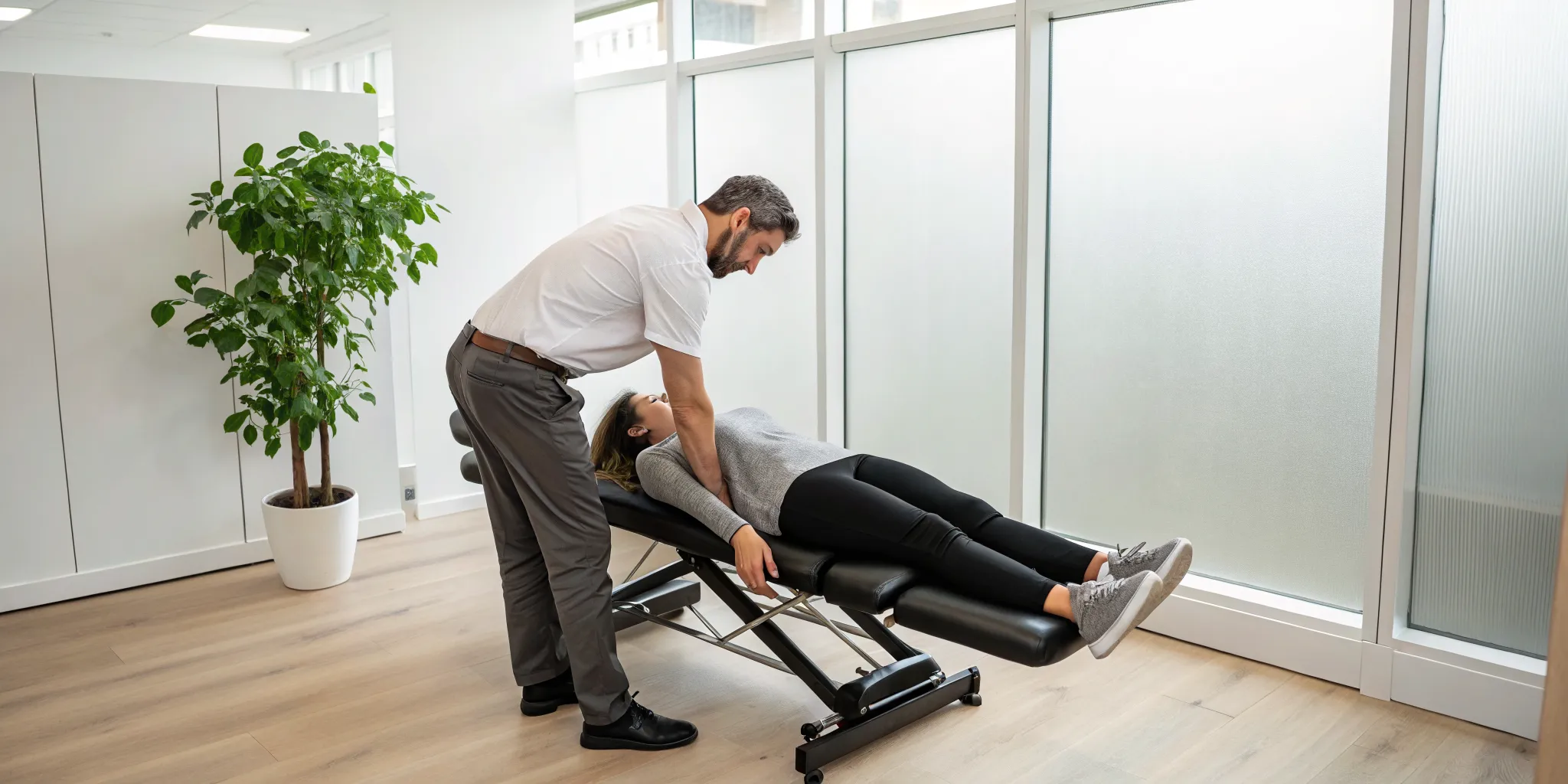

If you're living with lower back pain, you know the frustrating cycle. The pain flares up, you find some temporary relief, and then it comes right back. But masking symptoms is just a temporary patch—it never addresses the root cause of your discomfort. Are you ready to break this cycle for good? Finding a true, long-term solution means getting to the source of the problem. We’ll explain how a chiropractor works to restore your body’s natural function, offering lasting wellness instead of just another quick fix.
If you're struggling with lower back pain, it can feel isolating. But the reality is, you are far from alone. Lower back pain is one of the most common health complaints among adults and a leading reason people seek medical care. It's so prevalent that it's also a primary cause for missed work, impacting not just your physical well-being but also your daily productivity and quality of life. This isn't just a minor ache for many; it's a significant disruption that affects everything from sitting at a desk to playing with your kids. Understanding just how widespread this issue is can be the first step toward realizing that you don't have to accept it as a normal part of life.
Pain experts generally categorize back pain into two types: acute and chronic. Acute pain is short-lived, usually lasting a few days to a few weeks as your body heals from a minor strain or injury. Chronic pain, on the other hand, is persistent, lasting for three months or longer. The statistics are pretty staggering: about eight out of ten people will experience lower back pain at some point, and for an estimated 16 million Americans, that pain becomes a chronic condition. When pain sticks around this long, it’s often a sign that there's an underlying structural problem that hasn't been addressed. This is where simply managing symptoms falls short and finding the root cause of your chronic pain becomes essential for true, long-term relief.
If you're dealing with lower back pain, you're not alone. It’s one of the most common reasons people miss work or can't enjoy their favorite activities. The frustrating part is that the source of the pain isn't always obvious. It could be from a single event, or it might be the result of habits you don't even notice. Understanding the potential causes is the first step toward finding real, lasting relief. Let's look at some of the most common culprits behind that nagging ache.
Your lower back, known as the lumbar region, is a complex structure of vertebrae, discs, nerves, muscles, and ligaments. It’s designed to be incredibly strong and flexible, supporting much of your upper body's weight while allowing for a wide range of motion. While the most common cause of pain is a muscle or tendon injury, chronic pain often points to a deeper structural issue. Think of your spine as the central pillar holding everything up. If its alignment is off, even slightly, it can create a chain reaction of stress and strain on the surrounding tissues. This leads to persistent discomfort that medication can't fix, which is why understanding this structure is key to finding a solution that addresses the core problem.
Lower back pain shows up differently for everyone. For some, it’s a sudden, sharp pain after lifting something heavy. For others, it’s a dull, constant ache that has slowly worsened over time. You might also notice stiffness, especially in the morning, or find that your posture has changed as your body tries to compensate for the discomfort. One of the most telling signs is a muscle spasm, where your back muscles suddenly tighten up, causing intense pain and making it difficult to stand, walk, or even sit. Recognizing these symptoms is the first step, but understanding what they mean for your health requires a closer look. These are often signals that your body is struggling with an underlying imbalance that needs to be corrected.
Does your pain get worse when you bend over but feel a bit better when you lie down? This is a classic sign that your back pain is mechanical, meaning it’s directly related to the position and stress placed on the structures in your spine. When you move, you're changing the load on your vertebrae, discs, and joints. If something is out of alignment, certain movements will aggravate the issue, while others might offer temporary relief. This is a huge clue that the problem isn't just a simple muscle strain but a deeper issue with your body's mechanics. Addressing these underlying conditions is essential for finding a way to move freely and without pain again.
A sudden, involuntary muscle spasm in your lower back can be alarming and incredibly painful. It feels like your muscles are locking up without your permission, making it nearly impossible to move. This isn't just a random cramp; it's your body's emergency brake system. When your spine is unstable or a joint is compromised, your muscles will tighten forcefully to protect the area from further injury. While it's a protective mechanism, it's also a clear signal that something is wrong at a structural level. If you're experiencing spasms, it's a good time to get a thorough evaluation. At Lazar Spinal Care, we use advanced diagnostics to find out exactly why your body is sending these powerful distress signals, so we can create a plan to restore stability and calm.
Sometimes, back pain has a clear starting point. You might remember the exact moment you lifted a heavy box the wrong way, twisted awkwardly while gardening, or pushed yourself a little too hard over the weekend. These actions can lead to muscle strains or ligament sprains in your lower back. The muscles and soft tissues become overstretched or torn, causing inflammation, stiffness, and pain. While these injuries often feel acute, they can become chronic if the underlying imbalance that made you vulnerable to injury isn't addressed. This is especially common with recurring sports injuries that never seem to fully heal, signaling a deeper structural issue that needs attention.
Your spine is made of bones called vertebrae, and in between them are soft, rubbery cushions known as discs. Think of them as your body’s natural shock absorbers. When a disc is damaged, its soft center can push out, or bulge, against its tougher exterior. If it pushes far enough, it can become a herniated disc. This bulge can press on the sensitive nerves in your spinal column, causing significant pain. Depending on which nerve is affected, you might feel sharp pain, numbness, or weakness not just in your back, but also radiating down your leg, a condition commonly known as sciatica. Many of the conditions we help involve disc-related issues that respond well to targeted care.
Sometimes, lower back pain isn't just about a pulled muscle; it's a sign that the very framework of your spine is compromised. Think of your spine as the central pillar supporting your entire body. If that pillar is misaligned or has structural irregularities, it can create constant stress on your nerves, muscles, and discs. These issues often develop slowly over time, stemming from poor posture, an old injury that never healed correctly, or even genetic predispositions. The good news is that these problems are often correctable. By identifying and addressing the specific structural issue, it’s possible to relieve the pressure and allow your body to function properly again, leading to lasting relief.
These may sound like complicated medical terms, but they describe specific structural changes in your spine. Spinal stenosis happens when the space inside your spinal canal narrows, putting pressure on the nerves that travel through it. Scoliosis is an abnormal, side-to-side curvature of the spine, which can throw your whole body off balance. Spondylolisthesis occurs when one of your vertebrae slips forward over the one below it. Each of these conditions can lead to significant lower back pain, numbness, or weakness because they disrupt the spine's natural alignment and irritate sensitive nerves. Addressing these foundational problems is key to finding a solution that goes beyond temporarily masking the pain.
Your bones provide the fundamental support for your back, and when they are compromised, pain is often the result. A spinal fracture can happen suddenly from a fall or an auto accident, causing immediate and severe pain. In other cases, conditions like osteoporosis can weaken bones over time, making them brittle and susceptible to fractures from even minor stress. When a vertebra breaks or collapses, it can alter the shape of your spine and put intense pressure on surrounding nerves. Proper healing and restoring alignment are critical after such an injury to prevent long-term chronic pain and mobility issues.
Arthritis isn't just a condition of the hands or knees; it can also affect the joints in your spine. Osteoarthritis, often called "wear and tear" arthritis, can cause the cartilage that cushions your spinal joints to break down. Another type, ankylosing spondylitis, is an inflammatory disease that can cause some of the vertebrae in your spine to fuse over time, leading to stiffness and a hunched posture. Both conditions create inflammation and stiffness that result in chronic lower back pain, making it difficult to move freely. While arthritis is a degenerative condition, managing spinal alignment can help reduce unnecessary stress on the affected joints, which can ease pain and improve your quality of life, especially for seniors dealing with age-related changes.
Modern life often puts our spines in a tough spot. Hours spent hunched over a computer, slouching on the couch, or looking down at a phone can create chronic tension. It’s not just about "sitting up straight." It's about how your body is aligned and how it moves throughout the day. When your spine loses its proper motion, muscles tighten, and nerves can become irritated, setting the stage for persistent pain. Your body is smart and will try to compensate for poor posture, but these compensations create new stress patterns that can lead to long-term problems. Getting a complete picture of your posture is a key part of your first visit with us as a new patient.
It’s easy to think of pain as purely physical, but your emotional state plays a huge role. When you're under stress, your body goes into a "fight or flight" mode, causing your muscles to tense up. For many people, this tension settles in the neck, shoulders, and especially the lower back. If you're constantly stressed, your back muscles may never get a chance to fully relax. This chronic tightness can lead to stiffness, muscle knots, and persistent pain. Addressing the physical source of the pain is crucial, but our approach also helps restore balance to your entire nervous system. Techniques like QSM3 focus on this whole-body connection to help you find lasting relief.
While strains, discs, and posture are the usual suspects, sometimes lower back pain is a symptom of something else happening in your body. It can be temporary and related to hormonal cycles, or it could be a sign of a different health issue altogether. Understanding these less common causes is important because it highlights the need for a thorough diagnosis. A skilled practitioner won't just focus on your back; they'll consider your overall health to make sure the true source of your pain is identified and addressed correctly. This comprehensive view ensures you get the right care for your specific situation.
For many women, lower back pain can be a temporary but recurring issue tied to their bodies' natural cycles. During menstruation, cramping can radiate to the lower back. During pregnancy, the body undergoes incredible changes. The added weight of the baby shifts your center of gravity forward, putting extra strain on your lower back muscles and spine. Hormones also loosen ligaments to prepare for childbirth, which can reduce stability. This is why specialized pregnancy chiropractic care can be so beneficial. Gentle adjustments can help your body adapt to these changes, easing discomfort and promoting better alignment for a healthier, more comfortable pregnancy.
In some rare cases, lower back pain can be a red flag for an underlying disease that isn't directly related to the spine's structure. Conditions like kidney stones, certain types of cancer, or infections can cause referred pain that you feel in your back. Systemic conditions like fibromyalgia can also cause widespread pain that includes the lower back. While chiropractic care doesn't treat these diseases, getting a comprehensive evaluation is critical to rule them out. A detailed health history and advanced diagnostics help ensure that if your pain is a sign of something more serious, you are guided toward the appropriate medical care without delay.
While anyone can experience lower back pain, certain factors can make you more susceptible. Think of these as things that can lower your body's threshold for injury, making it easier for a simple twist or a long day at your desk to trigger a painful episode. Some of these risk factors are out of your control, like your age, but others are related to lifestyle and can be modified. Recognizing these factors in your own life is a powerful step toward not only finding relief but also preventing future pain from disrupting your life.
As we get older, the discs in our spine naturally lose some of their fluid and cushioning, making them more prone to wear and tear. This process often starts after age 30. Additionally, carrying extra body weight puts a constant, added load on your spine, which can accelerate this degeneration and strain your back muscles. While you can't turn back the clock, you can take proactive steps to support your spinal health. Gentle, specific chiropractic care, like the kind we provide for seniors, can help maintain mobility and alignment, easing the stress on your aging spine and helping you stay active and comfortable.
Your daily habits have a profound impact on your spinal health. A sedentary lifestyle, smoking, or excessive alcohol consumption can all contribute to back pain. One of the biggest factors, however, is a weak core. Your abdominal muscles act as a natural corset, supporting your spine. When they're weak, your lower back has to work overtime to keep you upright, leading to fatigue and strain. Building a strong core is essential, but it's most effective when your spine is already in proper alignment. Our goal is to restore that foundational balance so your body can function as it was designed to.
Your job could be a major contributor to your lower back pain, especially if it involves repetitive movements. Occupations that require heavy lifting, frequent bending, or twisting put significant and repeated stress on the spine. On the other hand, sitting at a desk all day creates its own set of problems, leading to poor posture and muscle imbalances. Whether your job is physically demanding or mostly sedentary, the daily strain can accumulate over time. We help many patients counteract the effects of their work by correcting spinal misalignments and providing strategies to reduce occupational stress on their bodies, helping prevent small issues from becoming chronic conditions.
When your lower back hurts, it’s tempting to just mask the symptoms. Chiropractic care offers a different path: a hands-on, drug-free approach that addresses the source of the pain to help your body heal. It’s about understanding why you’re in pain and creating a clear path toward lasting relief. Rather than a single treatment, this involves a comprehensive strategy that combines gentle adjustments with advanced diagnostics and personalized wellness plans. By focusing on the root cause, chiropractic care can not only relieve your current discomfort but also help prevent future problems, getting you back to the activities you love.
The foundation of chiropractic care is the spinal adjustment. But don't worry, this isn't about forceful cracking. Modern techniques, especially specialized methods like Quantum Spinal Mechanics (QSM3), are remarkably precise and gentle. The goal is to correct misalignments in your spine, which relieves pressure on nerves and restores proper movement to your joints. Research confirms that these adjustments have a high safety profile, making them a sound alternative to invasive procedures or long-term medication. By improving your spine's alignment, we help reduce pain and enhance your body’s natural ability to function correctly and heal itself.
Effective treatment begins with a clear diagnosis. A chiropractor doesn't just treat the symptom; we work to uncover the root cause of your lower back pain. Using a deep understanding of the body’s structure, especially the link between your spine and nervous system, we pinpoint the source of the problem. At our clinic, we use advanced diagnostic assessments like PostureIQ™ and Insight™ neurological scans to get an exact picture of your spinal health. This data-driven approach means your care isn't based on guesswork. It allows us to see precisely how your body is misaligned and create a treatment that fixes the real issue.
A healthy spine needs strong support from the surrounding muscles and ligaments. If these soft tissues are tight or weak, they can contribute to your pain. That's why a complete care plan often includes therapies to help them heal. Techniques like Laser Therapy can reduce inflammation and speed up tissue repair, providing relief while supporting your body's recovery. We also guide you through simple corrective exercises to do at home. These movements strengthen key muscles and improve flexibility, empowering you to maintain your progress and prevent future injuries.
Your back pain is unique, so your treatment plan should be too. A one-size-fits-all approach simply doesn’t work for long-term results. We spend time listening to you and understanding your health history, daily activities, and personal goals. Based on this conversation and your diagnostic results, we create a personalized care plan tailored just for you. The focus is always on lasting wellness, not just a quick fix. We want to give you the tools and support you need to get back to living your life without being held back by pain.
Walking into a new doctor’s office can feel a little intimidating, especially when you’re in pain. But knowing what’s coming can make all the difference. Your first chiropractic visit is all about discovery. It’s a comprehensive session designed for the doctor to understand you, your history, and the root cause of your discomfort. This isn't a quick, in-and-out appointment. Instead, it's the foundational step toward creating a care plan that’s tailored specifically to your body and your goals. Think of it as a partnership from day one, where your voice is heard and your health is the top priority.
Before any exam begins, we’ll simply sit down and talk. This conversation is one of the most important parts of what to expect as a new patient. We want to hear your story. You can expect questions about your lower back pain, like when it started, what it feels like, and what activities make it better or worse. We’ll also go over your broader health history, including any past injuries, existing medical conditions, or previous treatments you’ve tried. If you have any recent X-rays or MRIs, bring them along. The more information we have, the clearer the picture becomes. This detailed discussion helps us connect the dots and understand the full context of your health.
Next, we’ll move on to a hands-on physical exam. This is where we assess how your body is moving and functioning right now. We’ll check your posture, muscle tone, reflexes, and range of motion to see how your spine and nervous system are working together. This exam is gentle and helps us pinpoint areas of restriction or imbalance that could be contributing to your back pain. It’s a crucial step in identifying structural shifts that might be putting pressure on your nerves. Our goal is to understand your body's unique mechanics, so we can see exactly where support is needed to restore proper alignment and function.
To get to the true source of your problem, we go beyond a standard physical exam. We use advanced diagnostic assessments like PostureIQ™ and Insight™ neurological scans to get a precise, objective look at what’s happening with your spine and nervous system. These scans are completely painless and non-invasive. They allow us to see how your body is managing stress and identify the specific areas that are struggling. This technology gives us data that we can’t get from a physical exam alone, showing us the underlying cause of your symptoms. It’s how we make sure our approach is based on exactly what your body needs, not guesswork.
After we’ve gathered all this information from your history, exam, and scans, we’ll put all the pieces together. We will walk you through our findings in a way that’s easy to understand, showing you exactly what’s going on and how we can help. This is when we’ll propose your personalized care plan. This plan outlines the specific adjustments and therapies recommended for you, along with a timeline for your care. Your goals are our goals, whether that’s getting back to your favorite hobby or simply living without daily pain. We address a wide range of conditions, and your plan is your unique roadmap back to feeling your best.
Deciding on a new approach to your health is a big step, and it’s smart to weigh your options. Chiropractic care offers a unique path to wellness, but like any treatment, it has its own set of considerations. Understanding both the benefits and the potential drawbacks can help you make an informed choice about whether it’s the right fit for your lower back pain and overall health goals.
At Lazar Spinal Care, we believe in transparency. We want you to feel confident and clear about your care from day one. Let’s walk through the pros and cons together so you can see the full picture.
One of the biggest draws of chiropractic care is that it’s a drug-free, non-invasive approach to feeling better. If you’re tired of relying on pain medication that only masks your symptoms or are worried about potential side effects, this is a significant advantage. Instead of covering up the pain, chiropractic care focuses on finding and addressing the root cause of your discomfort. By correcting spinal misalignments, we help your body tap into its own natural ability to heal. This means you’re not just getting temporary relief; you’re working toward a long-term solution that supports your body’s overall function without dependency on medication.
Pain isn’t the only thing that holds you back; stiffness and a limited range of motion can be just as frustrating. Chiropractic care is about more than just alleviating pain. Studies show it can also enhance overall mobility and improve how your body functions as a whole. Gentle adjustments help restore proper movement to your joints, especially in the spine. This can make everyday activities, from bending down to pick something up to enjoying a walk, feel easier and more comfortable. Our goal is to get you moving freely again so you can get back to living your life without feeling restricted by your body.
While chiropractic care can help with a wide range of issues beyond just back pain, it’s important to know that it isn’t a universal cure. Every person’s body and health situation is unique, and what works wonders for one person might not be the right solution for another. That’s why a thorough initial assessment is so critical. Here at Lazar Spinal Care, we start with a comprehensive evaluation to determine if your problem is fixable with our approach. If we don’t think we are the right fit for you, we will be upfront about it and help point you in the right direction.
Many people hope for a quick fix, but true healing is a process. While you might feel some relief after your first adjustment, achieving lasting results often requires a consistent care plan. Your body needs time to adapt to the corrections and build new, healthier patterns. Think of it like going to the gym; you wouldn’t expect to be in perfect shape after one workout. It takes commitment to see real change. We create a personalized plan for you and are with you every step of the way, but it’s a partnership that requires your participation to achieve the best possible long-term wellness.
While chiropractic care is a powerful tool for addressing the root cause of lower back pain, it’s essential to know when your symptoms might point to a more urgent medical issue. Your safety is always the top priority. Understanding the difference between a structural problem a chiropractor can address and a medical emergency is key to getting the right care at the right time. Think of it this way: a chiropractor is your partner in long-term spinal health, but a medical doctor is your first call for specific "red flag" situations. Let's go over the signs that mean you should seek immediate medical attention.
The roles of a medical doctor and a chiropractor are different, yet they can be complementary. A medical doctor’s primary focus during a back pain evaluation is to rule out or diagnose a specific pathology, like an infection, a fracture, or a tumor. They use tools like imaging and blood tests to identify these conditions. A chiropractor, on the other hand, focuses on the structure and function of your spine and nervous system to find and correct misalignments that cause pain and interfere with your body's ability to heal. Knowing which professional to see first ensures you get the most appropriate and effective care from the start.
Some symptoms are your body’s way of signaling a serious problem that needs a doctor's immediate evaluation. According to the Cleveland Clinic, if your lower back pain is accompanied by any of the following, it's time to head to an emergency room or urgent care clinic. These include sudden numbness or weakness in one or both of your legs, or new problems with bladder or bowel control. You should also seek immediate care if your back pain comes with a fever, fainting, or severe abdominal pain. These aren't typical symptoms of a spinal misalignment and could indicate an underlying condition that requires prompt medical treatment.
Beyond the immediate red flags, there are other circumstances where a visit to your primary care physician is the best first step. If you have a history of cancer, are experiencing unexplained weight loss alongside your back pain, or if the pain is severe and keeps you up at night, it’s important to get it checked out by a medical doctor. The same goes for anyone over 55 experiencing new back pain without a clear cause, or if you have an increased risk of infection. These factors can sometimes point to a more complex medical issue. While we are experts in addressing many conditions, we also believe in a collaborative approach to your health, and that starts with making sure you're in the right place for your specific needs.
When you see a medical doctor for back pain, their process is focused on ruling out or identifying specific pathologies. The visit will typically start with a detailed medical history and a physical examination. From there, your doctor may decide that further testing is needed to get a complete picture of what's going on inside your body. This often involves diagnostic tests to visualize the spine and surrounding structures or to evaluate how your nerves are functioning. This approach is crucial for identifying issues like fractures, infections, or other diseases that require medical intervention. It provides a different, yet equally important, set of data compared to the functional and structural analysis we perform at our clinic.
To see what’s happening with the structures in your back, doctors often rely on imaging tests. An X-ray is usually the first step, as it’s great for showing the alignment of your bones and can reveal issues like fractures or arthritis. If a more detailed view is needed, your doctor might order an MRI or a CT scan. According to Stanford Medicine, these advanced scans provide clear images of soft tissues, including your spinal discs, muscles, and nerves. This allows them to spot problems like a herniated disc or spinal stenosis with incredible precision, helping to form an accurate diagnosis.
Sometimes, the source of the pain isn't structural, or the doctor needs more information about how your body is functioning on a deeper level. In these cases, they might recommend nerve tests, like an electromyography (EMG), to measure the electrical activity in your nerves and muscles. This can help determine if a nerve is being compressed or damaged. Blood tests may also be used to check for signs of inflammation, infection, or other underlying conditions that could be contributing to your back pain. These tests provide another layer of information to ensure all potential causes are thoroughly investigated.
Sometimes it’s hard to know if that ache in your back is just a temporary nuisance or a sign of something more. While a little soreness after a long day is normal, certain types of pain are your body’s way of asking for help. If you’re trying to decide whether to wait it out or seek professional care, here are a few clear signs that it’s time to see a chiropractor. Listening to these signals can be the first step toward finding lasting relief and getting back to the activities you love.
If your lower back pain has become a constant companion, it’s a definite sign to get it checked out. Pain that lingers for weeks or months, or comes and goes without fully disappearing, suggests an underlying issue that your body can’t resolve on its own. Many health experts suggest trying chiropractic care first for back pain because it’s a conservative approach that doesn’t involve injections or surgery. A chiropractor can investigate the source of your discomfort and create a plan to address the root cause, rather than just masking the symptoms. If you're tired of dealing with nagging pain, it might be time to request an appointment.
Do you ever feel a sharp, shooting pain that travels from your lower back down into your buttock or leg? This is often a sign of sciatica, which happens when the sciatic nerve is compressed or irritated. This radiating pain, which can also feel like tingling, numbness, or weakness, indicates that a spinal issue, like a herniated disc or muscle spasm, is affecting your nerves. Chiropractors specialize in problems with the spine that cause these exact symptoms. By carefully adjusting the spine, they can help relieve the pressure on the nerve and address the source of the radiating pain.
Waking up stiff is one thing, but feeling like your movement is constantly restricted is another. If bending over to tie your shoes, twisting to grab something, or even just getting out of a chair feels difficult, your spine may be misaligned. This lack of mobility can seriously impact your quality of life and often stems from problems in your lower back. Chiropractic care focuses on restoring proper movement to your spine. Through gentle adjustments, a chiropractor can improve your flexibility and function, helping you move more freely and with less pain. Our specialized techniques are designed to get to the root cause of this stiffness.
It’s easy to connect back pain to a major event like a car accident or a fall. But even minor slips, sports injuries, or repetitive motions from a job or hobby can cause what’s known as "mechanical" back pain. This is pain that changes with movement and often points to a structural issue in your spine. If your pain began after any kind of physical incident, it’s a good idea to see a chiropractor. They can assess the damage and perform targeted adjustments to help your body heal correctly. Addressing auto injuries and other traumas early can prevent them from turning into chronic problems down the road.
When you’re dealing with back pain, the number of treatment options can feel overwhelming. From medication and physical therapy to more invasive procedures, it’s hard to know which path is right for you. The best choice often depends on the root cause of your pain, your health history, and your long-term goals. Many common treatments focus on managing symptoms, like reducing inflammation with medication, or strengthening the muscles around the painful area. While these can be helpful, they don't always address the core issue.
Chiropractic care takes a different angle. It centers on the fundamental relationship between your spine's structure and your nervous system's function. A chiropractor’s goal is to find and correct structural shifts in the spine that may be interfering with your body's ability to heal and function properly. This is different from simply chasing the pain. By addressing the underlying cause, chiropractic adjustments can provide lasting relief and improve your overall well-being, often without drugs or surgery. Understanding how this approach compares to other common treatments can help you make a more informed decision about your health and find the relief you’ve been looking for.
While you’re exploring a long-term solution for your lower back pain, you still have to get through your day. These at-home strategies can offer some relief and support your body. Think of them not as a final fix, but as helpful tools you can use to manage your discomfort while you work on addressing the root cause. They can help take the edge off and make it easier to function, but remember, the goal is to get to a place where you don’t need to constantly manage your pain because the underlying problem has been corrected.
When your back hurts, your first instinct might be to lie perfectly still. While rest is important, too much inactivity can actually make stiffness worse. Gentle movement helps keep your muscles flexible and can prevent them from tightening up. Things like regular exercise, such as walking or swimming for about 30 minutes a few times a week, can help strengthen the muscles that support your spine. Focusing on your core with activities like yoga or simple, gentle stretches throughout the day can also make a big difference. These practices support the work we do in the office, helping your body hold its alignment and build a stronger foundation for lasting health.
It’s completely understandable to reach for an over-the-counter pill when the pain becomes too much to handle. These medications can provide temporary relief that helps you get through a tough day. As a quick guide, NSAIDs like ibuprofen (Advil) or naproxen (Aleve) work by reducing both pain and inflammation. Acetaminophen (Tylenol), on the other hand, helps with pain but doesn't target inflammation. Topical creams can also offer localized, short-term relief. While these options can be useful in a pinch, it's important to remember they are masking the symptom, not fixing the problem. Our goal is to find out *why* you're reaching for that bottle in the first place and provide a solution for lasting wellness.
It’s common to weigh chiropractic care against physical therapy, and for good reason. Both are effective, hands-on approaches for managing back pain. Physical therapy often focuses on rehabilitating and strengthening the muscles surrounding an injury to improve stability and function. This is incredibly valuable, especially after an accident or surgery.
Chiropractic care, particularly the kind we practice, looks at the bigger picture. We focus on the alignment of your spine and its direct impact on your nervous system. We believe that if your body's structure is out of balance, it can't function at its best. While a physical therapist might give you exercises to strengthen your lower back, a chiropractor will first ensure your spine is properly aligned so those exercises can be truly effective. The two can work together beautifully, but our primary goal is to correct the structural foundation that affects all the conditions we help.
When pain strikes, reaching for a pill can feel like the quickest fix. Pain medication can certainly offer temporary relief by masking your symptoms, but it doesn't solve the underlying problem. Over time, you might find yourself needing more medication to get the same effect, all while the root cause of your pain goes unaddressed.
Chiropractic care offers a drug-free alternative. Instead of covering up symptoms, we aim to correct the source of the problem. By making precise adjustments to your spine, we help relieve pressure on your nerves and allow your body to heal itself naturally. Our approach is built on the idea that your body has an incredible capacity for healing when it's functioning correctly. We want to restore that function so you can find lasting relief, not just temporary comfort.
When pain is severe and persistent, it’s natural to consider more intensive medical treatments. These interventions are often aimed at providing powerful, immediate relief, especially when conservative methods haven't been enough. Options like injections and surgery can play a role in managing certain back pain conditions, but they come with their own set of considerations. Understanding what these treatments involve, including their potential benefits and limitations, is a key part of making an informed decision about your health care. Let's look at some of the common medical approaches you might encounter.
For intense, localized pain caused by inflammation, your doctor might suggest an injection. The most common are corticosteroid injections, which deliver a strong anti-inflammatory medication directly to the source of the problem, such as around an irritated nerve root. This can calm the inflammation and provide significant, though temporary, pain relief. This window of relief can be valuable, allowing you to participate in other therapies. However, the effects aren't permanent, and because repeated injections can potentially weaken nearby tissues over time, they are typically used sparingly. They are a tool for managing severe symptoms, not a long-term fix for the underlying structural issue.
Surgery is generally considered a last resort for lower back pain, reserved for cases where a specific, identifiable structural problem—like a severely herniated disc or spinal instability—has not responded to any other treatment. Procedures like a discectomy (removing part of a disc) or spinal fusion (joining vertebrae together) are major decisions with inherent risks. While modern, minimally invasive surgical options have improved recovery times, there's no guarantee of complete pain relief. The goal of surgery is to correct a clear anatomical issue, but it doesn't always resolve the complex factors contributing to pain. It's a significant step to take after you've exhausted all other conservative paths to wellness.
Some people think choosing a chiropractor means abandoning their medical doctor, but that couldn't be further from the truth. We see ourselves as a vital part of your complete healthcare team. A skilled chiropractor is trained to understand the body's complex systems and works to provide practical, non-surgical solutions that complement the care you receive from other providers.
During your first visit, we take a comprehensive look at your health history and work to understand the full scope of your concerns. We believe in open communication and are happy to collaborate with your primary care physician, physical therapist, or other specialists. Our goal is the same as theirs: to help you get better. By integrating specialized spinal care into your overall wellness plan, you get a more holistic and effective path to recovery.
While it’s important to address the root cause of existing pain, it’s just as crucial to adopt habits that prevent it from starting in the first place. Small, consistent changes in your daily routine can make a world of difference in supporting a healthy, resilient spine. These simple, proactive steps can help you protect your lower back from strain and injury, keeping you active and feeling your best.
One of the best things you can do for your lower back is to simply keep moving. When you’re sedentary, your back muscles can become weak and stiff, leaving your spine more vulnerable to strain. Regular, low-impact exercise helps strengthen back muscles and the core muscles that act as a natural corset for your spine. You don’t need to run a marathon; activities like walking, swimming, or gentle yoga for about 30 minutes a few times a week can make a huge difference. This consistent movement improves blood flow, reduces stiffness, and builds the support system your back needs to stay healthy and pain-free.
We’ve all heard the advice to “lift with your legs,” but it’s a rule that’s easy to forget in the moment. Whether you’re picking up a toddler, a heavy bag of groceries, or a box in the garage, using the wrong technique can instantly strain your lower back. The key is to always bend at your knees, not your waist. Use your legs to power the lift, keep the object close to your body, and avoid twisting as you stand up. Taking that extra second to position yourself correctly protects the delicate discs and ligaments in your spine from injury. It’s a simple habit that can save you from a world of unnecessary pain.
So many of us spend hours a day sitting at a desk, in a car, or on the couch, often without thinking about our posture. This constant slouching puts a tremendous amount of strain on the lower back. Making a conscious effort to keep your spine in line by sitting up straight with your shoulders back can significantly reduce that pressure. Try to keep your feet flat on the floor and your screen at eye level to avoid hunching. If you’ve been sitting for years with poor posture, your body may have already developed imbalances. A key part of your first visit as a new patient is a postural analysis, which helps us see exactly where those imbalances are and how to correct them.
If you're exploring options for back pain, you've probably come across some conflicting information about chiropractic care. It's easy to get confused by myths and misconceptions floating around. Let's clear the air and look at the facts, so you can feel confident about the choices you make for your health.
It’s completely understandable to worry about safety when it comes to your spine. The good news is that chiropractic care has a strong safety record, especially when compared to options like surgery or long-term medication. At Lazar Spinal Care, we use extremely gentle and precise methods. Our goal is to make corrections without any forceful popping or cracking. Most patients experience relief, not pain. While you might feel a little sore afterward, like you would after a new workout, the process itself is designed to be comfortable and, most importantly, safe. Our advanced techniques are tailored to be as gentle as they are effective.
This myth often comes from a misunderstanding of what chiropractic care actually is. The practice is grounded in the scientific principle that your body's structure and function are deeply connected. A misaligned spine can interfere with your nervous system and cause all sorts of problems. Numerous studies support chiropractic care for managing conditions like back pain and headaches. We don't guess when it comes to your health. Instead, we use advanced diagnostic tools like neurological scans and digital postural analysis to get a clear picture of what’s happening inside your body. This data-driven approach allows us to find the root cause of your pain and create a precise plan to correct it.
This is one of the most persistent myths, but it's simply not true. Chiropractors earn a Doctor of Chiropractic (D.C.) degree after completing a rigorous graduate-level program. This education is extensive, covering subjects like anatomy, neurology, physiology, and diagnostics, much like a medical doctor's training. They are licensed healthcare professionals who are experts in the musculoskeletal and nervous systems. Dr. Lazar, for example, has dedicated his career to mastering specialized techniques to provide the highest level of care. You can learn more about his extensive training and commitment to his patients on our About Us page. Chiropractors are absolutely real doctors, specializing in a non-surgical, drug-free approach to health.
Finding the right person to trust with your health can feel like a big task, but it doesn't have to be overwhelming. When it comes to chiropractic care, the right fit is about more than just credentials; it’s about finding a professional who understands your unique situation and has the right tools to help. Your goal is to find someone who will look beyond your symptoms to find the root cause of your pain. A great chiropractor is a partner in your health journey, someone who listens, educates, and empowers you.
Before you book your first appointment, do a little research. Look at their website, read about their approach, and see if their philosophy aligns with your goals. Do they focus on quick adjustments, or do they offer a comprehensive plan for long-term wellness? Do they use advanced technology to get a clear picture of what's going on? Taking the time to get to know the team and their methods will help you feel confident that you’re placing your health in the right hands. The best patient-doctor relationships are built on trust and a shared commitment to your well-being.
All chiropractors complete a rigorous Doctor of Chiropractic degree, making them highly educated healthcare professionals. But just like any other medical field, many go on to pursue advanced training in specific areas. If you're dealing with a complex issue like vertigo, migraines, or chronic back pain, you may benefit from a chiropractor with a specific focus. Don't be afraid to ask about their certifications and the specialized techniques they use. A practitioner who has invested in advanced methods like upper cervical care or QSM3 brings a deeper level of expertise to your treatment, which can make all the difference in your results.
The most effective care happens when you and your doctor work together as a team. Your chiropractor should be a true partner in your health, someone who listens to your concerns, answers your questions, and creates an individualized care plan tailored to you. You should feel comfortable and heard during every visit. This collaborative approach ensures that your treatment addresses your specific needs and goals. If you're curious about the process, many clinics outline what to expect as a new patient, giving you a clear idea of their approach to partnership and care from day one.
Effective treatment starts with an accurate diagnosis. A thorough chiropractor will use more than just their hands to understand what’s happening inside your body. They are trained to see the intricate connection between your spine and nervous system, and modern technology helps them see it with incredible clarity. Ask a potential chiropractor about the advanced diagnostic assessments they use. Tools like digital postural analysis and neurological scans provide objective data that can pinpoint the exact source of your problem. This data-driven approach removes the guesswork, allowing for a more precise and effective care plan designed for lasting results.
Will the adjustments hurt? I'm a little nervous about the idea of cracking or popping. That's a completely fair question, and a common concern. The good news is that modern chiropractic care, especially the gentle techniques we use, is not about forceful movements. Our goal is precision. We focus on making specific corrections to restore balance, and many patients feel a sense of relief during the adjustment. While some techniques can produce a popping sound (which is just gas releasing from a joint), our approach is designed to be comfortable. Any minor soreness you might feel afterward is similar to what you'd experience after trying a new exercise.
How is this different from physical therapy or getting a massage? Think of it this way: massage and physical therapy are fantastic for addressing the muscles and soft tissues, which are often the "victims" of a deeper problem. Chiropractic care, on the other hand, focuses on the underlying structure, your spine, and its relationship with your nervous system. We work to correct the foundational issue that is causing the muscles to tighten or the nerves to become irritated in the first place. By restoring proper alignment and motion to the spine, we address the root cause of the pain, not just the symptoms.
How long will it take for me to feel better? This is the number one question we get, and the honest answer is that it's different for everyone. Your healing journey depends on several factors, including what's causing your pain, how long you've had it, and your overall health. Many people experience some relief after their first few visits, but achieving lasting correction is a process. Your body needs time to adapt and build healthier patterns. During your first visit, our detailed examination gives us the information we need to create a realistic timeline based on your specific situation.
Once I start, do I have to keep going to a chiropractor forever? This is a common myth we're happy to clear up. Our first goal is to correct the underlying problem causing your pain, which requires a series of visits over a specific period. Once we've achieved that stability, many of our patients choose to continue with periodic wellness visits. They do this to maintain their progress and prevent future problems, much like you'd see a dentist for regular cleanings to prevent cavities. The decision to continue with maintenance care is always yours and is based on your personal health goals.
My main issue is lower back pain, but I also get headaches. Can chiropractic care help with that too? Yes, it absolutely can. Your spine is the protective housing for your nervous system, which controls and coordinates every function in your body. A misalignment in one area, even if it's causing pain in your lower back, can create tension and nerve interference that leads to symptoms elsewhere, like headaches or even radiating leg pain. By taking a whole-body approach and focusing on the health of your entire spine and nervous system, we often find that as we correct the primary issue, other seemingly unrelated symptoms improve as well.