.png?width=150&height=60&name=2026%20LSC%20Logo%20(2).png)

Back Pain

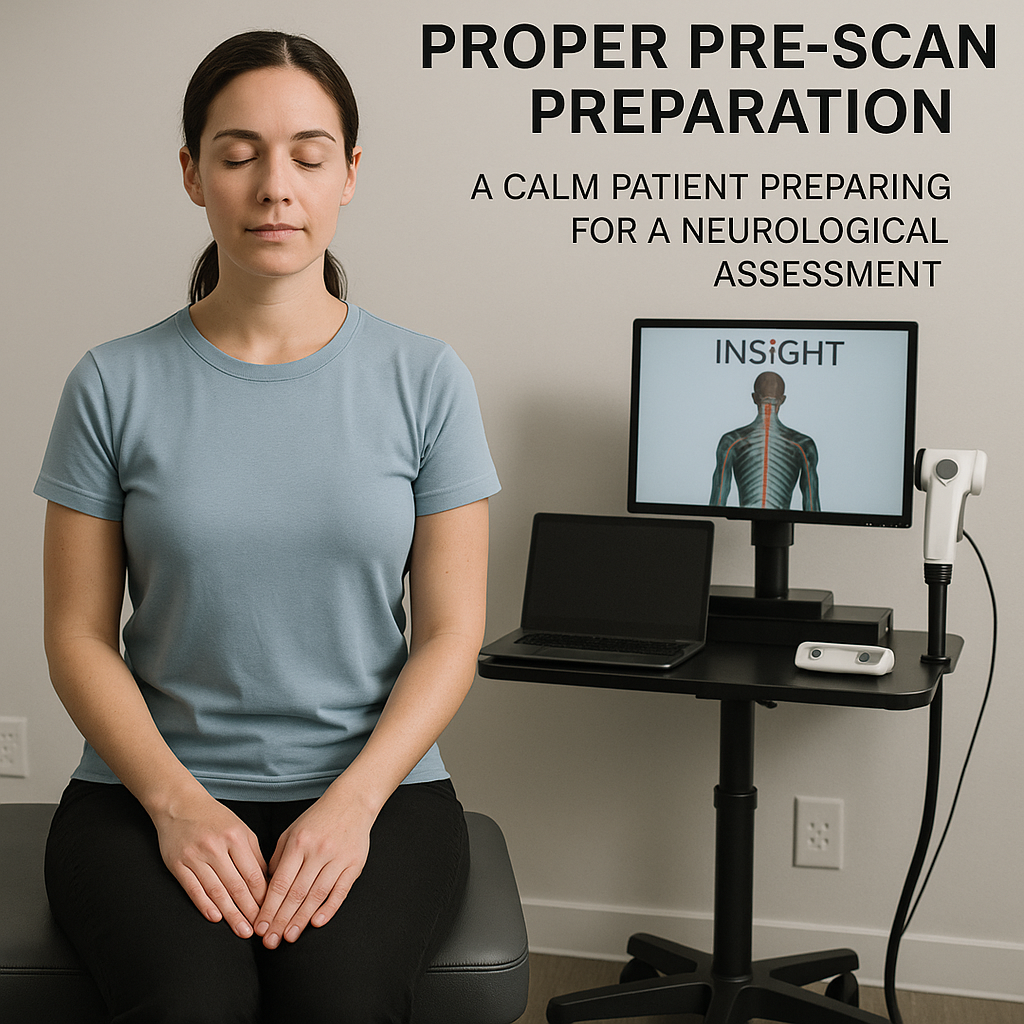
You’ve taken the important step of scheduling an appointment to finally get answers about your health. You’re ready to understand the source of your pain or discomfort. But what if the coffee you drank on the way to our office could compromise the entire diagnostic process? It sounds simple, but it’s true. The accuracy of our advanced nerve scans—the very tools we use to see how your nervous system is functioning—can be skewed by common substances and activities. This isn't just a minor detail; it directly impacts our ability to create the most effective care plan for you.
TLDR: These substances and activities give us inaccurate nerve scans which could result in us giving you inaccurate care plan requirements.
At Lazar Spinal Care, we're committed to providing you with the most accurate, data-driven insights into your nervous system function. That's why we ask all patients—current and future—to avoid caffeine, nicotine, pain medications, marijuana/THC, and strenuous workouts for at least 4 hours before any nerve scanning appointment.
Here's the bottom line: These substances and activities directly interfere with the precision of our advanced diagnostic technology. When your body is under the influence of stimulants, depressants, or recovering from intense physical exertion, the readings we capture from our Insight Millennium nerve scans and surface EMG equipment won't reflect your true baseline nervous system function.
Inaccurate data leads to inaccurate diagnoses. And inaccurate diagnoses mean we might recommend care that isn't precisely what your body needs. Our goal is to identify the root cause of your symptoms and create a personalized care plan that addresses your specific neurological patterns—but we can only do that with clean, reliable data. Your preparation matters, and it directly impacts the quality of care you receive.
The Lazar Method™ relies on cutting-edge neurological assessment technology to uncover the hidden dysfunctions that conventional exams often miss. Our Insight CLA nerve scans utilize two powerful diagnostic tools: infrared thermography and surface electromyography (sEMG). Together, these technologies give us a comprehensive picture of both your autonomic and somatic nervous system function.
Infrared thermography measures thermal patterns along your spine, revealing how well your autonomic nervous system—the part that controls involuntary functions like heart rate, digestion, blood pressure, and inflammation response—is operating. When there's nerve interference or subluxation, we see abnormal heat patterns that indicate imbalance and dysfunction.
Surface EMG, on the other hand, assesses your somatic nervous system by measuring the electrical activity of the muscles surrounding your spine. This tells us where there's excess tension, weakness, or imbalance—critical information for understanding postural compensations, muscle fatigue, and neurological stress. These scans don't just show us symptoms; they reveal the underlying neurological causes that have been silently contributing to your pain, dysfunction, and reduced quality of life.
By combining these advanced diagnostic insights with digital motion x-rays and Posture IQ assessments, we're able to design a care plan that addresses the root cause rather than simply masking symptoms. But this level of precision depends entirely on the accuracy of the data we collect.
Think of your nervous system as your body's intricate electrical wiring. Your brain acts as the central power station, sending out signals that travel through your spinal cord and branch out into a complex network of nerves. These nerves reach every single muscle, organ, and cell in your body, delivering vital instructions. According to MedlinePlus, nerves send electrical signals to muscles to make them move, and in turn, muscles generate their own electrical activity when they contract. This constant, two-way communication is what allows you to walk, breathe, digest food, and feel sensations. When this communication system is clear and uninterrupted, your body can function optimally. However, if there's interference—like a "short circuit"—it can lead to pain, dysfunction, and a wide range of health issues.
When you’re trying to figure out what’s going on with your body, nerve scans can offer a window into your nervous system’s health. However, not all nerve scans are the same. The type of scan you receive often depends on the approach of the healthcare provider. In a conventional medical setting, nerve scans are typically used to diagnose a specific disease or pathology. These tests are excellent at identifying major problems like severe nerve damage or muscle diseases. They focus on finding what’s broken so it can be treated, often with medication or surgery. This diagnostic approach is crucial for many conditions and provides essential information for medical specialists.
In a NeuroBioStructural chiropractic office like ours, the focus is a bit different. We use neurological scans not just to find disease, but to measure function. We want to see how well your nervous system is actually working and adapting to daily life. Our scans are designed to detect subtle patterns of stress, imbalance, and interference that might not qualify as a medical diagnosis but are absolutely contributing to your symptoms and affecting your quality of life. By looking at function, we can identify underlying issues before they become major pathologies. This allows us to create a care plan aimed at restoring balance and improving your body's overall performance, using our specialized techniques to address the root cause.
In a medical setting, neurologists and other specialists use several types of scans to assess nerve and muscle health. These tests are highly effective at pinpointing specific areas of damage or disease. They often involve measuring the electrical properties of nerves and muscles directly, which can sometimes be uncomfortable. The goal is to arrive at a specific diagnosis that can guide medical treatment. These scans are the go-to tools when symptoms suggest a significant neurological disorder, providing clear evidence of pathology that helps doctors determine the next steps, whether it's medication, physical therapy, or surgical intervention.
A Nerve Conduction Study, or NCS, is a test that directly measures how fast and how strong electrical signals travel through your nerves. The Cleveland Clinic explains that an NCS checks how well your peripheral nerves—the ones outside your brain and spinal cord—are working. During the test, small electrodes are placed on your skin over the nerve being studied, and a mild electrical impulse is used to stimulate it. This test is often used to diagnose conditions like carpal tunnel syndrome or other nerve entrapments.
Electromyography, or EMG, is often performed along with an NCS. This test evaluates the health of your muscles and the nerves that control them. Unlike an NCS, an EMG involves inserting a very fine needle electrode directly into a muscle. This needle records the electrical activity while you relax and contract the muscle. It helps doctors determine if muscle weakness is caused by an injury to the muscle itself or by a problem with the nerve that supplies it.
MRI Neurography is a more advanced imaging technique that uses magnetic resonance imaging to create detailed pictures of your nerves. It's a non-invasive way to visualize the nerves themselves, rather than just their electrical signals. According to Sprint Diagnostics, this specialized scan can visualize nerve damage, injuries, or tumors directly. It's particularly useful for getting a clear look at nerve bundles like the brachial plexus in the shoulder or the sciatic nerve in the leg, helping to identify structural problems like inflammation or compression.
The neurological scans we use at Lazar Spinal Care take a different approach. Instead of looking for a specific disease, our goal is to assess the overall function and balance of your entire nervous system. We want to understand how much stress your nervous system is under and how that stress is affecting your body's ability to heal and regulate itself. Our scans are completely non-invasive and painless. They measure the subtle signals your body is already producing, giving us a real-time map of your neurological function. This data helps us see the bigger picture of your health and create a plan to restore proper communication between your brain and body.
Our clinic uses state-of-the-art Insight™ Scans to get a precise reading of your nervous system's function. This technology includes two key tests. The first is infrared thermography, which measures heat patterns along your spine. Uneven heat patterns can indicate inflammation and stress in your autonomic nervous system—the system that controls your organs, glands, and blood vessels. The second is surface electromyography (sEMG), which measures the electrical activity in the muscles that support your spine. This tells us where your body is holding tension and how much energy it's expending just to maintain your posture, giving us a clear picture of your somatic nervous system's health. Together, these scans provide the objective data we need to begin your journey as a new patient.
The professional who performs a nerve scan depends on the type of test and its purpose. Medical scans like NCS and EMG are typically ordered and interpreted by neurologists, who are medical doctors specializing in the nervous system. These tests are usually conducted in a hospital or a specialized diagnostic clinic by a trained technician. MRI Neurography is performed by a radiologist. On the other hand, functional neurological scans like our Insight™ Scans are performed right here in our office at Lazar Spinal Care by our highly trained team. We are specifically certified in using this technology to assess nervous system function and guide our unique approach to care.
Deciding when to get a nerve scan often starts with listening to your body. Many of us get used to pushing through discomfort, dismissing recurring aches, tingling, or weakness as just a normal part of life or aging. However, these are often your body's early warning signals that something isn't right with your nervous system. A nerve scan is recommended when you're experiencing persistent symptoms that you can't explain, or when you feel like you've tried everything for a health issue without getting to the root cause. It’s a proactive step toward understanding what’s really going on beneath the surface.
Whether it's chronic headaches, digestive issues, or dizziness, these problems can often be traced back to nervous system dysfunction. A comprehensive neurological scan provides objective, concrete data that moves beyond guesswork. Instead of just treating the symptom, we can see the underlying pattern of stress and interference. This is especially important if you've been told "everything looks normal" on other tests but you still don't feel well. Our scans can often detect the functional imbalances that other diagnostic tools miss, providing the clarity needed to finally address the source of your health challenges.
Your body has a way of telling you when nerve communication is off. It's important not to ignore these signals. According to the Neurology Center For Epilepsy & Seizures, you shouldn't dismiss signs like ongoing pain, numbness, tingling, or weakness in your arms or legs. Other common indicators include sharp, shooting, or burning pains, loss of balance or coordination, and muscle twitching or cramping. You might also notice changes in your sensitivity to touch, temperature, or pressure. These symptoms can range from mildly annoying to debilitating, but they all point to a potential problem with your nervous system that deserves a closer look.
At Lazar Spinal Care, our Insight™ scans are invaluable for understanding the underlying neurological components of a wide range of health issues. While we don't diagnose medical diseases, we use these scans to identify nervous system dysfunction that contributes to many conditions. For example, scans can reveal the patterns of nerve irritation and muscle tension common in people with chronic migraines, sciatica, and fibromyalgia. They can also help us see the neurological stress associated with vertigo, TMJ disorders, and even digestive problems. By looking at this data, we can better understand the unique challenges your body is facing and tailor a care plan for the specific conditions we help.
Beyond the more obvious symptoms like pain or numbness, there are other, more general signs that your nervous system may be struggling. Persistent fatigue that isn't resolved with rest, for instance, can be a sign that your body is expending too much energy due to underlying neurological stress. Other indicators include brain fog or difficulty concentrating, unexplained mood swings or anxiety, dizziness or balance problems, and trouble sleeping. Even things like chronic digestive upset or a weakened immune system can be linked to an imbalanced autonomic nervous system. If you're experiencing a collection of these seemingly unrelated issues, it could be your body's way of signaling a deeper problem.
Walking into any new healthcare appointment can feel a little intimidating, especially when you don't know what to expect. We want to make your experience at Lazar Spinal Care as comfortable and clear as possible. When you come in for your initial assessment, which includes our neurological scans, our primary goal is to gather precise information about your health in a calm and welcoming environment. The entire process is designed to be straightforward and stress-free. There are no needles, no electrical shocks, and no invasive procedures. We'll explain every step along the way, ensuring you feel informed and at ease from start to finish.
Our team will guide you through the scans, which are quick and completely painless. You'll be able to see the results in a clear, easy-to-understand format, and we'll take the time to review them with you, explaining what they mean for your health. This first visit is all about discovery—for both you and us. It's our chance to uncover the root cause of your health concerns and your chance to see if our approach feels right for you. We are committed to making this a positive and empowering experience, so you can feel confident when you request an appointment and start your journey toward better health.
The procedure for our Insight™ scans is simple and non-invasive. For the thermography scan, we use a handheld, infrared scanner that looks a bit like a thermometer. We’ll gently roll it up your spine, from your lower back to the base of your skull. This device simply reads the heat being emitted from your skin, so you won't feel anything at all. For the surface EMG scan, we use two small sensors that we’ll place at different points along your spine. These sensors measure the electrical output of your muscles, much like an EKG measures the heart. There are no needles or shocks involved; it’s just reading the natural energy your muscles produce.
One of the most common questions we get is about how the scans feel. The answer is simple: they don't feel like anything at all. Unlike a medical NCS, where you might feel a "mild tingling or static shock," our Insight™ scans are completely passive. The instruments we use are only reading information from your body; they aren't sending any electrical currents into it. The thermography scanner glides gently over your skin, and the sEMG sensors rest lightly on the surface. Most patients are surprised by how quick, easy, and comfortable the entire process is. It’s a pain-free way to gather a wealth of information about your health.
Your time is valuable, and our diagnostic process respects that. While some medical nerve studies can take anywhere from 15 minutes to over an hour to complete, our entire Insight™ scanning process is remarkably fast. The scans themselves typically take only about 5 to 10 minutes from start to finish. We can gather all the detailed information we need about your nervous system function in a very short amount of time. This efficiency means we can spend more of your appointment time discussing the results with you and explaining how they relate to your health goals, rather than on lengthy testing procedures.
Caffeine and nicotine are both powerful stimulants that act directly on your nervous system. Caffeine blocks adenosine receptors in your brain, increasing alertness and triggering a cascade of physiological changes: elevated heart rate, increased blood pressure, heightened metabolic activity, and altered blood flow patterns. Nicotine stimulates the release of adrenaline, causing vasoconstriction (narrowing of blood vessels) and changes in heart rate variability.
These effects are exactly what our infrared thermographic scans are designed to measure. When you consume caffeine or use nicotine within four hours of your nerve scan, your autonomic nervous system is artificially stimulated. The thermal patterns we capture won't reflect your true baseline—they'll show the temporary influence of these substances instead.
This means we might see elevated sympathetic nervous system activity (your 'fight or flight' response) that isn't actually caused by spinal subluxation or neurological dysfunction. We could misinterpret normal thermal patterns as abnormal, or worse, miss genuine problems because the stimulant has masked the true neurological imbalance. For us to accurately assess how your body is functioning without chemical interference, we need to see your nervous system in its natural, unaltered state.
The same principle applies whether you're drinking coffee, energy drinks, tea, pre-workout supplements, or using tobacco products. Even small amounts can skew the results enough to compromise the integrity of your diagnostic assessment.
Pain medications—whether over-the-counter NSAIDs like ibuprofen or prescription analgesics—work by altering your nervous system's perception and transmission of pain signals. They reduce inflammation, block pain receptors, and modify how your brain interprets discomfort. While this can provide temporary relief, it also creates a false baseline for our nerve scans.
When we perform infrared thermography, we're looking for patterns of inflammation and neurological stress along your spine. Pain medications suppress these inflammatory markers and alter blood flow patterns, making it appear as though your nervous system is functioning more normally than it actually is. This can cause us to underestimate the severity of your condition or miss critical areas of dysfunction that need to be addressed in your care plan.
Marijuana and THC products present a similar challenge. Cannabis affects both the central and peripheral nervous systems, altering pain perception, muscle tone, heart rate variability, and autonomic regulation. THC interacts with cannabinoid receptors throughout your body, creating changes in neurotransmitter release and modifying how your nervous system responds to stress.
When you use marijuana or THC before your nerve scan, the readings we capture won't represent your true neurological state. Your surface EMG might show artificially relaxed muscle patterns, and your thermographic scan could display altered vascular responses that don't reflect the actual nerve interference we need to identify and correct. For your safety and the effectiveness of your care, we need to see how your nervous system functions without these masking agents.
Physical exercise—especially strenuous workouts involving heavy weights, high-intensity interval training, or prolonged cardiovascular exertion—causes significant temporary changes to your neuromuscular system. During and immediately after intense exercise, your muscles experience micro-trauma, inflammation, elevated electrical activity, and altered firing patterns as they work and recover.
This is particularly problematic for surface EMG readings. Our sEMG technology measures the electrical activity of the paraspinal muscles along your spine to identify areas of hyperactivity, fatigue, and imbalance. These patterns tell us where your nervous system is under stress and where subluxations are causing compensatory muscle tension.
When you perform a heavy workout within four hours of your nerve scan, your muscles are still in a state of elevated activity and recovery. The electrical signals we capture will reflect the temporary effects of exercise—muscle fatigue, inflammation, altered recruitment patterns, and recovery-related changes—rather than the chronic neurological patterns we need to assess.
This means we might see elevated muscle activity that's actually just post-workout inflammation, not true neurological dysfunction. Or we might miss genuine muscle imbalances because the acute effects of exercise have temporarily normalized abnormal patterns. Just as you wouldn't want a doctor checking your resting heart rate immediately after running a marathon, we can't accurately assess your somatic nervous system function when your muscles are still recovering from intense physical stress.
Light activity like walking or gentle stretching is generally fine before your appointment. But save the heavy lifting, intense cardio, and strenuous training for after your nerve scan is complete.
Now that you understand why these pre-scan guidelines matter, here's your simple action plan to ensure we capture the most accurate data possible during your nerve scanning appointment:
**Four hours before your scheduled scan, avoid:** All caffeinated beverages (coffee, tea, energy drinks, soda), nicotine products (cigarettes, vaping, patches, gum), pain medications (ibuprofen, acetaminophen, prescription pain relievers), marijuana and THC products (edibles, smoking, vaping, tinctures), and strenuous exercise (heavy weightlifting, HIIT workouts, intense cardio sessions).
**What you can do:** Drink plenty of water to stay hydrated. Eat a normal, balanced meal. Engage in light activity like walking or gentle stretching. Take any non-pain-related medications as prescribed by your physician. Arrive relaxed and ready for your appointment.
**Why this matters to your outcome:** At Lazar Spinal Care, we utilize the most advanced neurological assessment technology available to identify the root causes of your symptoms. Our Insight nerve scans, combined with Posture IQ assessments and digital motion x-rays, give us unprecedented insight into your nervous system function—but only when the data is clean and accurate.
When you follow these simple preparation guidelines, you're setting yourself up for the most precise diagnosis possible. You're ensuring that the care plan we design for you—whether it includes Quantum Spinal Mechanics adjustments, SoftWave TRT, high-intensity laser therapy, or other advanced modalities—is based on your true neurological patterns, not temporary chemical or physical interference.
Accurate data means accurate care. And accurate care means you get better results, faster relief, and lasting improvement in your quality of life. We're committed to providing you with elite precision and proven results—and your preparation is the critical first step in that process. If you have any questions about preparing for your nerve scan or need clarification on what to avoid, please don't hesitate to contact our office. We're here to support you every step of the way on your journey to optimal wellness.
To get the clearest possible reading from your nerve scan, it’s helpful to prepare your skin beforehand. Think of it like cleaning a window before you look through it—we want an unobstructed view of your nervous system's activity. For a day or two leading up to your appointment, it's best to avoid using lotions, creams, or perfumes on the areas that will be scanned, particularly your back and neck. These products can leave a residue on the skin that may interfere with the sensors and affect the accuracy of the results. Simply having clean, dry skin is the best way to ensure our equipment can get a precise measurement of your nerve function without any interference from outside substances.
Your health history is a critical part of your overall assessment, and that includes any medications you are currently taking. It's important to let your doctor know about all prescriptions, over-the-counter drugs, and supplements you use. This is especially crucial if you take blood-thinning medicines, as special considerations might be needed to ensure the assessment is appropriate for you. Open communication ensures your safety and helps us interpret your scan results in the full context of your health. Providing a complete picture allows our team to tailor your assessment and subsequent care plan with the highest degree of precision and safety in mind.
Your safety is our absolute top priority. If you have a pacemaker, heart defibrillator, or any other implanted electrical medical device, it is essential that you inform our staff before your nerve scan. While the Insight™ scans we use at Lazar Spinal Care are non-invasive and gentle, transparency about implanted devices is a standard and vital safety protocol in any healthcare setting. Letting our team know about any devices allows us to take all necessary precautions and ensure the assessment is conducted in the safest manner possible for you. This simple step helps us protect your well-being while we gather the information needed to help you.
After your scan is complete, you’re probably wondering what it all means. In essence, nerve scans are designed to check how well your nerves are functioning. They measure the speed and strength of the electrical signals traveling through them, giving us a window into the health of your nervous system. At Lazar Spinal Care, our advanced Insight™ scans provide a detailed map of nerve activity along your spine. The results show us areas where nerve communication might be disrupted, stressed, or imbalanced. This isn't just about finding pain; it's about identifying the underlying dysfunction that could be causing a wide range of health conditions, from migraines to sciatica.
The data we gather helps us pinpoint the precise location and severity of nerve interference, often called subluxations. Instead of just guessing, we use this objective information to see exactly how your body is functioning and where it needs support. The patterns revealed in your scan—whether they show up as heat differences in our thermography scan or muscle imbalances in the surface EMG—form the foundation of your personalized care plan. Understanding these results is the first step toward addressing the root cause of your health challenges and restoring proper communication between your brain and body for lasting wellness.
One of the key metrics a nerve scan can provide is the speed at which signals travel along your nerve pathways. Think of it like data moving through a cable; if there's a kink or damage, the information slows down or becomes distorted. Similarly, when a nerve is compressed or irritated, the electrical signals it carries can be delayed. By measuring this speed, a scan helps us determine both *where* a nerve problem is located and *how severe* it might be. This information is incredibly valuable because it moves us beyond treating symptoms and allows us to target the specific source of the dysfunction with precision.
While nerve scans provide incredible objective data, they are one important piece of a much larger puzzle. To create a truly comprehensive picture of your health, the results of a scan are always considered alongside other factors. Your health history, your current symptoms, and a thorough physical examination all provide critical context. This holistic approach ensures that we're not just looking at a single data point but understanding you as a whole person. At Lazar Spinal Care, our new patient process is designed to gather all of these pieces to make an accurate diagnosis and develop the most effective care plan for your specific needs.
We know you’re eager to understand what your scans reveal, and we’re committed to making that process clear and timely. You can typically expect to get your test results within 24 to 48 hours. However, the numbers and graphs don't mean much without a proper explanation. That’s why we schedule a dedicated follow-up appointment to go over your results with you in detail. During this consultation, we’ll walk you through what we found, answer all of your questions, and discuss our recommendations for your care. This conversation is a crucial step in empowering you to understand your body and take an active role in your health journey.
What’s the difference between the nerve scans you do and the ones my medical doctor ordered? That's a great question because they serve very different purposes. Medical nerve scans, like an EMG or NCS, are typically used to find a specific disease or a significant injury, like severe nerve damage. They are diagnostic tools looking for what’s broken. Our Insight™ scans, on the other hand, measure function. We're assessing how well your nervous system is working and adapting day-to-day. Think of it this way: a medical scan looks for a blown fuse, while our scan checks for flickering lights and power surges throughout the entire house.
What if I need to take pain medication just to get through the day? Should I cancel my appointment? Please don't cancel; just give our office a call. We completely understand that for some people, avoiding pain medication isn't possible. Your well-being comes first. By talking with us beforehand, we can discuss your specific situation and make the best decision together. Our primary goal is to get the most accurate information possible, and open communication helps us do that while still prioritizing your comfort.
Does even a small amount of coffee or a light workout really affect the scan that much? It absolutely can. Our scanning technology is incredibly sensitive because it's designed to pick up on very subtle shifts in your nervous system. A single cup of coffee or a moderate workout can temporarily change your heart rate, blood flow, and muscle tension enough to mask the underlying patterns we need to see. To get a true picture of your baseline function, we need to see your nervous system in its natural, unaltered state, free from any outside influence.
Are these scans safe? You mentioned electrical activity and heat. Yes, the scans are completely safe, non-invasive, and painless. The instruments we use are only reading information that your body is already producing. The thermography scanner measures the heat naturally coming off your skin, and the surface EMG sensors measure the tiny amount of electrical energy your muscles create when they're working. Nothing is sent into your body; there are no needles, shocks, or radiation involved.
What happens if my scan results show a problem? If your scans reveal areas of dysfunction, that information becomes the starting point for your personalized care plan. The results aren't a final diagnosis but rather a detailed map that shows us exactly where your nervous system is struggling. We will schedule a follow-up consultation to review the results with you, explain what they mean in a clear way, and recommend a specific plan of action to address the root cause of the issue.