.png?width=150&height=60&name=2026%20LSC%20Logo%20(2).png)

Back Pain
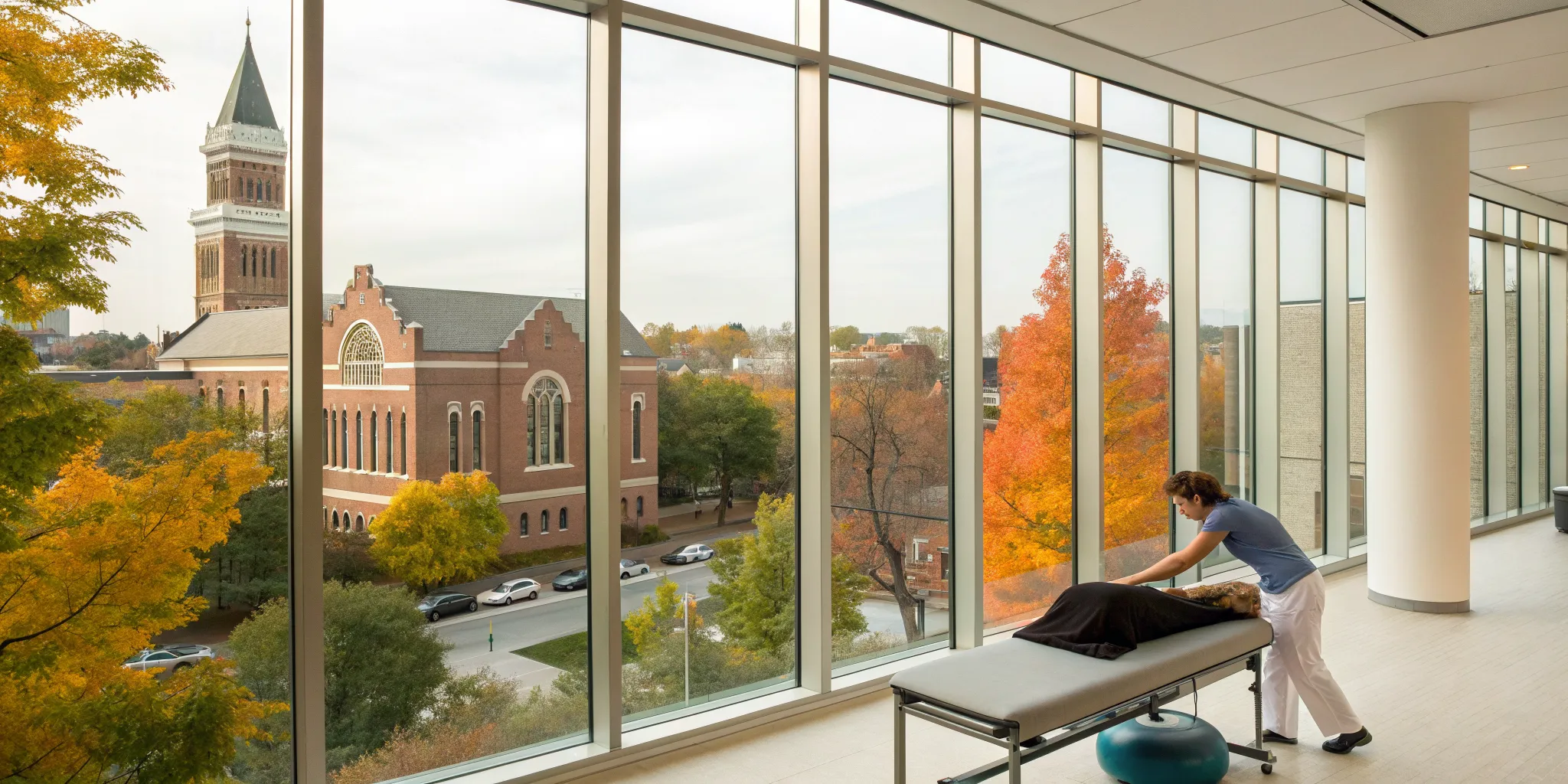

Living with a herniated disc is a frustrating cycle. You find temporary relief, but that sharp, debilitating pain always returns. Why? Because the root cause—a structural imbalance putting constant pressure on your spine—is still there. True healing begins when we correct that imbalance so your body can finally heal itself. This is the foundation of modern, non-surgical herniated disc relief in Ann Arbor. Instead of just masking symptoms, this approach provides a path to lasting wellness, helping you break free from pain and build a stronger, more resilient body.
Think of the discs in your spine as tiny jelly donuts, with a soft center and a tougher outside. According to the Cleveland Clinic, a herniated disc happens when that soft, jelly-like center pushes out through a crack in the tougher exterior. This bulge can press on your spinal cord and the nerves around it, causing a range of uncomfortable and often painful symptoms. This can happen suddenly from an injury, like lifting something too heavy, or it can develop gradually over time from general wear and tear. Understanding what’s happening inside your body is the first step toward finding a solution that addresses the root of the problem instead of just chasing the pain.
A herniated disc can be caused by a single event or develop slowly over time. An acute injury, such as a fall, a car accident, or improperly lifting a heavy object, can put sudden, excessive strain on your spine, causing a disc to rupture. More often, however, herniation is the result of gradual, age-related wear and tear known as disc degeneration. As we age, our spinal discs lose some of their water content, making them less flexible and more prone to tearing or rupturing with even a minor strain or twist. Repetitive motions, a sedentary lifestyle, or maintaining poor posture for long periods can also contribute to this gradual breakdown, eventually leading to a herniation.
The symptoms of a herniated disc largely depend on where the affected disc is located and whether it's pressing on a nerve. You might feel pain, numbness, or weakness in your back, neck, arms, or legs. It’s a common misconception that the pain is always felt at the site of the injury. Because the disc can compress nerves that travel to other parts of your body, you might experience symptoms far from your spine. Recognizing these signs and understanding the factors that put you at risk can help you seek the right care sooner and make lifestyle changes to support your spinal health for the long haul.
If the herniated disc is in your neck (cervical spine), you'll likely feel pain in your shoulder and arm. This pain might shoot down your arm when you cough, sneeze, or move into certain positions. You could also experience numbness or tingling in your fingers. When the herniation is in your lower back (lumbar spine), the pain often affects your buttocks, thigh, and calf. This is frequently referred to as sciatica, a sharp, shooting pain that travels along the path of the sciatic nerve. You might also have numbness or weakness in your leg or foot, making it difficult to walk or stand.
While some risk factors like age and genetics are out of your hands, many are within your control. Being overweight puts extra stress on the discs in your lower back, increasing your risk of herniation. Similarly, a sedentary lifestyle and sitting for long periods can weaken your back and core muscles, which are essential for supporting your spine. Smoking is another significant factor, as it lessens the oxygen supply to your discs, causing them to break down more quickly. By focusing on maintaining a healthy weight, staying active, and practicing good posture, you can significantly reduce your risk and support your overall spinal health.
Getting an accurate diagnosis is the most critical step toward effective treatment. A vague diagnosis often leads to generic treatments that only mask the symptoms. A thorough evaluation is needed to pinpoint the exact location and severity of the herniation, which allows for a targeted care plan. This process usually starts with a detailed physical exam and may include advanced imaging to get a clear picture of what’s happening with your spine. At Lazar Spinal Care, our comprehensive diagnostic process is designed to uncover the root cause of your issue, ensuring your treatment is precise and effective from day one.
During a physical exam, your doctor will check your back for tenderness and assess your posture and range of motion. They will also perform a neurological exam to test your reflexes, muscle strength, walking ability, and your ability to feel light touches, pinpricks, or vibration. One common test is the straight-leg raise, where you lie on your back while the doctor slowly lifts your affected leg. If this movement causes pain that runs down your leg, it’s a strong indicator of a herniated disc in your lower back. These hands-on tests provide valuable clues about which nerves are being affected.
While a physical exam is revealing, imaging tests are often needed to confirm the diagnosis. An MRI is the most common and effective tool for visualizing the soft tissues of your spine, clearly showing the location and size of a herniated disc and which nerves are impacted. X-rays can’t detect a herniated disc itself, but they can be used to rule out other potential causes of your pain, like a fracture or tumor. In some cases, a CT scan or an electromyogram (EMG) might be used to assess the electrical activity in your nerves and muscles to determine the extent of any nerve damage.
When you’re dealing with the acute pain of a herniated disc, finding immediate relief is your top priority. While these at-home strategies won't fix the underlying structural problem, they can help manage your discomfort and reduce inflammation, making it easier to function as you begin to seek professional care. These simple, actionable steps can provide temporary relief and are a good first line of defense against unbearable pain. However, it's important to remember that they are meant to be a bridge to a more permanent solution. If your pain is severe or persistent, it's always best to schedule an evaluation to address the root cause.
Knowing when to use ice versus heat is key for effective pain management. For the first 48 hours after the pain starts, stick with cold therapy. Applying an ice pack wrapped in a towel to the painful area for 15-20 minutes every couple of hours can help reduce swelling and numb the sharp pain. After the initial two days, you can switch to heat. A heating pad or warm compress applied for 15-20 minutes can help relax tight muscles, ease spasms, and improve blood flow to the area, which promotes healing. Alternating between cold and heat can also be effective for some people.
Over-the-counter (OTC) pain relievers can be a helpful tool for managing herniated disc pain in the short term. Nonsteroidal anti-inflammatory drugs (NSAIDs) like ibuprofen or naproxen can help reduce both pain and inflammation. Acetaminophen is another option that focuses solely on pain relief. Topical relievers, such as creams or patches containing menthol or lidocaine, can also provide localized relief by numbing the area. While these medications can make you more comfortable, they don’t address the mechanical pressure on your nerve, so they shouldn't be relied upon as a long-term solution.
A warm bath can do wonders for tight, spasming muscles that often accompany a herniated disc. Soaking in warm water helps increase circulation and soothe sore tissues. For an added therapeutic effect, try adding Epsom salts to your bath. Epsom salt is rich in magnesium, which is known to help reduce inflammation and relax muscles. This simple ritual can provide a gentle, calming form of pain relief, especially at the end of a long day when your back and neck muscles are feeling particularly tense. Just be careful getting in and out of the tub to avoid any sudden, painful movements.
While most herniated disc symptoms can be managed initially, some are red flags that require immediate medical attention. According to the Cleveland Clinic, you should see a doctor right away if your pain gets progressively worse, or if you develop increasing numbness or weakness in your arms or legs. The most serious warning sign is a loss of bladder or bowel control, which indicates a rare but serious condition called cauda equina syndrome that requires emergency surgery. If your symptoms are severe, interfere with your daily life, or don't improve after a few weeks, it's time to seek professional care.
When at-home care isn't enough, many people turn to conventional medical treatments. This path typically involves medications, injections, and in some cases, surgery. These treatments are primarily focused on managing inflammation and masking pain signals. While they can provide significant relief for some, they often act as a temporary fix rather than a permanent solution because they don't correct the underlying structural problem causing the disc to bulge in the first place. Understanding these options is important, as it helps you make an informed decision about your care and compare them to alternative approaches, like the gentle, corrective techniques we use to restore proper alignment.
If over-the-counter medications aren't cutting it, your doctor may prescribe stronger options to manage your symptoms. These can range from oral medications that relax muscles and calm nerve pain to direct injections that deliver powerful anti-inflammatory medicine right to the source of the problem. The goal of these treatments is to break the cycle of pain and inflammation, giving your body a chance to heal. While they can be very effective for short-term relief, they often come with potential side effects and are not intended for long-term use. They are a tool to manage a crisis, not a cure.
To combat the painful muscle spasms that often accompany a herniated disc, doctors may prescribe muscle relaxants. If the pain is primarily nerve-related, characterized by burning or shooting sensations, neuropathic drugs may be used to calm the irritated nerves. Oral corticosteroids are another option, offering a potent anti-inflammatory effect to reduce swelling around the nerve root. Each of these medications targets a specific symptom of the herniated disc, but they work by altering your body's chemistry rather than fixing the mechanical issue causing the pressure on the nerve.
For severe pain that doesn't respond to oral medications, an epidural steroid injection may be recommended. During this procedure, a strong anti-inflammatory medicine, a corticosteroid, is injected directly into the epidural space around your spinal cord and nerve roots. This delivers the medication right where it's needed, providing powerful and often rapid relief from inflammation and pain. The relief can last anywhere from a few weeks to several months. However, the number of injections you can receive is limited due to potential side effects, and they do not solve the underlying cause of the disc herniation.
Surgery is typically considered a last resort for herniated discs, reserved for cases where conservative treatments have failed to provide relief after an extended period, usually at least six weeks. It's also necessary in rare, emergency situations where there is evidence of severe nerve compression, such as progressive muscle weakness or loss of bladder or bowel control. The decision to have surgery is a significant one and should be made after careful consideration and discussion with your doctor. The primary goal of surgery is to take the pressure off the compressed nerve root, thereby relieving the pain and restoring function.
The most common surgery for a herniated disc is a microdiscectomy. In this minimally invasive procedure, a surgeon removes the portion of the disc that is pressing on the nerve. This is often very effective at relieving leg pain (sciatica) caused by the nerve compression. In some cases, particularly if the spine is unstable, a spinal fusion may be performed along with or after the discectomy. This involves fusing two or more vertebrae together to eliminate motion between them. While surgery can be the right choice for some, it comes with inherent risks and a significant recovery period.
If you’re dealing with the sharp, radiating pain of a herniated disc, you might think surgery is your only path to relief. The good news is that there are powerful, non-invasive treatments available right here in Ann Arbor that can help your body heal naturally. The key is to find a solution that addresses the root cause of the problem instead of just masking the symptoms. A comprehensive approach combines gentle, precise adjustments with advanced healing technologies and supportive therapies to create a personalized recovery plan. By focusing on restoring your body's structural balance, you can find lasting relief and get back to the activities you love without going under the knife. Let’s explore some of the most effective non-surgical options for herniated disc recovery.
When you think of chiropractic care, you might picture twisting or popping, but modern techniques are much more gentle and precise. At Lazar Spinal Care, we use an advanced approach called Quantum Spinal Mechanics (QSM3), which focuses on restoring your body’s balance with light, specific adjustments. This method helps correct the alignment of your entire spine, starting from the top of your neck. By doing so, it releases tension and pressure on the affected nerves and discs. This process allows your body’s natural healing abilities to take over, providing relief from pain and helping to prevent the issue from getting worse over time.
Spinal decompression is another non-surgical treatment that many people find helpful for herniated disc pain. This therapy involves gently stretching the spine using a specialized table. This stretching creates a vacuum effect within the discs, which can help draw the bulging or herniated material back into place and away from the nerves. It’s a safe, comfortable, and drug-free option that promotes the flow of water, oxygen, and nutrient-rich fluids into the discs so they can heal. This gentle process can provide significant relief from the pressure and pain caused by a herniated disc.
To support your body’s healing process, we often incorporate advanced technologies into our treatment plans. Our Laser Therapy uses specific wavelengths of light to penetrate deep into damaged tissues, which helps reduce inflammation and accelerate cellular repair. Similarly, Tissue Regenerative Technology (TRT) uses sound waves to stimulate the body's natural healing mechanisms, improving circulation and promoting the regeneration of healthy tissue. These non-invasive therapies work alongside your chiropractic adjustments to speed up recovery, reduce pain, and help you heal more completely from a herniated disc.
Physical therapy is a crucial part of a well-rounded recovery plan for a herniated disc. A physical therapist can design a personalized program of exercises and stretches to strengthen the core muscles that support your spine. This added stability helps take the pressure off your discs and reduces the risk of future injury. The goal is to restore your normal range of motion, teach you how to move safely, and get you back to your daily activities without pain. When combined with chiropractic care, a custom rehabilitation plan ensures you are not only healing but also building a stronger, more resilient body.
While targeted chiropractic care is essential for correcting the structural cause of your herniated disc, incorporating other therapies can significantly support your healing process. Think of these as powerful allies in your recovery journey. They can help manage pain, reduce muscle tension, and improve your overall sense of well-being while your body heals. Combining different approaches creates a more holistic plan that addresses your symptoms from multiple angles, making your primary treatments even more effective. This comprehensive strategy ensures you're not just fixing the problem but also nurturing your body back to full health.
Acupuncture is a well-known therapy that can be particularly helpful for the chronic pain associated with a herniated disc. This practice involves stimulating specific points on the body to help ease chronic back and neck pain and encourage natural healing. Similarly, massage therapy offers a great way to find short-term relief by relaxing tight muscles and improving circulation to the affected area. A specialized form called myofascial release can be especially effective, as it focuses on releasing tension in the connective tissues surrounding your muscles. When paired with your structural correction plan, these therapies can help manage discomfort and speed up your recovery, allowing you to feel better faster.
Effective treatment always starts with a precise diagnosis. Before we begin any care, it’s essential to understand exactly what’s causing your herniated disc. We use advanced diagnostic tools like PostureIQ™ and Insight™ neurological scans to get a complete picture of your spinal health. These scans allow us to see how your posture and nervous system are functioning, pinpointing the exact areas of imbalance and stress. This detailed information helps us create a tailored treatment plan that addresses the root of the problem, ensuring the care you receive is as effective as possible. You can learn more about our comprehensive evaluation process for new patients.
If you’re weighing your options for a herniated disc, you might be wondering if non-surgical treatment actually works. The answer is a resounding yes. Many people find significant, lasting relief through gentle, targeted care that addresses the root cause of their pain instead of just masking the symptoms. This approach focuses on helping your body heal itself, which can reduce pain, improve mobility, and get you back to doing what you love without the risks and long recovery times associated with surgery. By creating a personalized plan that combines advanced techniques with supportive lifestyle adjustments, we can help you find a path to recovery that feels right for you.
When you're in pain, you want to know that relief is possible, and soon. The good news is that recent research is incredibly encouraging. One 2024 study found that patients saw a 90% improvement in their symptoms after only two months of chiropractic care. Even more impressive, the size of the disc herniation itself was reduced by nearly 30%. This means you could feel significantly better and experience real, structural healing in a relatively short time. While every person’s recovery journey is unique, these results show that gentle, targeted care can make a powerful difference for many of the conditions we help with.
When you think of chiropractic care, you might picture twisting or popping, but modern techniques are often much more precise. For herniated discs, the goal is to gently relieve pressure on the affected nerve. That’s where specialized methods like Quantum Spinal Mechanics (QSM3) come in. Unlike general spinal adjustments, QSM3 is a highly specific and gentle technique that focuses on restoring your body’s balance from the top down. By making precise corrections to the upper cervical spine, we can create a chain reaction that helps the entire body align properly. This takes the pressure off the damaged disc, allowing it to heal naturally without forceful manipulation.
The goal of non-surgical treatment isn’t just to patch up your symptoms for a few weeks. It’s about creating lasting change so you can get back to your life without pain. For many people, consistent chiropractic care is the key to managing a herniated disc and preventing the problem from getting worse. By addressing the root structural issue, we can help your body heal itself and maintain proper alignment. This proactive approach often makes surgery completely unnecessary. Instead of a temporary fix, you get a strategy for long-term wellness. We want to help you build a foundation for a healthy, active future, free from the limitations of chronic pain. You can learn more about our approach on our new patient page.
How do we know the treatment is working? We don’t guess, we measure. A data-driven approach is essential for getting you the best results. Studies show that over 76% of patients report a significant drop in pain with chiropractic care, and we believe that tracking progress is a huge part of that success. At our clinic, our advanced techniques include diagnostic tools like PostureIQ™ and Insight™ neurological scans to get a clear picture of your spinal health. These scans allow us to pinpoint the exact source of the problem and monitor your healing every step of the way. This information helps us tailor your treatment plan, ensuring you’re always getting the most effective care for your specific needs.
Walking into a new doctor's office can feel a little overwhelming, especially when you're already dealing with pain. We get it. That's why we've made our first visit process straightforward and focused entirely on you. Our goal is to uncover the root cause of your herniated disc pain and show you a clear path toward relief. Here’s a step-by-step look at what you can expect when you come in for your first appointment.
Your journey to relief starts with a conversation. We’ll sit down with you to discuss your health history, your symptoms, and how this pain is affecting your daily life. This is followed by a comprehensive evaluation to understand the specifics of your condition. We'll assess your posture, balance, and movement to see how your body is compensating for the herniated disc. This initial assessment is incredibly important because it helps us pinpoint the precise cause of your pain and rule out any other contributing factors. It’s the foundational step in building a plan that’s truly designed for you. Our entire new patient process is designed to be thorough and reassuring.
To see exactly what’s happening with your spine and nervous system, we use advanced diagnostic tools that go beyond a typical physical exam. Our NeuroBioStructural Analysis includes state-of-the-art assessments like PostureIQ™ and Insight™ neurological scans. These scans are completely painless and non-invasive. They provide us with detailed, objective data about your spinal alignment and nerve function. This allows us to identify the specific areas of stress and compression causing your herniated disc symptoms. Think of it as creating a precise map of your body’s structure, so we know exactly where to focus for the most effective and gentle care. This detailed picture ensures we aren't just guessing about your health.
Once we have all the information from your evaluation and scans, we’ll walk you through the results in a way that’s easy to understand. We believe you should be an active partner in your own health journey. Together, we will create a personalized treatment plan tailored to your specific findings and health goals. This plan will outline the recommended steps to correct the underlying structural issues, relieve the pressure on your disc, and help your body heal naturally. We’ll explain how our unique approach can help with the specific conditions you're facing and answer any questions you have. Your path to recovery is unique, and your care plan will reflect that.
After we’ve established your personalized plan, you’ll receive your first gentle treatment. We specialize in a technique called Quantum Spinal Mechanics (QSM3), which is a precise and light-touch method that doesn't involve any popping, cracking, or twisting. The goal is to restore your body’s balance and alignment, which takes the pressure off the compressed nerves and discs. Many of our patients begin to feel a sense of relief even after the first few sessions as their body starts to stabilize. While healing is a process, our focus is on providing immediate comfort while addressing the long-term structural problem for lasting results.
Your journey to healing doesn't stop when you leave our office. The choices you make every day play a vital role in supporting your recovery from a herniated disc. Think of your chiropractic care as the expert guidance that gets your body back on track, and these lifestyle adjustments as the daily habits that keep it there. By integrating these simple practices into your routine, you can help reduce inflammation, prevent re-injury, and speed up your body’s natural healing process. Let's walk through a few key areas where small changes can make a big impact.
When you’re in pain, the thought of exercise can be intimidating, but gentle, targeted movement is essential for recovery. The goal is to strengthen the core muscles that support your spine and improve flexibility without putting extra strain on the injured disc. We’ll work with you to create a personalized plan, but general principles include low-impact activities like walking or swimming. Strengthening your core and practicing good body mechanics can help stabilize your spine and reduce the chances of future issues. Our team is here to guide you on which movements will best support the unique conditions helped by our care.
One highly effective approach your physical therapist might use is the McKenzie Method, which is designed to “centralize” your pain. This means it uses specific, repeated exercises to gradually move the pain from your leg or arm back toward your spine. While that might sound strange, pain that's localized in your back is often much easier to manage and is a positive sign that the pressure on your nerve is decreasing. A therapist will teach you these movements so you can do them at home, giving you the power to actively manage your symptoms and support your body's healing process. This method is a great example of how targeted exercises can complement your in-office care, helping you find relief and build a stronger spine without relying on medication or surgery.
How you sit, stand, and work all day long has a direct effect on your spinal health. Poor posture, especially slouching at a desk, increases pressure on your lumbar spine and can aggravate a herniated disc. You can make a significant difference with a few simple ergonomic adjustments. Try to sit with your feet flat on the floor, keep your monitor at eye level, and use a chair that supports the natural curve of your lower back. Taking short breaks every hour to stand up and stretch can also provide immense relief. These small habits reduce daily stress on your spine, supporting your long-term recovery.
Beyond healing your current injury, the ultimate goal is to build a resilient spine that supports you through daily life. This comes down to a few key habits that protect your back from unnecessary strain. Always use proper lifting techniques by bending at your knees, not your waist, and letting your strong leg muscles do the work. Maintaining a healthy weight is also crucial, as it reduces the constant pressure on your spinal discs. Of course, practicing good posture while sitting, standing, and walking helps keep everything in alignment. Finally, make time for regular stretching, especially if you have a desk job. These simple, consistent efforts are your best defense against future pain and injury.
What you eat can either fuel inflammation or fight it. For a herniated disc, reducing inflammation is a key part of managing pain and promoting healing. You can support your body’s recovery process by focusing on an anti-inflammatory diet. This means incorporating plenty of fruits, vegetables, whole grains, and healthy fats rich in omega-3s, like salmon and walnuts. At the same time, try to limit processed foods, sugary drinks, and refined carbohydrates, which can contribute to inflammation. A nutrient-rich diet gives your body the building blocks it needs to repair damaged tissue and feel its best.
Never underestimate the power of rest and relaxation in your recovery. Your body does most of its healing while you sleep, so prioritizing 7-9 hours of quality rest is crucial. Finding a comfortable sleeping position that keeps your spine aligned, like sleeping on your back with a pillow under your knees, can make a world of difference. Similarly, chronic stress can tense your muscles and slow down healing. Simple practices like deep breathing, meditation, or gentle walks can help manage stress levels. Hearing from others who have found relief can also be reassuring; you can read their patient reviews to see what’s possible.
I'm worried about chiropractic adjustments making my herniated disc worse. Is your treatment safe? That's a completely valid concern. Many people associate chiropractic care with forceful twisting or popping, but our approach is entirely different. We use a gentle and precise technique called Quantum Spinal Mechanics (QSM3) that doesn't involve any of that. The adjustments are light and focus on restoring your body's overall balance, which helps to gently take pressure off the affected disc and nerves instead of aggravating them. It's a safe method designed to work with your body's natural healing process.
How soon can I expect to feel relief from my herniated disc pain? While everyone's healing journey is unique, many of our patients report feeling a noticeable improvement within the first few visits. The goal is to provide immediate comfort while also addressing the underlying structural problem for long-term results. Research has shown that this kind of targeted care can lead to significant symptom improvement within a couple of months, so consistent progress is definitely the goal.
What makes your approach different from traditional chiropractic care for herniated discs? Our primary focus is on identifying and correcting the root cause of your herniated disc, not just temporarily relieving the pain. We do this by using advanced diagnostic tools like PostureIQ™ and Insight™ scans to get a complete picture of your spinal and neurological health. This data allows us to use the QSM3 technique to make very specific, gentle corrections that restore your entire body's alignment, which is often a more comprehensive approach than general spinal adjustments.
Will I need to do anything at home to support my treatment? Yes, we see your recovery as a partnership. Your in-office care is designed to correct structural imbalances, and the lifestyle choices you make at home help maintain those corrections. We will guide you on simple, effective habits you can build, such as gentle exercises to strengthen your core, ergonomic adjustments for your workspace, and nutritional choices that help reduce inflammation. These steps empower you to take an active role in your healing and prevent future issues.
How do you know if the treatment is actually working? We don't rely on guesswork. We use a data-driven approach to track your progress every step of the way. The same advanced diagnostic scans we use in your initial evaluation are used periodically to measure changes in your posture and nervous system function. This gives us objective proof that your body is healing and allows us to make any necessary adjustments to your care plan, ensuring you get the best possible results.