.png?width=150&height=60&name=2026%20LSC%20Logo%20(2).png)
Back Pain


You know the cycle all too well. The pain flares up, you reach for a temporary fix, and for a little while, you feel better. But the relief never lasts because the underlying problem is still there. A herniated disc is a structural issue, and it requires more than just symptom management. True, lasting relief only comes from correcting the root cause. If you’re ready to break free from the pain cycle, you need a herniated disc specialist whose philosophy is focused on genuine, long-term wellness, not just quick fixes.
Living with a herniated disc can feel like a constant guessing game. Is this pain normal? Will it go away on its own? Knowing what to look for and when to seek professional help is the first step toward getting relief. A herniated disc, sometimes called a slipped or ruptured disc, happens when the soft, gel-like center of a spinal disc pushes through a tear in its tougher exterior. This can irritate nearby nerves, leading to pain, numbness, or weakness. While some discomfort might resolve with rest, certain symptoms are clear signals that it’s time to see a specialist who can uncover the root cause of your pain.
The signs of a herniated disc can vary widely depending on where the disc is located and whether it's pressing on a nerve. You might feel a sharp, localized pain in your neck or back, but often the discomfort travels to other parts of your body. It’s common to experience pain that radiates into your arms, shoulders, or even your rib cage. If the herniated disc is in your lower back, you might feel sciatica—a shooting pain that travels down your leg. Beyond pain, you may also notice numbness, tingling, or weakness in your arms or legs. Some people find their reflexes are slower than usual.
While a herniated disc can happen anywhere along your spine, they’re most often found in the neck and lower back. These areas are the workhorses of the spine, handling the most movement and supporting your body’s weight, which makes them more vulnerable to injury. When a disc herniates in your neck, the pressure on a nerve can cause sharp or burning pain that travels into your shoulder and down your arm. You might also notice numbness, tingling, or even weakness in your hand, making it hard to grip things. A herniated disc in the lower back is a classic cause of sciatica—that unmistakable shooting pain that runs from your buttock down the back of one leg.
If your pain is minor, a few days of rest might be all you need. However, you should schedule a visit if the pain is persistent, lasting for several weeks, and starts interfering with your daily life, like your ability to work or sleep. Don’t wait for the pain to become unbearable. It’s especially important to seek professional care if you notice escalating symptoms like increasing numbness, significant muscle weakness, or problems with your balance. At Lazar Spinal Care, our goal is to find and address the underlying issue, providing a path toward lasting wellness. If you experience severe symptoms like loss of bladder or bowel control, seek emergency medical attention immediately.
If you’re dealing with the pain and frustration of a herniated disc, it might feel like a lonely battle, but the reality is that this is a very common condition. Research shows that each year, about 5 to 20 out of every 1,000 adults experience a herniated disc. It’s most frequently seen in people between the ages of 30 and 50, and it tends to affect men more often than women. These numbers aren't meant to minimize your experience but to reassure you that you aren't alone. Because it's a well-known issue, there are effective and established ways to address the problem at its source, helping you get back to living your life without constant discomfort.
The statistics on recovery are incredibly encouraging and offer a lot of hope. The vast majority of people find relief without resorting to invasive procedures. In fact, studies show that around 90% of individuals with a herniated disc in the lower back (specifically the L4-L5 region) recover significantly within about six weeks of starting conservative care. This highlights the power of treatments that focus on correcting the body's underlying structural and neurological imbalances. By addressing the root cause of the pressure on your nerves, your body is given the opportunity to heal itself, leading to lasting wellness instead of a temporary fix that only masks the symptoms.
When you’re dealing with the pain of a herniated disc, figuring out who to see can feel overwhelming. The good news is that several types of specialists can help, each with a unique approach. Your journey to relief might involve one or a combination of these experts, depending on your specific symptoms and the root cause of your issue. Understanding what each specialist does is the first step toward building the right care team for you.
A chiropractor is often a great starting point for herniated disc pain. Their focus is on improving your body's structure to enhance its function, all without drugs or surgery. Through gentle adjustments, they work to restore proper spinal alignment, which can take pressure off the affected nerve and disc. At Lazar Spinal Care, we use specific, non-invasive techniques like QSM3 to address the underlying structural shifts that contribute to problems like herniated discs. This approach aims to provide not just temporary relief but also long-term stability, helping your body heal itself. It’s a conservative and effective way to manage symptoms and correct the source of the problem.
Think of a physical therapist as your movement coach. While a chiropractor focuses on spinal alignment, a PT helps you strengthen the muscles that support your spine. They will guide you through a personalized program of exercises and stretches designed to improve your flexibility, stability, and posture. This rehabilitation is crucial for preventing future injuries and managing daily activities without pain. By building a stronger core and back, you create a better support system for your spine, which can significantly reduce the strain on your discs. Physical therapy often works hand-in-hand with chiropractic care to provide comprehensive and lasting results.
You might not be as familiar with physiatrists, but they are specialists in Physical Medicine and Rehabilitation (PM&R) who play a key role in non-surgical spine care. Their main goal is to restore your functional ability and improve your quality of life by creating a comprehensive treatment plan tailored to your specific needs. A physiatrist can help you understand the wide array of treatment options available, from targeted injections that reduce inflammation to prescribing physical therapy. They act as a guide in your recovery, coordinating different therapies to manage your pain and improve your function, ensuring you have a clear path forward that prioritizes healing without immediately resorting to surgery.
If your pain is severe and interfering with your daily life, a pain management specialist can offer options for immediate relief. These doctors focus on managing symptoms, often using treatments like epidural steroid injections to reduce inflammation and numb the pain around the affected nerve. While these methods don't typically fix the underlying structural problem causing the herniated disc, they can provide a crucial window of relief. This break from intense pain can make it possible for you to engage more effectively in other corrective treatments, such as chiropractic adjustments and physical therapy, that address the root cause.
Surgery is usually considered a last resort, reserved for cases where conservative treatments haven't provided enough relief or when there's evidence of significant nerve compression. An orthopedic spine surgeon is the specialist who performs these procedures. They can remove the portion of the disc that is pressing on the nerve, an operation called a microdiscectomy. According to the Mayo Clinic, surgeons often use minimally invasive techniques to speed up recovery. If you're experiencing progressive muscle weakness or loss of bladder control, your primary doctor will likely refer you to a surgeon right away.
You might hear both "orthopedic surgeon" and "neurosurgeon" mentioned for spine issues, and it can be confusing to know which is the right choice. While both are qualified to perform surgery for a herniated disc, their training comes from different perspectives. Orthopedic surgeons specialize in the musculoskeletal system—your bones, joints, and ligaments. Neurosurgeons, on the other hand, focus on the nervous system, which includes the brain, spinal cord, and nerves. When it comes to the spine, their expertise overlaps. The main difference is often in their specialized training; neurosurgeons typically have more in-depth exposure to conditions inside the spinal canal, while orthopedic surgeons have a broader background in bone and joint reconstruction. For most common herniated disc procedures, the most important factor isn't the title but finding a surgeon from either specialty who focuses heavily on the spine and has a strong track record of success.
A herniated disc is fundamentally a nerve problem—the disc material is pressing on a nerve, causing pain, numbness, or weakness. A neurologist specializes in the health of the nervous system. They can perform diagnostic tests, like an EMG or nerve conduction study, to determine the extent of any nerve damage. While they don't perform surgery, they play a key role in diagnosing the issue and often work with other specialists, like surgeons and chiropractors, to create a complete treatment plan. If your symptoms include significant weakness or numbness, a neurologist can provide valuable insight into your condition.
Finding the right specialist is a huge step, but true healing often requires more than one perspective. Your body is an interconnected system, and a problem like a herniated disc can have ripple effects. That’s why a comprehensive care approach—one that brings together different experts who can see your health from multiple angles—is so effective. It’s about building a team that works together to not only relieve your pain but also to address the root cause and strengthen your body against future issues. This collaborative strategy ensures that every aspect of your condition is considered, leading to a more complete and lasting recovery.
Think of it like solving a complex puzzle. A chiropractor can adjust your spine to relieve nerve pressure, a physical therapist can teach you exercises to build stability, and a pain management doctor can offer immediate relief so you can engage in those other therapies. When these professionals communicate and work in concert, you get a treatment plan that’s far more powerful than any single approach. As experts from the Weill Cornell Medicine Brain and Spine Center note, a full team of specialists can create a more robust path to recovery. At Lazar Spinal Care, we often serve as the foundational piece of that team, using our specialized techniques to correct the structural issues that allow other therapies to be more effective.
An advanced spine center isn’t just about having a team; it’s about having a team that uses precise, modern tools to get to the heart of the problem. Guesswork has no place in your health journey. That’s why we use advanced diagnostic assessments, like PostureIQ™ and Insight™ neurological scans, to get a clear and objective picture of your spinal health. This detailed analysis allows us to create a truly customized care plan that addresses your body’s specific needs. Getting this kind of expert care early on can make a significant difference, helping to prevent the problem from getting worse and setting you on a faster path to healing. For new patients, this comprehensive evaluation is the first step toward lasting relief.
This is a question we hear all the time, and the answer is often yes—with the right support. Research from the Mayo Clinic shows that most people with a herniated disc get better within a few weeks with conservative care, and very few actually need surgery. "Healing on its own" doesn't mean ignoring the problem; it means creating the ideal conditions for your body to repair itself. That’s exactly what our approach is designed to do. By using gentle, non-invasive methods to correct the underlying structural misalignments, we take the pressure off the disc and nerves. This allows your body’s natural healing processes to take over, providing a path to recovery that avoids medication and surgery and focuses on long-term wellness.
Finding a specialist is easier with online resources. While directories are a good starting point, the real insight comes from patient stories. Reading about the experiences of others gives you a genuine feel for a clinic’s approach and the results they deliver. While a specialist’s website lists their services, patient reviews show you how they care for people. Look for comments about the office environment and communication style. This feedback is invaluable for finding a team you can trust with your health.
Your primary care physician (PCP) is another excellent resource. They understand your overall health and can often recommend a specialist who aligns with your needs. Think of their referral as a trusted starting point. However, it’s still important to do your own follow-up research. A referral is a great endorsement, but you need to make sure the specialist’s philosophy feels right for you. Use the referral as a lead, then continue exploring to ensure you’ve found the perfect fit for your healing journey.
Once you have a few names, take a moment to look into their qualifications. You want to see that they have the right training and are committed to staying current in their field. Look for board certifications and any specialized training in advanced methods. For example, some chiropractors pursue extra qualifications in specific, gentle techniques designed to address the root cause of spinal issues. Learning about our techniques can give you an idea of what to look for. This step is about being an informed partner in your own healthcare.
For surgeons, hospital affiliations are key, but for non-invasive specialists, it’s more about the clinic itself. Is the office welcoming and equipped with modern technology? Don’t underestimate the importance of location, either. When you’re dealing with pain from a herniated disc, a stressful commute is the last thing you need. Choosing a specialist who is easy to get to can make a big difference in your ability to stick with your treatment plan. A calm, accessible environment helps set the stage for healing and makes your recovery process smoother.
Once you have a list of potential specialists, it’s time to dig a little deeper. Finding the right fit goes beyond credentials; it’s about finding a partner in your health journey. Consider these key factors to ensure you’re choosing a provider who aligns with your needs and can guide you toward effective, long-term relief.
Every specialist has a unique approach to care. Do they immediately suggest medication or surgery, or do they prioritize less invasive options first? Many people believe surgery is the only real fix for a herniated disc, but there are highly effective, non-invasive approaches. Look for a specialist whose philosophy centers on finding and addressing the root cause of your pain, not just masking the symptoms. A provider who explores options like targeted chiropractic care or spinal decompression first is often focused on your body’s natural ability to heal. This approach can help you avoid unnecessary procedures and find lasting wellness.
General back pain is one thing, but a herniated disc requires specific expertise. You want a specialist who has extensive experience treating your exact condition. Living with a herniated disc can be challenging, but the right provider can make all the difference in managing it effectively. When researching, look for information on their website or ask their office directly about their experience with herniated discs. A specialist who frequently treats this issue will have a deeper understanding of its complexities and be better equipped to create a treatment plan that truly works for you. You can often find a list of conditions helped on a clinic's website.
An accurate diagnosis is the bedrock of a successful treatment plan. A standard physical exam that checks your reflexes and muscle strength is a good start, but modern technology can offer a much clearer picture of what’s going on. Ask potential specialists what diagnostic tools they use. Clinics that invest in advanced assessments like digital postural analysis or neurological scans can pinpoint the precise source of the problem. This detailed insight allows for a more targeted and effective treatment plan, moving beyond guesswork to get you on the path to recovery faster.
Navigating the financial side of healthcare can be stressful, so it’s best to address it upfront. Before booking an appointment, call the office to verify that they accept your insurance plan. If they are out-of-network, ask about self-pay options or if they offer payment plans. While cost is a valid concern, remember that the most expensive option isn't always the best. Non-surgical treatments are often more affordable and can prevent the need for costly procedures down the road. Getting clarity on the financial details early on will allow you to focus on what truly matters: your healing.
Your specialist should be someone you trust and feel comfortable with. A great doctor is one who listens to your concerns, answers your questions thoroughly, and explains things in a way you can understand. You should feel like a respected partner in your own care. One of the best ways to get a sense of a specialist’s communication style is by reading patient reviews. Look for comments about their bedside manner and how they interact with patients. Testimonials often reveal whether a doctor takes the time to build a supportive and trusting relationship, which is essential for a positive healing experience.
When you're dealing with the pain and discomfort of a herniated disc, it can feel like your options are overwhelming. The good news is that there are many paths to relief, ranging from gentle, non-invasive care to surgical procedures. The right approach for you depends on the severity of your symptoms and your overall health. Most experts recommend starting with conservative treatments before considering more invasive options. Understanding the full spectrum of care can help you make an informed decision about your health and find a treatment plan that addresses the root cause of your pain, not just the symptoms.
For many people, chiropractic care is an effective first step for treating a herniated disc. This natural, non-surgical approach focuses on restoring proper alignment to the spine, which can take pressure off the affected nerve and disc. At Lazar Spinal Care, we use a highly specific and gentle technique called Quantum Spinal Mechanics (QSM3) to correct the foundational structure of the body. By addressing misalignments in the upper cervical spine, we can help the entire body regain its balance, often leading to significant relief from the pain, numbness, and tingling associated with a herniated disc. This method gets to the root of the problem without any popping, twisting, or cracking.
At Lazar Spinal Care, we believe in addressing the root cause of herniated disc pain rather than merely masking the symptoms. Our approach is centered around non-invasive treatments that focus on restoring proper spinal alignment and enhancing your body's natural function. We see your body as an interconnected system, and our goal is to improve its structure so it can perform at its best—all without drugs or surgery. Through gentle, precise adjustments, we work to correct the foundational shifts that lead to pressure on your nerves and discs, paving the way for your body to begin its own healing process.
We utilize a highly specific and gentle technique called Quantum Spinal Mechanics (QSM3) to correct the body's core structure. By focusing on misalignments in the upper cervical spine, we can help the entire body regain its balance, which often leads to significant relief from the pain, numbness, and tingling associated with a herniated disc. This method provides more than just temporary relief; it aims for long-term stability. By correcting the source of the problem, we help you manage symptoms effectively and move toward genuine wellness. You can learn more about our techniques and how they support your body's healing.
Physical and massage therapies are excellent partners to chiropractic care. A physical therapist can guide you through specific exercises and stretches designed to strengthen the muscles that support your spine, improve your flexibility, and teach you how to move in ways that reduce pain. As the Mayo Clinic notes, this can be a key part of your recovery. Massage therapy complements this by helping to relieve muscle tension and soreness that often accompany a herniated disc. When used together, these rehabilitative therapies can help stabilize your spine, reduce inflammation, and support the adjustments made during your chiropractic appointments, speeding up your overall healing process.
Beyond chiropractic and physical therapy, other treatments can support your recovery from a herniated disc. Acupuncture, for example, has become a well-regarded, drug-free option for pain relief. Research shows that it can significantly reduce pain and improve muscle function, with one study finding it even more effective than traditional rehabilitation therapy for some patients. This approach can be a fantastic complement to your primary treatment, helping to manage pain while your body heals. Additionally, Cognitive Behavioral Therapy (CBT) can be a powerful tool for managing the chronic pain that often comes with a herniated disc. CBT helps you reframe your thought patterns around pain, building coping strategies that can improve your quality of life and resilience.
When pain is severe, some people turn to medications or injections for temporary relief. This can include over-the-counter pain relievers, anti-inflammatory drugs, or muscle relaxants prescribed by a doctor. For more targeted relief, a physician might recommend a cortisone injection near the spinal nerves to reduce inflammation and pain. While these methods can make you more comfortable, it's important to remember that they primarily mask the symptoms. They don't correct the underlying structural problem causing the herniated disc. Pain management can be a useful tool to get you through a particularly bad flare-up, but a long-term solution should focus on addressing the root cause.
When you visit a doctor for herniated disc pain, a common first step is to manage the immediate discomfort with medication. For mild to moderate pain, you'll likely be pointed toward over-the-counter options like Advil or Aleve. If your pain has that sharp, shooting quality characteristic of nerve irritation, a doctor might prescribe medications such as gabapentin to calm the nerve signals. Muscle relaxants are another tool used to ease the painful spasms that often accompany a herniated disc, though they can make you feel drowsy. In cases of severe pain, opioids may be used for a short period, but these are prescribed cautiously. It's important to view these medications as a way to get temporary relief, allowing you to function while you address the real issue—they manage symptoms but don't correct the underlying structural problem.
Between conservative care and major surgery lies a category of minimally invasive procedures. These treatments are designed to address the damaged disc directly but with smaller incisions, less risk, and faster recovery times than traditional surgery. For example, the Discseel® Procedure is a newer treatment that uses a biologic to seal tears in spinal discs, helping to resolve chronic back pain. These types of procedures are typically considered only after conservative treatments like chiropractic care and physical therapy haven't provided sufficient relief. They offer an intermediate step for those who may not be ready for or may not need a full surgical intervention.
Surgery is generally considered a last resort for herniated discs. In fact, only a small percentage of people actually require it. A surgeon might recommend an operation, such as a diskectomy to remove the protruding part of the disc, if you have debilitating pain that hasn't responded to months of conservative treatment. Surgery is also considered in more urgent cases involving significant nerve compression that causes progressive weakness, numbness, or loss of bladder or bowel control. While it can be an effective solution for the right candidate, most people find lasting relief through non-surgical methods that correct the problem without the risks and recovery time associated with an operation.
When surgery becomes the necessary path, two common procedures you might hear about are laminectomy and ACDF. A laminectomy involves a surgeon removing the back part of a vertebra, called the lamina, to create more space in the spinal canal. This helps to relieve pressure on the spinal cord or nerves, which is often the source of radiating pain. The other procedure, anterior cervical discectomy and fusion (ACDF), is typically used for herniated discs in the neck. During an ACDF surgery, the surgeon removes the damaged disc and fuses the adjoining vertebrae to stabilize the area. Both surgeries aim to fix the structural problem causing the pain, but they are significant interventions with different approaches and recovery timelines.
Walking into a new doctor’s office can feel a little intimidating, especially when you’re in pain. We get it. That’s why we’ve designed our first visit to be a clear, comfortable, and comprehensive experience focused entirely on you. Our main goal is to get to the bottom of what’s causing your discomfort so we can determine the best way to help. We promise that after your first visit, you’ll know whether your problem is something we can fix.
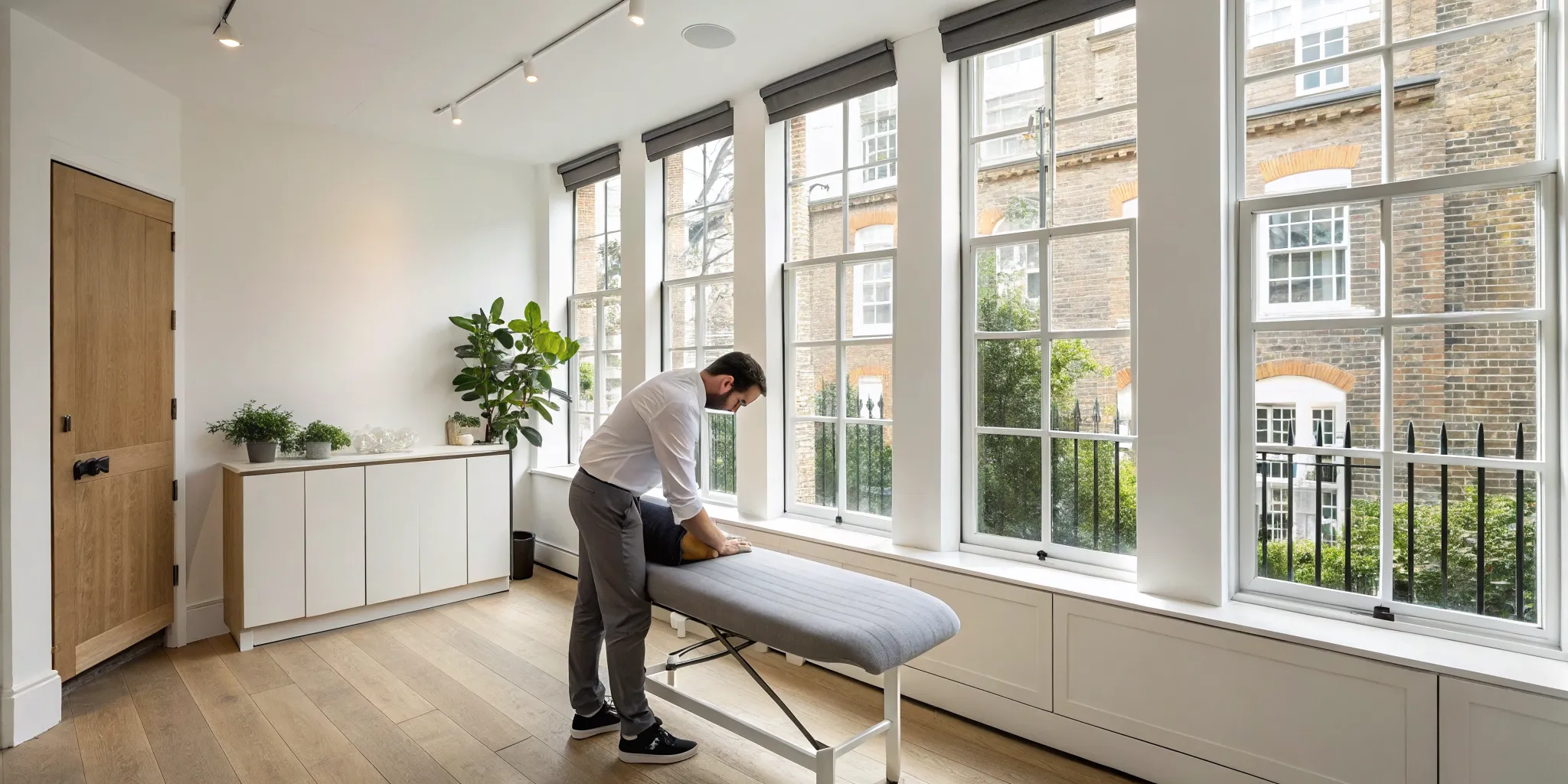
From the moment you step into our Ann Arbor clinic, you’ll see that we do things differently. We don’t just look at your symptoms; we look at your entire body’s structure and function to find the root cause. This initial appointment is all about discovery—for both of us. It’s your chance to tell us your story and our chance to use our expertise and advanced tools to figure out exactly what’s going on. Think of it as the first step toward getting back to a life with less pain and more freedom. We believe that true healing comes from understanding the complete picture, which is why we dedicate this time to a thorough investigation before any treatment begins.
The first thing we’ll do is sit down and talk. This conversation is one of the most important parts of your visit. We want to hear everything—when your symptoms started, what they feel like, and what makes them better or worse. We’ll also discuss your health history, any past injuries, and your lifestyle. This isn't just a checklist; it's a deep dive into your unique situation. By understanding the full picture, we can start connecting the dots between your history and your current health challenges. Our New Patients process is designed to be thorough because a precise diagnosis starts with a detailed understanding of you.
After our conversation, we’ll move on to a comprehensive physical and neurological exam. This helps us assess your posture, balance, reflexes, and range of motion. But we don't stop there. We use state-of-the-art technology to get objective data about how your body is functioning. Our advanced diagnostic assessments, including PostureIQ™ and Insight™ neurological scans, give us a precise look at your spinal alignment and nervous system. These tests are completely painless and non-invasive, but they provide critical information that helps us identify the underlying cause of your condition with incredible accuracy. This data-driven approach ensures we aren't just guessing about your health.
### The Diagnostic Process: Getting a Clear PictureIf your initial exam suggests a herniated disc, your specialist may recommend further testing to confirm the diagnosis and understand the full extent of the issue. This isn't about running unnecessary tests; it's about gathering precise information to create a treatment plan that is tailored specifically to you. Think of it like a detective gathering all the clues before solving the case. These diagnostic tools provide a detailed look inside your body, helping to pinpoint exactly where the problem is and which nerves are affected. This clarity is essential for choosing the most effective and least invasive path to relief.
Imaging tests are a common next step in diagnosing a herniated disc. While an X-ray is great for looking at bones and can help rule out other issues like fractures or tumors, it won't show the soft tissue of the disc itself. For a more detailed view, your doctor might order a CT scan or an MRI. As the Mayo Clinic explains, an MRI is particularly useful because it uses magnetic fields to create clear images of the spinal cord, nerves, and discs. This allows a specialist to see the exact location and size of the herniation, which is critical for determining the best treatment options for you.
When a herniated disc presses on a nerve, it can disrupt the signals traveling between your brain and your muscles. Nerve tests help measure the impact of this disruption. A nerve conduction study assesses how fast electrical signals move through a nerve, while an electromyogram (EMG) measures the electrical activity in your muscles. Together, these tests can confirm if a nerve is being compressed and determine the severity of the damage. This information is especially helpful for diagnosing radiating symptoms like sciatica or other forms of neuropathy, ensuring your treatment plan directly addresses the affected nerves for more effective healing.
Once we’ve gathered all your information from the consultation and diagnostic tests, we’ll put all the pieces together. We’ll explain our findings in a way that’s easy to understand, showing you exactly what’s happening inside your body. From there, we’ll discuss a personalized treatment plan tailored specifically to your needs and health goals. This plan will outline the steps we recommend to correct the root cause of your issue, not just mask the symptoms. Your path to recovery is a partnership, and we want you to feel confident and informed every step of the way. If you're ready to get answers, you can request an appointment with our team today.
Walking into your first appointment with a specialist can feel a little overwhelming, but a bit of preparation can make a world of difference. When you arrive ready to share your story, you help your doctor understand the full picture of what you’re experiencing. This partnership is the first step toward creating a treatment plan that truly addresses your needs and gets you on the path to recovery. Taking a few minutes to organize your thoughts and medical history ensures you make the most of your time and start your healing journey with confidence. Think of it as building the foundation for a successful outcome. The clearer the picture you can provide, the more tailored and effective your care will be.
To get the most out of your visit, be ready to talk about your pain in detail. Your specialist will want to know when it started, what you were doing, and how it impacts your daily life. Think about what makes the pain better or worse—does sitting for long periods aggravate it? Does a short walk provide some relief? It’s a great idea to jot these details down beforehand so you don’t forget anything important. Also, prepare a list of questions for your doctor. You might ask about the different treatment options, what to expect from them, and how you can support your own recovery at home. Feeling prepared can make your first visit much more productive, and our team is always ready to help new patients feel comfortable.
If you're considering surgery, it's essential to have a clear and open conversation with your surgeon. This is your opportunity to understand the procedure, the risks, and what to expect. Being prepared with the right questions will help you make an informed decision that you feel confident about. Before moving forward, make sure you ask about their experience with your specific condition, the potential success rates, and what the recovery process entails. It's also wise to discuss what non-surgical treatments they recommend trying first. A good surgeon will welcome your questions and provide thorough answers, ensuring you feel like a true partner in your own healthcare journey.
To get to the root of the problem, your specialist will need a detailed account of your symptoms. Being ready to answer their questions can help them form a more accurate diagnosis. They will likely want to know if the pain travels from your back into your arms or legs, a common sign of nerve irritation. They’ll also ask if you’ve experienced any numbness, tingling, or muscle weakness. Be prepared to discuss whether certain actions, like coughing or sneezing, make the pain worse. One of the most critical questions will be about any changes in your bowel or bladder habits, as this can indicate a more serious issue. Thinking through these details beforehand will help you provide a clear picture of your condition.
Before your appointment, take some time to pull together your relevant medical history. Be prepared to answer specific questions about your symptoms. For instance, does the pain travel down your arms or legs? Have you noticed any numbness or weakness? It’s also helpful to note if simple actions like coughing or sneezing make the pain worse. If you have any previous X-rays or MRI reports related to your back or neck, bring them with you. Providing a comprehensive overview gives your specialist critical insight into your condition and helps them understand how it connects to your overall health. Many different conditions can be related, and having all the information helps create a more accurate diagnosis.
It’s completely normal to feel anxious about a herniated disc and want immediate relief. However, it’s important to set realistic expectations for your recovery. The good news is that most people find significant improvement with conservative, non-invasive care, and surgery is rarely the first step. Healing is a process that takes time and consistency. Your body needs a chance to respond to treatment and build strength. At Lazar Spinal Care, we focus on gentle, precise techniques that address the root cause of the problem, supporting your body’s natural ability to heal. Patience and commitment to your personalized care plan are key ingredients for lasting wellness.
Do I need surgery for a herniated disc? This is one of the most common worries, and the short answer is probably not. Surgery is typically considered a last resort after all other options have been explored. The vast majority of people with herniated discs find lasting relief through non-invasive treatments that focus on correcting the underlying structural issue. The goal is to take pressure off the nerve and allow your body to heal itself, which can often be achieved without ever stepping into an operating room.
How is chiropractic care different from physical therapy for a herniated disc? Think of them as two essential parts of the same team. A chiropractor focuses on your body's alignment and structure, making precise adjustments to relieve pressure on the nerves and discs that are causing the pain. A physical therapist then steps in to help you build strength and stability in the muscles surrounding your spine. Chiropractic care addresses the root structural cause, while physical therapy helps you support and maintain that correction for the long haul.
Is it safe to see a chiropractor if I have a herniated disc? Yes, it is absolutely safe, provided you are seeing a specialist who uses modern, gentle techniques. The goal of chiropractic care for a herniated disc isn't to use forceful movements. Instead, a specialist will use precise and gentle adjustments to restore proper alignment and take pressure off the affected disc. This approach is designed to work with your body to create the right environment for healing.
How can I manage my pain at home while I'm getting treatment? Your specialist will give you personalized advice, but a few general tips can help. Try to avoid sitting for long periods, as this can put a lot of pressure on your lower back. Gentle movement, like short walks, can keep your joints mobile and prevent stiffness. Using an ice pack on the painful area for 15 minutes at a time can also help reduce inflammation. The most important thing is to listen to your body and avoid any activity that causes sharp pain.
Will I have to stop being active forever? Not at all. In fact, the entire goal of treatment is to help you get back to the activities you love, safely and without pain. While you may need to modify your routine during the initial healing phase, addressing the root cause of the herniated disc can ultimately make your body stronger and more resilient. Recovery is a process, but it’s one that should lead you back to an active and fulfilling life.
While professional care is essential for addressing the root cause of a herniated disc, the choices you make every day play a huge role in your recovery. Supporting your body between appointments can help manage pain, reduce inflammation, and create the best possible environment for healing. Think of it as being an active partner in your own wellness journey. Simple adjustments to your daily routine can make a significant difference in how you feel and how quickly you progress. By being mindful of your movements, rest, and nutrition, you can help your body heal more effectively and prevent future flare-ups.
When you’re in pain, it’s natural to want to protect your body, but knowing which movements to avoid is just as important as knowing which ones can help. During the healing process, it’s best to steer clear of any activities that twist your spine or create high impact. This includes things like full sit-ups, aggressive twisting stretches, or even a golf swing. High-impact exercises like running on hard surfaces or contact sports should also be put on hold. These movements can put extra stress on the already-injured disc, potentially worsening the problem and delaying your recovery. The goal is to give your spine a stable, calm environment to heal.
It might seem logical to stay in bed when your back hurts, but extended bed rest can actually do more harm than good. According to the Mayo Clinic, too much inactivity can lead to stiff joints and weak muscles, making your recovery more difficult. Instead of complete bed rest, focus on "active recovery." This means listening to your body and resting when you need to, but also incorporating gentle movement throughout your day. Short, frequent walks can help keep your muscles from getting too tight and encourage blood flow to the injured area, which is crucial for healing. The key is to find a balance between rest and gentle activity.
What you eat can have a direct impact on the inflammation levels in your body, which is a key factor in the pain associated with a herniated disc. You can support your body’s healing process by focusing on an anti-inflammatory diet. This means incorporating foods rich in omega-3 fatty acids, like salmon and walnuts, and using spices like turmeric, which is known for its anti-inflammatory properties. At the same time, try to limit processed foods, sugar, and refined carbohydrates that can contribute to inflammation. Staying well-hydrated is also critical, as your spinal discs need water to stay healthy and pliable. These simple dietary choices can help manage your symptoms from the inside out.
Your health is your most valuable asset, and you deserve to feel completely confident in the team you choose to guide your recovery. Making an informed decision about your care isn't just about finding a specialist with the right credentials; it's about finding a true partner who listens to your concerns, respects your goals, and empowers you with knowledge. When you feel like an active participant in your own healthcare, you're more likely to get the results you're looking for. Taking the time to ensure you're comfortable with your treatment plan and your provider is a crucial step toward lasting wellness.
If you ever feel uncertain about a diagnosis or a recommended treatment plan, seeking a second opinion is a smart and proactive step. This isn't about questioning a doctor's expertise; it's about gathering all the information you need to make the best possible decision for your health. A confident and capable specialist will always support your desire to be fully informed. Hearing another perspective can either confirm your current path or open your eyes to new, potentially less invasive options you hadn't considered. If you're looking for a second opinion that focuses on uncovering the root cause of your pain, our team is here to provide a comprehensive evaluation. You can request an appointment to see if our approach is the right fit for you.