.png?width=150&height=60&name=2026%20LSC%20Logo%20(2).png)
Back Pain

You've rested, iced, and stretched, but that nagging pain from your L4-L5 disc bulge just won't quit. It’s easy to feel like surgery is the only real answer when nothing else works. But what if common treatments only address the symptom, not the source? Your body is an interconnected system, and that pain in your lower back could be caused by an imbalance somewhere else entirely. This guide is for anyone ready to stop chasing temporary fixes. We'll show you how to find and correct the foundational problem for lasting relief—without surgery.
If you’re dealing with persistent lower back pain, you may have heard the term “L4-L5 disc bulge.” It sounds technical, but the concept is fairly simple. Your spine is made of a stack of bones called vertebrae, and your lower back, or lumbar spine, has five of them. An L4-L5 disc bulge occurs when the soft, cushion-like disc between your fourth and fifth lumbar vertebrae pushes outward from its normal space. Because this area of your spine bears a significant amount of your body’s weight and is highly mobile, it’s one of the most common places to experience this issue.
When the disc bulges, it can press on the surrounding nerves, leading to a range of uncomfortable symptoms like localized back pain, or pain that travels down your leg (sciatica). While the diagnosis can sound intimidating, it’s important to know that a disc bulge doesn’t automatically mean you’re headed for surgery. Many people find lasting relief through non-invasive, corrective care that addresses the root cause of the problem. Understanding what’s happening in your body is the first step toward getting the right help, and we welcome all new patients looking for answers.
Think of your spine as a series of building blocks (your vertebrae) stacked one on top of the other. In between each block is a soft, flexible cushion called an intervertebral disc. These discs have a tough outer layer and a gel-like center, acting as your body’s natural shock absorbers. They allow your spine to bend and twist while protecting it from the stress of daily activities like walking, running, and lifting. The lumbar spine, or lower back, is particularly hardworking, supporting much of your upper body weight. This constant pressure makes the discs in this area, especially the L4-L5 disc, more susceptible to wear and tear over time.
A disc bulge often develops gradually as part of the natural aging process. Over the years, your spinal discs can slowly lose water content and become less flexible, making them more likely to bulge. This is sometimes referred to as degenerative disc disease. However, age isn’t the only factor. A specific event, like lifting a heavy object incorrectly or experiencing a sudden twist, can cause a disc to bulge. Other contributing factors include poor posture, leading a sedentary lifestyle, or being involved in an auto accident. These situations can place uneven pressure on the spine, weakening the disc wall and allowing it to push outward.
The L4-L5 level is essentially the workhorse of your lower back. It sits at the base of your lumbar spine, supporting the majority of your upper body’s weight while also allowing for a wide range of motion, like bending at the waist and twisting from side to side. This combination of heavy load-bearing and high mobility makes it uniquely susceptible to stress and injury. Every time you lift something, sit for a long period, or even just walk, this specific disc is hard at work. Over time, this constant demand can lead to wear and tear, making it the most common site for disc problems that can significantly impact your daily life and activities.
Several factors can increase your risk of developing an L4-L5 disc bulge. Some are beyond our control, such as the natural aging process, which causes discs to lose hydration and flexibility, and genetics, which can predispose some families to disc issues. However, many risk factors are tied to our daily habits. Repetitive stress from jobs that involve heavy lifting or long hours of sitting, excess body weight that adds pressure to the lower back, and poor posture can all contribute. Sudden trauma from sports injuries or falls can also cause a disc to bulge. The good news is that many of these lifestyle factors can be modified to support a healthier spine.
A disc bulge happens when the disc’s tough outer wall weakens, causing the disc to expand or protrude outward into the spinal canal. It’s important to note that many people have disc bulges without ever knowing it because they don’t cause any symptoms. Problems arise when the bulging disc presses against a nearby nerve root. This compression is what triggers pain, numbness, tingling, or weakness. Interestingly, an MRI might show a "bad" disc bulge that isn't actually the source of your pain. That’s why a thorough examination is so critical to pinpoint the true cause. Our QSM3 approach focuses on understanding your body’s unique structure to find and correct the underlying issue, not just chase the symptoms.
When a disc between your L4 and L5 vertebrae bulges, it can press on nearby nerves, causing a distinct set of symptoms. While everyone’s experience is different, the signs often follow common patterns, from a dull, building ache to sudden, sharp pain. Recognizing these signs is the first step toward finding the right care.
The most common sign is lower back pain. This isn’t a typical backache; it’s often a deep, persistent ache with stiffness, especially after sitting or in the morning. The pain might worsen when you bend, lift, or stand for too long, becoming a frustrating limitation on daily life. If this sounds familiar, it’s one of the many conditions we can help with at our clinic.
Have you ever felt a sharp, shooting pain travel from your lower back, through your buttock, and down the back of your leg? That’s sciatica, a classic symptom of an L4-L5 disc bulge. It happens when the bulging disc irritates the sciatic nerve. The pain can feel like a mild annoyance or a severe, electric shock. You might also notice that simple actions like coughing or sneezing trigger a jolt of pain down your leg. This radiating pain is a clear signal that a nerve is compressed.
When the L4-L5 disc presses on a nerve, it often affects the L5 nerve root, which controls muscles in your leg and foot. This can lead to more than just pain; you might notice weakness, particularly when trying to lift your big toe or your entire foot towards your shin. This specific weakness is known as "foot drop." If you find your foot slapping the ground when you walk or you’re tripping more often, it could be a sign of significant nerve compression. It’s a clear signal that the nerve isn't communicating properly with your muscles, and it’s one of the more serious conditions we help people address by getting to the source of the pressure. On a serious note, if you ever experience numbness in your groin area or have trouble controlling your bladder or bowels, seek medical help immediately, as this could indicate a rare but urgent condition.
Beyond pain, nerve compression can cause numbness, tingling, or weakness. You might feel "pins and needles" on the top of your foot or weakness in your ankle and big toe. This can make it difficult to lift your foot when walking, a condition known as "foot drop." These symptoms can be unsettling, affecting your stability and confidence. A professional evaluation is key to understanding the root cause and finding a path forward.
While most symptoms are manageable, a few red flags require immediate medical attention. If you experience severe numbness in your groin or "saddle" area, a sudden loss of bowel or bladder control, or rapidly worsening weakness in your legs, go to the nearest emergency room. These are signs of a rare but serious condition called cauda equina syndrome, where nerve roots are severely compressed. This requires urgent intervention to prevent permanent damage.
Getting to the bottom of your back pain starts with a precise diagnosis. Simply knowing you have an L4-L5 disc bulge isn't enough; a thorough evaluation is key to understanding why it happened and how to treat it effectively without surgery. The process usually involves a combination of a hands-on physical exam, imaging tests, and, in our office, a deeper look into your body's unique structural and neurological patterns. This comprehensive approach ensures we're not just chasing symptoms but addressing the root cause of your discomfort.
Your first step is a detailed conversation and physical exam. We’ll talk through your symptoms, medical history, and how the pain impacts your daily life. Then, we'll move on to a physical assessment to check your range of motion, reflexes, muscle strength, and sensation in your legs and feet. We might ask you to walk, bend, or lift your legs in certain ways. This helps us identify which nerves might be affected and pinpoint the source of the pain. This hands-on evaluation is a crucial part of the diagnostic puzzle and gives us a clear picture of how your body is functioning before we look at any images.
One of the most common and telling assessments is the Straight Leg Raise test. It’s a simple, non-invasive way to check for nerve irritation in your lower back. While you lie comfortably on your back, your doctor will gently lift one of your legs toward the ceiling, keeping it straight. If this movement recreates that familiar shooting pain down your leg, it’s a strong sign that a bulging disc at the L4-L5 level is pressing on your sciatic nerve. We also check your reflexes and muscle strength to see exactly how the nerve is being affected. These hands-on tests are a vital part of our initial examination because they tell us how your body is actually functioning, giving us clues that an image alone can't provide.
While a physical exam tells us a lot, imaging tests let us see exactly what’s happening inside your lower back. An MRI scan is the best tool for this because it shows soft tissues in great detail. It can confirm the presence of a disc bulge at the L4-L5 level and reveal how it might be pressing on nearby nerves, which is often the cause of sciatica. While X-rays can be useful for looking at the bones in your spine, they don't show the discs themselves. An MRI gives us the clear, detailed view we need to understand the specifics of your condition and create an effective treatment plan.
An MRI can feel like the final word on your diagnosis, but it’s really just one chapter of your story. It provides a detailed snapshot of your spine, but it can’t show us how your body moves, where your structural imbalances are, or what’s truly causing your pain. In fact, studies have shown that many people without any back pain have disc bulges visible on their MRIs. This means an image might show a "bad" disc bulge that isn't actually the source of your discomfort. That’s why a thorough examination is so critical to pinpoint the true cause. We focus on how your entire structure is functioning to find and correct the underlying issue, ensuring your treatment plan is based on you, not just your scan.
In some cases, your doctor might recommend additional tests to get a more complete picture of your condition. A CT scan, for example, uses X-rays to create cross-sectional images of your spine and can be particularly useful for examining bone structures. Nerve tests, like an electromyography (EMG), can measure the electrical activity in your muscles and nerves to confirm if nerve compression is causing weakness. At our clinic, we use advanced diagnostic assessments like Insight™ neurological scans to evaluate how your nervous system is functioning without any invasive procedures. These tools help us gather all the necessary information to understand the root of your problem and design a precise, effective path toward healing.
An MRI can show a disc bulge, but it doesn't always tell the whole story. It's possible to have a bulge on an MRI that isn't actually the source of your pain. That’s why we go a step further. At Lazar Spinal Care, we use advanced diagnostic assessments like PostureIQ™ and Insight™ neurological scans to get a complete picture of your spinal health. These tools help us see how your body is balanced and how your nervous system is functioning. By combining this information with your physical exam and MRI results, we can identify the true root cause of your problem and determine if it's something we can fix, ensuring your treatment plan is tailored specifically to you.
When you’re dealing with the pain of a bulging disc, it’s easy to think surgery is your only real option. The good news is that’s rarely the case. Many effective, non-invasive treatments can help your body heal, relieve pressure on your nerves, and get you back to feeling like yourself. The key is finding the right combination of therapies that address the root cause of the problem, not just the symptoms. Let’s walk through some of the most reliable non-surgical options available.
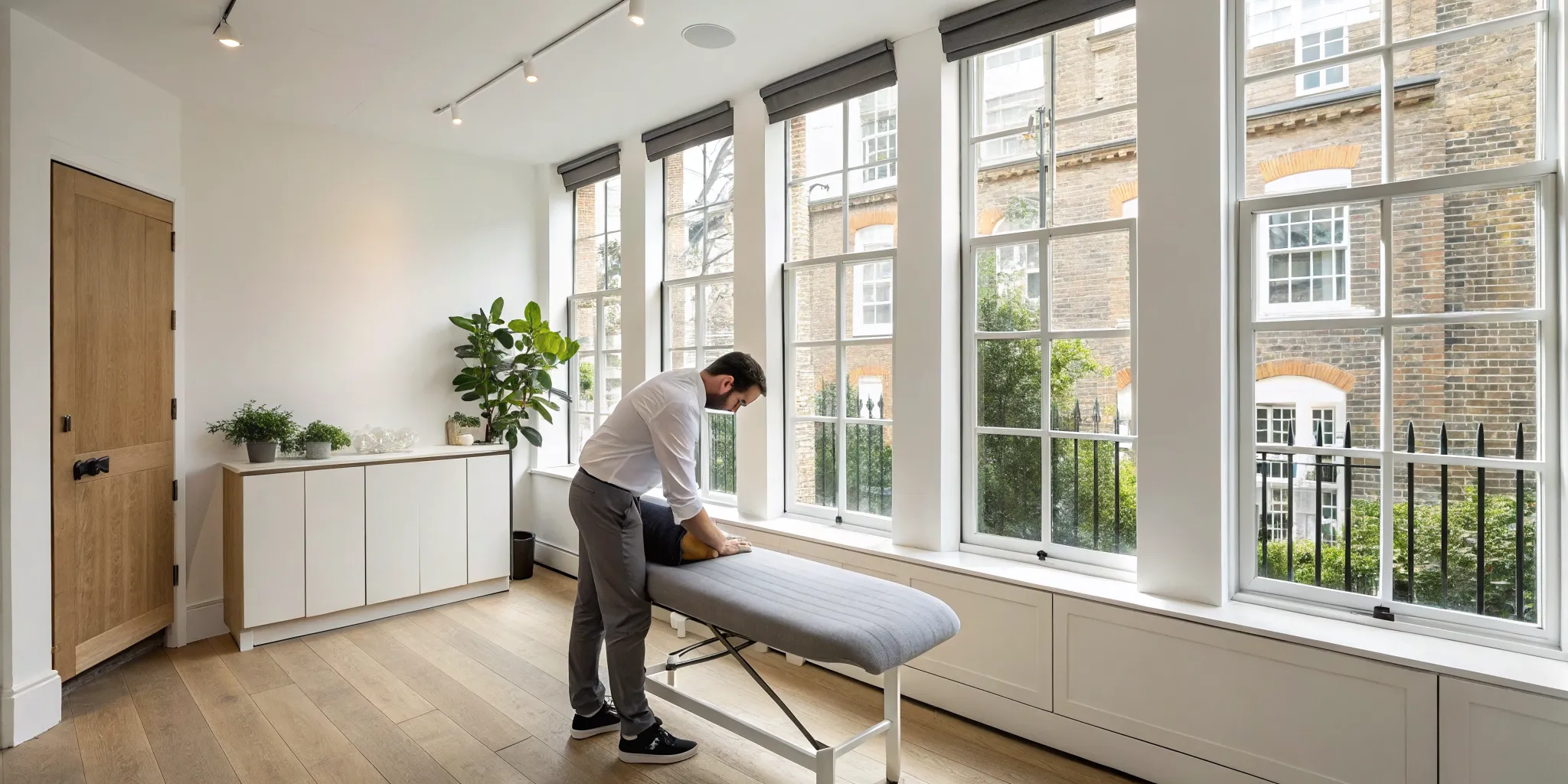
If your back pain has been lingering for a month or more, chiropractic care can be an incredibly effective solution. The goal of a chiropractic adjustment is to restore proper motion and alignment to the spine, which can help take pressure off the bulging disc and surrounding nerves. At Lazar Spinal Care, we use precise and gentle techniques that don’t involve any popping or twisting. By correcting the underlying structural shifts in your spine, we help create the right environment for your disc to heal naturally, providing lasting relief from pain and discomfort without the need for invasive procedures.
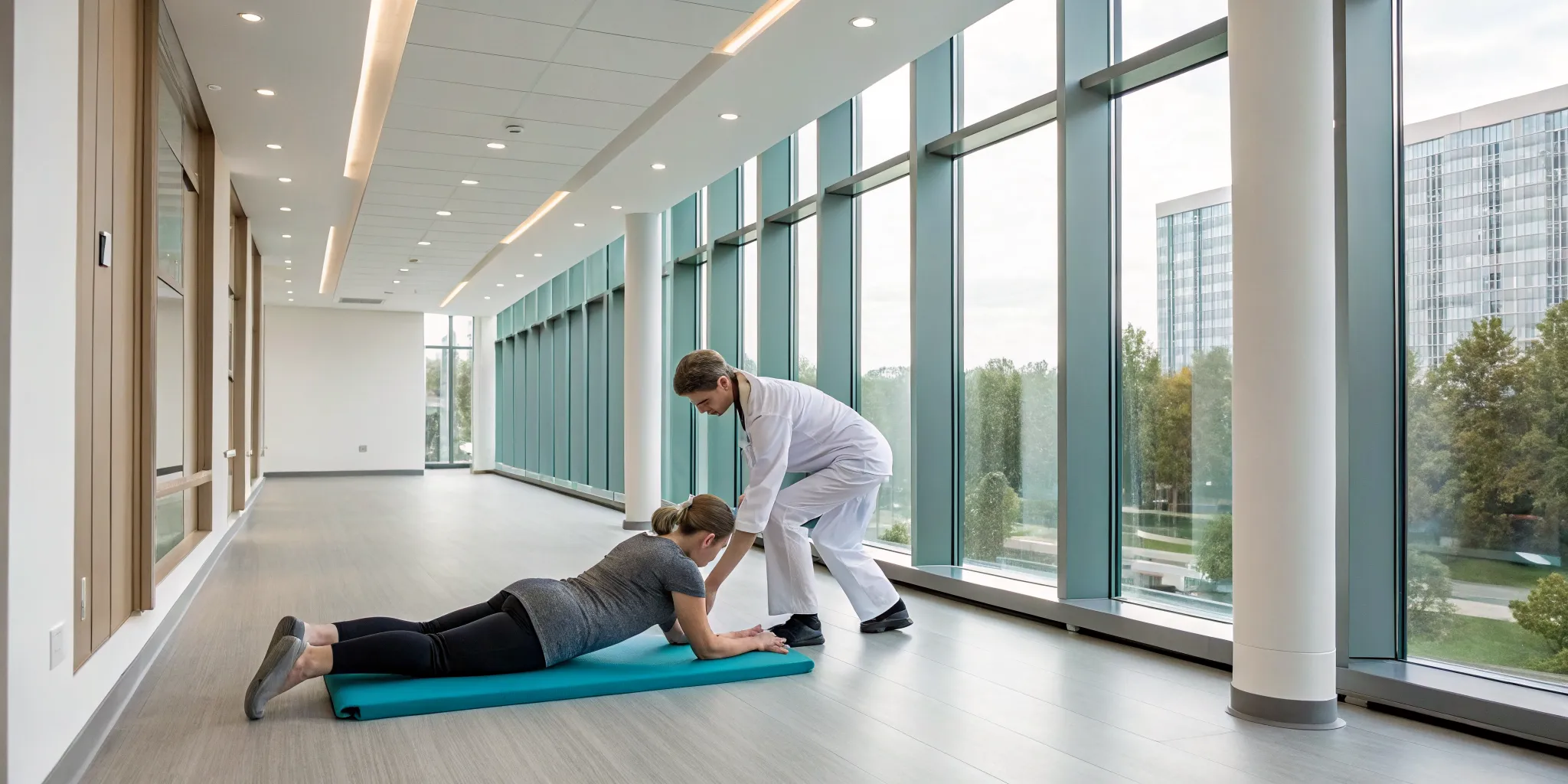
Physical therapy is another cornerstone of non-surgical treatment for a disc bulge. A physical therapist can guide you through specific exercises and stretches designed to strengthen the muscles that support your lower back and core. According to Novus Spine Center, these targeted movements can help take pressure off the nerve and reduce your pain. Building strength in these areas provides better stability for your spine, which can prevent future flare-ups. Think of it as building a natural corset of muscle around your spine to protect it and keep it properly aligned.
Spinal decompression might sound intense, but it’s actually a very gentle and controlled therapy. This treatment uses a specialized table that carefully stretches your spine. This stretching motion creates a slight vacuum effect inside the disc, which can help pull the bulging material back into place and away from the nerve. It also encourages the flow of water, oxygen, and nutrient-rich fluids into the disc, which is essential for healing. Many people find the process to be quite relaxing, and it can provide significant relief by creating more space for your nerves and discs.
While our goal is to fix the underlying problem, we understand that sometimes you need immediate relief to get through your day. Over-the-counter pain relievers like ibuprofen can help manage inflammation and pain in the short term. For more severe pain or muscle spasms, a doctor might prescribe stronger medications. It’s important to remember that medication is a temporary tool to manage symptoms, not a long-term fix. It can make you comfortable enough to participate in other treatments, like chiropractic care, that address the root cause of your disc bulge.
When your pain feels less like a dull ache and more like a sharp, shooting sensation, you’re likely dealing with nerve irritation. For this kind of discomfort, which is a form of neuropathy, standard pain relievers might not be enough. Your doctor may suggest medications specifically designed for nerve pain, such as gabapentin. These work differently by calming overactive nerves to ease symptoms like tingling and shooting pains. In cases with a lot of inflammation around the nerve, a short course of corticosteroids, either taken orally or as an injection, can also be used to reduce swelling and provide relief. While these medications can be a helpful bridge to get you through the worst of it, they are best used as part of a broader plan to address the structural issue causing the nerve compression in the first place.
You can support your professional treatment with simple therapies at home. Using heat and cold is a classic and effective way to manage pain and inflammation. When the pain first flares up, start with cold packs for about 15 minutes at a time, several times a day. This helps reduce swelling and numb the sharp pain. After a few days, you can switch to gentle heat, like a heating pad or a warm bath. The heat will help relax tight muscles and improve blood flow to the area, which promotes healing.
When you’re dealing with the pain of a bulging disc, the idea of any kind of physical manipulation can seem intimidating. But modern chiropractic care isn’t about forceful cracking or twisting. Instead, it’s a precise and gentle approach focused on correcting the underlying structural problems that led to the disc bulge in the first place. While pain medication can offer temporary relief, it doesn't fix the mechanical issue. Chiropractic care aims to do just that.
The goal is to restore proper alignment and motion to your spine. By correcting misalignments, especially at the top of the neck, we can take pressure off the entire spinal column, including the compressed nerves and bulging discs in your lower back. This process helps create the space your body needs to heal itself naturally, providing a path to lasting relief without invasive procedures. Our unique techniques are designed to address the root cause of your pain, not just cover it up.
You might be wondering how adjusting your neck can help your lower back. The answer lies in how your body maintains balance. Your head weighs about 10 to 12 pounds, and your spine’s primary job is to keep it perfectly balanced over your center of gravity. If the top bones in your neck are misaligned, your entire body will compensate by twisting and shifting to keep your head level. This compensation can lead to uneven pressure on the discs in your lower back, eventually causing one to bulge. Upper cervical chiropractic tackles these root mechanical causes rather than just masking the symptoms. By correcting the alignment at the top, we allow the rest of your spine to straighten out, creating more space between the vertebrae and allowing the disc to retract.
At Lazar Spinal Care, we use an advanced method called Quantum Spinal Mechanics (QSM3). This isn't a one-size-fits-all approach; it's a highly personalized system that looks at your body’s entire structure to understand how it has deviated from its ideal alignment. The QSM3 technique uses gentle, precise adjustments to restore your body's balance from the top down. By realigning the spine, we can effectively reduce the pressure on your affected discs and relieve the irritation on your nerves. This comprehensive method doesn't just address your immediate pain. It promotes long-term healing and stability, helping to prevent the problem from returning.
Our approach to treating a disc bulge relies on gentle and specific spinal manipulation. We understand that you're already in pain, so our adjustments are designed to be as comfortable as possible while still being incredibly effective. These precise movements help create more space between the vertebrae where the bulging disc is located, which can immediately reduce pressure on the pinched nerve. This process also helps decrease inflammation and improve circulation to the area, giving your body the resources it needs to heal the damaged disc. We focus on techniques that encourage your body’s natural healing capabilities, helping you find relief and get back to your life without surgery.
When you're dealing with a disc bulge, you want effective solutions that don't involve surgery. Fortunately, modern healthcare offers several advanced therapies that work with your body to promote genuine healing. These treatments go beyond managing symptoms; they aim to repair the underlying damage and restore function to your lower back. Think of them as powerful tools that give your body the support it needs to fix itself. These approaches are designed to get to the root of the issue, which is a core part of our philosophy for lasting wellness.
At Lazar Spinal Care, we integrate innovative services and techniques to complement our foundational chiropractic care. These therapies can help reduce inflammation, improve circulation, and stimulate tissue repair right at the source of the problem. Options like Laser Therapy use light energy to accelerate healing on a cellular level, while Tissue Regenerative Technology encourages your body to rebuild and strengthen damaged ligaments. Other approaches, like targeted injections, can provide significant pain relief, creating a crucial window for your body to respond to other corrective treatments. By combining these advanced methods with precise spinal adjustments, we can create a truly comprehensive, non-surgical recovery plan tailored just for you. Let's look at a few of these options more closely.
If you're looking for a gentle yet powerful way to address disc-related pain, Laser Therapy is an excellent option. This non-invasive treatment uses specific wavelengths of light to penetrate deep into the injured tissue of your lower back. This light energy stimulates your cells' mitochondria (their tiny powerhouses), which helps speed up the natural healing process. The primary benefits are reduced inflammation and improved blood flow to the damaged disc and surrounding tissues. More circulation means more oxygen and nutrients can get to the area to support repair. Best of all, the procedure is completely painless. You can simply relax while the laser does its work, helping your body heal from the inside out.
Sometimes, a disc bulge is related to weak or damaged ligaments that can no longer properly support your spine. Tissue Regenerative Technology is designed to address this exact problem. This therapy involves a series of precise injections of a natural solution into the affected ligaments. This solution creates a mild, localized inflammation, which acts as a signal for your body to send in its natural healing agents. In response, your body starts to produce new, strong collagen tissue, effectively tightening and strengthening the ligaments. This process helps stabilize the spine, reduce stress on the bulging disc, and provide lasting relief by fixing the structural instability that caused the problem in the first place.
When pain from a bulging disc is severe, injection therapies can offer significant relief. The most common type is an epidural steroid injection, which delivers a strong anti-inflammatory medication, like cortisone, directly to the area around the irritated spinal nerves. This isn't a long-term fix for the disc itself, but it can be incredibly effective at calming down the intense inflammation and pain. By reducing your symptoms so dramatically, these injections can create a valuable opportunity. They can make it possible for you to comfortably participate in other essential treatments, like the chiropractic care we provide for many conditions, that address the root cause of your disc bulge and help you build long-term spinal health.
Beyond steroid injections, there are other therapies that aim to stimulate your body’s own healing abilities. Platelet-Rich Plasma (PRP) therapy uses a concentrated solution made from your own blood, which is rich in growth factors that promote tissue regeneration. When injected into the area around your bulging disc, it can help repair damaged tissues and reduce pain. Similarly, Prolotherapy involves injecting a natural solution into the weak or injured ligaments that support your spine. This encourages your body to produce new, strong collagen tissue, which helps stabilize the area and address the instability that may have led to the disc bulge in the first place. Both of these approaches are part of a field known as regenerative therapies, which focus on fixing the root cause of the problem for more lasting relief.
While professional care is essential for addressing the root cause of a disc bulge, the small choices you make every day play a huge role in your healing. Integrating supportive habits into your routine can help manage your symptoms, prevent future flare-ups, and get you back to feeling your best. Think of these changes as your contribution to the healing partnership. Your body is working hard to recover, and these simple adjustments give it the support it needs to succeed.
Gentle movement is one of the best things you can do for a bulging disc. It strengthens the muscles that support your spine and improves flexibility, which can ease stiffness and pain. Focus on core-stabilizing exercises like planks, bridges, and pelvic tilts. For flexibility, try gentle stretches like the Child's Pose, Knee-to-Chest, and Cat-Cow. Low-impact cardio, such as walking, swimming, or using a stationary bike, is also great for increasing blood flow without stressing your back. If you're dealing with sciatica, a technique called "nerve flossing" can gently mobilize the sciatic nerve, helping to relieve that familiar tingling and numbness.
Knowing what *not* to do is just as crucial as the exercises you add to your routine. While you’re healing, certain movements can put extra stress on your L4-L5 disc and make the bulge worse. Be mindful of heavy lifting—always use your legs, not your back. It's also best to avoid sudden twisting motions, like a full golf swing or traditional sit-ups, as they can strain the weakened disc. High-impact activities, such as running on hard surfaces or jumping, should be temporarily paused. Even something as simple as sitting for too long can cause issues, so make it a habit to get up and stretch regularly. Avoiding these triggers is essential for giving your body the space it needs to properly heal and recover.
Your spine is designed to carry your body's weight, but extra pounds add significant stress to the discs in your lower back. This constant pressure can contribute to the wear and tear that leads to a disc bulge and can make recovery more challenging. Losing even a small amount of weight can make a big difference in reducing the load on your spine. This isn't about a dramatic transformation overnight. It's about making sustainable changes that support your long-term spinal health and complement the chiropractic care you receive.
Your posture affects your spine all day, every day. Slouching when you sit or stand can place uneven pressure on your discs, worsening a bulge. The goal is to maintain a neutral spine. When sitting, try to keep your back straight and your shoulders relaxed. Placing a small pillow or a rolled-up towel in the curve of your lower back can provide extra support. When you stand, distribute your weight evenly on both feet and stand tall. It might feel strange at first, but being mindful of your posture is a simple yet powerful way to protect your back from unnecessary strain.
Getting a good night's sleep is crucial for healing, but the wrong sleeping position can leave you feeling worse in the morning. Avoid sleeping in awkward positions that twist or strain your lower back. If you're a side sleeper, place a pillow between your knees to keep your hips, pelvis, and spine aligned. If you prefer sleeping on your back, a pillow under your knees can help maintain the natural curve of your lower back. The key is to use pillows to provide proper support and keep your spine in a neutral, comfortable position throughout the night.
The pain and swelling from a disc bulge are directly linked to inflammation in your body, and one of the most powerful ways you can manage this is through your diet. An anti-inflammatory diet emphasizes whole, colorful foods packed with antioxidants, which can help soothe and reduce the risk of back pain. Think about adding fatty fish like salmon, leafy greens such as spinach, and vibrant fruits to your meals. These foods help calm your body’s inflammatory response. By choosing what you eat carefully, you can create an internal environment that supports the healing process and complements the corrective care you receive, helping you achieve lasting wellness.
Starting a new treatment plan can feel like a mix of hope and uncertainty. You’re probably wondering, "How long will this take?" and "What will it feel like?" It’s important to remember that healing is a journey, not a destination you arrive at overnight. Your body has an incredible capacity to heal, but it needs time and the right support to do so. Recovery from an L4-L5 disc bulge looks different for everyone because your body, your lifestyle, and your specific condition are unique.
Patience and consistency are your best friends during this process. There will likely be good days and some that are more challenging. The key is to stay committed to your care plan and communicate openly with your provider about what you’re experiencing. At Lazar Spinal Care, we partner with you every step of the way, using advanced diagnostics to monitor your progress and adjust your care as needed. We focus on addressing the root cause of your disc bulge, which creates a foundation for true, long-term healing rather than just temporary relief. With the right strategy and a little time, you can get back to living your life with less pain and more freedom.
One of the first questions we often hear is, "How long until I feel better?" While there's no magic number, most people with L4-L5 disc issues see significant improvement within a few weeks to a few months of starting consistent, non-surgical care. Research shows that about 90% of people get better without surgery, and many notice a positive change within the first six weeks.
The goal is to get you back to your daily activities without pain. Your personal timeline will depend on factors like the severity of your bulge, your overall health, and how closely you follow your treatment plan. We've helped many patients with conditions like sciatica and lower back pain find lasting relief, and we can create a plan that sets a realistic and hopeful path for your recovery.
The first few weeks after a disc bulge flares up can be the most challenging. Your body immediately goes into repair mode, sending inflammatory cells to the area to start the healing process. While this inflammation is what causes that intense, sharp pain, it’s actually a positive sign that your body is working to fix the problem. This initial phase, which typically lasts two to four weeks, is all about managing that swelling and giving your body the support it needs. It's easy to feel discouraged when the pain is at its worst, but it's important to remember that this is when the foundation for healing is laid. This is also the ideal time to get a clear diagnosis to understand what’s truly causing the issue. Getting a comprehensive evaluation can set you on the right path to recovery from the very beginning, which is why we encourage all new patients to come in for a consultation.
It’s completely normal to have moments of frustration during your recovery. You might have a few great days followed by a flare-up that leaves you feeling discouraged. This is a common part of the healing process, not a sign that your treatment isn't working. Many people feel defeated when other treatments haven't provided lasting relief, but it’s important not to lose hope.
When you experience a setback, listen to your body and communicate with us. We can help you understand what might have triggered the flare-up and adjust your care accordingly. If you ever experience severe symptoms like worsening leg weakness or a loss of bladder or bowel control, you should seek medical help immediately. For most minor setbacks, a simple conversation can get you back on track, so don't hesitate to request an appointment to discuss your concerns.
Progress isn't always measured by a complete absence of pain, especially in the beginning. We encourage you to celebrate the small wins along the way. Maybe you can sit through a movie without shifting uncomfortably, walk a little farther than last week, or sleep through the night. These are all signs that your body is healing.
As doctors, we typically look for noticeable improvement within the first six weeks of care. At our clinic, we don't just rely on how you feel; we use objective measurements to track your progress. Our advanced diagnostic tools, like PostureIQ™ and Insight™ neurological scans, give us a clear picture of how your body is responding to treatment. This helps us ensure your care plan is effective and keeps you moving toward your health goals. We explain this entire process to our new patients so you feel confident from day one.
Another key sign of healing is something called pain centralization. This is when pain that was previously felt in your extremities, like your leg or foot, begins to move closer to the center of your body, becoming more focused in your lower back. It might seem counterintuitive, but this is actually a fantastic sign. It indicates that the pressure on the nerve root is decreasing and the disc is no longer irritating the nerve as severely. Think of it as the pain retreating back to its source as the underlying issue is corrected. This shift is a strong indicator that your body is responding well to treatment and that the radiating pain is on its way out for good.
The primary goal of your treatment is simple: to reduce your pain and help you return to the activities you love. While many common treatments like pain medication or generic physical therapy fail to provide long-term relief, our focus is different. We aim to correct the underlying structural issues that caused the disc bulge in the first place. This is the key to not only feeling better now but also preventing the problem from returning.
By addressing the root cause, we help your body heal itself naturally. You can expect a treatment plan that is gentle, precise, and tailored specifically to you. We combine specialized techniques to ensure your spine is properly aligned and stable, allowing the damaged disc to heal. With our unique approach, the goal isn't just to manage your symptoms but to restore your body's function for lasting wellness.
When you’re dealing with the pain of a disc bulge, it’s easy to get overwhelmed by conflicting information. Friends, family, and even online articles can offer advice that isn’t always accurate. Let’s clear up some of the most common myths surrounding non-surgical treatments so you can feel more confident about your path to recovery. Understanding the facts is the first step toward finding a solution that truly works for you.
Many people believe that a disc bulge diagnosis automatically leads to surgery, but that’s rarely the case. For most, surgery is considered a last resort, recommended only after conservative treatments haven’t provided relief. It’s completely understandable to want to avoid an operation due to the risks, recovery time, and fear of the unknown.
The good news is that you have options. The key is not to delay getting help. Putting off treatment can allow the problem to worsen, but that doesn't mean you have to jump to the most invasive solution. Exploring effective, non-surgical chiropractic solutions first is a practical and highly successful approach for managing and healing an L4-L5 disc bulge.
You might feel skeptical about non-surgical options, especially if you’ve tried treatments that didn’t work. Perhaps physical therapy, medication, or even steroid injections only offered temporary relief. This experience can be frustrating, leading you to believe that nothing short of surgery will fix the problem. However, it’s important to remember that not all non-surgical treatments are the same.
Many conventional methods focus on managing symptoms instead of addressing the underlying cause of the disc bulge. Our approach is different. We use specialized techniques like Quantum Spinal Mechanics (QSM3) to correct the foundational imbalances in your body that contribute to spinal stress. Finding the right treatment is what makes all the difference.
It’s natural to assume that a larger disc bulge seen on an MRI would cause more severe pain, but this is another common myth. Research shows that the size of a disc bulge or herniation doesn’t reliably predict your pain levels or whether you’ll need surgery. Some people with significant bulges experience minimal discomfort, while others with smaller ones have debilitating pain.
An MRI is just one piece of the puzzle. A comprehensive diagnosis involves looking at your symptoms, your posture, and how your body is functioning as a whole. Our advanced diagnostic assessments help us understand the complete picture of your health. The focus should always be on how you feel and function, not just on what an image shows.
Figuring out the best way to handle a disc bulge can feel overwhelming, but you don't have to make this decision alone. The right path forward involves working with a trusted professional to create a plan that fits your specific needs and lifestyle. The goal is to find the most effective, least invasive solution to get you back to feeling like yourself. It’s about finding a partner in your health who will explore all the options with you, starting with conservative care that addresses the root cause of your pain.
Your first step is to find a healthcare provider who sees surgery as a last resort. A great doctor will want to explore non-surgical treatments before even considering more invasive procedures. Your initial appointments should feel like a partnership. Look for someone who performs a thorough evaluation, listens to your concerns, and clearly explains the source of your pain. You want a provider who is committed to finding a lasting solution, not just a temporary fix. This is a core part of our approach with new patients at Lazar Spinal Care.
If surgery is ever on the table, you might hear two terms: neurosurgeon and orthopedic surgeon. It can be confusing, but the distinction is rooted in their training. Neurosurgeons are specialists of the central nervous system—the brain, spinal cord, and nerves. Their focus is on protecting these delicate structures. Orthopedic surgeons, on the other hand, are experts in the musculoskeletal system, focusing on bones, joints, and ligaments. While both are qualified to perform spine surgery, their foundational training gives them slightly different perspectives on the same problem.
Over the last few decades, the line between these specialties has blurred when it comes to the spine. Both neurosurgeons and orthopedic surgeons can complete specialized fellowship training in spine surgery. For most common procedures, including those for a disc bulge, both are considered equally skilled. The most important question isn't which type of surgeon to see, but rather, how much experience a specific surgeon has with your condition. According to experts at Spine-Health, the surgeon's specialization and track record are far more critical than their official title. This is a decision for much later, of course, as the goal is always to find a non-surgical solution first.
A good treatment plan should be as unique as you are. The main goals are simple: reduce your pain and help you return to your daily activities without limitations. Many people find their symptoms improve significantly over time with a consistent, personalized plan. This might include a combination of specialized techniques like chiropractic care, physical therapy, or spinal decompression. The key is consistency. With early and dedicated treatment, you can often manage the pain and prevent it from returning, even if the disc itself doesn't completely heal.
While non-surgical treatments are highly effective, it’s important to know when surgery might be necessary. Most doctors recommend trying conservative care for at least six weeks. If your pain doesn't improve, it might be time to discuss other options. Surgery is typically reserved for situations with serious symptoms, such as progressive leg weakness or a loss of bladder or bowel control. For most people, this is never a concern, but it's good to be aware. If you're unsure about your symptoms, it's always best to request an appointment for a professional evaluation.
While our focus is on helping you avoid surgery, it’s helpful to understand the procedures a surgeon might discuss. A microdiscectomy is a common, minimally invasive option where the small part of the disc pressing on your nerve is removed. For more significant pressure, a laminectomy involves removing a piece of the vertebra itself to create more space for the nerves. If your spine is unstable, a surgeon might suggest spinal fusion, a major procedure that permanently connects two or more vertebrae to stop painful motion. Finally, some younger patients might be candidates for an artificial disc replacement, where the damaged disc is swapped out for a synthetic one. Each of these options comes with its own set of considerations, which is why exploring effective, non-surgical care first is such a critical step in your recovery journey.
Beyond the procedure itself, the recovery period is a major factor to consider. After a microdiscectomy, you might be back to light activities in a few days, but full recovery can take several weeks. A laminectomy often requires four to six weeks before you can return to your normal routine, usually with physical therapy to help rebuild strength. The commitment is much greater with spinal fusion, which typically involves a recovery period of three to six months. This significant downtime and rehabilitation process is a key reason why so many people seek out non-invasive solutions first. Our goal is to help you heal with a plan that works with your life, not one that puts it on hold.
How do I know if my back pain is a disc bulge or just a muscle strain? That's a great question, as the two can feel similar at first. A muscle strain typically feels like a localized ache or soreness that gets better with a few days of rest. Pain from a disc bulge is often more persistent and deep. The biggest clue is if you have radiating symptoms, like pain, numbness, or a "pins and needles" feeling that travels down your leg. That's a strong sign a nerve is involved, which points toward a disc issue. The only way to know for sure is to get a professional evaluation.
Is a bulging disc the same as a herniated disc? They are related but not quite the same. Think of a spinal disc like a jelly donut. A bulging disc is when the donut flattens and expands outward, but the outer wall is still intact. A herniated disc is when there's a tear in that outer wall, and some of the jelly-like center leaks out. Both conditions can press on nerves and cause pain, but a herniation is generally a more advanced stage of disc damage.
Can a bulging disc heal completely? Yes, your body has an amazing capacity for healing. While the disc may not return to its original textbook shape, the bulge can retract, and the pressure on the nerve can be fully relieved. The goal of corrective care is to create the right conditions for this to happen by restoring proper spinal alignment and taking stress off the disc. This allows your body to reduce inflammation and repair the tissue, leading to a complete resolution of your symptoms.
Is it safe to get a chiropractic adjustment with a bulging disc? It is absolutely safe when the right approach is used. Our methods are incredibly gentle and precise, so you won't experience any forceful twisting or popping. We focus on correcting the overall structural alignment of your spine, often starting at the top of the neck, to take pressure off the entire system. This indirectly relieves stress on the bulging disc in your lower back, creating a safe and effective environment for it to heal.
Do I need to stop all physical activity? Definitely not. In fact, avoiding all movement can make stiffness and pain worse. The key is to modify your activity, not eliminate it. You should avoid high-impact exercises or heavy lifting that strains your back. Instead, focus on gentle movements like walking, swimming, and specific core-strengthening exercises. This kind of activity improves blood flow, reduces inflammation, and builds support for your spine, which are all essential for your recovery.