.png?width=150&height=60&name=2026%20LSC%20Logo%20(2).png)

Back Pain

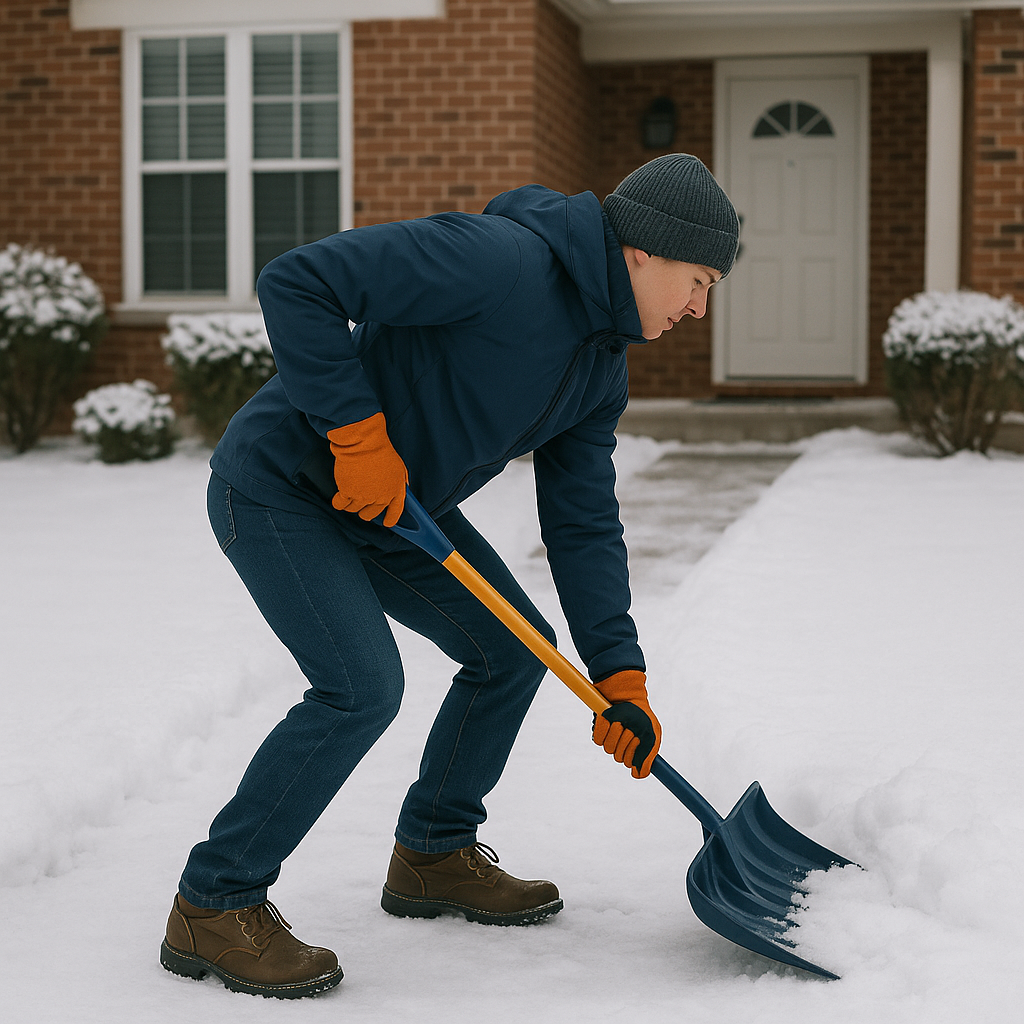
Did you know that clearing a small driveway can mean lifting several tons of snow? It’s a shocking number, and it explains why so many people end up with back pain or worse each winter. But you don't have to be one of them. Protecting your body during this intense cold weather chore is about working smarter, not harder. This is where ergonomic snow shoveling comes in. We'll show you the proper body mechanics and exactly how to use an ergonomic snow shovel to take the strain off your back and keep you safe all season long.
Snow shoveling is an unavoidable winter chore for many, but it can put considerable strain on your back, shoulders, and heart. As a chiropractor, I often see patients with acute flare-ups of back pain, muscle strains, and even herniated discs following heavy snow removal. The combination of cold weather, repetitive bending, and lifting heavy, wet snow can create the perfect storm for spinal injuries if not done with care.
It’s important to realize that the risk isn’t just for those with pre-existing conditions; even healthy individuals can experience injury from improper technique or overexertion. Knowing the potential risks helps you approach snow shoveling with the caution and preparation your body deserves.
You might not think of shoveling as a full-body workout, but the numbers tell a different story. Snow is deceptively heavy, especially the wet, packed kind we often get here in Michigan. According to research, clearing a small 3-by-15-foot path of average snow that's a foot deep requires you to move over 400 pounds. If you're tackling a larger driveway, say 16-by-30 feet, with a foot of wet snow, you could be lifting a staggering 4 tons. That’s the weight of a small elephant! Understanding the sheer volume you’re moving helps put the physical demands of this chore into perspective and highlights why proper form is so critical to avoid injury.
The combination of intense physical exertion and cold temperatures creates a challenging environment for your body. The cold air can constrict your blood vessels, which increases blood pressure and makes your heart work harder to pump blood. When you add the strenuous activity of lifting hundreds of pounds of snow, you’re putting significant strain on your cardiovascular system. This exertion can be dangerous even for young, healthy people, potentially leading to heart attacks or irregular heartbeats. It’s also a major cause of musculoskeletal issues, from simple muscle soreness to more severe neck and back pain that can linger long after the snow has melted.
The cardiovascular risks associated with shoveling are well-documented and quite serious. Research shows a direct correlation between heavy snowfall and an increase in hospital admissions for heart attacks. One study found that when 7 to 8 inches of snow falls, the likelihood of men being hospitalized for a heart attack increases by 16%. Even more alarmingly, the probability of men dying from a heart attack rises by 34% under the same conditions. These statistics underscore the importance of listening to your body, taking frequent breaks, and not pushing yourself beyond your physical limits, especially during a major winter storm.
Beyond the cardiovascular risks, snow shoveling is a leading cause of winter injuries that send people to the emergency room. Annually, about 11,500 people in the U.S. require emergency medical care for shoveling-related incidents. The most common complaints are soft tissue injuries, fractures, and muscle strains. More than a third of these injuries—over 34%—are specifically related to the lower back. Repetitive twisting, bending, and lifting motions can easily lead to strained muscles or, in more severe cases, herniated discs. These are precisely the types of conditions we help people recover from by addressing the underlying structural issues in the spine.
While anyone can get injured while shoveling, some individuals face a higher risk. People with known or underlying heart conditions should be especially cautious. The risk is also greater for older adults—generally men over 45 and women over 55. Additionally, those with a history of a sedentary lifestyle or chronic health conditions like high blood pressure, high cholesterol, or diabetes should think twice before tackling a heavy snowfall. If you fall into any of these categories, it’s wise to ask for help or consider hiring someone to clear your snow. At Lazar Spinal Care, we provide specialized care for seniors to help maintain mobility and spinal health, but prevention is always the best strategy.
Selecting the correct snow shovel is your first line of defense against winter injuries. Opt for a lightweight shovel with an ergonomic handle that reduces the need to bend excessively. Adjustable handles or those with a curved design can help maintain a more upright posture, putting less stress on your spine.
The size of the blade matters too. A smaller blade may require more scoops but will limit the weight you have to lift at one time, decreasing your risk of straining your back. Remember, the goal is efficiency and safety—not speed or brute force.
The term "ergonomic" simply means a tool is designed for efficiency and comfort in its working environment. When it comes to snow shovels, ergonomic features are specifically engineered to reduce physical stress and help you work with your body, not against it. Using a shovel that promotes good posture is crucial for preventing the kind of strain that can lead to acute back pain, shoulder issues, and other musculoskeletal problems. Investing in an ergonomic design is an investment in your spinal health, helping you get the job done without paying for it with pain later.
A shovel with a curved shaft is one of the best ergonomic choices you can make. This design is superior to a straight handle because it allows you to maintain a straighter back while lifting and throwing snow. Instead of hinging deeply at your waist, which places immense pressure on your lower back, the curve brings the blade closer to your body's center of gravity. This simple change encourages better posture and more flexible hand positioning, significantly reducing the strain on your spine and helping you avoid the kind of injuries that can cause lasting neck and back pain.
Another highly effective ergonomic feature is a secondary handle, which can often be purchased as an add-on for a shovel you already own. This additional grip, positioned partway down the shaft, allows you to balance the lifting effort more evenly between your hands and engage your core. By using both arms to lift, you reduce the twisting and straining forces that often lead to injury. This simple modification transforms the shovel into a more balanced tool, making each scoop more controlled and less taxing on your back and shoulders.
Just as you wouldn't use the same knife for every task in the kitchen, a single snow shovel isn't always the right tool for every winter storm. Different types of snow—from light powder to heavy, wet slush—and different surfaces require different equipment. Building a small "quiver" of shovels ensures you have the right tool for the job, which makes the work safer and more efficient. Matching your shovel to the conditions can be the difference between a quick, easy clear-out and a day spent recovering from overexertion.
The material of your shovel's blade should be chosen based on the surface you need to clear. Plastic scoops, particularly those reinforced with a nylon or metal wear strip at the edge, are perfect for delicate surfaces like wooden decks or stone patios because they won't cause scratches or gouges. For tougher jobs, like scraping packed snow or ice off of concrete or asphalt pavement, a durable metal blade is the more effective choice. Having both types on hand allows you to protect your property while still clearing away hazardous ice and snow effectively.
The width of the shovel blade determines the weight of each load you lift. While a very wide shovel might seem like the fastest way to clear a large area, it can quickly become dangerously heavy with wet snow, putting you at high risk for a back injury. Wider shovels are great for pushing light, fluffy snow. For lifting heavier snow or clearing narrower paths, a standard 18- to 20-inch shovel is a much safer and more manageable option. This smaller size encourages lighter loads, protecting your spine from the strain of a single, overly ambitious scoop.
Proper technique makes a significant difference in preventing injuries. Start by warming up with light stretching to prepare your muscles and joints. When shoveling, keep your feet hip-width apart and bend from your knees—not your waist—to lift with your legs rather than your back.
Hold the shovel close to your body, and avoid twisting or throwing snow over your shoulder. Instead, walk to where you want to deposit the snow. Take frequent breaks, switch hands regularly, and listen to your body. These simple adjustments can protect your spine and help you stay pain-free all winter.
Just like any physical activity, shoveling requires some prep work. Jumping straight into a strenuous task, especially in the cold, can shock your system and lead to injury. Taking just five to ten minutes to prepare your body can make a world of difference, helping you avoid the kind of acute back pain that sends people searching for relief. Think of it as a small investment in your well-being. A proper warm-up increases blood flow to your muscles, making them more pliable and less susceptible to strains and tears. It also gives you a moment to mentally prepare for the task ahead, ensuring you approach it with a focus on safety rather than just getting it done as quickly as possible.
Before you even touch a shovel, get your body ready. A simple warm-up, like marching in place or doing some gentle leg swings for a few minutes, is enough to get your heart rate up and prepare your muscles for work. It’s also wise to wait an hour or two after a meal and avoid stimulants like caffeine, which can put extra stress on your heart. And don't forget to hydrate. It might feel counterintuitive to drink a lot of water when it's cold outside, but your body still loses fluids. Staying hydrated is essential for muscle function and endurance, helping you power through the task safely without cramping or fatigue.
Shoveling isn't a race. Trying to clear a huge snowfall all at once is a common mistake that leads to overexertion and injury. A smarter approach is to shovel early and often. Freshly fallen snow is much lighter and easier to move than snow that has become wet and compacted. If you can, clear a few inches at a time during a heavy storm instead of waiting for it all to accumulate. This strategy of breaking a large job into smaller, manageable tasks reduces the overall strain on your body and makes the chore feel less daunting. It’s about working efficiently to protect your long-term health.
How you move your body while shoveling is arguably the most important factor in preventing injury. Poor body mechanics can turn a simple chore into a source of significant pain, particularly for your lower back and shoulders. The goal is to use your strongest muscles—your legs and core—to do the work, while keeping your spine in a stable, neutral position. Many of the conditions we help at our clinic, from sciatica to herniated discs, can be aggravated by improper lifting and twisting. Mastering the right technique not only makes shoveling safer but also more efficient, allowing you to clear snow without paying for it with days of pain.
Whenever possible, push the snow to the side rather than lifting it. This simple change dramatically reduces the load on your spine. When you do have to lift, adopt a proper lifting posture. Stand with your feet about shoulder-width apart to create a stable base. Bend at your knees and hips, not your waist, keeping your back straight. Hold the shovel close to your body with your hands spaced apart for better leverage—one hand near the top of the handle and the other closer to the blade. This stance engages your leg muscles to power the lift, taking the pressure off your vulnerable back muscles.
One of the most dangerous movements you can make while shoveling is twisting your torso to throw snow. This combination of lifting and rotating puts immense rotational force on the discs in your spine. Instead of twisting, pivot your entire body. After you lift a scoop of snow, turn your feet in the direction you want to dump it and walk it over. This keeps your shoulders, hips, and feet aligned and your spine protected. This principle of maintaining proper alignment is central to the care we provide, as it helps the body function optimally and prevent injuries from recurring.
If you’re facing a deep accumulation of snow, don't try to clear it all in one go. Attempting to lift a shovel full of heavy, wet snow is a recipe for a back strain. Instead, remove the snow in layers. Skim off the top one or two inches first, and then work your way down. While it may take a few more passes, each shovelful will be significantly lighter and more manageable. This methodical approach greatly reduces the risk of overloading your muscles and spine, ensuring you can finish the job without injury and get back to enjoying the warmth of your home.
Even with the best precautions, it’s essential to pay attention to your body’s signals. If you experience sharp or persistent pain, numbness, tingling, or weakness—especially in your back, legs, or arms—stop shoveling immediately. These symptoms could indicate a serious condition such as a herniated disc or nerve impingement.
If discomfort doesn’t resolve with rest or worsens over time, consult a healthcare professional, preferably a chiropractor specializing in spinal health. Early intervention leads to faster recovery and prevents minor injuries from becoming chronic issues.
Beyond muscle pulls, snow shoveling poses a significant risk to your heart. The combination of strenuous physical activity and cold weather forces your heart to work much harder than it normally would, which can be dangerous even for people who are otherwise healthy. It’s crucial to recognize the difference between normal exertion and a potential cardiac event. If you experience chest pain or pressure, shortness of breath that feels excessive for the activity, or feel lightheaded or dizzy, stop what you are doing immediately. These are urgent warning signs that require immediate medical attention, so don't try to push through them.
While a heart attack is a critical emergency, musculoskeletal injuries are far more common when shoveling. Many people injure their backs by using improper form, such as twisting the spine to throw a heavy scoop of snow. Pay close attention to signals like sharp or persistent pain, numbness, tingling, or weakness, particularly in your back, arms, or legs. These symptoms aren't just signs of overwork; they can point to a serious condition like a herniated disc or nerve impingement. If you notice any of these red flags, it's time to put the shovel down and rest. Persistent symptoms are your body's way of telling you to seek professional care to address the root cause.
After shoveling, gentle stretching and hydration can help reduce muscle soreness and aid recovery. Applying moist heat or ice to any tender areas for 15-20 minutes can minimize inflammation. Consider scheduling a spinal assessment if you notice recurring discomfort or stiffness.

Ongoing chiropractic care, such as The Lazar Method™ at Lazar Spinal Care, can address underlying misalignments, support faster healing, and keep your spine resilient throughout the winter. Prioritizing spinal health means you’ll be ready for whatever the season brings—without missing out on life’s moments.
Once you’re back inside, take a few minutes to care for the muscles that just did all the heavy lifting. Gentle stretching is a fantastic way to ease tension and reduce the next-day soreness that often follows a big shoveling session. Focus on slow, controlled movements rather than pushing yourself too far. Simple stretches for your hamstrings, lower back, and chest can make a world of difference. Try a standing hamstring stretch by placing your heel on a low step, or a cat-cow stretch on all fours to gently mobilize your spine. Remember to also rehydrate with plenty of water, as your muscles need it to recover effectively after strenuous activity.
It’s normal to feel some muscle fatigue after shoveling, but it’s crucial to distinguish between typical soreness and an actual injury. If you experience sharp, shooting pain, numbness, or tingling in your back, arms, or legs, you should stop immediately. These could be signs of a more serious issue, like a herniated disc or nerve compression. Pay attention to any discomfort that doesn't improve with a day or two of rest or seems to be getting worse. Pushing through this kind of pain can lead to chronic problems, so listening to your body is your most important job. When in doubt, it's always best to get a professional evaluation.
If you're dealing with persistent pain after shoveling, chiropractic care can offer a path to relief and healing. The repetitive lifting and twisting motions can easily cause misalignments in your spine, leading to pain and dysfunction. At Lazar Spinal Care, we focus on identifying and addressing the root cause of your discomfort. Through a precise NeuroBioStructural Analysis, we can pinpoint the specific issue and create a tailored plan to correct it. Ongoing care not only helps you recover from an injury more quickly but also strengthens your spinal health, making you more resilient for the rest of the winter. Our goal is to restore your body's natural alignment so you can get back to your life without pain.
Beyond proper form and a good shovel, a few extra precautions can help ensure your snow-clearing efforts don't end in an injury. Thinking about your attire, your environment, and your personal limits is just as important as how you lift. A little extra preparation goes a long way in keeping you safe and healthy throughout the winter season, allowing you to handle whatever the Michigan weather throws your way without sidelining yourself with a preventable injury.
What you wear can have a surprising impact on your safety while shoveling. It’s best to dress in several light layers rather than one heavy coat. This allows you to remove a layer if you start to overheat, which is common during strenuous activity, even in the cold. Your clothing should also allow for a full range of motion. Tight, restrictive clothes can interfere with your ability to use proper form, forcing you to bend and twist in awkward ways that strain your back. Don’t forget a good hat and gloves to protect you from the cold and waterproof boots to keep your feet dry.
One of the biggest risks when you’re outside in the winter is slipping on a hidden patch of ice. A sudden fall can cause serious injuries, from sprains and fractures to concussions and spinal trauma. Before you even start shoveling, survey the area and spread salt or sand on any icy spots. Make sure you’re wearing boots with deep treads that provide good traction. Taking a moment to secure your footing can prevent a painful accident and an unscheduled visit to a doctor. Your spine will thank you for being cautious and mindful of the ground beneath your feet.
Sometimes, the smartest and safest decision is to not shovel at all. If you’re facing exceptionally deep or heavy, wet snow, the risk of injury increases dramatically. In these situations, it’s wise to consider an alternative like a snow blower if you have one. If not, hiring a local service to clear your driveway and walkways is a worthwhile investment in your health. There is no shame in recognizing your physical limits or when a task is simply too demanding. Prioritizing your well-being over a clear driveway is always the right choice, ensuring you stay healthy enough to enjoy the winter season.
Does an ergonomic shovel really make that much of a difference? Yes, it absolutely does. Think of it this way: a standard shovel forces you to hinge at the waist, putting a huge amount of pressure on your lower back. An ergonomic shovel, with its curved handle, changes the physics of the movement. It allows you to keep your back much straighter and use your legs for power, which significantly reduces the strain on your spine. It’s a simple design change that makes a world of difference in preventing injury.
I already have some back pain. Is it safe for me to shovel snow? If you have a history of back pain, you should be extremely cautious. The combination of cold weather, bending, and lifting can easily aggravate an existing condition. The safest answer is to avoid shoveling if you can, especially during a heavy snowfall. If you must shovel, it's critical to warm up properly, use a lightweight ergonomic shovel, and only move very small amounts of snow at a time. Pushing the snow instead of lifting is your best bet.
How can I tell the difference between normal muscle soreness and a serious injury? It's normal to feel some muscle fatigue after a workout, and shoveling is definitely a workout. General achiness that subsides with rest is usually just soreness. You should be concerned if you feel sharp, shooting, or stabbing pain. Other red flags include pain that travels down your leg, or any numbness or tingling. Those symptoms suggest you may have a more serious issue, like a herniated disc, and you should stop immediately and consider getting it checked out.
Can chiropractic care help if I've already strained my back from shoveling? Definitely. When you strain your back, it's often because the repetitive lifting and twisting has caused misalignments in your spine, which can lead to pain and inflammation. A chiropractor can perform a detailed assessment to find the specific source of the problem. Through precise adjustments, we can help restore proper alignment and function to your spine, which relieves pressure on your nerves and muscles and allows your body to heal correctly.
Besides buying a new shovel, what's the most important change I can make to my shoveling technique? The single most important habit to change is to stop twisting your body. Many people lift a scoop of snow and then rotate at the waist to toss it aside. This is one of the most dangerous movements for your spinal discs. Instead, after you lift with your knees, pivot your entire body by turning your feet in the direction you want to dump the snow. Keeping your shoulders and hips aligned protects your back from harmful rotational forces.