.png?width=150&height=60&name=2026%20LSC%20Logo%20(2).png)
Back Pain

When you’re in pain, reaching for a pill to get through the day is an understandable impulse. But you know that just masking the pain won’t shorten your herniated disc sciatica healing time. If you’re looking for real herniated disc sciatica pain relief, you’ve come to the right place. A truly effective treatment for herniated disc and sciatica goes beyond symptom management to correct the root cause of the imbalance in your spine. In this guide, we’ll explore how gentle, precise care can restore your body’s alignment and help you build a stronger, more resilient spine for good.
Before you can find lasting relief, it helps to understand what’s happening inside your body. The terms “herniated disc” and “sciatica” are often used together, but they describe two different things: a specific injury and the symptoms it can cause. Getting clear on the connection between the two is the first step toward addressing the root cause of your pain and getting back to your life. Let's break down the mechanics of your spine and how a small disc can lead to such significant discomfort.
Think of your spine as a flexible stack of bones called vertebrae. Between each of these bones sits a small, spongy cushion known as a spinal disc. These discs are amazing little shock absorbers, protecting your spine as you walk, bend, and twist. Each one has a tough, fibrous outer layer and a soft, jelly-like center. This design allows them to be both strong and pliable. When your spine is properly aligned and your discs are healthy, your body can move freely and without pain. These discs are essential for protecting the delicate nerves that run through and out of your spinal column, carrying messages to the rest of your body.
A herniated disc, sometimes called a slipped or ruptured disc, happens when that soft, jelly-like center pushes out through a tear in the tough outer layer. This bulge can then press on the nearby nerves or even the spinal cord itself. When this happens in your lower back, the disc can irritate or compress the sciatic nerve, the longest nerve in your body.
This specific type of nerve irritation is what causes sciatica. It’s not a condition on its own but rather a symptom of an underlying problem, most commonly a herniated disc. The pressure on the nerve root triggers the telltale pain that radiates from your lower back, through your hip and buttock, and down one leg. This is why a problem that starts in your spine can cause pain, tingling, or numbness all the way down to your foot.
It’s not just the physical pressure from the disc that causes such intense pain. The jelly-like substance inside your disc contains proteins that are foreign to the rest of your body. When a disc herniates, this material can leak out and come into contact with the sciatic nerve root. Your body perceives this substance as an intruder, triggering a strong inflammatory response. This chemical irritation can be just as painful, if not more so, than the mechanical compression of the nerve. It’s a one-two punch that explains why sciatica can feel so relentless and why simply reducing pressure isn’t always the complete answer.
While a herniated disc is the leading cause of sciatica, it’s not the only one. Sciatica is a symptom, and several other conditions can put pressure on the sciatic nerve or its roots, producing the same radiating pain. This is why a thorough and accurate diagnosis is absolutely critical. Without identifying the true source of the pressure, any treatment is just a shot in the dark. At Lazar Spinal Care, our first step is always to perform a comprehensive evaluation to pinpoint the exact cause of your pain. Understanding the specific reason for your symptoms allows us to create a targeted plan to correct the problem, whether it’s a disc issue or one of the other conditions we help with.
Another common culprit, especially in adults over 50, is lumbar spinal stenosis. This condition involves a narrowing of the spinal canal in your lower back. Think of it as the channel that your spinal nerves pass through becoming smaller over time. This can happen due to overgrown bone spurs, thickened ligaments, or bulging discs. As the space shrinks, it can squeeze and irritate the nerve roots that branch off to form the sciatic nerve. The result is often pain, tingling, or numbness that radiates down the leg, which can worsen with walking or standing for long periods.
Sometimes, the problem isn’t in your spine at all. Piriformis syndrome occurs when the piriformis muscle, a small muscle located deep in your buttock, spasms or becomes tight. The sciatic nerve runs directly underneath—and in about 15% of people, right through—this muscle. When the piriformis muscle compresses the nerve, it can cause sciatica-like symptoms, including pain and numbness in the buttock and down the back of the leg. Because its symptoms are so similar, it’s often misdiagnosed as a spinal issue, highlighting the need for a careful examination to differentiate between a muscular and a structural cause.
Spondylolisthesis is a condition where one of your vertebrae slips forward over the one directly beneath it. This instability and misalignment can cause the spinal canal to narrow, directly pinching the nerve root as it exits the spine. This slippage can result from a small fracture in the bone that happened years ago, degeneration from arthritis, or an injury. The forward shift of the bone puts direct pressure on the nerve, triggering the familiar shooting pain of sciatica. Correcting this type of structural imbalance is key to providing lasting relief, which is the focus of our techniques at Lazar Spinal Care.
Trying to figure out the source of your back and leg pain can feel like solving a puzzle. You might hear the terms "herniated disc" and "sciatica" used together, and it’s easy to get them confused. While they are closely related, they aren’t the same thing. A herniated disc is a specific problem with one of your spinal discs, and sciatica is a type of nerve pain that is often a symptom of that problem. Let's break down the specific feelings and signs associated with each one so you can get a clearer picture of what’s going on.
Think of the discs between your vertebrae as tiny jelly donuts. They have a tough exterior and a soft, gel-like center. A herniated disc occurs when some of that soft center pushes out through a tear in the exterior. This bulge can press on the nerves in your spinal column, causing a range of symptoms. You might feel a sharp pain in your neck or lower back, but the discomfort can also include numbness, tingling, or muscle weakness. Sometimes, the pain travels, radiating from your neck down your arm or from your back down your leg. You’ll likely notice the pain gets worse with activity like bending, twisting, or even sitting for a long time, and feels better when you rest.
If a herniated disc in your lower back presses on your sciatic nerve, you’ll experience sciatica. The sciatic nerve is the longest nerve in your body, running from your lower back, through your hips and buttocks, and down each leg. When it’s irritated, it sends a very distinct type of pain signal. Sciatica is famous for its shooting pain that typically travels down just one leg, often described as a burning sensation or a jolt of electricity. Along with the pain, you might feel numbness, weakness, or a "pins and needles" tingling sensation anywhere along the nerve's path. Unlike a general backache, the leg pain from sciatica is usually far more intense than the pain in your back.
One of the biggest clues you're dealing with a herniated disc or sciatica is how your pain changes with your actions. Does bending forward, lifting something heavy, or even just coughing send a sharp jolt of pain through your back or leg? Sitting for a long time, like during your commute or at your desk, can also be a major trigger, as it places increased pressure on the discs in your lower back. These flare-ups are a classic sign that a specific movement is aggravating the bulging disc and the nerve it's pressing on. On the flip side, you might find that lying down or shifting into a certain position provides some relief. Paying attention to these patterns is a crucial step toward understanding your pain and getting a clear diagnosis for the underlying condition, which is the first step for any new patient seeking real answers.
While most back and leg pain can be managed with conservative care, some symptoms are red flags for a serious medical issue that requires immediate attention. If you experience significant weakness in your legs or, most importantly, any loss of bladder or bowel control, you should go to an emergency room right away. These can be signs of a rare but serious condition called cauda equina syndrome. You should also seek professional care if your pain is severe, lasts for more than a few weeks without improvement, or gets progressively worse. Don't wait for the pain to become unbearable; it's always best to get a proper diagnosis. If your symptoms are persistent, we can help you understand the root cause when you schedule a consultation.
Another critical red flag is a specific type of numbness called saddle anesthesia. The name is quite literal: it refers to a loss of sensation in the areas of your body that would touch a saddle—your inner thighs, buttocks, and the area between your legs. This numbness is a sign that the nerves at the very bottom of your spinal cord are being severely compressed. It is a hallmark symptom of a serious condition known as cauda equina syndrome, which is a medical emergency. If you experience this kind of numbness, especially along with leg weakness or changes in bladder or bowel function, you need to go to the emergency room immediately. Prompt treatment is essential to prevent the risk of permanent paralysis and other long-term issues.
When that sharp, radiating pain first hits, your instinct might be to lie down and wait for it to pass. While rest is important, taking the right first steps can make a huge difference in your recovery. Here’s a simple, actionable plan to manage the initial pain and get on the path to feeling better.
It might sound counterintuitive, but extended bed rest is one of the worst things you can do for a herniated disc. Your body is designed to move, and gentle activity is key to recovery. Lying still for days can cause your muscles to stiffen and weaken, potentially making the problem worse. Instead, focus on moving your body in ways that don’t aggravate the pain. This could mean short, slow walks or gentle stretches. The goal is to keep your spine flexible and your blood flowing. Remember, most people with back pain from a herniated disc find relief without surgery, so focus on these conservative first steps.
You can manage the initial flare-up right at home with simple temperature therapy. For the first 48 hours, apply an ice pack to the painful area for about 20 minutes at a time, several times a day. This helps reduce inflammation and numb the sharp pain. After a couple of days, you can switch to a heating pad for 20-minute intervals. Heat helps relax tight muscles and increases blood flow to the area, which promotes healing. While these at-home remedies provide temporary relief, they don’t address the underlying issue. Understanding the advanced services and techniques available can help you see a path toward long-term recovery.
At-home care is a great starting point, but it’s important to know when to call in a professional. If your pain is severe, doesn’t improve after a few weeks, or makes it difficult to stand or walk, it’s time to get an expert opinion. You should also seek care if you experience new or worsening symptoms like numbness or weakness in your legs. Don’t wait for the pain to become unbearable. Getting a proper diagnosis is the first step to finding a solution that addresses the root cause of your pain. If you’re ready to find out what’s really going on, you can request an appointment for a comprehensive evaluation.
Getting an accurate diagnosis is the most critical step toward finding real relief. It’s not enough to suspect you have a herniated disc; you need to know exactly where it is and how it’s affecting your body. A thorough diagnostic process moves beyond guesswork, combining a hands-on physical exam with advanced imaging and functional tests to create a complete picture of your health. This detailed understanding allows for a treatment plan that targets the specific source of your pain, rather than just chasing symptoms. Let’s walk through the different methods a healthcare professional might use to get to the bottom of your discomfort.
The diagnostic process almost always begins with a conversation and a physical exam. Your doctor will want to hear your story: when the pain started, what it feels like, and what activities make it better or worse. They will then perform a series of physical tests to check your reflexes, muscle strength, walking ability, and sensitivity to touch. They might ask you to bend, twist, or lift your legs in certain ways to see which movements trigger your pain. This initial evaluation is crucial because it gives the doctor important clues about which nerves might be affected. This hands-on assessment is the foundation upon which all further testing is built, ensuring that any next steps are targeted and necessary.
While a physical exam provides valuable information, seeing what’s happening inside your body is often the next step. Advanced diagnostic imaging allows doctors to look at the structures of your spine in incredible detail. These tests can confirm the presence of a herniated disc, show its exact location, and reveal the extent to which it might be pressing on a nerve or your spinal cord. Think of it as getting a detailed map of the problem area. This visual evidence is key to confirming a diagnosis and ruling out other potential causes of your pain, ensuring your treatment plan is based on a precise understanding of your unique anatomy.
When it comes to diagnosing a herniated disc, the MRI is the gold standard. This non-invasive scan uses a powerful magnetic field and radio waves to create detailed, cross-sectional images of your spine. Unlike an X-ray, which is best for looking at bones, an MRI excels at showing soft tissues. This means it can clearly visualize your spinal discs, nerves, and the surrounding muscles and ligaments. An MRI can pinpoint the exact location and size of a herniation, making it the most accurate and commonly used test for confirming this condition.
Although an MRI is the preferred method for identifying a herniated disc, other imaging tests can also play a role. An X-ray is often a first step to rule out other problems like a fracture, bone spurs, or spinal instability, but it cannot show the soft spinal discs themselves. A CT scan is a more advanced type of X-ray that creates detailed, cross-sectional images of your bones and can sometimes reveal a herniated disc. In some cases, a special dye may be injected into the spinal canal during a CT scan (a procedure called a CT myelogram) to make the nerves and disc herniation even more visible.
Seeing a picture of a herniated disc is one thing, but understanding how it’s affecting your nervous system is another. That’s where functional assessments come in. These tests go beyond static images to measure how well your nerves are actually working. They can determine if a nerve is being compressed, how severe the compression is, and whether the signals between your brain and body are being disrupted. This information is vital for creating a truly effective treatment plan. At Lazar Spinal Care, we believe that understanding function is just as important as understanding structure, which is why we utilize advanced services and techniques to get a complete picture of your neurological health.
An Electromyogram, or EMG, is a test that evaluates the health of your muscles and the nerve cells that control them. If your doctor suspects that nerve compression from a herniated disc is causing muscle weakness, they may recommend an EMG. The test involves placing small sensors on your skin or tiny needle electrodes into the muscle to measure its electrical activity. It can help determine if the weakness is due to a problem with the muscle itself or with the nerve signal coming from the spine, helping to confirm that a herniated disc is the root cause of your symptoms.
To get a real-time look at how your nervous system is functioning, we use state-of-the-art Insight™ neurological scans. These scans are completely painless and non-invasive. One part of the scan measures the temperature along your spine, revealing areas where inflammation may be interfering with nerve function. Another part measures the electrical activity in the muscles that support your spine, showing where stress and tension are creating imbalances. Together, these scans create a detailed map of the stress on your nervous system. This allows us to pinpoint the exact source of the dysfunction, going beyond what a static MRI can show to understand how your body is truly functioning day-to-day.
If you’re dealing with the pain of a herniated disc or sciatica, the thought of surgery can be daunting. The good news is that surgery is rarely the first step. A wide range of effective, non-invasive treatments can provide significant relief, help your body heal, and get you back to your life. The goal is to find a solution that not only eases your symptoms but also addresses the underlying issue causing the pain in the first place.
Conservative care focuses on reducing inflammation, relieving pressure on the affected nerves, and strengthening your body to prevent future problems. This approach often involves a combination of therapies tailored to your specific condition and lifestyle. From precise chiropractic adjustments to advanced healing technologies and targeted exercises, you have plenty of options to explore. Working with a healthcare professional who understands the intricate mechanics of the spine is key to building a treatment plan that works for you. By taking a proactive, non-surgical approach, you can often find lasting relief and improve your overall spinal health without going under the knife.
When you think of chiropractic care, you might picture general spinal manipulation. Upper cervical chiropractic, however, is a highly specialized approach that focuses on the precise alignment of the top two bones in your neck. This area is critical because it protects the brainstem, which controls nearly all of your body’s functions. A misalignment here can create a ripple effect down your entire spine, leading to issues like herniated discs and sciatica.
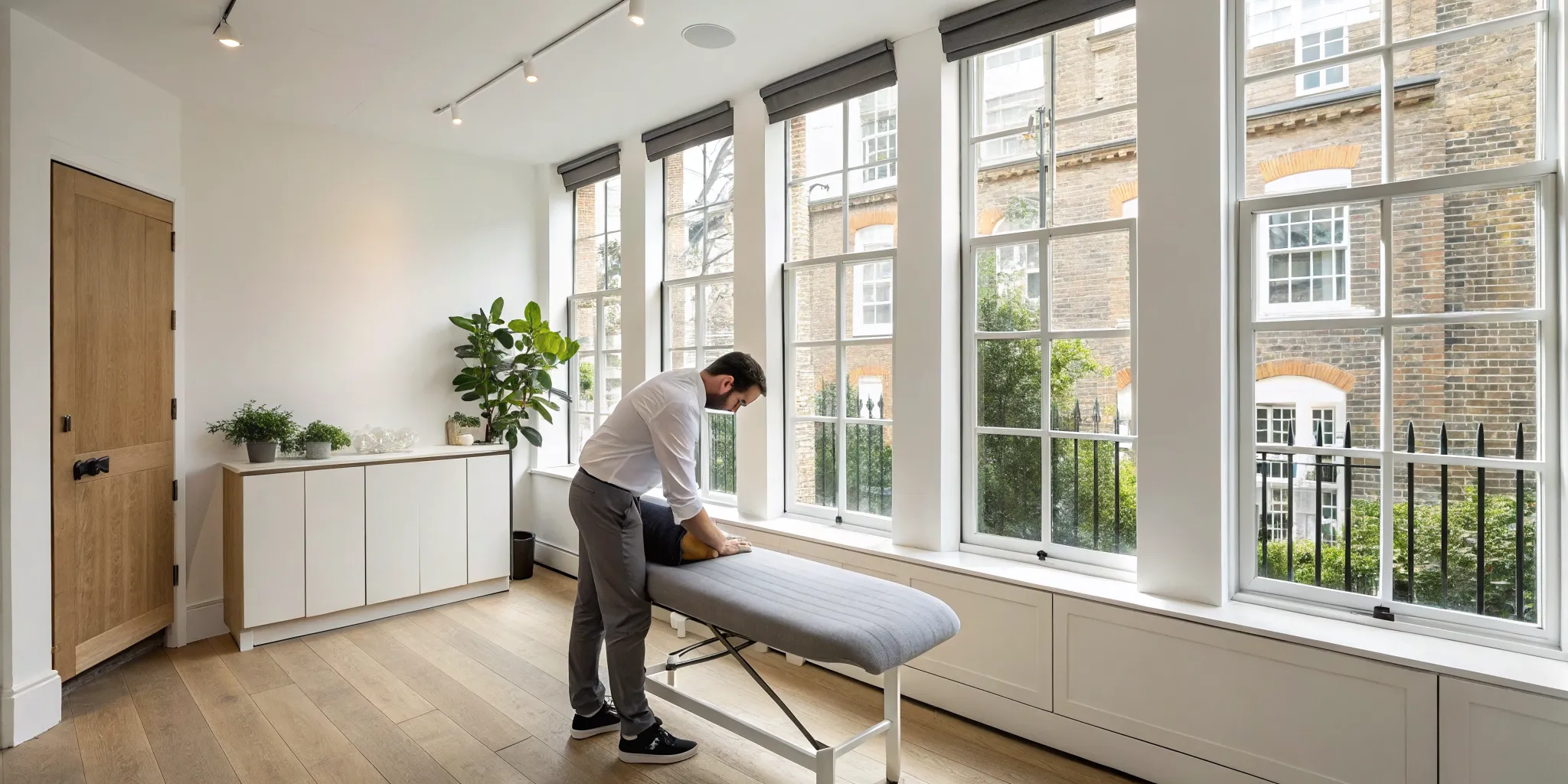
By correcting this foundational imbalance, we can restore proper communication between your brain and body. This process helps take the pressure off your entire nervous system, allowing your body to heal itself naturally. Our clinic uses gentle, specific techniques like Quantum Spinal Mechanics (QSM3) to restore your body’s balance without any forceful twisting or popping. This method gets to the root of the problem, offering a path to long-term relief from a variety of conditions we help.
With the QSM3 method, we view your body as a whole, integrated system. The goal is to restore your body’s natural balance by focusing on the upper cervical spine—the critical junction where your head meets your neck. A misalignment here can cause your entire body to compensate, leading to tension and pressure on your lower back and sciatic nerve. Our approach uses precise measurements and gentle adjustments to correct this foundational issue. By restoring proper alignment, we take the strain off your nervous system, allowing your body to heal itself. We use Quantum Spinal Mechanics (QSM3) to achieve this without any forceful twisting, providing a path to long-term relief from pain.
Beyond adjustments, modern technology offers powerful, non-invasive ways to accelerate your body’s healing process. Therapies like Laser Therapy and Tissue Regenerative Technology (TRT) work at a cellular level to reduce pain and repair damaged tissue without medication or surgery. These treatments are excellent complements to chiropractic care, helping you feel better faster.
Laser Therapy uses specific wavelengths of light to penetrate deep into tissues, reducing inflammation and stimulating cellular repair. It’s a painless way to soothe irritated nerves and muscles. Similarly, Tissue Regenerative Technology uses gentle pressure waves to improve blood flow and trigger your body’s natural healing mechanisms in the affected area. Both therapies can be incredibly effective for the inflammation and tissue damage associated with herniated discs and sciatica.
Strengthening the muscles that support your spine is a crucial part of recovery and prevention. A physical therapist can design a personalized exercise program to improve your core strength, increase flexibility, and correct any muscular imbalances that may be contributing to your pain. The right exercises can help stabilize your spine and reduce the pressure on your discs and the sciatic nerve.
A typical program includes a mix of gentle stretching, core-strengthening exercises like planks and bird-dogs, and low-impact aerobic activity like walking or swimming. The key is consistency and proper form. A professional can guide you through the movements to ensure you’re performing them safely and effectively. This active approach empowers you to take control of your recovery and build a stronger, more resilient back.
The McKenzie Method is a popular physical therapy approach that puts you in the driver's seat of your recovery. Instead of relying solely on passive treatments, it teaches you specific exercises designed to "centralize" your pain. This means the goal is to move the pain from your leg or foot back toward its source in your lower back. Once the pain is centralized, it's often easier to manage and resolve. This method is all about active participation; you'll learn which movements provide relief and which to avoid, empowering you to manage your symptoms and improve your spinal alignment on your own. It’s a great way to understand your body better and take an active role in your healing journey.
When a nerve is compressed, it can become tense and lose its ability to slide and glide freely within the surrounding tissues. That’s where nerve mobilization exercises, sometimes called "nerve glides" or "nerve flossing," come in. Think of it like gently untangling a snagged cord. These exercises are not about aggressive stretching but rather about performing slow, controlled movements that gently mobilize the sciatic nerve. This helps reduce tension and improve its flexibility, allowing it to move more freely and reducing the pain, tingling, and numbness caused by compression. A professional can show you the right techniques to ensure you’re helping, not hurting, the irritated nerve, which is a common issue in everything from sciatica to sports injuries.
Sometimes, your body needs a little hands-on help to release tension and create space for healing. Passive treatments like deep tissue massage and spinal traction can be incredibly effective. Deep tissue massage goes beyond relaxation to target the deep layers of muscle and connective tissue that may be tight and contributing to your pain. By releasing these knots, it can help alleviate pressure on your spine. Traction works by gently stretching the spine, which can help create more space between your vertebrae. This can allow a bulging disc to retract and take pressure off the sciatic nerve. These therapies are often part of a comprehensive care plan designed to reduce discomfort and support your body’s natural healing process, which we can discuss when you become a new patient.
If you’re looking for additional ways to manage your pain, alternative therapies like acupuncture can be a great option. This ancient practice involves inserting very thin needles into specific points on the body to stimulate energy flow, or Qi. From a modern medical perspective, acupuncture is thought to help reduce inflammation, improve blood flow, and trigger the release of endorphins, your body’s natural painkillers.
Many people find that acupuncture provides significant relief from the nerve pain associated with sciatica and herniated discs. It’s often used as part of a comprehensive treatment plan that may also include chiropractic care and physical therapy. Exploring these holistic options can give you another valuable tool for managing your symptoms and supporting your body’s overall well-being.
Corrective care is the foundation of your recovery, but the small choices you make every day are what build a truly resilient spine. Think of it as a partnership: we work to correct the structural issues, and you support that healing process with habits that reduce stress on your body and mind. These adjustments aren't about overhauling your entire life overnight. Instead, they are simple, powerful steps you can take to manage pain, accelerate healing, and protect your back for the long haul. Let's explore a few key areas where you can make a real difference in your own recovery.
Your body does its most important repair work while you sleep, making quality rest non-negotiable when you're healing from a herniated disc. During deep sleep, your body increases blood flow to your muscles and tissues, delivering the oxygen and nutrients needed to repair damage. To get the most out of your nights, try to establish a consistent sleep schedule, even on weekends. Create a restful environment by making your bedroom as dark, quiet, and cool as possible. It also helps to power down screens at least an hour before bed, as the blue light can interfere with your body's natural sleep signals. These simple habits can significantly support the healing process that our corrective care initiates.
Chronic pain isn't just a physical experience; it has a powerful mental and emotional component. When your nervous system is on high alert from constant pain signals, even small triggers can feel amplified. You can learn to manage this response by paying attention to what makes your pain worse, like stress or anxious thoughts. Simple mind-body practices like deep breathing or mindfulness meditation can help calm your nervous system and change your relationship with pain. The goal isn't to ignore the discomfort but to keep it from controlling your life. By reducing your body's stress response, you create a better internal environment for healing, which perfectly complements the work we do to restore your body’s physical structural balance.
During a painful flare-up, a lumbosacral back brace can feel like a supportive hug for your lower back. By providing external stability, a brace can help take some pressure off the irritated nerves and discs, offering temporary relief while you move through your day. Think of it as a helpful tool, not a long-term solution. While it can make daily activities more manageable, it’s important not to become overly reliant on it, as your own core muscles need to do the work of supporting your spine. A brace is most effective when used as part of a comprehensive recovery plan that includes corrective care and strengthening exercises. If you're considering one, it's a good idea to discuss it with a professional to ensure it's the right choice for your specific situation as a new patient.
When you’re dealing with the intense, radiating pain of a herniated disc or sciatica, finding immediate relief is often the top priority. Medications and injections can play a role in managing severe symptoms, especially in the early stages. These treatments are designed to reduce inflammation and block pain signals, which can give you a much-needed break from discomfort.
While these options can be effective for short-term relief, it’s helpful to view them as tools to manage symptoms rather than a permanent fix. They can calm things down enough for you to comfortably pursue treatments that address the root cause of the problem, like correcting the spinal misalignment that’s putting pressure on your nerves. Let’s walk through the most common medical interventions so you know what to expect.
For mild to moderate pain, your first instinct might be to reach for something from the pharmacy shelf. Over-the-counter (OTC) pain relievers, like ibuprofen (Advil, Motrin) and naproxen (Aleve), are nonsteroidal anti-inflammatory drugs (NSAIDs). They work by reducing inflammation, which can help ease the pressure on the sciatic nerve. Acetaminophen (Tylenol) is another option that works on pain but doesn't target inflammation specifically. While these can be helpful for taking the edge off, they aren’t a long-term solution and won’t correct the structural issue causing the pain.
When you're choosing an over-the-counter pain reliever, the main decision comes down to NSAIDs versus acetaminophen. The key difference is inflammation. NSAIDs, like ibuprofen (Advil) and naproxen (Aleve), are specifically designed to reduce inflammation. Since the pain from a herniated disc and sciatica is often caused by swelling that presses on a nerve, an NSAID can help by calming that inflammation and temporarily easing the pressure. Acetaminophen (Tylenol), on the other hand, works by changing how your brain perceives pain, but it doesn't address the inflammation itself. While both can offer a temporary break from the pain, neither will fix the underlying structural problem. Lasting wellness comes from addressing the root cause, which is the focus of corrective care that restores your body's natural alignment.
If OTC options aren't cutting it, your doctor might suggest prescription-strength medications. This could include more powerful NSAIDs to fight inflammation, muscle relaxants to ease painful spasms in your back, or specific medications designed to target nerve pain. These drugs can provide significant relief and help you get through a severe flare-up. They are typically prescribed for short-term use to help you manage acute pain. The goal is to reduce symptoms enough so you can begin other therapies that focus on lasting wellness and address the root cause of your condition.
Because nerve pain is different from the pain you’d feel from a pulled muscle, it often responds to a different class of medication. Your doctor might prescribe drugs originally developed to treat seizures or depression, as these can be very effective at calming overactive nerve signals. These prescription-strength medications work by changing how your body sends and perceives pain signals, which can significantly reduce the burning, tingling, or shooting sensations of sciatica. While they can provide much-needed relief during a severe flare-up, it's important to see them as a tool for symptom management. They don't fix the underlying structural problem, but they can make you comfortable enough to pursue treatments that address the root cause.
In situations where the pain is exceptionally severe and isn't responding to other treatments, a doctor may prescribe an opioid for a very limited time. These are powerful pain-blocking medications that are only considered for acute, short-term use to help you get through a crisis. Due to the significant risks, including the potential for dependence, opioids are not a sustainable solution for managing chronic pain from a herniated disc. They are best viewed as a temporary bridge—something to get you through the worst few days of a flare-up. The primary goal is always to manage your pain so you can begin creating a plan for lasting wellness that doesn't rely on heavy medication.
For persistent and severe sciatica, an epidural steroid injection is another common medical treatment. During this procedure, a doctor injects a powerful anti-inflammatory medication (a corticosteroid) directly into the space around the irritated nerve in your spine. This can dramatically reduce swelling and inflammation, providing relief that can last for several months. While these injections have a high success rate for temporarily easing pain, they don't fix the herniated disc itself. They are a way to manage symptoms, often used to create a window of opportunity for you to engage in corrective care, like our QSM3 technique, without being limited by severe pain.
When the pain is relentless, an injection can feel like a lifeline. They work by delivering a powerful anti-inflammatory medication directly to the inflamed nerve root, calming the irritation and providing significant, albeit temporary, relief. For many people, this relief can last for several months. However, it's important to see these injections for what they are: a powerful tool for symptom management, not a cure for the herniated disc itself. Think of it as pressing the "pause" button on your pain. This creates a valuable window of opportunity where you're comfortable enough to start the real work of healing—to engage in corrective care that addresses the structural problem.
In some cases, before a treatment plan is set, your doctor might want to pinpoint the exact nerve that’s causing all the trouble. This is where a diagnostic nerve block, also known as a Selective Nerve Root Block (SNRB), comes in. The procedure involves injecting a combination of a local anesthetic and a steroid near the suspected nerve root. It serves a dual purpose: the medication helps reduce inflammation and block pain signals for immediate relief, but the main goal is diagnostic. If your pain disappears after the injection, it confirms that the doctor has targeted the correct nerve. This information is incredibly valuable for planning further treatment and is one way to get clarity on your condition, which is the first step toward any effective solution.
Hearing the word “surgery” can feel overwhelming, but for most people with herniated discs and sciatica, it isn’t necessary. Many cases resolve with conservative care that addresses the root of the problem. However, there are specific situations where surgery becomes a reasonable option to discuss with your doctor. It’s about knowing the signs that your body isn’t responding to other treatments and understanding all the paths available for your recovery. The goal is always to find the most effective and least invasive solution.
If you’ve been diligent with conservative treatments but aren’t seeing results, it can be frustrating. Talk to your doctor if your pain has lasted for more than six weeks without improving, or if it’s making it difficult to stand or walk. If your symptoms are severely affecting your daily life and mental health, that’s another key indicator. Some symptoms require more urgent attention, like worsening leg weakness or any changes in bowel or bladder control. These are signs to seek medical advice right away to determine the best course of action for the conditions you're facing.
If surgery is on the table, your doctor will aim for the least invasive procedure possible. The most common surgery is a microdiscectomy, where a surgeon removes the portion of the disc pressing on the nerve. Other procedures, like a laminectomy, also create more space for the nerve. Recovery from these modern procedures is often faster than you might think. Many people go home the same day and can expect to feel fully recovered in about six weeks, allowing them to get back to their lives with less pain.
This is the most common surgery for a herniated disc, and for good reason. A microdiscectomy is a minimally invasive procedure where the surgeon makes a small incision to remove only the piece of the disc that is pressing on your nerve. Think of it as a targeted clean-up job rather than a major overhaul. The goal is simply to relieve the pressure and give the nerve space to heal. Because it's such a precise surgery, the recovery is often quick. Most people can go home the same day and are typically back to their normal activities within about six weeks.
A more modern option, artificial disc replacement, is designed to preserve the natural movement of your spine. Instead of just removing the problematic piece of the disc, this procedure involves replacing the entire damaged disc with a new, artificial one. This is a key difference from spinal fusion, which limits movement. An artificial disc replacement aims to restore the height and function of the original disc, allowing you to bend and twist more naturally after you've healed. It can be used for discs in both the neck and lower back, with most people feeling recovered within about three months.
Spinal fusion is a more involved surgery that’s typically reserved for cases of severe instability or pain that haven’t responded to any other treatment. In this procedure, a surgeon permanently joins two or more of your vertebrae together, essentially creating one solid bone. This eliminates the painful motion between those bones. While it can be very effective for reducing pain, the trade-off is a permanent loss of flexibility in that section of your spine. It's rarely the first choice for a simple herniated disc, and the recovery can be lengthy, taking anywhere from six weeks to six months.
If you're looking for the least invasive option, this might be it. An endoscopic foraminoplasty is a procedure designed to relieve pressure on a nerve as it exits the spinal column. Your nerves pass through small bony tunnels called foramina, and sometimes these tunnels can become narrowed. Using a tiny camera (an endoscope), a surgeon can go in and clear out whatever is pinching the nerve, creating more space. Because the incision is so small and the disruption to surrounding tissue is minimal, the recovery is remarkably fast. Most people are able to return to work and light activities within one to two weeks.
Making the choice between surgery and continued conservative care is a personal decision made with your healthcare team. It’s reassuring to know that most herniated discs heal on their own, and up to 80% of people find relief without an operation. Before considering surgery, it’s vital to explore non-surgical treatments that focus on correcting the underlying cause of your pain. At Lazar Spinal Care, we specialize in upper cervical chiropractic care that helps your body heal itself naturally. We can help you determine if your problem is fixable without invasive procedures.
Every surgery comes with potential risks, and it’s important to be aware of them. For spinal procedures, these can include infection, bleeding, nerve damage, or the possibility that the disc could herniate again in the future. However, it's also helpful to know that surgical techniques have advanced significantly. Procedures like microdiscectomy are minimally invasive and designed to get you back on your feet quickly. Many people can go home the same day and expect a full recovery in about six weeks. The goal of surgery is to relieve the pressure on the nerve, and for the right candidates, it can be very successful in reducing pain and restoring function.
Before you commit to a surgical plan, it’s always a good idea to get a second opinion. This isn’t about doubting your doctor; it’s about empowering yourself with as much information as possible. Remember, up to 80% of people with a herniated disc find relief without ever needing an operation. A second opinion, especially from a provider with a different specialty, can open your eyes to non-surgical options you may not have considered. At our clinic, we focus on identifying and correcting the root cause of your pain. We can help you understand if a non-invasive, corrective approach could work for you. Exploring all your options is a crucial step in making a confident decision about your health, and we welcome all new patients looking for clarity.
Once you're on the path to recovery, the focus shifts to keeping your spine healthy for the long term. Preventing future flare-ups is about incorporating small, consistent habits into your daily life that support your spine and overall well-being. These simple strategies can make a world of difference in maintaining your progress and living without the fear of returning pain.
A strong, flexible body is your spine's best defense. Your core muscles—in your abs, back, and hips—act as a natural brace, stabilizing your spine during movement. When these muscles are weak, your spinal discs and ligaments take on extra strain. A physical therapist can show you safe exercises to build strength and improve flexibility without aggravating an injury. Gentle activities like walking and swimming also help maintain your range of motion. Our goal is to restore your body's natural alignment through specialized techniques, and building strength is a key part of that journey.
Two gentle stretches you can try at home are the Cat-Cow and the piriformis stretch. For the Cat-Cow, start on your hands and knees. As you exhale, round your spine toward the ceiling like a cat, and as you inhale, let your belly drop toward the floor. This simple movement helps improve spinal flexibility and can ease lower back tension. The piriformis stretch is also great for sciatica. Lie on your back with your knees bent, cross one ankle over the opposite knee, and gently pull that thigh toward your chest until you feel a stretch in your buttock. Holding these gentle stretches can help release tight muscles that contribute to pain, supporting the work we do to restore your body's natural alignment. These movements are a great first step in building a more resilient spine, complementing the advanced techniques we use to foster long-term healing.
The way you sit, stand, and move every day has a huge impact on your spine. Poor posture puts uneven pressure on your discs, which can lead to pain over time. Start by paying attention to your body throughout the day. When sitting, keep your feet flat on the floor and your back straight. If you work at a desk, make sure your screen is at eye level. It's also important to get up and stretch often to avoid staying in one position for too long. These small adjustments reduce daily wear and tear. We're here to help new patients address the root cause of postural issues.
Certain lifestyle habits directly affect the health of your spinal discs. Carrying extra weight increases the load on your lower back, which can compress the spine and contribute to disc problems. Maintaining a healthy weight is one of the kindest things you can do for your back. Similarly, smoking can harm your discs by reducing blood flow, which slows down their ability to repair themselves and can lead to premature degeneration. Making positive changes in these areas supports your overall wellness and can improve a wide range of conditions.
Finding the right path to recovery from a herniated disc or sciatica isn't about following a one-size-fits-all checklist. It’s about creating a plan that’s tailored specifically to you, your body, and your life. Your healing journey is unique, and your treatment plan should reflect that. By working with professionals, exploring different therapies, and setting achievable goals, you can take control of your recovery and get back to feeling like yourself. This approach ensures you’re not just masking symptoms but addressing the root cause of your pain for lasting relief.
You don’t have to figure this out on your own. The most important first step is to partner with a healthcare professional who will listen to your concerns and conduct a thorough evaluation. A personalized treatment plan is essential because the exact cause and severity of a herniated disc can vary so much from person to person. Your provider can help you understand your specific situation and outline the most effective steps for your recovery. Look for a team that focuses on uncovering the source of your problem rather than just treating the pain. When you’re ready, you can request an appointment to get a clear diagnosis and a plan designed just for you.
Most people with herniated discs and sciatica find relief without ever needing surgery. The best approach often involves a combination of different non-surgical treatments. For many, this starts with foundational care like upper cervical chiropractic adjustments to address spinal alignment. Your plan might also include physical therapy to build strength and flexibility, or at-home care like using ice packs to reduce initial swelling, followed by heat to soothe muscles. At Lazar Spinal Care, we use a variety of advanced techniques, including Laser Therapy and Tissue Regenerative Technology, to support your body’s natural healing process. The goal is to find the right mix of therapies that work together to reduce your pain and improve your function.
Patience is a huge part of the healing process. While many mild cases of sciatica start to improve within four to six weeks, more severe issues can take a few months to resolve. It’s important to set realistic expectations and celebrate the small victories along the way. Maybe this week you can walk a little farther without pain, or you can sit comfortably through a meal. These are signs of progress. Keep an open line of communication with your healthcare provider about how you’re feeling. They can adjust your treatment plan as you heal and help you understand what to expect next. Remember, healing isn't always a straight line, but consistent effort makes a world of difference.
Why does a problem in my back cause pain all the way down my leg? This happens because a herniated disc in your lower back can press on the sciatic nerve, which is the longest nerve in your body. Think of it like stepping on a garden hose; the pressure at one point affects the flow all the way to the end. The sciatic nerve starts in your lower back and runs down through your hip and leg, so when it's irritated at the source, it sends pain signals along its entire path.
Will I definitely need surgery for a herniated disc? It's highly unlikely. The vast majority of people with herniated discs and sciatica find lasting relief through non-surgical treatments. Surgery is typically only considered after conservative options have been tried for several weeks without success, or in rare cases where there are severe symptoms like significant leg weakness or loss of bladder control. The first step is always to explore less invasive care that addresses the root cause.
Is it safe to exercise when I'm in pain from a herniated disc? Yes, gentle movement is not only safe but also highly recommended. While you should avoid activities that cause sharp pain, staying completely still can make your muscles stiff and prolong your recovery. Short walks and specific, gentle stretches can help reduce inflammation and keep your spine flexible. The key is to listen to your body and focus on movement that feels supportive, not strenuous.
How is upper cervical chiropractic different from general chiropractic for this issue? While general chiropractic can be helpful, upper cervical care focuses specifically on the alignment of the top two bones in your neck. A misalignment here can create a chain reaction that affects your entire posture and puts stress on your lower back. By gently correcting this foundational issue, we help your whole body return to its natural, balanced state, which can relieve pressure on the herniated disc and irritated nerves without any forceful twisting of the lower back.
How long will it take for the pain to go away? Recovery time really varies from person to person and depends on the severity of the issue. Many people start to feel significant improvement within four to six weeks of starting a consistent treatment plan. For others, it might take a few months. The goal is to see steady progress, even if it's gradual. Healing is a process, and focusing on consistent care is the best way to achieve lasting relief.