.png?width=150&height=60&name=2026%20LSC%20Logo%20(2).png)
Back Pain

When nerve damage scrambles the signals between your brain and body, it causes the debilitating symptoms of neuropathy. Conventional medicine often just tries to silence these signals with drugs. That’s like turning down a fire alarm instead of putting out the fire. My approach is different. I focus on regeneration, helping your body heal the underlying damage. Using advanced laser therapy neuropathy treatment, we can help repair nerve tissue and improve circulation. Combined with gentle chiropractic care, this dual strategy ensures your nervous system has a clear pathway to function correctly, offering a path to real, lasting relief.
If you're dealing with strange sensations like tingling, numbness, or pain in your hands or feet, you might be experiencing neuropathy. It’s a condition that happens when the nerves connecting your brain and spinal cord to the rest of your body become damaged. This damage disrupts the communication between your nerves and your brain, leading to a host of uncomfortable and often debilitating symptoms. Understanding what’s happening in your body is the first step toward finding real relief.
The symptoms of neuropathy often start subtly and can vary from person to person. You might first notice a persistent tingling or a "pins and needles" feeling in your fingers or toes. For many, this progresses to outright numbness, making it difficult to feel things properly. Others experience more intense sensations, like sharp, stabbing, or burning pain that seems to come out of nowhere. Beyond these sensations, neuropathy can also lead to muscle weakness in the affected areas. This can make simple actions feel challenging and may affect your coordination, leaving you feeling unsteady on your feet. These symptoms aren't just "in your head"; they are real signals that your nerves are in distress.
Living with neuropathy is more than just managing physical symptoms; it can fundamentally change your day-to-day life. When your feet are numb or weak, your balance can suffer, making walking feel precarious and increasing your risk of falls. Simple tasks you once took for granted, like buttoning a shirt or holding a coffee cup, can become frustrating challenges. The constant pain or discomfort often gets worse at night, making it incredibly difficult to get restful sleep. This chronic sleep deprivation can affect your mood, energy levels, and overall health. Over time, these challenges can chip away at your sense of independence and well-being, which is one of the many conditions we can help you address.
It’s tempting to brush off that initial tingling or numbness, hoping it will simply disappear. However, ignoring the early signs of neuropathy is a risk that isn't worth taking. When left untreated, the underlying nerve damage can worsen, leading to more severe problems like a loss of balance that causes falls, non-healing wounds that can lead to serious infections, and chronic pain that disrupts your life. Many people end up on a cycle of pain medications that only mask the symptoms and often come with unwanted side effects. The longer the root cause goes unaddressed, the more difficult it can be to manage the long-term complications, which is why seeking help early is the best way to protect your mobility and independence.
While many people associate neuropathy with diabetes, it’s important to know that it can stem from a wide range of causes. A physical injury, for instance, can directly damage nerves and lead to neuropathic pain. This is something we often see in patients who have been in auto accidents or have sustained sports-related trauma. Other causes can include infections, exposure to certain toxins, vitamin deficiencies, and autoimmune diseases. Because the origin isn't always obvious, getting a thorough and accurate diagnosis is key. Identifying the root cause is a critical part of creating a treatment plan that does more than just manage symptoms; it aims to resolve the underlying issue for lasting relief.
Diabetic neuropathy is an incredibly common complication, affecting nearly half of all people with diabetes. This happens because, over time, high blood sugar levels can damage your nerves, leading to a range of uncomfortable sensations. This nerve damage is what causes the familiar and frustrating symptoms of neuropathy, such as persistent pain, tingling, and numbness, especially in the hands and feet. If this underlying issue isn't addressed, the condition can worsen and lead to more serious problems. Research shows that untreated neuropathy can increase the risk of falls, slow-healing infections that can become dangerous, and in severe cases, even the need for amputation. This is why it's so important for anyone with diabetes to be proactive about their nerve health and seek out effective treatment options that address the root cause.
If you've tried conventional treatments for neuropathy, you may have felt frustrated by the results. Many standard approaches rely on prescription medications that are designed to mask the pain signals your nerves are sending. While they might offer some temporary relief, they don't do anything to address the underlying nerve damage. Plus, these medications can come with a long list of undesirable side effects that can impact your quality of life. In some cases, surgery is recommended, but it carries its own risks and doesn't guarantee a solution. This cycle of managing symptoms without fixing the core problem is why so many people seek a different approach. As a new patient, we focus on finding and treating the source of your neuropathy.
If you're looking for relief without relying on medication, you've likely tried things like topical creams or a TENS unit. While they might provide a brief distraction from the pain, they don't get to the heart of the problem. Creams only affect the surface of your skin, and TENS units simply use electrical signals to interrupt pain messages—it’s another form of masking the issue. Our approach with advanced Laser Therapy is fundamentally different. It works on a much deeper cellular level, penetrating into damaged tissue to reduce inflammation and kickstart your body's natural repair processes. This isn't about a temporary fix; it's about helping your body truly heal for more significant and lasting results.
Shockwave therapy is another drug-free treatment that's gaining attention, and for good reason. It uses acoustic waves to help break down scar tissue and stimulate healing in damaged areas. At our clinic, we utilize a similar, highly advanced treatment called Tissue Regenerative Technology (TRT). Both laser therapy and TRT are fantastic non-invasive options that can reduce pain and help you move more freely. For many of our patients with neuropathy, we find that combining these treatments delivers the most powerful results. While laser therapy focuses on reducing inflammation and repairing nerve cells, TRT works to improve circulation and release tissue restrictions. Together, they create a synergistic effect that promotes comprehensive healing from the inside out.
If you're tired of neuropathy treatments that only seem to mask the symptoms, you're not alone. Many standard approaches fail to address the root cause: the damaged nerves themselves. This is where laser therapy offers a different path. It’s a non-invasive, drug-free treatment that uses focused light energy to stimulate your body’s own healing mechanisms. Instead of just managing pain, it works to repair the underlying nerve damage, offering a chance for real, lasting relief.
This technology is a significant step forward in treating nerve-related conditions. It doesn't involve injections or medication, so you can avoid unwanted side effects while pursuing a solution that promotes actual healing. The process is gentle and works in harmony with your body. By targeting the problem at a cellular level, laser therapy helps create the ideal conditions for nerve regeneration. This means it can help with a wide range of symptoms, from the tingling and numbness in your hands and feet to the sharp, burning pain that disrupts your daily life and sleep. It’s about restoring function and improving your quality of life, not just putting a temporary patch on the problem. Let's look at exactly how this technology works to get you back on your feet.
Think of laser therapy as a way to give your nerves the support they need to heal themselves. This treatment works at a cellular level, which is why it’s so effective. During a session, a powerful, non-invasive laser sends light energy deep into your tissues to reach the damaged nerves. This energy helps kickstart the natural repair process within the nerve cells. It’s not a surface-level fix; it’s a way to promote genuine healing from the inside out. By helping your body repair the very source of the problem, laser therapy can reduce symptoms like pain, tingling, and numbness, helping you regain feeling and function.
At its core, laser therapy works by giving your cells a much-needed energy infusion. Every cell in your body, including your nerve cells, runs on a type of energy called ATP. You can think of it as the cellular equivalent of a rechargeable battery. When nerves are damaged, their batteries are drained, and they don't have enough power to carry out their repair functions. Laser therapy uses specific wavelengths of light that penetrate the tissue and are absorbed by the cells, essentially recharging those batteries. This surge in cellular energy helps improve blood flow, delivering more oxygen and nutrients to the damaged nerves while flushing out waste products. This process reduces inflammation and gives your nerves the fuel they need to start rebuilding and functioning properly again.
One of the most immediate benefits of laser therapy is its ability to provide natural pain relief. Instead of relying on medications that simply block pain signals, this treatment encourages your body to produce its own pain-relieving chemicals, known as endorphins. When the laser energy is applied to the affected area, it stimulates the nerve cells in a way that triggers the release of these powerful, feel-good compounds. This creates a natural analgesic effect, reducing the sharp, burning, or tingling sensations associated with neuropathy. It’s a way to manage pain without the side effects that often come with prescription drugs, allowing your body to find comfort while it actively heals. This is a key reason we can help with so many different painful conditions.
Over time, chronic inflammation and injury can cause internal scar tissue, or fibrosis, to build up around your nerves. This scar tissue can compress or "choke" the nerves, making your symptoms even worse and hindering the healing process. Laser therapy is incredibly effective at addressing this issue. The light energy helps to soften and break down this restrictive scar tissue, freeing the nerve and restoring its ability to communicate properly. It also stimulates the production of special proteins that are essential for nerve cell function and repair. By clearing away these physical obstructions, we can improve nerve signaling and create a better environment for long-term healing, which is a core part of the advanced techniques we use in our clinic.
Two of the biggest roadblocks to healing are poor circulation and chronic inflammation. Laser therapy tackles both. The light energy from the laser helps widen your blood vessels, which increases blood flow to the affected areas. This is incredibly important because your blood carries the oxygen and nutrients your damaged nerves are desperate for. At the same time, the laser helps reduce swelling and calm inflammation, which is a major source of neuropathic pain. By creating this improved environment, laser therapy gives your nerves the best possible chance to regenerate and heal, addressing the painful symptoms of neuropathy at their source.
It's one thing to understand how laser therapy is supposed to work, but it's another to see the proof. When you're living with daily pain, you want to know that a treatment has been shown to make a real difference. The good news is that the clinical evidence for laser therapy is very encouraging, showing it does more than just provide temporary relief.
When it comes to neuropathy, the number one goal is often just to make the pain stop. Clinical research shows that deep tissue laser therapy is incredibly effective at doing just that. One study focusing on older adults with painful diabetic nerve damage found that those who received laser therapy experienced a staggering 60% reduction in pain. To put that in perspective, the group that received a sham (or placebo) treatment only saw a 28% reduction. This highlights how laser therapy can address the underlying issues causing the pain, rather than just masking the symptoms. It’s this focus on real, measurable results that guides our approach to helping you find lasting relief.
Pain relief is a huge victory, but true recovery is about getting your life back. This is where laser therapy really shines. The same study found that the group receiving laser treatments reported a 49% improvement in their overall quality of life. The sham group? Only a 7% improvement. This shows that the benefits go far beyond just feeling less pain. It means being able to sleep through the night, walking with confidence, and getting back to the hobbies and activities you love. At our clinic, we believe that the goal of any treatment should be to improve your overall well-being, and the evidence shows that laser therapy is a powerful tool for achieving that.
Laser therapy isn't a new or experimental trend. It has been used successfully in Europe for decades and was cleared by the FDA in the U.S. back in 2003. With over 2,500 studies backing its effectiveness for pain relief and nerve healing, it's a trusted and scientifically proven treatment. At our clinic, we use advanced Class IV laser technology, which delivers a therapeutic dose of light energy deep into the tissue for maximum effect. This isn't a one-size-fits-all approach. We integrate laser therapy into a personalized plan designed to address the specific cause of your neuropathy, ensuring you get the most effective care possible. If you're curious about how this could work for you, we can answer all your questions when you come in as a new patient.
When you hear 'laser therapy,' you might picture one specific thing, but there are actually different types designed for different goals. The technology has evolved, and understanding the options helps clarify how this treatment can be so effective for conditions like neuropathy. Two common types you might hear about are Low-Level Laser Therapy (LLLT) and Multiwave Locked System (MLS) Therapy. While both use light to promote healing, they work in slightly different ways.
Low-Level Laser Therapy, often called LLLT, is a gentle approach that uses low-energy light beams to stimulate healing. These beams of light pass through your skin without any pain and get to work on reducing symptoms by targeting the source of your neuropathy. It’s a way to encourage your body’s own repair processes without drugs or invasive procedures. The goal is to calm down irritated nerves and improve their function, which is a core part of the laser therapy we provide. By focusing on the root cause, LLLT aims to provide more than just temporary relief; it works toward lasting improvement in your nerve health.
Multiwave Locked System (MLS) Therapy is another powerful, non-surgical option for pain relief. What makes it unique is that it uses two different wavelengths of light at the same time. One wavelength is excellent at reducing pain, while the other is specifically targeted to decrease swelling and inflammation. This synchronized, dual approach allows it to be highly effective. By tackling both pain and inflammation simultaneously, MLS therapy can accelerate the healing process for a wide range of issues. This makes it a versatile tool for many of the conditions we help our patients with, from neuropathy to other chronic pain problems. It’s another example of how advanced technology can be used to support the body’s natural ability to recover.
While advanced laser therapy is a fantastic tool for healing damaged nerves, it works best when we also address the root cause of the problem. Think of it this way: the laser helps repair the nerve tissue, but what if something is still pinching or irritating that nerve? That’s where chiropractic care comes in. By combining these two treatments, we can both heal the damage and correct the underlying structural issue, giving you a much better chance at lasting relief. This comprehensive strategy looks at your health from all angles to help you recover more completely.
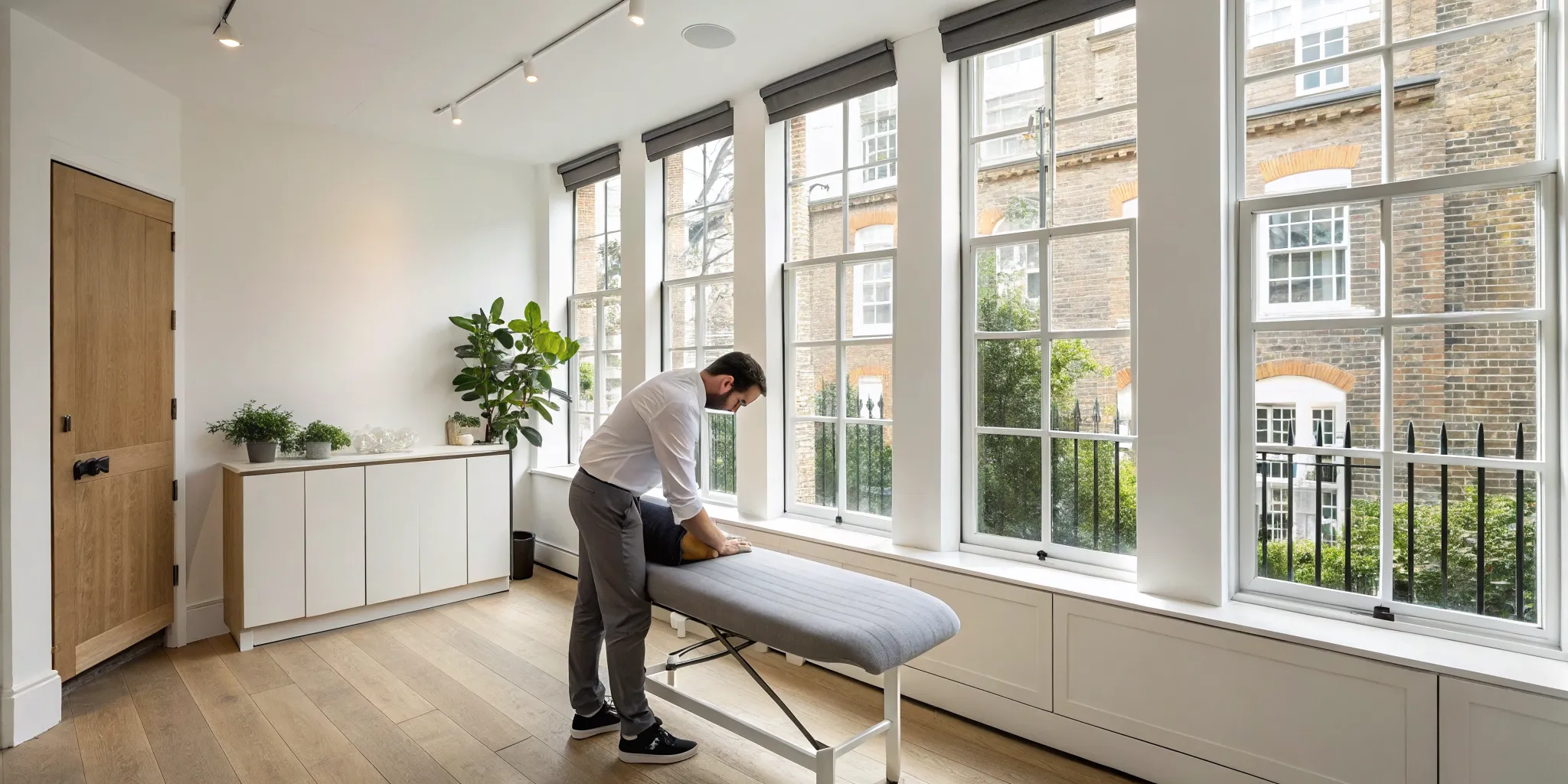
Your spine is the protective housing for your central nervous system, the master communication network that controls everything in your body. When your spine is out of alignment, it can put pressure on the delicate nerves that branch out to your arms, legs, and organs. This pressure can create interference, like static on a phone line, which can lead to symptoms of neuropathy like pain, numbness, or tingling. Chiropractic adjustments gently correct these misalignments, taking pressure off the nerves so they can communicate properly. By restoring proper nerve function, we can ease many of the conditions helped by our care, including neuropathy.
At our clinic, we don’t rely on traditional twisting or popping adjustments. We use a highly specific and gentle method called Quantum Spinal Mechanics (QSM3). This technique focuses on correcting the body's balance and posture from the top of the neck down, which releases tension throughout the entire spinal cord. By restoring your body’s structural integrity, we remove the foundational stress on your nervous system. We often pair this with other advanced treatments like Tissue Regenerative Technology (TRT), which uses sound waves to further stimulate healing in damaged tissues. This combination ensures we’re supporting your body’s recovery on every level.
When you pair laser therapy with our specific chiropractic care, you get a powerful, two-pronged approach to healing. The laser works at the cellular level, reducing inflammation, increasing blood flow, and giving your nerve cells the energy they need to repair themselves. At the same time, QSM3 chiropractic adjustments work on the structural level, creating a clear and unobstructed pathway for those nerves to function. This synergy creates the ideal environment for your body to heal. You aren't just masking symptoms; you're correcting the problem at its source, which is the key to finding real, sustainable relief. If you're ready to see how this approach can work for you, we encourage you to learn about what to expect as a new patient.
True healing isn't just about a single treatment; it's about creating a comprehensive plan that supports your body's recovery from every angle. While laser therapy is a powerful tool for nerve repair, its benefits are magnified when it's part of a holistic strategy. This means looking at the bigger picture of your health, including nutrition, gentle movement, and managing any underlying conditions that contribute to your neuropathy. Our philosophy is to work as your partner in health, combining our advanced treatments with guidance that empowers you to make supportive lifestyle choices. We believe in addressing the root cause of your health challenges, and that often involves a multi-faceted approach that goes beyond the walls of our clinic. This commitment to your overall well-being is at the core of our practice.
If you have diabetes, you know that managing your blood sugar is critical, but it doesn't always prevent the painful onset of diabetic neuropathy. Many standard treatments simply don't address the nerve damage itself. This is where laser therapy can be a game-changer. By significantly improving blood flow, the laser helps deliver vital oxygen and nutrients to your oxygen-starved nerves, creating an environment where they can finally begin to heal. This is a safe, drug-free way to complement your existing diabetes management plan. It works to repair the damage that's already been done, offering hope for reducing the tingling, burning, and numbness associated with neuropathy and improving your overall quality of life.
If you’re tired of neuropathy treatments that only mask the symptoms, you might be wondering if there’s a better way. Finding a solution that addresses the root cause without relying on medication or invasive procedures is the goal for many. This combination of advanced laser therapy and specialized chiropractic care could be the answer you’ve been searching for. Let's explore if this approach is the right fit for your journey toward relief.
For many people living with neuropathy, the idea of taking another pill is exhausting. You want a solution that helps your body heal, not just one that quiets the signals of pain and numbness. This is where advanced laser therapy comes in. It’s a non-invasive treatment that uses specific wavelengths of light to stimulate damaged nerve cells and improve circulation in the affected areas. By encouraging cellular repair and reducing inflammation at the source, this therapy offers a path to genuine relief from the tingling, burning, and weakness, all without medication.
Laser therapy on its own is powerful, but combining it with chiropractic care creates a truly comprehensive approach. Think of it this way: if your nerves are the body's electrical wiring, your spine is the main conduit. Misalignments in the spine can interfere with the nervous system's ability to function correctly. Our unique QSM3 technique helps restore proper alignment and body balance, which supports the overall health of your nervous system. When we pair this with laser therapy to target specific cellular repair, we are addressing the problem from two critical angles for more effective and lasting results.
It’s natural to wonder, "How long will this take?" While every person’s healing journey is unique, many of our patients begin to feel a noticeable improvement after just one to three treatments. The goal is to kickstart your body’s own natural healing processes. As your cells repair and inflammation subsides, you can expect a gradual reduction in symptoms. We create a personalized plan for you, and on your first visit, we’ll discuss what you can expect and how we’ll track your progress together. You can learn more about what to expect by visiting our new patients page.
While your treatment plan will be tailored specifically to you, it helps to have a general idea of what to expect. For many people undergoing laser therapy for neuropathy, a typical course of treatment involves somewhere between six and twelve sessions. These are usually scheduled two to three times per week to build momentum and give your body consistent support as it begins to heal. This frequency allows the laser energy to have a cumulative effect, progressively reducing inflammation and stimulating nerve repair. We will work with you to determine the exact frequency and duration that best suits your body’s needs, ensuring your care is as efficient and effective as possible. Our goal is to use our techniques to get you on the path to recovery without unnecessary visits.
Think of your initial treatment phase as the intensive work needed to put out the fire. Once we’ve achieved significant improvement and your symptoms have subsided, the focus shifts to keeping the fire from starting again. This is where maintenance care comes in. For many of our patients, periodic follow-up sessions every few months are recommended to sustain the progress you’ve made. These visits help ensure your spine stays in proper alignment and allow us to address any minor issues before they can become bigger problems. It’s a proactive approach to your health that helps protect your investment of time and effort, ensuring you continue to enjoy a life with less pain and more freedom, just like so many of our other patients you can read about in our patient reviews.
Your healing journey is a partnership, and your feedback is one of the most valuable tools we have. While we use advanced diagnostics to track objective changes in your nerve function and posture, your personal experience is just as important. We encourage you to keep a simple journal to note how you’re feeling day-to-day. Are you sleeping better? Is it easier to walk or stand? Has the tingling in your hands decreased? Noting these small, gradual improvements can be incredibly motivating and helps you see just how far you’ve come. It also gives us crucial information to help fine-tune your care plan. When you're ready to start your journey and track your progress toward relief, you can request an appointment with us.
Let’s clear up a common concern: this treatment is pain-free. Laser therapy doesn't involve needles, surgery, or medication. Most patients report feeling a gentle, soothing warmth during the session. There are no lingering side effects, so you can get right back to your day afterward. While any medical procedure has theoretical risks, our advanced laser is incredibly safe when administered by trained professionals. The Lazar Spinal Care team is highly experienced and takes every precaution to ensure your treatment is both comfortable and effective. Your safety and well-being are always our top priorities.
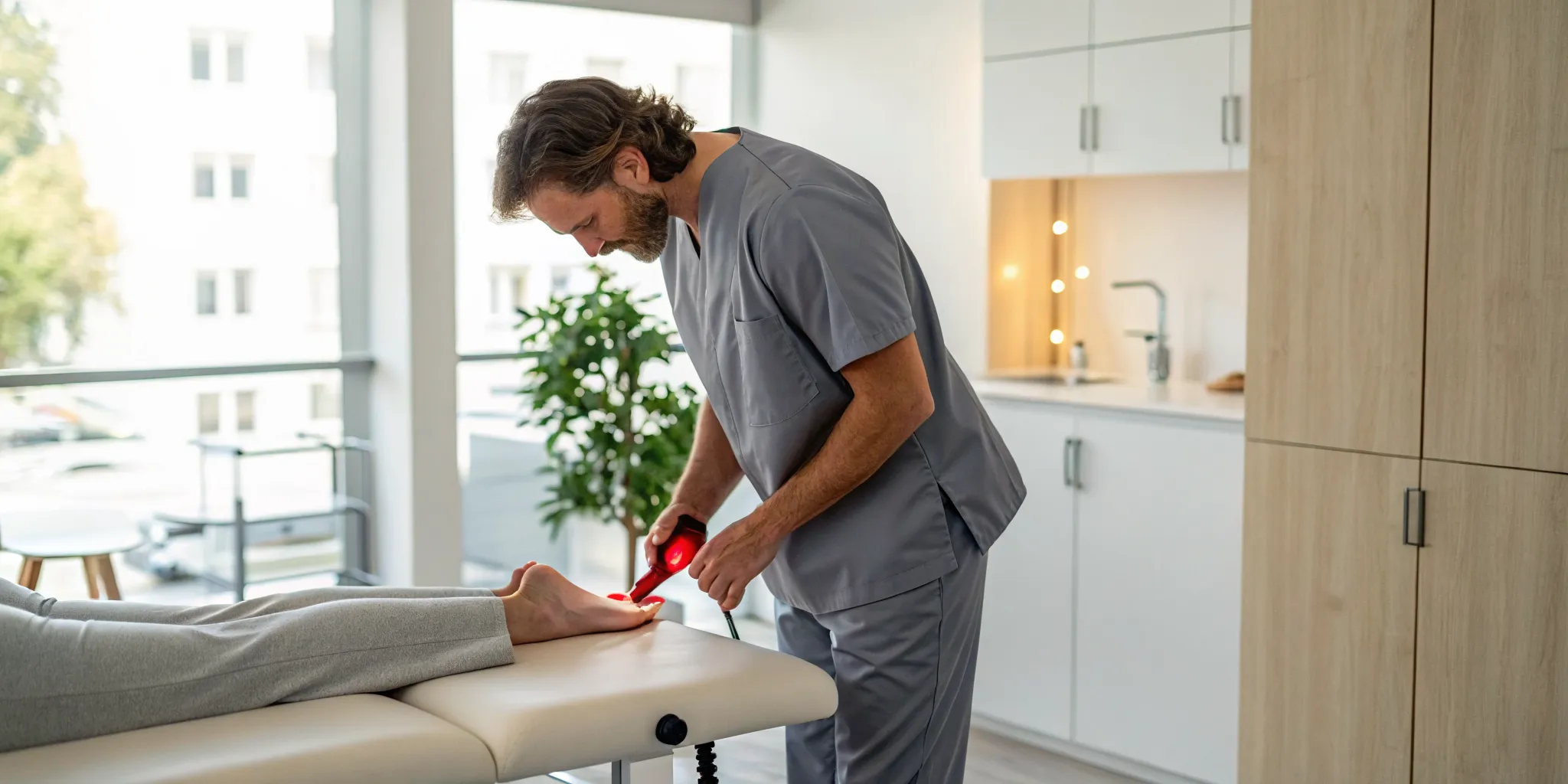
If you're picturing something from a sci-fi movie, you can relax. A laser therapy session is actually very calm and straightforward. You’ll get comfortable in a treatment room, and we’ll position the laser device over the area we’re treating, like your hands or feet. During a session, a powerful, non-invasive laser sends light energy deep into your tissues to reach the damaged nerves. This energy helps kickstart the natural repair process within the nerve cells. You won't feel any pain. Instead, most people describe a gentle, soothing warmth in the area. The entire process is designed to be comfortable and restorative, allowing you to simply relax while the technology does its work.
One of the best parts about this treatment is its convenience. Laser therapy doesn't involve needles, surgery, or medication, so you don't have to worry about the risks or side effects that come with more invasive options. Because the treatment is so gentle, there is absolutely no downtime required. There are no lingering side effects, so you can get right back to your day afterward. You can drive yourself to and from your appointment and continue with your work, errands, or family activities without interruption. This makes it easy to fit treatment into your busy schedule while taking a proactive step toward healing your body and finding lasting relief.
Let's talk about one of the most practical questions on everyone's mind: what does it cost? Deciding on a healthcare path is about more than just the treatment itself; it's also about understanding the financial investment. While advanced laser therapy is an FDA-cleared and highly effective treatment for neuropathy, its coverage by insurance can be inconsistent. This is common with newer, advanced therapies, as insurance policies can be slow to catch up with medical technology. We believe in being completely transparent about this from the start so you can make an informed decision.
Think of this treatment as an investment in your long-term well-being. While there may be an upfront cost, it’s important to weigh that against the ongoing expenses of prescription medications, co-pays for specialist visits, and the priceless cost of living with chronic pain and limited mobility. Our goal is to provide a solution that offers lasting relief, potentially reducing your reliance on other costly treatments down the road. During your initial consultation, we will walk you through all the costs and payment options available, ensuring you have a clear picture before beginning care. You can learn more about our process on our new patient page.
Here’s the straightforward truth about insurance: Medicare and most commercial insurance plans generally do not cover laser therapy for neuropathy. They often classify it as an "investigational" or "elective" service, even with its proven track record and FDA clearance. While we always recommend you check with your specific provider to understand your benefits, it's best to anticipate that this will likely be an out-of-pocket expense. We know this can be frustrating, but it’s a reality in the current healthcare landscape. Our team is here to help you understand your options and provide all the necessary documentation if you wish to submit a claim to your insurance company for potential reimbursement.
To make this effective treatment accessible, we focus on providing clear and manageable pricing. Nationally, the cost for a single laser therapy session can range from $40 to $150, depending on the clinic and the technology used. Because neuropathy treatment requires a series of sessions to achieve lasting results, most clinics, including ours, offer discounted package deals. For example, a package of multiple sessions can significantly lower the per-visit cost, making the full course of treatment more affordable. When you request an appointment, we will create a personalized treatment plan and provide a clear breakdown of the costs and package options that are right for you.
Walking into a new doctor’s office can feel a little intimidating, especially when you’ve been dealing with persistent pain for a long time. We get it. That’s why your first visit with us is all about getting to know you, understanding your health challenges, and giving you clear, honest answers. We’re not here to rush you through a generic adjustment. Instead, we take the time to conduct a thorough investigation so we can map out a precise path to relief. From the moment you walk in, our goal is to make you feel heard and hopeful.
Your symptoms, like the tingling or numbness in your hands and feet, are just the final stop on a longer journey. Our job is to trace that path back to its origin. We use advanced diagnostic tools, including PostureIQ™ and Insight™ neurological scans, to get a detailed picture of your body’s structure and nervous system function. These assessments help us see exactly what’s going on beneath the surface.
Often, the problem starts with the spine. Our chiropractic adjustments focus on correcting spinal misalignments that may contribute to nerve dysfunction. Think of it like a kink in a garden hose; a slight shift in your spine can put pressure on a nerve and disrupt communication. By improving your spinal alignment, we can help relieve that pressure and restore proper nerve flow.
Once we understand the root cause of your neuropathy, we can build a plan to fix it. There are no cookie-cutter solutions here. Each patient receives a tailored care plan based on their unique diagnostic results, ensuring that we address the specific source of your symptoms for lasting relief. Your body is unique, and your recovery plan should be too.
Your personalized plan will outline the specific therapies we recommend and the timeline for your care. It may include a combination of our specialized techniques, such as the gentle and precise QSM3 method, advanced Laser Therapy to promote nerve healing, or Tissue Regenerative Technology to support cellular repair. We’ll walk you through every step, so you know exactly what to expect as you begin your healing process.
We believe you’ve waited long enough for answers. One of our core promises is to determine if your problem is fixable after just one visit. You won’t leave our office with a vague sense of hope; you’ll leave with a clear understanding of your condition and a concrete, actionable plan for moving forward. We are committed to providing lasting wellness without a reliance on medication.
Our comprehensive initial evaluation is designed to give you clarity and confidence. If we believe we can help you, we’ll tell you how. If your condition is outside the scope of what we can fix, we’ll be honest about that, too. Your first appointment is your first step toward taking back control of your health, and we’re here to guide you. Ready to get started? You can request an appointment online today.
Does the treatment hurt? I'm worried about pain. That's a completely understandable concern, especially when you're already dealing with discomfort. The good news is that this treatment process is very gentle. During laser therapy, most people feel a soothing, pleasant warmth in the area being treated. As for our chiropractic care, we use a method called QSM3, which doesn't involve any of the twisting, popping, or cracking you might associate with other chiropractors. It’s a precise and gentle technique focused on restoring your body's balance.
How long will it take before I feel better? This is the big question, and the honest answer is that it's different for everyone. Your body's healing journey is unique. While many of our patients report feeling a positive change after just a few sessions, our focus is on creating lasting change, not just temporary relief. During your first visit, we perform a detailed assessment to understand the root of your problem. Based on those results, we create a personalized plan that gives you a realistic timeline for what to expect.
Why do I need both chiropractic care and laser therapy? Think of it like this: laser therapy helps heal the nerve tissue itself by reducing inflammation and improving circulation at a cellular level. It’s like repairing a damaged wire. However, if something is still pinching or putting pressure on that wire, the problem will just come back. Our specific chiropractic care works to correct the structural issues in your spine that are causing that pressure in the first place. Using them together ensures we are both fixing the damage and removing the cause.
My doctor said my neuropathy is permanent. Can you still help? We hear this often from new patients who feel like they've run out of options. While some conditions present significant challenges, the word "permanent" can depend on the approach. Many conventional treatments focus on managing symptoms with medication rather than addressing the underlying cause. Our approach is different. We focus on creating the ideal environment for your body to heal itself by improving nerve function and promoting cellular repair. We can determine if your condition is something we can fix during your first comprehensive visit.
What happens at the first visit if you find you can't fix my problem? Our promise to you is clarity. Your first appointment is a thorough investigation into the root cause of your health issues. We use advanced diagnostics to get a clear picture of what is happening in your body. Based on that, we give you a straightforward, honest assessment. If we are confident we can help you, we will tell you exactly how. If we determine that your condition is not something we can fix, we will be upfront about that, too, so you don't waste your time or money on a plan that won't work.