.png?width=150&height=60&name=2026%20LSC%20Logo%20(2).png)

Back Pain
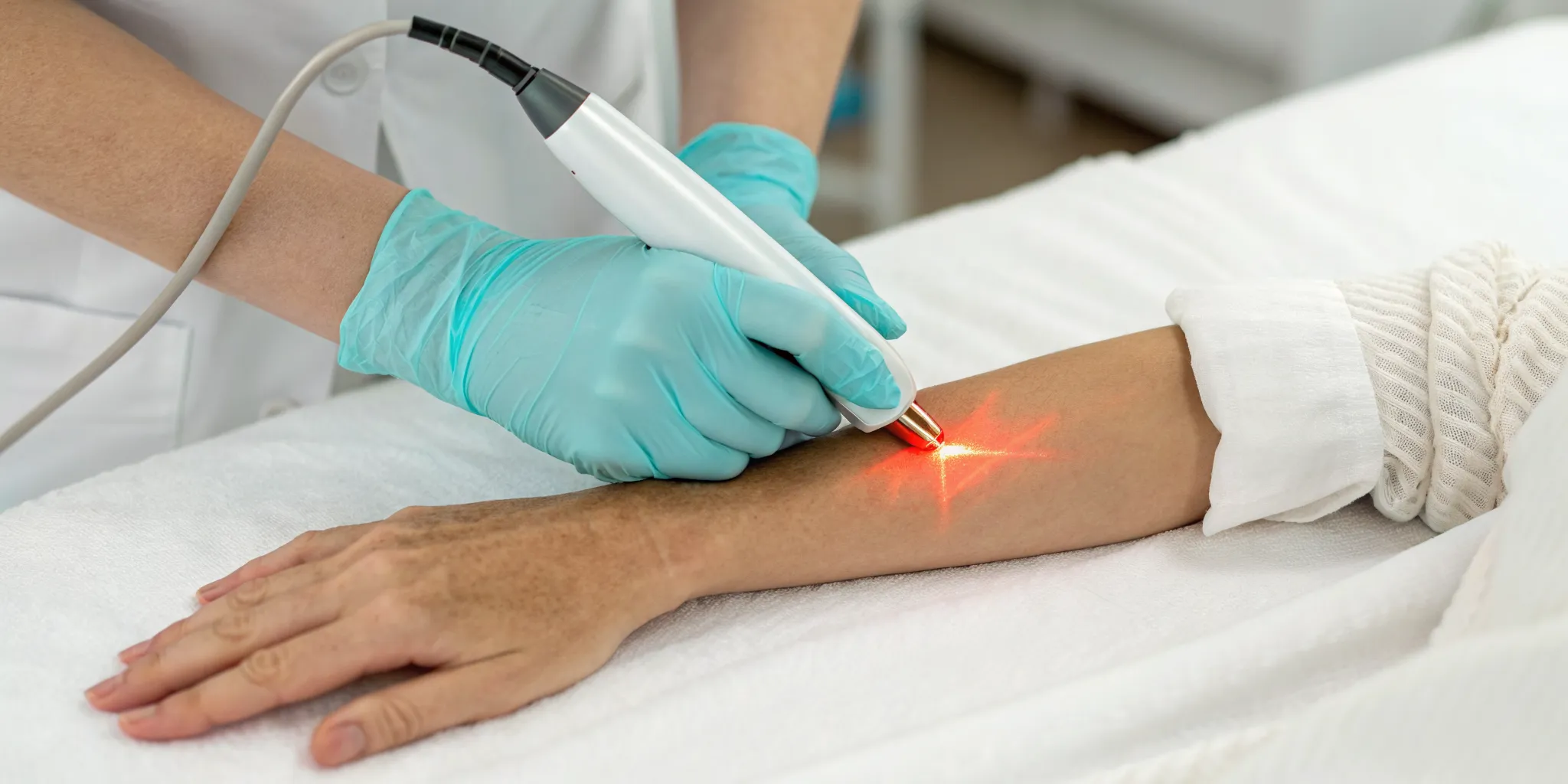

When you're dealing with complex nerve issues, a single solution rarely cuts it. For real, lasting relief, you have to address the problem from every angle. Instead of just chasing symptoms, a complete approach targets both the cellular damage and the underlying structural problems. This is exactly why combining laser treatment for nerve regeneration with chiropractic care is so effective. The laser works on a microscopic level to repair damaged nerve tissue, while precise spinal adjustments correct misalignments that disrupt your nervous system. This integrated strategy creates the perfect environment for your body to heal itself completely.
When you hear "laser," you might picture something from a science fiction movie. But in healthcare, laser therapy is a gentle, non-invasive treatment that uses light to encourage your body's natural healing processes. It’s a focused approach designed to get to the source of nerve pain and dysfunction without medication or surgery. At its core, this therapy is about giving your damaged nerves the specific type of energy they need to repair and rebuild themselves.
This treatment, also known as low-level laser therapy (LLLT) or cold laser therapy, doesn't use heat. Instead, it uses specific wavelengths of red and infrared light that penetrate the skin to reach the injured cells underneath. Think of it as a targeted nutritional boost for your nerves, delivered exactly where it’s needed most. Our clinic uses advanced Laser Therapy to help patients find relief from a wide range of nerve-related conditions.
On a microscopic level, laser therapy gives your cells a gentle but firm nudge to get back to work. The light energy is absorbed by your nerve cells, which prompts them to start repairing themselves more efficiently. This process helps speed up the growth of new nerve fibers and encourages the formation of myelin, the protective coating that insulates your nerves and helps them send signals correctly. It’s like a personal trainer for your cells, guiding them to rebuild stronger and function better. This targeted stimulation reduces inflammation and supports the entire nerve regeneration process from the inside out.
Photobiomodulation is the scientific term for how this therapy works, and it’s simpler than it sounds. "Photo" means light, "bio" means life, and "modulation" means to regulate or change. So, photobiomodulation is simply the process of using light to create a positive change in your body’s cells. The laser light specifically targets the mitochondria, which are the tiny powerhouses inside every cell. This stimulation increases the production of ATP, the energy currency your cells use to function and repair themselves. By giving your nerve cells more energy, we can help them heal faster and more effectively, addressing many of the conditions that cause chronic pain and discomfort.
When we talk about laser therapy, it's not a one-size-fits-all solution. Different types of lasers work in unique ways to target nerve tissue and encourage healing. The specific laser used often depends on the depth of the tissue we need to reach and the condition being treated. Understanding the options can help you feel more confident in your care plan. Let's look at a few of the most common types used for nerve regeneration and how they support your body's natural healing process. At Lazar Spinal Care, we use advanced Laser Therapy tailored to your specific needs, ensuring you get the most effective treatment possible.
You might hear Class 3B lasers referred to as "cold lasers," and the name is pretty accurate. They use low levels of light that penetrate your tissues without generating heat, so you won’t feel any burning or discomfort. This gentle approach is what makes them so effective. The light energy stimulates your cells, improves blood flow, and can promote healing in damaged nerves. Because they are completely non-invasive, cold lasers are a go-to choice for treating a wide range of nerve-related issues, helping your body repair itself from the inside out without any harsh procedures.
For issues that lie a bit deeper, Class 4 high-power lasers are an excellent tool. As the name suggests, these lasers deliver a stronger, more concentrated level of light energy than their cold laser counterparts. This allows the therapeutic light to reach deeper tissues and address more significant nerve injuries. The increased power can accelerate the healing process by giving a bigger jolt to your body's cellular repair mechanisms. Because of their intensity, these lasers require precise and careful application by a trained professional to ensure the treatment is both safe and effective, targeting only the areas that need it most.
Getting even more specific, you’ll find lasers like Diode and Helium-Neon (HeNe) used in nerve therapy. Diode lasers are incredibly versatile because their wavelengths can be adjusted, allowing for highly targeted treatment tailored to your specific condition. Think of it as fine-tuning the therapy to your body’s exact needs. Helium-Neon lasers are known for producing a special kind of coherent light that is particularly good at interacting with nerve tissue. The unique properties of these lasers contribute to their effectiveness in promoting nerve healing and restoring function, making them powerful options in a comprehensive care plan.
The effectiveness of laser therapy isn't just about the device itself; it's about the specific type of light it produces. Think of it like this: just as different keys open different locks, different wavelengths of light create different biological effects in your body. The technology behind laser therapy is designed to deliver the precise wavelengths needed to penetrate your skin and tissues, reaching the damaged cells to stimulate repair. This precision is what allows the treatment to be both gentle and powerful, targeting the source of your pain without affecting the healthy tissue around it. It’s a sophisticated science focused on giving your body exactly what it needs to heal.
For your cells to respond, they need to receive the right message. In laser therapy, that message comes in the form of specific wavelengths of light. Research has shown that the most beneficial light for healing falls within the visible red and near-infrared spectrum. This isn't just any red light; it's a highly specific range of light energy that your cells are uniquely equipped to absorb. When this light penetrates your tissue, it activates the mitochondria inside your cells, prompting them to produce more energy. This energy boost fuels the natural repair process, helping to reduce inflammation and accelerate healing right at the source.
Multiwave Locked System (MLS) laser therapy is a particularly advanced approach because it tackles two problems at once. Instead of using a single wavelength, it synchronizes two different therapeutic wavelengths to be delivered at the same time. One wavelength works to reduce inflammation and swelling, while the other focuses on blocking pain signals. This dual action creates a powerful synergistic effect, providing faster and more effective relief, especially for stubborn conditions like neuropathy. By addressing both pain and its underlying cause simultaneously, MLS therapy helps create an ideal environment for long-term healing and recovery.
When an injury is located deep within your body, you need a treatment that can reach it. This is where Gallium Aluminum Arsenide (GaAlAs) lasers come in. These powerful lasers are known for their ability to penetrate deep into bodily tissues, making them highly effective for treating issues that other therapies can't reach. Their specific wavelength allows the light energy to travel further, reaching deep muscle groups, ligaments, and even nerves close to the spine. This capability is crucial for addressing the root cause of conditions like sciatica or herniated discs. Using such advanced techniques ensures that the therapeutic light gets delivered exactly where it’s needed most.
Laser therapy is a versatile tool that can address a wide range of nerve-related conditions. By targeting the underlying cause of pain and dysfunction at a cellular level, it offers a path to healing for issues that might not respond to other treatments. From chronic pain that radiates down your leg to the tingling in your hands, this gentle and non-invasive approach can help your body repair itself. Let’s look at some of the specific conditions where laser therapy can make a significant difference.
If you’re dealing with the tingling, numbness, or sharp pains of peripheral neuropathy, you know how disruptive it can be. This condition happens when nerves, usually in your hands and feet, are damaged. Laser therapy offers a promising, non-medication approach to find relief. As a modern treatment for neuropathy, it works by delivering light energy directly to the damaged nerve cells, which can stimulate their activity and encourage them to regenerate. This process helps reduce the uncomfortable symptoms and can even address the underlying nerve damage. It’s a gentle way to support your body’s healing mechanisms and improve your quality of life.
Carpal tunnel syndrome occurs when the median nerve, which runs from your forearm into your hand, becomes compressed at the wrist. This pressure leads to pain, numbness, and weakness in your hand and arm. Instead of just managing the symptoms, laser therapy targets the root of the problem. The focused light energy helps reduce inflammation and swelling in the carpal tunnel, which relieves the pressure on the nerve. This non-invasive treatment can decrease pain and restore normal function without the need for injections or surgery. By addressing the underlying cause, laser therapy provides a path toward lasting relief and helps you get back to your daily activities without discomfort.
That sharp, shooting pain that travels from your lower back down your leg is the classic sign of sciatica. This condition is caused by compression or irritation of the sciatic nerve, and it can be debilitating. Laser therapy is an effective way to manage this type of nerve pain. The treatment focuses light energy on the affected area to reduce inflammation and promote faster healing in the surrounding tissues. This can lead to a significant reduction in pain and improved mobility for people with chronic back issues. By calming the irritated nerve and supporting tissue repair, laser therapy helps your body resolve the problem, not just mask the pain, making it one of the many conditions we can help with.
Whether from a car accident, a sports injury, or a surgical procedure, direct damage to nerves can lead to long-term pain and loss of function. Healing these injuries can be a slow process, but laser therapy can help speed things up. Research shows that phototherapy, another term for laser therapy, helps improve the growth and repair of nerves after an injury. It provides your cells with the energy they need to rebuild and can even help preserve muscle function while the nerve is healing. This makes it a valuable part of a recovery plan for many types of auto and sports-related injuries, helping you regain strength and function more effectively.
Optic neuropathy is a condition where the optic nerve, which sends signals from your eye to your brain, becomes damaged. This can lead to vision problems and is a serious concern for anyone experiencing it. While it requires specialized care, laser therapy is showing promise in addressing some of the underlying factors. For example, certain laser treatments are used to lower pressure inside the eye. A 2020 study found that a newer type of micropulse laser was just as effective as traditional methods but with fewer side effects, making it a gentler option. By helping to manage factors like eye pressure, laser therapy can be a supportive part of a comprehensive plan to protect and preserve nerve health.
Peripheral somatosensory neuropathy is what causes those frustrating sensations of tingling, numbness, or burning, often in the hands and feet. It means the nerves responsible for your sense of touch are struggling to communicate properly. Laser therapy offers a way to directly address this by improving nerve function. A 2017 review of studies suggested that low-level laser treatment could be beneficial in these cases, helping to restore the nerves’ ability to send and receive signals correctly. This approach gets to the heart of the issue, aiming to repair the damage rather than just mask the symptoms, which is a key part of our approach to treating neuropathy and restoring your quality of life.
When you’re dealing with nerve pain, the goal is to find a solution that doesn’t just mask the symptoms but actually helps your body heal from the inside out. That’s exactly what laser therapy aims to do. It works with your body’s natural healing processes to repair damaged nerves and restore function. Think of it as giving your cells the specific type of energy they need to kickstart regeneration. This process happens in a few key ways: by energizing your cells, encouraging nerve growth, and reducing the inflammation that gets in the way of healing.
At its core, laser therapy is all about giving your cells a boost of energy. Your body is made of trillions of cells, and each one has tiny "powerhouses" called mitochondria. When nerves are damaged, these powerhouses can slow down, hindering the repair process. Our laser therapy uses specific wavelengths of light that penetrate the skin and are absorbed by your cells. This light energy essentially recharges the mitochondria, helping them produce more of the fuel your cells need to repair themselves, reduce pain, and function properly again. It’s a gentle, non-invasive way to stimulate healing right where it’s needed most.
Beyond just helping existing cells work better, laser therapy can actually encourage the regeneration of nerve fibers. The focused light energy stimulates nerve cells, prompting them to grow and form new, healthy connections. Research has shown that this process can even help rebuild the myelin sheath, which is the protective coating around your nerves. When this sheath is damaged, signals can get scrambled, leading to pain, numbness, or weakness. By supporting its reconstruction, laser therapy helps ensure your nerves can communicate effectively, which is a critical step in recovering from many of the conditions we help with.
It’s one thing to understand how laser therapy works in theory, but it’s another to see the proof in scientific research. While the concept of using light to heal might sound futuristic, studies have been exploring its benefits for years. A notable 2012 study provided some compelling evidence on just how effective low-level laser therapy can be for nerve regeneration. The findings highlight how this treatment supports healing on multiple levels, from improving nerve function to protecting surrounding tissues.
One of the most significant findings from the study was that laser therapy led to much better functional recovery in damaged nerves. In simple terms, the nerves weren't just healing; they were getting back to work more effectively. The research showed that the group receiving laser treatments experienced enhanced nerve regeneration, which is exactly what you want when you're dealing with conditions like neuropathy or sciatica. This demonstrates that the therapy doesn't just temporarily soothe symptoms—it actively helps your body rebuild the pathways needed for proper movement and sensation, leading to more meaningful and lasting results.
When a nerve is injured, the muscles it controls can weaken and shrink over time from lack of use—a process called atrophy. The 2012 study found that laser therapy helped protect against this. The subjects treated with laser therapy maintained significantly more muscle mass during the healing process. This is a crucial benefit, especially for anyone recovering from sports injuries or trauma. It means that while the nerve is busy repairing itself, the laser is also helping to preserve muscle integrity, which can make your overall recovery smoother and more complete.
The study also took a look at the nerves on a structural level and found impressive improvements in the laser-treated group. The nerve fibers themselves were wider, and the myelin sheath—the protective coating that helps signals travel quickly and efficiently—was thicker. Think of it like upgrading a frayed electrical wire to a brand-new, heavy-duty one. A healthier, more robust nerve structure means better communication between your brain and your body. This structural enhancement is fundamental to restoring function and finding lasting relief from many of the conditions we help with at our clinic.
Inflammation is a major contributor to pain and a significant barrier to healing. It can put pressure on nerves and restrict the flow of essential nutrients. Laser therapy helps calm this inflammation by improving circulation in the affected area. Better blood flow means more oxygen and vital nutrients can reach the damaged nerve tissue, creating the ideal environment for repair. This process helps flush out waste products and reduce swelling, providing relief from pain and accelerating your body’s ability to heal conditions like neuropathy. It’s a gentle yet powerful way to support your recovery from the ground up.
When you're dealing with nerve pain, finding a solution that addresses the root cause instead of just masking symptoms can feel like a huge win. That's where laser therapy comes in. This approach uses specific wavelengths of light to stimulate your body's natural healing mechanisms right at the cellular level. It’s not about a quick fix; it’s about creating a healthier environment for your nerves to repair and rebuild. By encouraging nerve regeneration, laser therapy can lead to lasting relief and improved function, helping you get back to the activities you love without relying on medication. The benefits go beyond simple pain reduction, offering a path toward genuine healing and long-term wellness.
One of the most significant advantages of laser therapy is its ability to provide relief without drugs. For many people living with chronic nerve pain from conditions like neuropathy, medication can come with unwanted side effects and may not address the underlying problem. Laser therapy offers a different path. This cutting-edge technology works to reduce uncomfortable symptoms by targeting the source of the issue. By stimulating repair within the damaged nerves themselves, it helps your body heal from the inside out. This approach provides a sustainable way to manage your condition and improve your quality of life, all while avoiding the complications that can come with long-term medication use.
Patience is a virtue, but when you're in pain, you want to feel better as quickly as possible. Laser therapy can help accelerate your body's natural recovery timeline. This treatment, especially a type known as Low-Level Laser Therapy (LLLT), is known to reduce pain, speed up healing, and encourage the growth of new, healthy tissue. The focused light energy essentially gives your cells a jump-start, helping nerve cells move faster, grow, and form new connections. This process can shorten recovery time from injuries and help you find relief from chronic conditions sooner than you might with other methods.
True healing isn't just about stopping the pain; it's about building resilience for the future. Laser therapy supports long-term nerve health by strengthening and protecting nerve fibers. Research shows that it significantly encourages the growth of new nerve fibers and helps restore their protective coating, called myelin. A healthy myelin sheath is essential for proper nerve function. The laser energy stimulates key cells and growth factors that are crucial for nerve repair, while also promoting the formation of new blood vessels to deliver vital oxygen and nutrients to the area. This comprehensive approach is one of the many techniques we use to help rebuild damaged nerves, making them stronger and less susceptible to future issues.
If you're considering laser therapy, you probably have a few questions about what the process is actually like. It’s completely normal to want to know what to expect before you begin a new treatment. The good news is that laser therapy is a straightforward and comfortable experience. We’ll walk you through everything from the length of your sessions to what you’ll feel, so you can feel confident and prepared for your visit. Our goal is to make your healing journey as clear and stress-free as possible.
Your time is valuable, so we make sure your sessions are efficient and effective. A typical laser therapy treatment lasts between 5 and 20 minutes, depending on the area and the specific condition we’re addressing. The frequency of your visits will also be tailored to you. Some people benefit from several sessions a week initially, while others may need less frequent appointments. During your consultation, we’ll create a personalized plan that outlines the recommended number and schedule of treatments to help you achieve the best results for conditions ranging from neuropathy to sciatica.
Consistency is key when it comes to laser therapy. Think of it less like a one-time fix and more like a training program for your cells. To get the best results, we’ll create a schedule that builds momentum and supports your body’s healing process over time. Typically, you might start with more frequent sessions, perhaps two to three times a week, to kickstart nerve regeneration and reduce inflammation. As your symptoms improve and your body responds to the treatment, we’ll gradually reduce the frequency. Every person’s healing journey is unique, so your plan will be tailored specifically to you. We design a personalized treatment schedule based on your condition, its severity, and your progress, ensuring your care is as effective as possible.
One of the best parts of laser therapy is that it’s completely painless. Since the treatment is non-invasive, there are no needles or discomfort involved. As the laser is applied to your skin, you might feel a gentle, soothing warmth in the area, but most patients feel nothing at all. You can just sit back and relax while the targeted light energy works to stimulate healing deep within your cells. It’s a quiet, comfortable process designed to help your body repair itself without adding any extra stress or pain to your day.
Because laser therapy is so gentle, there’s no downtime. You can return to your daily activities immediately after your session. While some people notice an improvement after just a few treatments, healing is a cumulative process. The therapy works to reduce inflammation and speed up nerve regeneration, and consistency is key to seeing lasting change. Our advanced Laser Therapy is designed to support your body’s natural healing abilities over time. We’ll track your progress every step of the way to ensure you’re moving toward long-term relief.
Laser therapy is an incredible tool for healing, but it’s important to have a clear picture of what it can and can’t do. Like any medical treatment, it has its limitations, and it isn't a solution for every single type of nerve issue. Understanding these boundaries is key to setting realistic expectations and finding the right path for your recovery. The effectiveness of laser therapy often depends on the specific nature of your condition, the severity of the nerve damage, and the precise application of the treatment. That’s why a personalized approach is so important. We always start with a comprehensive evaluation to determine if you’re a good candidate and to tailor a plan that gives you the best chance for success. Knowing the full picture empowers you to be an active partner in your own healing journey, ensuring the chosen therapy aligns perfectly with your body's needs.
While laser therapy is versatile, it’s not always the right solution. The most significant limitation is in cases of completely severed nerves. If a nerve has been entirely cut, the laser can’t bridge that gap on its own. Its power lies in stimulating and accelerating the body's natural healing processes in nerves that are damaged but still connected. Additionally, the success of the treatment can vary based on factors like the specific wavelength and dosage used. This is why it’s so crucial to receive care from a trained professional who understands how to customize the therapy for your unique situation. A one-size-fits-all approach simply doesn’t work, and a thorough diagnostic assessment is the first step to creating an effective plan.
The science behind laser therapy is promising and continues to grow, but it's also an evolving field. When you look at the research, you’ll find that experts are still exploring its full potential for every type of neuropathy. Some studies show fantastic results, while others are less conclusive. This is often because different studies use different methods, lasers, and patient groups, which can make it tricky to compare outcomes directly. While the scientific community works to establish standardized protocols, we can look to the positive results many people experience every day. The existing body of research supports its use for reducing pain and inflammation and promoting healing in many nerve-related conditions.
So, what’s the final word from the experts? While the scientific community is still refining the specifics, many agree that laser therapy is a promising, non-medication approach for finding relief from nerve pain. The core of the discussion isn't about whether the therapy works, but rather how to best apply it for consistent, predictable results across different conditions. The science of photobiomodulation is solid: the light energy targets the mitochondria inside your cells, giving them the fuel they need to repair themselves and function properly. This process helps reduce inflammation and supports your body’s natural healing, which is why our advanced Laser Therapy can be so effective for many of the nerve-related issues we see.
The extent of your nerve damage plays a huge role in how effective laser therapy can be. For severe trauma where a nerve is completely cut, more intensive medical interventions are typically necessary. However, for the vast majority of nerve injuries, from compression and inflammation to damage from an accident, laser therapy can make a significant difference. It helps speed up nerve fiber regeneration and can even help preserve muscle function while the nerve is healing. Think of it as creating the perfect environment for your body to repair itself more efficiently. By improving circulation and reducing inflammation, it supports the nerve’s recovery, especially for the conditions we help with every day.
Once you understand how laser therapy works and what it can do, the next logical questions are often about the practical side of things. How much does it cost? Will my insurance cover it? Can I just buy a device to use at home? These are all important questions to ask as you plan your path to recovery. Getting clear on these details can help you move forward with confidence, knowing you have a full picture of what your treatment journey will look like. We believe in transparency, so let’s walk through some of these key considerations together.
The cost of laser therapy isn't a single, fixed number; it can vary based on a few key factors. The price will depend on the specific type of laser being used, the size of the area being treated, and the total number of sessions needed to achieve your health goals. The provider's expertise and location also play a role. During your initial consultation, we will create a personalized treatment plan that outlines the recommended frequency and duration of your sessions, giving you a clear understanding of the investment required for your care. This ensures there are no surprises along the way.
Insurance coverage for laser therapy can be a bit tricky and often depends on your specific plan and provider. While some insurance companies are beginning to recognize its benefits, it is not always a covered service. For example, you would need to check with Medicare directly to see what might be covered under your plan. The best first step is always to contact your insurance provider to ask about your benefits for this type of treatment. Our team is also here to help you understand the costs and provide any necessary documentation for you to submit for reimbursement.
You may have seen laser therapy devices marketed for at-home use, and it’s natural to be curious about them. While the idea of treating yourself at home is appealing, it’s essential to approach these devices with caution. The effectiveness and safety of laser therapy depend heavily on using the correct wavelength and dosage for your specific condition, which requires a professional diagnosis and oversight. Before trying any new treatment, you should always talk to a doctor. Any device you consider should be FDA-approved to ensure it's safe for use. Your health is too important to leave to guesswork, which is why we always start with a comprehensive new patient evaluation.
While we focus on its incredible ability to help heal nerve-related issues, the power of laser therapy extends far beyond that. Its ability to stimulate cellular repair, reduce inflammation, and accelerate healing makes it a valuable tool across many different fields of medicine. This versatility is a testament to how effective this technology is at working with the body's own natural processes. From dentistry to brain health, the applications are constantly expanding as more research confirms its benefits. Seeing how widely it's used can give you even more confidence in its potential to help you on your own healing journey.
You might be surprised to learn that laser therapy has become a common tool in modern dentistry. It’s used for a wide range of procedures to make them more comfortable and effective. For example, low-level laser therapy can help thoroughly clean root canals, reduce the pain that comes with orthodontic adjustments, and speed up healing after oral surgery. Dentists also use it to treat cavities and manage tooth sensitivity. Its ability to reduce inflammation and promote tissue regeneration makes it a gentle yet powerful option for improving oral health and ensuring a smoother recovery from dental work.
The potential of laser therapy to support brain health is one of the most exciting areas of ongoing research. While most studies are still in the early stages, the results are incredibly promising. In animal studies, laser therapy has shown potential for helping with complex neurological conditions like Parkinson's, Alzheimer's, and epilepsy. There is also emerging research into its use for depression. The idea is that the light energy can stimulate brain cells and improve function, but more studies in humans are needed to fully understand how it works and establish effective protocols.
The applications of laser therapy don't stop there. It has proven useful in many other medical contexts, showcasing its broad therapeutic potential. For instance, it can help improve muscle strength in individuals with chronic kidney disease and is even used to help treat kidney stones. A fascinating application is laser acupuncture, which can reduce pain for children undergoing certain medical procedures, like kidney biopsies. These diverse uses highlight the fundamental way laser therapy supports the body: by providing targeted energy that helps cells function better, reduce pain, and heal more efficiently, which is central to the techniques we use in our clinic.
Laser therapy is a fantastic tool for healing on a cellular level, but when you pair it with chiropractic care, you get a truly comprehensive approach to nerve regeneration. Think of it this way: laser therapy helps repair the damaged nerve cells, while chiropractic adjustments address the structural issues that may have caused or contributed to the nerve damage in the first place. By tackling the problem from both angles, we can create an optimal environment for your body to heal itself.
At Lazar Spinal Care, we don’t just treat symptoms; we look for the root cause of your health challenges. This is why we often integrate our advanced laser therapy with precise upper cervical adjustments. This combination allows us to correct spinal misalignments that interfere with your nervous system while simultaneously stimulating nerve repair at the cellular level. It’s a synergistic strategy designed to help you achieve lasting results and get back to living your life without limitations. This integrated method is a core part of our unique approach to spinal health.
Your upper cervical spine, located at the very top of your neck, is the gateway between your brain and the rest of your body. Even a tiny misalignment here can put pressure on the brainstem and disrupt communication throughout your entire nervous system. Our specialized Quantum Spinal Mechanics (QSM3) adjustments are designed to gently correct these misalignments, restoring proper nerve function.
When your spine is correctly aligned, it reduces inflammation and improves the body's natural healing capabilities. This creates the perfect foundation for laser therapy to be even more effective. By clearing the structural interferences first, we ensure that the healing light energy can do its job without fighting against underlying spinal issues.
Combining laser therapy with chiropractic care is about treating you as a whole person, not just a collection of symptoms. This holistic approach addresses pain, promotes healing, and improves your mobility all at once. While an adjustment corrects the body's alignment and structure, laser therapy goes to work repairing damaged tissues and encouraging nerve regeneration on a microscopic level.
This powerful combination enhances clinical outcomes because it supports your body’s healing process from the inside out. By addressing both the structural and cellular components of your condition, we can help you find meaningful relief and build a foundation for long-term spinal health. This is how we help people with a wide range of conditions find lasting wellness.
When you’re dealing with nerve pain, the last thing you want is a treatment with a long list of complications. The great news is that laser therapy is widely recognized for its safety and is a gentle, non-invasive approach to healing. Unlike medications that can cause systemic side effects or surgeries that require significant recovery time, laser therapy works with your body’s natural healing processes. The technology uses specific wavelengths of light to stimulate cells, which means it’s not introducing anything foreign into your system.
Of course, safety is our top priority. We always start with a comprehensive evaluation to make sure laser therapy is the right fit for you and your specific health goals. We’ll walk you through the entire process, answer every question you have, and make sure you feel completely comfortable before we begin. Our goal is to provide a path to healing that is not only effective but also gives you peace of mind.
While laser therapy is a safe and effective option for many people, its success can depend on the specific type and severity of your condition. For example, some forms of neuropathy respond exceptionally well, while others may require a different approach. This is precisely why a detailed initial consultation is a non-negotiable part of our process. We need to understand the root cause of your health challenge to determine if you are a good candidate for our advanced therapies.
Your first visit allows us to conduct a thorough assessment and confirm if your problem is something we can fix. We’ll discuss your health history and your goals to create a personalized care plan that gives you the best chance for lasting relief.
While laser therapy is known for being safe and gentle, it’s important to have a complete picture. Like any treatment, it’s not entirely without potential risks, though they are rare and typically minor in a therapeutic setting. Some studies have noted possible side effects like temporary skin irritation or redness at the treatment site. It's also important to have realistic expectations. The effectiveness can vary, and experts are still exploring its full potential for every type of neuropathy. For example, laser therapy can’t bridge the gap of a completely severed nerve. Success often depends on the severity of the damage and the precise application of the treatment, which is why a personalized approach is so critical. This is why we insist on a thorough evaluation before beginning any treatment, ensuring we create the safest, most effective plan for your specific needs.
Most people experience no side effects at all from laser therapy. If they do occur, they are typically very minor and temporary. You might notice a gentle, warm sensation in the treatment area during your session, and some people see mild redness on their skin afterward, which usually fades within a few hours. These reactions are simply signs that the therapy is increasing circulation and starting the healing process.
However, it’s important to have an open conversation about your full health history. While the therapy is very safe, it may not be suitable for everyone, including those with certain medical conditions or who are pregnant. The best way to ensure your treatment is both safe and effective is to request an appointment so we can discuss your specific situation.
Does the laser therapy treatment hurt? Not at all. One of the best things about this therapy is that it’s completely painless and non-invasive. Most people don’t feel anything during the session, though some notice a gentle, soothing warmth in the area being treated. You can simply relax while the light energy does its work to stimulate healing deep within your nerve cells.
How do I know if laser therapy will work for my specific condition? That’s a great question, and the answer really depends on your individual situation. Laser therapy is highly effective for a wide range of nerve-related issues, from neuropathy to sciatica, by helping damaged nerves repair themselves. However, its success depends on the severity and type of nerve damage. The best way to find out if you’re a good candidate is to come in for a comprehensive evaluation where we can get to the root cause of your problem.
How is this different from just taking pain medication? Pain medication can be helpful for temporary relief, but it often just masks the symptoms without addressing the underlying issue. Laser therapy works differently. Instead of covering up the pain, it targets the source by giving your damaged nerve cells the energy they need to regenerate and heal. Our goal is to help your body fix the problem, leading to lasting relief rather than a temporary fix.
Why should I get laser therapy at a chiropractic clinic? We combine laser therapy with chiropractic care because it creates a more powerful and complete healing response. A spinal misalignment can be the root cause of nerve irritation or compression. Our gentle adjustments correct these structural issues, which takes pressure off the nervous system. This creates the perfect environment for the laser therapy to be even more effective at repairing the nerve tissue on a cellular level.
How long will it take before I start to feel better? Healing is a process, and everyone’s body responds differently. While some people report feeling a reduction in pain after just a few sessions, the most significant and lasting results come from completing your full, personalized treatment plan. The therapy works cumulatively, meaning each session builds on the last to reduce inflammation and encourage nerve regeneration over time.