.png?width=150&height=60&name=2026%20LSC%20Logo%20(2).png)
Back Pain

When you’re living with nerve pain, you know the true cost goes far beyond prescription co-pays. It’s measured in sleepless nights, missed activities, and a diminished quality of life. While conventional treatments can feel like a recurring expense with no end in sight, it’s helpful to think of your recovery as a long-term investment. A neuropathy laser treatment plan is designed to be a finite series of sessions that promotes genuine healing, potentially reducing your reliance on other costly interventions down the road. We’ll walk you through the factors that determine the price, from session packages to financing options, so you can make an informed decision about investing in your future well-being.
If you’re tired of the constant "pins and needles" and the cabinet full of prescriptions that don’t fix the underlying problem, you’re not alone. Many people with neuropathy are looking for a solution that does more than just quiet the symptoms. Laser therapy is a non-invasive treatment that helps your body heal the damaged nerves at a cellular level. Naturally, a treatment this effective leads to questions about affordability. We want to give you a clear and honest look at the neuropathy laser treatment cost and show you how it compares to the endless cycle of co-pays and medication costs. It’s time to stop just managing your pain and start investing in your recovery.
If you're dealing with neuropathy, you know how frustrating it can be to manage the persistent pain, tingling, and numbness that disrupt your daily life. Many conventional treatments focus on masking these symptoms with medication, which can come with unwanted side effects and often fails to address the root of the problem. But what if you could help your body heal the damaged nerves directly? That’s where laser therapy comes in. This gentle, non-invasive treatment uses specific wavelengths of light to penetrate the skin and stimulate your body's natural healing processes at the cellular level.
Instead of just quieting the pain signals, laser therapy works to repair the underlying tissue. The light energy helps improve circulation, bringing more oxygen and vital nutrients to the damaged nerves. It also reduces inflammation, a key contributor to neuropathic pain, and encourages cellular regeneration. For many people, this means finding real, lasting relief without relying on a daily pill regimen. It’s a modern, science-backed approach that supports your body’s incredible ability to heal itself. By targeting the source of the nerve damage, laser therapy offers a path toward not just managing your symptoms, but truly improving your quality of life and helping you get back to the activities you love.
Neuropathy can feel different for everyone, but it often shows up as a set of distinct and uncomfortable sensations. You might experience sharp, burning, or throbbing pain, especially in your hands or feet. Many people also describe a persistent tingling or a "pins and needles" feeling that just won't go away. Another common symptom is numbness, which can make it difficult to feel sensations or even maintain your balance. These symptoms can range from mildly annoying to completely debilitating, affecting your ability to walk, sleep, and perform daily tasks. If these feelings sound familiar, understanding your treatment options is the first step toward relief for your neuropathy.
When you hear "laser therapy," it’s easy to think of it as a single type of treatment, but there are actually several different approaches. Each one uses light energy in a unique way to target nerve damage and promote healing. Understanding these variations can help you have a more informed conversation with your provider about which option might be the best fit for your specific needs. From low-energy "cold lasers" to more powerful deep-tissue therapies, the goal is the same: to reduce your pain and help your body repair itself from the inside out. Let's look at some of the most common types of laser therapy used for neuropathy.
Low-Level Laser Therapy, often called "cold laser" because it doesn't produce heat, is a gentle and painless treatment for neuropathy. This approach uses special low-energy lasers to stimulate healing right where you need it. The light energy helps enhance circulation to the affected areas, which is crucial for nerve repair. It also works to lower swelling and reduce pain by encouraging your body to release its own natural pain-relieving chemicals, known as endorphins. It’s a great option for those looking for a non-invasive way to manage symptoms and support the body's recovery process without any discomfort during the treatment itself.
For pain that originates deeper in the body, deep-tissue laser therapy offers a more powerful solution. This method uses a higher-powered laser, like the Class IV laser, to send light energy further into the tissues to reach damaged nerves that are not close to the surface. This approach has shown particularly good results for older individuals dealing with painful neuropathy caused by diabetes. At Lazar Spinal Care, we utilize this advanced technology to ensure the therapeutic light can effectively reduce inflammation and accelerate healing at the source, providing significant pain relief and helping restore function to your hands and feet.
MLS Laser Therapy is an advanced treatment that stands out because it uses two different wavelengths of light at the same time. This dual-wavelength approach allows it to be incredibly effective at providing pain relief and reducing inflammation simultaneously. Instead of just masking your symptoms, MLS therapy is designed to target the root cause of your neuropathy pain. By delivering a more powerful and combined therapeutic effect, it helps to quickly calm irritated nerves and kickstart the healing process, making it a strong option for those seeking comprehensive and lasting relief from their symptoms.
Red light and near-infrared therapy is another gentle, non-invasive option that supports nerve recovery on a cellular level. This treatment uses specific wavelengths of red and near-infrared light that are absorbed by your body's cells. This process helps your cells produce more energy, which they can then use to repair themselves. It also works to reduce oxidative stress and lower inflammation in the surrounding tissue. By improving blood flow and creating a healthier environment, this therapy gives your damaged nerves a better chance to recover and regenerate, leading to a gradual reduction in numbness, tingling, and pain.
Laser therapy works by delivering concentrated light energy directly to the damaged nerve cells and surrounding tissues. Think of it as giving your cells a powerful energy charge. This light stimulates cellular activity, which helps increase blood flow to the affected area. With better circulation, your nerves get more of the oxygen and nutrients they need to repair themselves. At the same time, the laser energy helps reduce inflammation and swelling, which are major sources of neuropathic pain. This process not only eases your symptoms but also supports the long-term healing of the damaged nerves, helping you find relief that lasts.
"Photobiomodulation" is a mouthful, but the science behind it is pretty straightforward. It’s the technical term for how laser therapy uses specific wavelengths of light to kickstart your body’s natural repair processes at a cellular level. This process, often called low-level laser therapy, uses specialized light that penetrates your skin without any discomfort. Once inside, it stimulates the mitochondria—the tiny powerhouses inside your cells. This energy boost helps accelerate nerve healing, calm inflammation, and improve overall cell function, making it a powerful tool for treating the root causes of neuropathy.
When the laser is applied, it delivers concentrated light energy directly to your damaged nerve cells and the surrounding tissues. Think of this light as a catalyst that dramatically improves blood flow to the area. It’s like opening up a superhighway for oxygen and nutrients to rush in and get to work on repairs. This enhanced circulation is crucial for helping your nerves heal and regenerate. At the same time, the laser therapy helps reduce the inflammation and swelling that are often responsible for the worst of your neuropathy symptoms, offering a comprehensive approach that provides a pathway to lasting relief.
One of the great things about laser therapy is its versatility. It has shown positive results for various kinds of neuropathy, and it is particularly effective for people with diabetic neuropathy, a common complication of diabetes. It can also help with neuropathy caused by injuries, chemotherapy, or other underlying health conditions. Because the treatment is so gentle and targeted, it can be adapted to fit your specific needs. The best way to know if laser therapy is right for you is to have a thorough evaluation. A specialist can assess your unique situation and determine if you are a good candidate for this kind of care.
Laser therapy is a promising new way to treat neuropathy because it helps nerve cells regenerate and can improve symptoms at their source. Research has shown particularly encouraging results for older individuals suffering from painful neuropathy related to diabetes. In one study, many participants experienced a significant reduction in pain after undergoing deep-tissue laser therapy. This suggests that for specific, often hard-to-treat conditions, laser therapy can offer a powerful alternative to medication. By focusing on cellular repair, it provides a path toward healing the nerve damage itself, not just masking the discomfort it causes, which is a key part of our approach to lasting wellness at Lazar Spinal Care.
It’s helpful to know that different neuropathy symptoms may respond to laser therapy at different rates. While the treatment works to heal the nerve overall, some sensations improve more quickly than others. For example, studies on red light therapy, which uses similar principles, suggest it is often more effective at reducing the burning and tingling pains associated with neuropathy. It also tends to improve sensory thresholds, meaning your ability to feel things can get better. Numbness, on the other hand, can sometimes be slower to respond. This doesn't mean the treatment isn't working; it just highlights that nerve healing is a complex process, and patience is key as your body repairs itself over time.
While hearing about positive results is encouraging, you probably want to know how it all works. The science behind laser therapy is centered on a process called photobiomodulation. That’s a big word, but the concept is simple: specific types of light can trigger a healing response in your cells. When the laser is applied to your skin, its light energy penetrates deep into the tissue without causing any damage. This energy is absorbed by the mitochondria, which are the tiny powerhouses inside your cells. This absorption gives your cells the boost they need to repair themselves, produce more energy, and regenerate more effectively. It’s a gentle yet powerful way to kickstart your body’s own natural healing mechanisms, reducing inflammation and promoting nerve recovery from the inside out.
The benefits of laser therapy aren't just anecdotal; they're backed by a growing body of scientific research. A review of multiple studies found that low-level laser treatment was effective in helping patients with peripheral neuropathy. Specifically, the findings showed that the therapy helped reduce sensory problems and improve the overall function of sensory nerves. This means that patients experienced tangible improvements in what they could feel and a reduction in their painful symptoms. These clinical results are important because they validate what we see in our clinic: that targeted light energy can create real, measurable changes in nerve health and provide significant relief for those living with chronic neuropathic pain.
It's also important to have a balanced view of the research. While many studies show positive outcomes, some experts note that more large-scale research is needed to establish definitive treatment protocols. Because studies have been conducted in different ways—using various types of lasers, treatment durations, and patient groups—it can be challenging to compare results directly. This is why the scientific community is still working to refine best practices. However, the existing evidence is strong enough that clinics like ours confidently offer laser therapy as a safe and effective option for neuropathy, especially for patients who haven't found relief with conventional treatments.
When you’re dealing with the constant tingling, numbness, or pain of neuropathy, finding a solution that works is your top priority. But it’s also natural to wonder about the cost. Understanding the financial side of laser therapy helps you plan your path to recovery without any surprises. The total price isn’t a one-size-fits-all number; it’s a reflection of your unique health needs and the specific treatment plan designed to get you back on your feet.
Think of it as an investment in your long-term well-being. Instead of just managing symptoms, laser therapy aims to address the underlying nerve damage, offering a chance for genuine healing. The cost can vary based on the number of sessions you need, the technology used, and your provider’s expertise. While it’s helpful to know the general price range, the best way to get a clear picture of your investment is to schedule a consultation. We can assess your condition and create a personalized care plan that outlines the expected costs, so you can make an informed decision about your health.
On average, a single laser therapy session for neuropathy can range from $50 to $150. However, most clinics, including ours, offer treatment packages that make the care more affordable. Since neuropathy treatment requires a series of sessions to achieve lasting results, purchasing a package is often the most cost-effective approach.
For example, a package of six sessions might cost between $240 and $600, which brings the per-session price down to $40 to $100. For more extensive treatment, a 12-session package could range from $480 to $1,200. These packages are designed to support your full recovery journey, ensuring you can complete the entire recommended course of care without financial stress.
Your total treatment cost is directly tied to the number of sessions needed to see significant improvement. Most patients require between 6 and 12 sessions to get the best results. The exact number depends on several factors, including how severe your neuropathy is, how long you’ve had it, your age, and your overall health.
Someone with a milder, more recent case might only need 6 to 8 sessions to find relief. On the other hand, a chronic or more complex condition could require 10 to 12 sessions for optimal nerve healing. During your initial consultation, we perform a thorough assessment to understand your specific situation. This allows us to recommend a treatment plan tailored to you, giving you a clear estimate of the total cost from the start. You can learn more about our process for new patients on our website.
Just like many other services, the cost of laser therapy can vary depending on the clinic's location. The cost of living in a particular city or state can influence a clinic’s operating expenses, which in turn affects their pricing. Beyond geography, other important factors come into play. The provider’s level of experience and qualifications, along with the quality of the laser equipment, are significant components of the cost.
Clinics that invest in the latest, most effective technology may have slightly higher prices, but this investment often leads to better and faster results. When considering your options, it’s important to balance cost with the quality of care. Choosing a clinic with proven techniques and an experienced team ensures you’re investing in treatment that truly works.
One of the first questions people ask about laser therapy is, "How long will it take?" While there’s no magic number, we can give you a clear idea of what to expect. Your path to relief is unique, and your treatment plan will be tailored specifically to you. The number of sessions you’ll need depends on several factors, from the severity of your neuropathy to your body’s individual response to the treatment. Let’s look at what a typical plan involves and why consistency is so important for lasting results.
Most people find significant relief within 6 to 12 laser therapy sessions. If you're dealing with a more recent or mild case of neuropathy, you might be on the shorter end of that range, perhaps needing around 6 to 8 treatments. For chronic or more severe conditions that have been present for a while, a more comprehensive plan of 10 to 12 sessions is often recommended to achieve the best outcome. The goal is to create a schedule that gives your nerves the consistent support they need to heal. The best way to know for sure is to get a personalized consultation where we can assess your specific situation.
Each laser therapy session is quick and convenient, typically lasting only about 10 to 15 minutes for each area being treated. This makes it easy to fit into your schedule without much disruption. While you might start to feel some relief after your first few visits, the healing effects are cumulative. Think of it like exercising—consistency is what builds strength over time. To get the best results, you’ll likely have sessions two to three times per week at the beginning of your treatment plan. This frequency helps build momentum and gives your body the steady support it needs to repair damaged nerves. Completing your full recommended course of treatment is essential for achieving the significant, long-lasting relief you’re looking for from our Laser Therapy.
After you’ve completed your initial treatment plan and are feeling much better, you might wonder what comes next. For many people, the relief is long-lasting. However, for those with chronic or particularly stubborn conditions, occasional maintenance sessions can be a great way to protect the progress you’ve made. These "tune-up" appointments, often scheduled every few months, help ensure your symptoms don't return to their previous intensity. Think of it as proactive care to maintain your results and support your body’s ongoing wellness. We can discuss if this is a good option for you as you near the end of your initial plan, ensuring you have a strategy to manage the conditions that brought you to us in the first place.
Your treatment schedule isn't arbitrary; it’s based on a careful evaluation of your health. Key factors include the severity and duration of your neuropathy, your age, and your overall health. Your body's ability to heal plays a big role, and someone with a healthier lifestyle might respond more quickly. The specific area being treated and the type of laser technology used also matter. At Lazar Spinal Care, we consider all these elements to design a plan that’s just for you, using our advanced techniques to support effective healing. This personalized approach ensures you get the right amount of therapy at the right frequency.
While you might feel some relief after your very first session, the real magic of laser therapy happens over time. That initial improvement is a great sign, but lasting change comes from consistency. Each session builds on the last, stimulating cellular repair and reducing inflammation cumulatively. Sticking to your recommended treatment plan is crucial for retraining your nerves and achieving long-term results. Think of it like exercise: you can't expect to get strong after one trip to the gym. Committing to the full course of care gives your body the best chance to heal fully, as so many of our patient success stories show.
When you start looking into laser therapy for neuropathy, you’ll quickly notice that the price isn't the same everywhere. The cost can vary quite a bit from one clinic to another, and it’s helpful to understand what’s behind those numbers. It’s not just about the treatment itself; several key factors play a role in determining the final cost. From the practitioner’s background to the specific technology they use, each component contributes to the overall value of the treatment. Knowing what to look for ensures you can make a confident and informed decision about your health care.
The skill and training of the person performing your laser therapy are significant factors in the cost. A highly experienced chiropractor or therapist with specialized training will likely have higher rates than a less experienced practitioner. This difference in price reflects a difference in expertise. You're investing in their ability to accurately assess your condition, create a personalized treatment plan, and apply the technology safely for the best possible results. An experienced provider can make all the difference in your recovery. The team at Lazar Spinal Care has extensive training to ensure you receive precise and effective care.
Not all laser therapy equipment is created equal. The type and quality of the technology a clinic uses directly impact both the effectiveness of the treatment and its cost. Clinics that invest in newer, more advanced systems often have higher prices because this equipment is expensive to purchase and maintain. Advanced lasers can offer specific wavelengths and power levels that promote healing more effectively, which can mean better, faster results. While a lower price might be tempting, it could mean the clinic is using older technology. Our clinic uses modern laser therapy equipment to provide a higher standard of care.
Where a clinic is located also plays a role in treatment costs. Just like with other services, the cost of running a business varies depending on the city and neighborhood. A clinic in an area with high rent and operating expenses will naturally have different pricing than one in a smaller town. The clinic's environment can also be a factor. A modern, comfortable space contributes to a positive healing experience. The overall atmosphere and patient experience are part of the value you receive. We strive to create a supportive environment for all our new patients from the moment they walk through our doors.
Figuring out the financial side of any health treatment can feel like a job in itself. When you’re dealing with the pain and frustration of neuropathy, the last thing you need is more stress. So, let's talk directly about one of the most common questions we hear: will insurance help pay for laser therapy? The answer isn't a simple yes or no, as it often depends on your specific insurance provider and plan. It's a valid concern, and getting clarity is the first step toward making an informed decision about your health.
Understanding your coverage ahead of time helps you plan your care without any surprises. While some innovative treatments take time to be widely covered, many clinics, including ours, are committed to making care accessible. We believe that everyone deserves a path to feeling better, and we'll do our best to help you find it. We can walk you through the specifics for your situation when you come in for a consultation. In the meantime, let’s break down what you can generally expect from different types of insurance and what your other options are, so you feel prepared for the conversation.
If you have Medicare, it’s important to know that it currently does not cover laser therapy for neuropathy. This applies to both diabetic and non-diabetic neuropathy. The Centers for Medicare & Medicaid Services (CMS) has not classified the devices used for this treatment as medically necessary for this condition, which is why it's excluded from coverage. While this news can be disappointing, knowing it upfront allows you to plan accordingly. It’s a straightforward policy, but it doesn’t mean that effective treatment is out of reach. It just means we need to look at other avenues for payment.
For those with private insurance, the picture is a bit more varied. Coverage for laser therapy differs significantly from one provider to the next and even between different plans from the same company. Some plans may offer partial or full coverage, while others may not cover it at all. The best first step is to call your insurance company directly and ask about your specific benefits. Be sure to ask if "Class IV laser therapy for peripheral neuropathy" is a covered service. Getting a clear answer from them is the only way to know for sure where you stand and what your out-of-pocket costs might be.
Even if your insurance doesn't cover laser therapy, you still have options. Many clinics offer payment plans that allow you to spread the cost of treatment over several months, making it much more manageable. Another common option is purchasing a package of sessions at a discounted rate. This can significantly lower the cost per session compared to paying one by one. At Lazar Spinal Care, we believe that financial constraints shouldn't prevent you from getting the care you need. We are always happy to discuss these options with our new patients to find a solution that works for your budget.
When you're dealing with neuropathy, you want a solution that works without adding more complications to your life. Many people first turn to medication or even consider surgery, but these aren't the only options. Laser therapy offers a non-invasive, drug-free alternative that addresses pain and nerve damage at the source.
Unlike medications that often just mask symptoms and can come with a long list of side effects, laser therapy works to stimulate your body’s natural healing processes. It’s a gentle approach focused on long-term recovery rather than temporary relief. When you compare it to more invasive procedures, which always carry risks and require significant downtime, laser therapy stands out as a safe and effective way to manage your symptoms and improve your quality of life. Let's look at how it stacks up in terms of cost, long-term value, and overall effectiveness.
At first glance, the cost of ongoing prescriptions might seem low, but those expenses add up month after month, year after year. Laser therapy sessions typically range from $50 to $150, and while this requires an upfront investment, it can lead to significant savings over time. By addressing the root cause of your pain, laser therapy can reduce or even eliminate your reliance on pain medications, saving you hundreds of dollars annually. Compared to invasive surgeries that can cost over $10,000, a non-invasive treatment plan is a much more affordable path to relief. It’s about shifting from managing symptoms to investing in lasting wellness.
Topical creams and ointments are often the first things people reach for when neuropathy pain strikes. While they can offer some temporary comfort by numbing the surface of the skin, they don't do anything to address the damaged nerves underneath. It’s like putting a bandage on a problem that needs to be healed from the inside out. In contrast, laser therapy works on a much deeper level. It uses specific wavelengths of light that penetrate through the skin to reach the affected nerves and tissues. This light energy stimulates your body's natural healing mechanisms, reducing inflammation and promoting cellular repair at the source of the pain. It’s a fundamental difference between masking a symptom and actually helping your body to heal.
TENS units are another common tool for managing pain, working by sending small electrical impulses through the skin to disrupt pain signals on their way to the brain. It’s a clever way to distract your nervous system, but that’s all it does—distract. The underlying nerve damage remains unchanged, and the pain returns as soon as you turn the device off. Laser therapy takes the opposite approach. Instead of just blocking pain signals, it focuses on healing the conditions that cause them. By improving circulation, reducing inflammation, and encouraging nerve regeneration, laser therapy helps your body repair the damage. This leads to a genuine reduction in pain because the problem itself is being resolved, offering a path to long-term recovery rather than just temporary relief.
Think of laser therapy not as a recurring expense, but as a long-term investment in your health. While you might pay for individual sessions, purchasing a treatment package often lowers the cost per visit and sets you up for success. Studies show that a series of 6 to 12 sessions can reduce pain from musculoskeletal conditions by 50% to 70%, with the benefits lasting up to a year. By committing to a full treatment plan for your neuropathy, you’re not just finding temporary relief. You are actively promoting nerve repair and preventing the need for more expensive and invasive treatments down the road.
So, how well does it actually work? Laser therapy uses specific light wavelengths to penetrate tissue, which helps reduce inflammation, improve blood flow, and stimulate cellular activity for nerve repair. While traditional methods often focus on symptom management, the goal here is true healing. Some studies report that Class IV laser therapy, one of the advanced techniques we use, is up to 90% effective in treating nerve pain. While results can vary depending on the type and severity of neuropathy, many patients find it to be a powerful and effective alternative for reclaiming their comfort and mobility.
Thinking about a new treatment can feel a little intimidating, but knowing what’s ahead can make all the difference. Laser therapy is a straightforward and gentle process designed to help your body heal. From the moment you walk in, our goal is to make you feel comfortable and confident in your care. We’ll walk you through every step, ensuring you know exactly what’s happening and why. It’s a simple, non-invasive approach to finding relief and getting back to the life you enjoy.
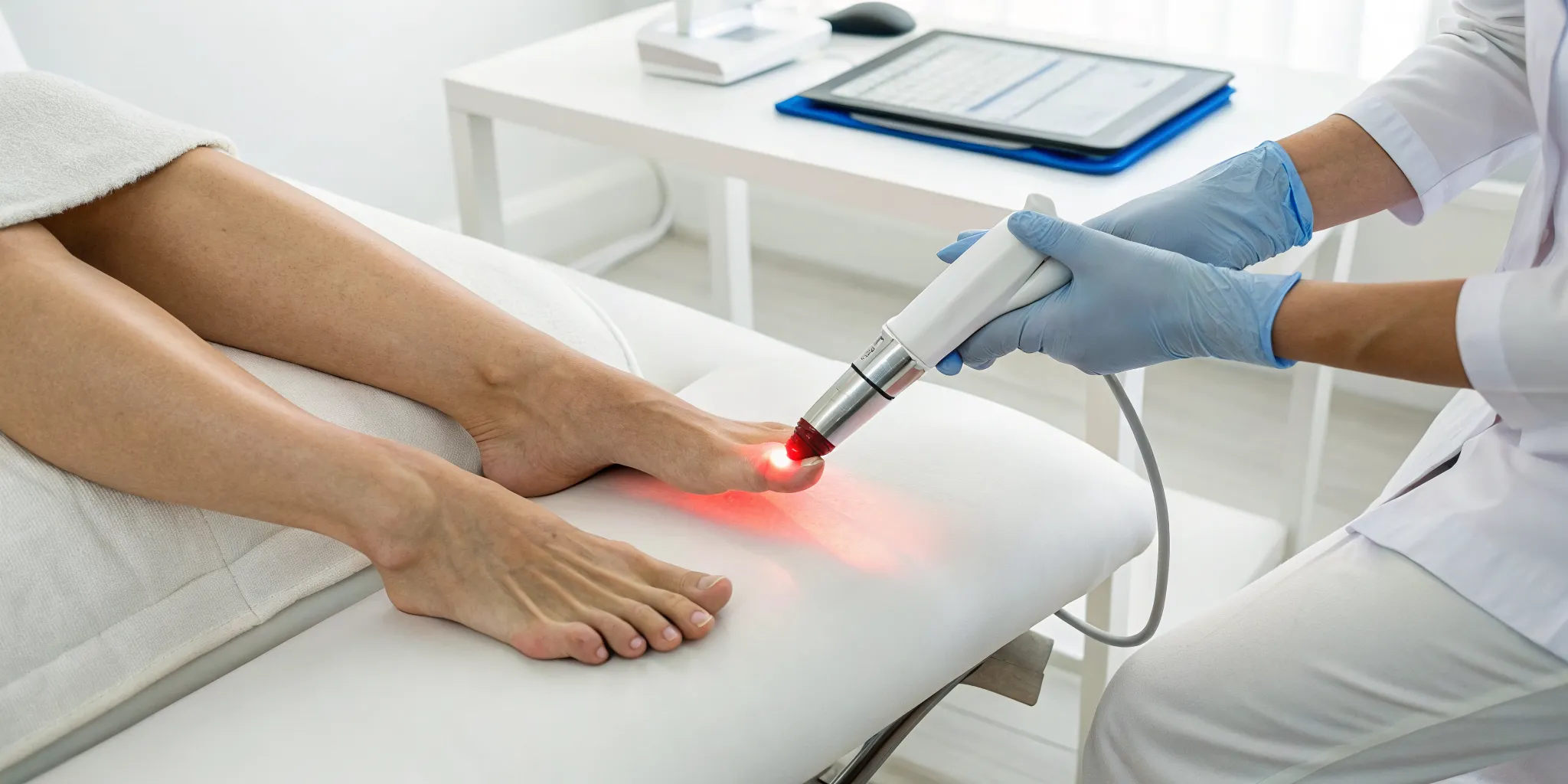
If you’re picturing an intense procedure, you can relax. A laser therapy session is calm and comfortable. You’ll get settled in a relaxed position, either sitting or lying down, and we will apply the laser device directly to the skin over the area causing you pain. Most people don’t feel much at all, other than a gentle, slow warmth in the treatment area. Each session is relatively quick, typically lasting just a few minutes. You can simply rest while the light energy does its work stimulating cell repair and reducing inflammation deep within your tissues. Our laser therapy is designed to be a soothing part of your recovery.
Absolutely. Patient safety and comfort are our top priorities. This type of therapy has been used by healthcare providers for over two decades and has an excellent safety record with very few reported side effects. Unlike pain medications that can cause systemic issues, laser therapy is a targeted treatment that works directly on the source of your pain without affecting the rest of your body. It’s a non-invasive and drug-free solution that supports your body’s natural healing mechanisms. We are always happy to answer any questions you may have before you begin your care as a new patient.
One of the best things about laser therapy is that it's considered a very low-risk treatment when performed by a trained professional. The most important safety measure we take is protecting your eyes. Because the light is powerful, both you and your practitioner will wear protective glasses during the entire session. On rare occasions, some people might experience minor skin reactions like temporary redness or irritation at the treatment site. This is uncommon and typically only occurs if the device is used improperly. Our team is highly trained to deliver each treatment safely and effectively, so you can relax and focus on your recovery.
While laser therapy is safe for most people, there are a few situations where we need to be extra cautious. We avoid applying the laser directly over any areas with known or suspected cancer. It’s also not recommended for use over the lower back or abdomen during pregnancy. If you take medications that increase your sensitivity to light, or if you have significantly reduced sensation in the treatment area, it’s important to let us know. A thorough health history is a key part of your initial consultation, allowing us to confirm that laser therapy is a safe and appropriate choice for your specific health conditions.
Many patients report feeling a noticeable reduction in pain and discomfort almost immediately after their first laser therapy session. This initial relief can be very encouraging. However, the real magic happens over time. The effects of laser therapy are cumulative, meaning each session builds on the last to promote deeper, more permanent healing. While you might feel better right away, completing your full, personalized treatment plan is the key to achieving long-lasting results. You can read about the experiences of others and their healing journeys in our patient reviews.
Finding the right provider for neuropathy laser therapy involves balancing cost with the quality of care. You want a solution that fits your budget but, more importantly, one that delivers real, lasting results. The key is to know what to look for and what questions to ask. A transparent provider will be open about their pricing and confident in the value they offer. By doing a little homework, you can find a clinic that meets your financial needs and puts you on the path to recovery.
When you consult with a potential provider, don’t hesitate to ask direct questions about their costs. The price of laser therapy can vary based on the provider’s experience, the length of each session, and the quality of the equipment. A clinic using advanced laser therapy technology may have a different price point than one with older equipment, but it could also lead to better results. Ask what type of laser they use and how it influences the cost. Inquire about session length and whether the price is fixed per session or based on time. Understanding these details will help you compare your options accurately.
Making your treatment affordable often comes down to smart planning. Many clinics offer packages or bundles of sessions that reduce the per-visit cost, so be sure to ask about them. This is a great way to commit to your treatment plan while saving money. You can also use pre-tax funds from a Health Savings Account (HSA) or Flexible Spending Account (FSA) to cover the expense. Finally, take advantage of initial consultations. At Lazar Spinal Care, we use our first visit to fully assess your condition and determine if we can help, ensuring you only invest in a treatment plan that’s right for you. You can learn more about our process for new patients on our website.
It’s important to be realistic about insurance coverage. Most insurance plans, including Medicare, do not cover laser therapy for pain relief or nerve problems. While this can be frustrating, it’s not a reflection of the treatment’s effectiveness. Be cautious of any provider who makes grand promises about getting your insurance to cover the full cost. A trustworthy clinic will be upfront about payment expectations and focus on the quality of care they provide for conditions like neuropathy. The goal is to find a specialist who is transparent about costs and prioritizes your long-term health over complex insurance claims.
With so many health gadgets available online, it’s natural to wonder if you can get the same level of care from the comfort of your own home. At-home laser therapy devices are becoming more common, promising convenient relief for chronic pain. The idea of managing your neuropathy symptoms on your own schedule is definitely appealing. But before you add one to your online shopping cart, it’s important to understand what these devices can and can’t do. While they offer a degree of flexibility, they aren’t the same as the advanced treatments you’d receive in a professional clinic. Let's look at the key differences to help you make an informed choice.
The biggest advantage of an at-home laser device is convenience. Being able to treat your symptoms whenever you need to, without leaving your house, offers a lot of flexibility. However, this convenience often comes with a trade-off in effectiveness. Most at-home lasers are not as powerful as the professional-grade equipment used in a clinical setting. This lower intensity may limit their ability to penetrate deep into the tissue and deliver the same therapeutic benefits needed for significant nerve repair. While some people report positive experiences, clinical studies generally show that professional laser therapy yields better, more lasting results because of the precision and power that only advanced medical equipment can provide.
Before you try any at-home treatment, your first step should always be to consult with a healthcare professional. It’s crucial to get an accurate diagnosis and ensure that an at-home device is appropriate and safe for your specific condition. A professional can guide you on what to look for, such as FDA approval, which ensures a device meets basic safety standards. More importantly, they can help you understand if at-home care is enough or if you need a more powerful, targeted approach to truly address the root cause of your neuropathy. Your health is too important for guesswork, and getting expert advice ensures you’re on the safest and most effective path to recovery, which is something we prioritize for all our new patients.
Is the laser therapy treatment painful? Not at all. Most people find the treatment quite relaxing. You might feel a gentle, soothing warmth over the area being treated, but there is no pain, burning, or discomfort involved. The entire process is designed to be comfortable and non-invasive, so you can just rest while the laser does its work.
How soon can I expect to feel relief from my neuropathy symptoms? Many people notice a decrease in pain or tingling after their very first session, which is a great sign that the therapy is working. However, true, lasting healing happens over time. Each treatment builds on the previous one to repair nerve tissue and reduce inflammation. For the best long-term results, it's important to complete the full series of sessions we recommend for you.
What makes this different from just taking medication for my nerve pain? The biggest difference is the goal. Medications often work by masking or blocking pain signals, which provides temporary relief but doesn't fix the underlying problem. Laser therapy, on the other hand, is designed to address the root cause of your neuropathy. It stimulates your body's own healing mechanisms to repair damaged nerves and reduce inflammation, offering a path to genuine, long-term recovery instead of just symptom management.
Are there any side effects I should be concerned about? Laser therapy has an excellent safety profile and is known for having very few side effects. It's a non-invasive treatment that works with your body's natural processes. Unlike surgery or medication, it doesn't introduce foreign substances or require any recovery time. It’s a safe and gentle option for managing nerve pain.
How will I know if laser therapy is the right choice for my specific condition? The best way to find out is through a thorough consultation. During your first visit, we perform a detailed assessment to understand the specifics of your neuropathy and your overall health. This allows us to determine if you are a good candidate for laser therapy and to create a personalized treatment plan. We only recommend care that we are confident will help you.