.png?width=150&height=60&name=2026%20LSC%20Logo%20(2).png)

Back Pain

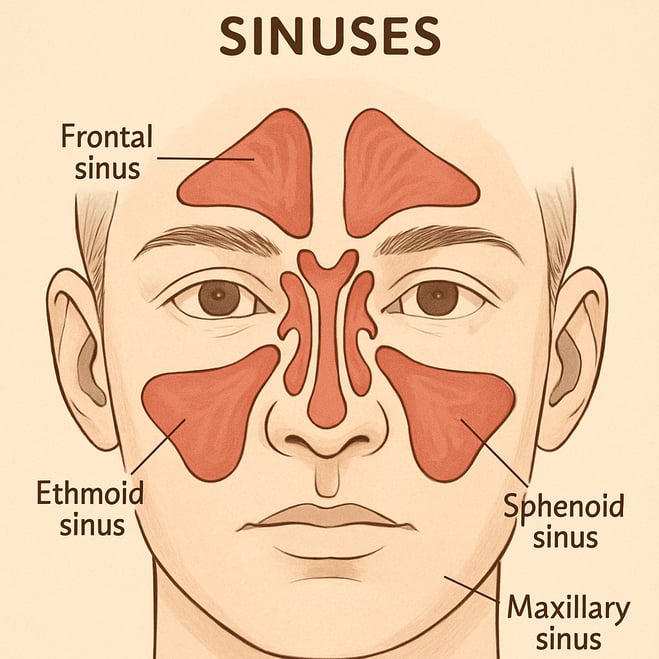
That painful pressure behind your eyes, the endless congestion—a sinus infection is your body’s way of sending a very clear signal. It’s telling you that its natural drainage and defense systems are overwhelmed. While it’s tempting to just treat the symptoms, finding lasting relief means understanding the root cause.
Instead of just silencing the alarm, let's look at what’s actually triggering it. We’ll walk through what causes that inflammation and blockage, giving you the knowledge to support your body’s healing process and finally breathe easier.
Your sinus system is an intricate network of hollow, air-filled spaces within the bones of your face and head. These sinuses are lined with a delicate mucous membrane that acts as your body’s first line of defense, filtering out dust, allergens, and pathogens from the air you breathe.
When your sinuses are healthy, they help humidify the air, trap germs, and drain mucus efficiently into the nasal passages. This filtration system is essential for protecting your respiratory health, ensuring that every breath is as clean and safe as possible.
If you feel like you’re constantly battling sinus pressure and congestion, you are far from alone. Sinus infections, also known as sinusitis, are incredibly widespread. In fact, the American College of Allergy, Asthma & Immunology reports that about 31 million people in the United States deal with them each year. This leads to a massive 16 million doctor visits annually, with many people leaving with prescriptions that only offer temporary relief. It's also helpful to know that most of these infections are caused by viruses, not bacteria, which means antibiotics often aren't the right solution. Understanding just how common this issue is can be the first step toward finding a more effective, long-term approach to clear breathing.
A sinus infection, also known as sinusitis, occurs when the tissues lining your sinuses become inflamed, usually due to an infection or allergic reaction. This inflammation causes the sinuses to swell, trapping mucus and making it difficult for your body’s natural drainage processes to function.
Common symptoms of a sinus infection include facial pain or pressure (especially around the eyes or cheeks), nasal congestion, thick yellow or green mucus, headache, reduced sense of smell and taste, ear pressure, fatigue, and sometimes fever. These symptoms can range from mild to severe and may persist for days or even weeks if left untreated.
One of the most telling signs of a sinus infection is a dull, throbbing pain or a feeling of constant pressure in your face. This discomfort typically centers around your eyes, across your cheeks, or over your forehead. The inflammation and swelling within the sinus cavities prevent mucus from draining properly, leading to a painful buildup. This pressure can feel like a headache that’s concentrated in the front of your head and face. For many, the pain intensifies with sudden movements or when bending forward, as this shifts the pressure within the blocked sinuses. This persistent facial pain can be incredibly disruptive, making it hard to focus or even rest comfortably.
The specific location of your facial pain can offer clues as to which sinuses are most affected. If you feel pressure above your eyes and in your forehead, the frontal sinuses are likely inflamed. Pain in your upper jaw, teeth, and cheeks points to the maxillary sinuses, which are the largest ones located behind your cheekbones. Discomfort between your eyes or on the bridge of your nose suggests the ethmoid sinuses are the source. Understanding where the pain is coming from can help you describe your symptoms more accurately and is the first step toward finding effective relief for related issues like persistent headaches.
A stuffy or runny nose is a hallmark of many illnesses, but with a sinus infection, the nasal discharge is often distinct. You might notice thick, cloudy mucus that is yellow or greenish in color. This is a sign that your body's immune system is fighting off an infection. Alongside nasal congestion, you may experience post-nasal drip, which is when excess mucus runs down the back of your throat instead of out of your nose. This can lead to a constant need to clear your throat, a sore throat from the irritation, and a persistent cough. It’s an uncomfortable symptom that can make sleeping difficult and leave your throat feeling raw.
Beyond the primary symptoms of facial pressure and nasal congestion, a sinus infection can cause a variety of other issues that affect your daily life. These secondary symptoms arise from the body's response to the infection and the effects of blocked sinus passages. They can sometimes be mistaken for other conditions, but when they appear alongside facial pain and congestion, a sinus infection is a likely culprit. Recognizing these additional signs can help you understand the full picture of what your body is going through and why you might be feeling generally unwell, tired, or just not like yourself.
If you've noticed persistent bad breath that doesn't seem to go away with brushing or mouthwash, it could be linked to a sinus infection. When mucus becomes trapped in the sinus cavities, it creates a stagnant environment where bacteria can multiply. This infected mucus, which often has a foul odor, can then drip down the back of your throat (post-nasal drip). This process introduces the bacteria and their byproducts into your mouth and throat, leading to a condition known as halitosis. It's an often-overlooked symptom, but it’s a direct result of the underlying infection brewing within your sinuses.
It might seem strange, but a toothache can actually be a symptom of a sinus infection. The maxillary sinuses are located in your cheekbones, directly above your upper rear teeth. When these sinuses become inflamed and filled with fluid, the pressure can extend downward, pressing on the roots and nerves of your teeth. This can cause a dull, aching pain in your upper molars that might be mistaken for a dental problem. A key indicator that the pain is sinus-related is that it often affects several teeth at once, not just one, and may feel worse when you bend over or lie down.
A nagging cough that just won't quit, particularly one that gets worse when you lie down to sleep, is another common sign of sinusitis. This cough is typically caused by post-nasal drip. As the infected mucus from your sinuses trickles down the back of your throat, it irritates the sensitive tissues there, triggering your cough reflex. During the day, you might swallow this mucus without noticing, but at night, it can pool in your throat, leading to more intense coughing fits that can disrupt your sleep and leave you feeling exhausted. This type of cough is often unproductive, meaning you aren't coughing much up.
Sinus infections most commonly result from viral infections such as the common cold. However, bacteria or fungi can also be culprits, especially in cases where symptoms persist or worsen after several days. Allergies, environmental irritants (like smoke or pollution), structural issues (such as a deviated septum), and immune system dysfunction can all increase your risk.
Children, people with allergies or asthma, those with weakened immune systems, and individuals exposed to frequent pollutants or respiratory infections are more likely to develop sinus infections. Understanding your unique risk factors can help you take proactive steps to keep your sinuses healthy.
It’s a common reflex to think any sinus infection needs antibiotics, but that’s rarely the case. The truth is, most sinus infections are caused by viruses—often the same ones responsible for the common cold. Since antibiotics are specifically designed to fight bacteria, they won't do anything for a viral infection and can even cause unwanted side effects. A good way to tell the difference is by watching the timeline. A viral infection typically starts to improve within a week. However, if your symptoms last for more than 10 days without getting better, or if they seem to improve and then suddenly worsen, it might be a bacterial infection that requires a different treatment plan.
If you're experiencing sinus pain that seems concentrated on one side of your face, it might be time to consider your dental health. The roots of your upper back teeth sit just beneath your maxillary sinuses (the large ones in your cheeks). Because they're so close, an infection in a tooth, like an abscess, can easily spread into the sinus cavity above it. This is known as maxillary sinusitis of dental origin, and it can lead to persistent sinus symptoms that won't clear up until the underlying tooth problem is resolved. It’s a clear reminder of how an issue in one part of the body can create symptoms elsewhere, a core principle in understanding many chronic health conditions.
Not all sinus infections are the same. They are often categorized based on how long they last and how frequently they occur. Understanding which type you might be experiencing can help you and your healthcare provider determine the best course of action. The duration of your symptoms is one of the biggest clues. From a brief, annoying bout to a persistent, draining condition, knowing the timeline helps clarify what you're dealing with and what steps to take next. Let's look at the four main classifications of sinusitis.
Acute sinusitis is the most common and shortest-lasting type of sinus infection. According to the Merck Manual, it "typically lasts up to 4 weeks" and is often triggered by a viral infection, like the common cold. When you have a cold, the virus can cause the lining of your sinuses to swell, trapping mucus and creating a perfect environment for an infection to develop. The symptoms—facial pressure, stuffy nose, and thick nasal discharge—usually appear suddenly and can feel intense, but they tend to resolve within a month as your body fights off the virus and the inflammation subsides.
If your sinus symptoms drag on past the one-month mark but haven't yet become a long-term problem, you may have subacute sinusitis. The Cleveland Clinic defines this type as lasting "between 4 to 12 weeks." Subacute sinusitis often represents a transition period where an acute infection hasn't fully cleared up. This can happen if the initial infection was particularly stubborn or if there are underlying factors, like allergies or structural issues in the nasal passages, that are preventing your sinuses from draining properly and healing completely. It's a frustrating middle ground that signals your body is still struggling to resolve the inflammation.
When sinus infection symptoms persist for more than 12 weeks, it's classified as chronic sinusitis. Unlike acute cases, which are mostly viral, the CDC notes that chronic sinusitis "can be caused by bacteria." This long-term condition involves ongoing inflammation of the sinuses and can be caused by a variety of factors, including persistent infections, nasal polyps, or a deviated septum. People with chronic sinusitis often experience a constant sense of facial pressure, congestion, and fatigue that can significantly impact their quality of life. Addressing chronic sinusitis often requires a deeper look into the root cause of the persistent inflammation.
Recurrent sinusitis is a pattern of repeated acute infections. The Cleveland Clinic explains that this occurs when "symptoms come back 4 or more times a year, each time lasting less than 2 weeks." If you find yourself battling a sinus infection every few months, you fit into this category. This pattern suggests there might be an underlying issue that makes you more susceptible to infections, such as allergies, a compromised immune system, or structural problems within your sinuses. Identifying and addressing this root cause is key to breaking the cycle of recurring infections and finding lasting relief.
It’s easy to get confused when you’re feeling stuffy, sneezy, and generally unwell. The symptoms of a sinus infection, a common cold, and seasonal allergies can overlap quite a bit, making it tough to know what you’re actually dealing with. However, there are subtle but important differences that can help you distinguish between them. Paying attention to the specific combination of your symptoms, how they started, and how long they’ve been hanging around can provide valuable clues. Pinpointing the right culprit is the first step toward finding the most effective relief.
Many sinus infections start out as a common cold, which is why it's so easy to mix them up. The American College of Allergy, Asthma & Immunology (ACAAI) points out that while many symptoms are similar, they are "caused by different pathogens." A cold is always viral, and its symptoms—like a runny nose, sneezing, and sore throat—usually peak within a few days and then start to improve. A sinus infection, however, can be viral or bacterial. It often develops after a cold and is characterized by facial pain, pressure in your forehead and cheeks, and thick, colored mucus that persists for more than 10 days without getting better.
Allergies and sinusitis both cause nasal congestion, but that's often where the similarities end. According to the Cleveland Clinic, "allergies cause sneezing, itchy nose/eyes, congestion, and runny nose, but usually do not cause facial pain like sinusitis." Allergy symptoms are your body's reaction to an allergen, like pollen or dust, and often include that signature itchiness in your eyes, nose, or throat. The nasal discharge from allergies is typically clear and watery. In contrast, the facial pressure and thick, yellow or green mucus are hallmark signs of a sinus infection. If you're experiencing persistent headaches and facial pain, it's more likely sinusitis than allergies.
While many sinus infections resolve on their own with rest and at-home care, some situations require professional medical attention. It's important to listen to your body and recognize when your symptoms are pointing to a more serious issue. Ignoring a persistent or severe infection can lead to complications and prolong your discomfort unnecessarily. Knowing the warning signs can help you make an informed decision about when it's time to stop waiting it out and schedule an appointment with a healthcare provider to get the care you need.
The CDC provides clear guidelines on when to seek medical care. You should see a healthcare provider if you have "very bad symptoms, symptoms that get worse after they started to get better, or symptoms that last more than 10 days without getting better." A high fever (above 102°F), severe headache, or pain that doesn't respond to over-the-counter medication are also red flags. If you experience a brief period of improvement only to have your symptoms return with a vengeance, it could indicate a secondary bacterial infection that needs to be addressed by a professional.
While rare, it's important to be aware that "untreated sinus infections can lead to serious complications," as noted by the Merck Manual. These complications can occur if the infection spreads beyond the sinus cavities. In some cases, the infection can spread to the surrounding bones in the face, the eyes, or even the brain, leading to conditions like meningitis or a brain abscess. Symptoms like a stiff neck, confusion, or vision changes are urgent warning signs that require immediate medical evaluation. Seeking timely care for a severe or persistent sinus infection is the best way to prevent these serious issues.
When you visit a doctor for sinus symptoms, they will typically start by asking about your symptoms and health history. According to MedlinePlus, a diagnosis is usually based on this initial evaluation. Your doctor may also perform a physical exam, gently pressing on your sinuses to check for tenderness. In cases of chronic or severe sinusitis, they might recommend further testing, such as "imaging tests like CT scans or nasal endoscopy," to get a clearer picture of what's happening inside your sinuses. At Lazar Spinal Care, we use advanced diagnostic tools to understand the root cause of your health challenges, ensuring we create a care plan tailored to your body's specific needs. If you're ready to find answers, you can request an appointment with our team.
Conventional treatment for sinus infections often includes decongestants, nasal corticosteroids, saline sprays, antihistamines, and in some cases, antibiotics (for bacterial infections). While these can provide symptom relief, they may not address the underlying causes or prevent recurrence.
Holistic approaches focus on supporting the body’s natural healing mechanisms. This can include dietary changes, addressing allergies, improving air quality at home, and correcting structural issues. Gentle upper cervical chiropractic care, such as QSM3, aims to restore nervous system balance, optimize sinus drainage, and support the body’s innate ability to heal—offering a drug-free, non-invasive alternative for lasting relief.
When you're struggling with the pressure and pain of a sinus infection, it’s natural to want the quickest fix possible. Conventional medicine offers several go-to options that can manage symptoms, but it’s helpful to know their roles and limitations. These treatments often provide a temporary patch by targeting the symptoms directly, rather than addressing the reason you’re having sinus problems to begin with. This can sometimes lead to a cycle of recurring infections. Let’s walk through some of the most common approaches so you can make informed decisions about your health and find a path to lasting relief.
It’s a common misconception that a sinus infection automatically requires a course of antibiotics. In reality, they are often not the right tool for the job. According to the Centers for Disease Control and Prevention (CDC), the vast majority of sinus infections are caused by viruses, which don't respond to antibiotics at all. Taking them for a viral infection won’t speed up your recovery and can lead to unwanted side effects or contribute to antibiotic resistance down the road. Antibiotics are only effective for confirmed bacterial infections, making an accurate diagnosis from a healthcare professional essential before starting treatment.
Over-the-counter decongestant nasal sprays can feel like a miracle when you’re completely stuffed up, working fast to shrink swollen nasal passages and help you breathe again. While they offer powerful, immediate relief, they come with a significant catch. As medical experts warn, using these sprays for more than three days in a row can cause rebound congestion, a condition where your nasal passages become even more inflamed once the medication wears off. This can create a frustrating cycle of dependency, so it’s best to use them sparingly for short-term relief while you focus on solutions that address the root cause of the inflammation.
While most sinus infections are viral or bacterial, a small number are caused by fungi. Fungi are normally present in our nasal passages without causing any harm. However, for individuals with compromised immune systems—such as those with uncontrolled diabetes, cancer, or HIV—a serious condition called Invasive Fungal Sinusitis can develop. This is a medical emergency that spreads quickly and requires aggressive treatment, including surgery and strong antifungal medications. It’s a powerful reminder of how crucial a strong, functioning immune system is for defending against all types of invaders and maintaining your overall wellness.
At-home remedies for sinus infections include staying well-hydrated, using warm compresses, inhaling steam, and rinsing nasal passages with saline solutions to promote drainage. Managing allergies with natural supplements, maintaining good air quality, and reducing exposure to known irritants can help prevent flare-ups.
Upper cervical chiropractic care, like the specialized QSM3 approach used at Lazar Spinal Care, gently corrects misalignments in the upper spine that may impact nerve flow to the sinuses. By helping to restore balance and reduce nervous system interference, this care can enhance sinus drainage, reduce inflammation, and support the body’s natural healing processes—empowering you to breathe easier and enjoy lasting relief.

When you're dealing with recurring sinus problems, simply managing the symptoms can feel like a never-ending cycle. A holistic approach, however, shifts the focus to supporting your body’s incredible ability to heal itself. This means looking beyond the congestion and pressure to find the underlying cause. For many, the root of the issue lies in a subtle misalignment of the upper spine, which can interfere with the nervous system’s ability to regulate sinus function and drainage. By addressing this structural imbalance, you can help restore your body's natural rhythm and find lasting relief without relying on medication.
At Lazar Spinal Care, we start by identifying the core issue with a comprehensive NeuroBioStructural Analysis. This allows us to see exactly how your body is functioning and pinpoint any interference that could be contributing to your sinus problems. Using a gentle and precise technique called Quantum Spinal Mechanics (QSM3), we work to correct misalignments in the upper cervical spine. This process helps restore proper nerve flow, which can reduce inflammation and improve sinus drainage naturally. Our goal is to help your body heal from the inside out, so you can finally breathe freely and get back to living your life.
Once you’ve found relief, the next step is keeping those painful sinus infections from coming back. Prevention is all about creating an environment—both inside your body and in your home—that supports healthy sinus function. This involves a combination of simple daily habits, being mindful of your surroundings, and understanding what triggers your sinus issues. By taking a few proactive steps, you can significantly reduce your chances of dealing with sinus pressure and congestion again. It’s about empowering yourself with the right strategies to maintain your well-being long-term and keep your respiratory system resilient and strong.
You can build a strong defense against sinus infections with a few key habits. Frequent hand washing is one of the simplest yet most effective ways to keep germs at bay. It’s also wise to avoid cigarette smoke and use a clean humidifier to keep the air in your home moist, which helps your sinuses drain properly. Staying well-hydrated thins mucus, while using a saline nasal spray can help rinse away irritants and pathogens. If you feel the slightest bit of pressure, applying a warm compress to your face can provide immediate comfort and encourage drainage before an infection can take hold.
This is a common question, and the answer is a little nuanced. The sinus infection itself (sinusitis) isn't contagious. You can't "catch" it from someone else. However, the viruses that often cause the infection, like the common cold, are definitely contagious. Most sinus infections are viral, which is an important reason why antibiotics are often not the right solution—they only work on bacteria. Rushing to antibiotics for a viral infection won't help you get better and can lead to unnecessary side effects. Instead, focusing on supporting your immune system and managing symptoms is a much more effective approach.
It’s tough for any parent to watch their child struggle with the pain and discomfort of a sinus infection. Children can be more prone to them because their sinuses and immune systems are still developing. Their sinus passages are smaller and can get blocked more easily, making them a prime spot for infections to settle in after a cold. When treating kids, it’s especially important to use gentle, safe methods that support their growing bodies. Finding a solution that addresses the root cause without harsh medications can make a world of difference for their long-term health and happiness.
If you suspect your child has a sinus infection, it's always best to see a healthcare professional for an accurate diagnosis. At home, you can help relieve their symptoms safely by using a cool-mist vaporizer in their room to keep the air moist. Saline nasal sprays or drops designed for children can also help clear congestion. Make sure they drink plenty of fluids to stay hydrated. For families seeking a non-invasive option, pediatric chiropractic care offers a gentle way to ensure a child's spine is properly aligned, supporting optimal nervous system function and helping their body's natural healing processes work effectively.
How can I tell if my toothache is from a sinus infection or a dental issue? A key difference is often the location and type of pain. Pain from a sinus infection typically feels like a dull, constant pressure in your upper back teeth on one or both sides of your face. It usually affects several teeth at once and may feel worse when you bend over or jump. A true dental problem, like a cavity or abscess, is more likely to be a sharp, localized pain in a single tooth that is sensitive to hot, cold, or chewing.
What's the real difference between chronic and recurrent sinus infections? Think of it as one long battle versus a series of separate fights. Chronic sinusitis is a single, ongoing state of inflammation and infection that lasts for more than 12 weeks without fully clearing up. Recurrent sinusitis, on the other hand, is when you experience four or more distinct, separate sinus infections within a year, with periods of feeling completely healthy in between each one.
Can my neck alignment actually impact my sinuses? Yes, it absolutely can. The nerves that control the function of your sinuses, including drainage and inflammation, originate in your upper neck. A misalignment in the top vertebrae of your spine can interfere with the signals sent by these nerves. This disruption can hinder your sinuses' ability to drain properly, creating an environment where fluid gets trapped and infections can easily develop.
Besides medication, what are the most effective things I can do at home for sinus pressure? Focus on encouraging your sinuses to drain naturally. Staying well-hydrated by drinking plenty of water is crucial, as it helps thin the mucus. You can also apply a warm, damp washcloth to your face for several minutes at a time to help ease the pressure. Inhaling steam, either from a hot shower or a bowl of hot water, is another great way to moisten your nasal passages and promote drainage.
Why do I seem to get sinus infections more often than other people? If you feel like you're in a constant cycle of sinus infections, it's a strong sign that there's an underlying issue that isn't being addressed. While each infection might be triggered by a virus, the reason your body is so susceptible could be related to unresolved allergies, structural issues in your nasal passages, or interference in your nervous system. Getting to the root cause is the key to breaking that frustrating pattern.