.png?width=150&height=60&name=2026%20LSC%20Logo%20(2).png)
Back Pain


When the days get shorter, it's easy to feel your energy and mood dip, too. But this is more than just the "winter blues." Seasonal depression can bring on real physical symptoms, like intense fatigue that sleep can't fix and powerful cravings for carbs. It's a whole-body experience. Your mental and physical health are tied together, and you deserve a wellness plan that honors that connection. We'll walk through powerful, medication-free strategies to help you manage both the emotional and physical sides, so you can feel more like yourself, no matter the season.
Seasonal depression, also known as Seasonal Affective Disorder (SAD), is a type of depression that typically arises during specific times of the year—most commonly in the late fall and winter months when daylight hours are shorter. This condition is more than just the "winter blues"; it is a clinically recognized form of depression that can impact daily functioning and overall well-being.
The primary cause of seasonal depression is believed to be the reduced level of sunlight, which can disrupt your body’s internal clock (circadian rhythm), lower serotonin production (a key brain chemical that affects mood), and alter melatonin levels (which play a role in sleep patterns and mood). Genetics, personal mental health history, and living farther from the equator can all increase the risk of developing SAD. Understanding these underlying causes is the first step toward effective management.
If you feel a noticeable shift in your mood as the seasons change, you are far from alone. It’s a common experience that affects millions of people every year. According to the Cleveland Clinic, about 5% of adults in the United States deal with full-blown SAD. Beyond that, an even larger group—roughly 10% to 20% of people—experience a milder form of seasonal mood changes often called the "winter blues." These numbers show that feeling down during the darker months is a shared reality for many. Recognizing this prevalence is the first step in understanding that what you're feeling is valid and that there are effective ways to manage it without simply waiting for spring to arrive.
Certain factors can make some individuals more susceptible to developing Seasonal Affective Disorder. Research from the Mayo Clinic highlights several key risk factors, including being a woman, being a younger adult, and having a family history of depression or SAD. Living far from the equator, as we do here in Michigan, also plays a significant role due to the reduced sunlight we receive in the winter. Additionally, having a pre-existing condition like major depression or bipolar disorder can intensify SAD symptoms. Low levels of vitamin D, which our bodies produce in response to sunlight, are another common contributor. Being aware of these factors can help you better understand your personal risk and be more proactive in addressing symptoms as they arise.
It's particularly important to understand the link between SAD and bipolar disorder, as the seasonal pattern can sometimes be a feature of the condition. For individuals with bipolar disorder, the changing seasons can trigger significant mood shifts. The depressive phase often aligns with the fall and winter months, mirroring the typical SAD experience. However, the arrival of spring and summer can sometimes bring on episodes of mania or hypomania, characterized by elevated energy, irritability, and impulsivity. This cyclical pattern makes a proper diagnosis crucial. Distinguishing between SAD and bipolar disorder ensures that the management plan addresses the complete picture of a person's mental health, leading to more stable and effective outcomes.
Seasonal depression can present itself through a variety of emotional, physical, and behavioral symptoms. Common signs include persistent low mood, loss of interest in activities once enjoyed, low energy, increased sleep, changes in appetite (often craving carbohydrates), difficulty concentrating, and feelings of hopelessness or worthlessness. Some individuals may withdraw from social interactions and feel a general sense of heaviness or fatigue.
It’s important to note that symptoms can vary in intensity from person to person. If you or someone you know is experiencing thoughts of self-harm or suicide, it’s crucial to seek help immediately. There are numerous resources available, including the Suicide & Crisis Lifeline (call or text 988 in the U.S.), to offer support and guidance.
When the days get shorter and a chill fills the air, winter-pattern SAD can set in. This is the most common form of seasonal depression, and its symptoms often feel like a form of human hibernation. You might notice a persistent feeling of sadness or anxiety that you can't shake, coupled with overwhelming fatigue and a lack of energy for your usual activities. Many people experience intense cravings for carbohydrates, leading to weight gain. It's also common to sleep much more than usual but still not feel rested. Feelings of hopelessness or worthlessness can creep in, making it difficult to focus on work or personal tasks. These symptoms typically begin in the late fall or early winter and thankfully fade as spring arrives.
While less common, seasonal depression can also occur during the spring and summer months. The symptoms of summer-pattern SAD are often the opposite of its winter counterpart. Instead of oversleeping, you might struggle with insomnia and find it hard to get a good night's rest. Rather than craving comfort foods, you may experience a poor appetite and even lose weight unintentionally. Many people with summer SAD report feeling restless, agitated, and anxious. This agitation can sometimes manifest as uncharacteristic outbursts of anger. For those affected, the long, bright, and often social summer days can feel overwhelming and isolating, with symptoms typically subsiding as fall approaches.
It’s a common misconception that depression is purely an emotional or mental struggle. In reality, it can have a significant physical impact on your body. Beyond the specific seasonal patterns, SAD can bring on physical aches, pains, headaches, cramps, or digestive issues that don't seem to have a clear medical cause. These physical manifestations are your body's way of signaling that something is out of balance. If you're dealing with persistent physical discomfort like headaches or neck pain alongside emotional symptoms, it highlights the deep connection between your mental well-being and your physical structure. Addressing underlying issues in your body can be a powerful step in supporting your overall health, both mentally and physically.
The transition into colder, darker months can trigger changes in brain chemistry and hormone regulation. Less exposure to natural sunlight not only affects serotonin and melatonin, but it can also suppress vitamin D levels, which are linked to mood and immune function. These biological changes often manifest as feelings of depression and sluggishness.
Certain groups are more likely to be affected, including women, individuals with a family history of depression, those living at higher latitudes, and people with pre-existing mental health conditions. Understanding these risk factors enables early identification and intervention for those most vulnerable to seasonal mood changes.
If you suspect your mood shifts are more than just a passing case of the "winter blues," getting a clear diagnosis is the most important next step. It’s easy to brush off persistent feelings of sadness or fatigue, but understanding the root cause is the only way to find a truly effective solution. A formal diagnosis helps differentiate seasonal depression from other conditions and provides a clear path forward for managing your symptoms and reclaiming your well-being. It’s not about getting a label; it’s about getting answers so you can start to feel like yourself again, no matter the season.
Knowing when to reach out for help can be tough, but there are some clear signs that it’s time to talk to a professional. If you’ve been feeling down for days on end, find it impossible to get motivated for your usual routine, or have lost interest in activities you once loved, it’s worth a conversation. Pay attention to physical changes, too, like shifts in your appetite or sleep patterns. Feeling hopeless, relying on alcohol to cope, or having thoughts of suicide are urgent signs to seek immediate support. Acknowledging these feelings and seeking guidance is a proactive step toward better health.
To diagnose seasonal depression, a healthcare professional will look for a specific pattern. According to the National Institute of Mental Health, a diagnosis requires experiencing symptoms of depression during a particular season for at least two consecutive years. These seasonal episodes must also be more frequent than any depressive episodes you might have at other times of the year. This detailed evaluation helps confirm that your symptoms are tied to the seasons and aren't the result of other life stressors. For many, this process brings a sense of relief, as it validates their experience and opens the door to targeted, effective care plans. If you're ready to start that journey, learning what to expect as a new patient can make the first step feel less intimidating.
An accurate diagnosis of seasonal depression also involves ruling out other health issues that can cause similar symptoms. For example, conditions like hypothyroidism can lead to fatigue and low mood, mimicking the signs of SAD. A thorough provider will likely run tests to make sure another underlying issue isn't the true cause. This aligns with a foundational approach to wellness: getting to the root of the problem. At Lazar Spinal Care, we use advanced diagnostic tools to understand how your body is functioning as a whole. By examining your neuro-structural system, we can identify underlying issues that may contribute to a wide range of symptoms, ensuring your care plan addresses the real source of your challenges. This comprehensive view is key to achieving lasting wellness without simply masking symptoms.
There are several effective, evidence-based strategies for managing seasonal depression without medication. Light therapy, or phototherapy, is a leading treatment—using a special lamp that mimics natural sunlight to help restore normal circadian rhythms and regulate mood. Regular physical activity, particularly outdoors during daylight hours, has also been shown to boost mood and energy.
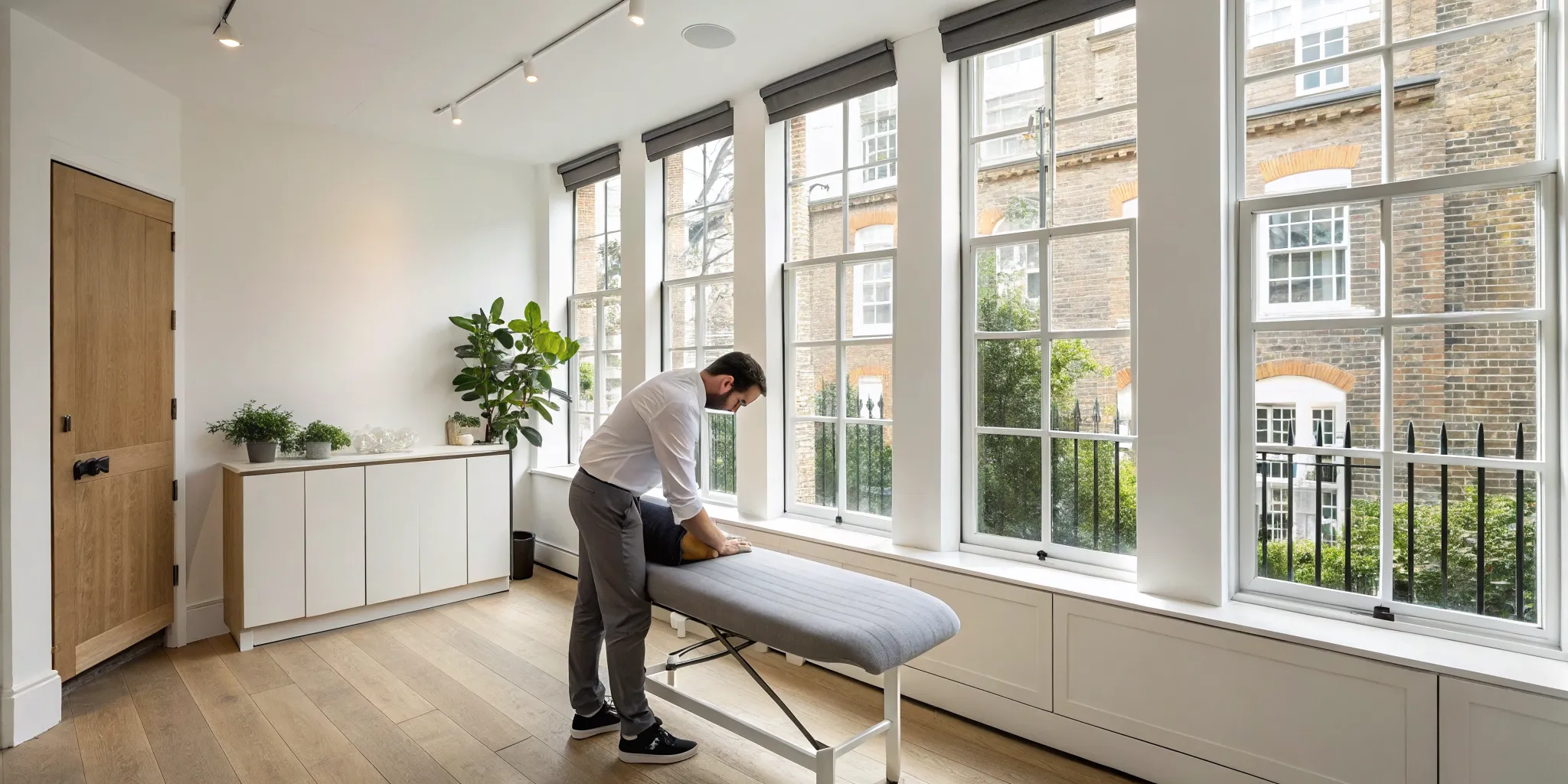
Chiropractic care, especially upper cervical care as provided at Lazar Spinal Care, can be a valuable addition to your treatment plan. Precise spinal corrections—particularly at the upper cervical region—can help restore balance to the nervous system, which plays a crucial role in regulating mood, sleep, and stress response. By gently correcting misalignments, chiropractic care may reduce nervous system interference, enhance brain-body communication, and empower your body’s natural ability to heal and adapt to seasonal changes. Many patients report improved energy, sleep quality, and resilience to stress after upper cervical care.
One of the most well-established treatments for seasonal depression is light therapy, also known as phototherapy. This approach involves sitting in front of a special light box that emits a very bright light—about 10,000 lux—to mimic natural outdoor light. The idea is to expose yourself to this light for about 30 to 45 minutes each morning, typically from fall through spring. According to the National Institute of Mental Health, this daily routine can help reset your body's internal clock, or circadian rhythm, and regulate the brain chemicals that influence your mood. It’s a simple, non-invasive way to trick your brain into thinking it’s a sunny day, even when the skies are gray.
Building mental resilience is key to managing seasonal depression, and psychotherapy can be an incredibly effective tool. Specifically, a type of talk therapy called Cognitive Behavioral Therapy (CBT) has been adapted to target the unique challenges of SAD. This approach, known as CBT-SAD, helps you identify and reframe negative thoughts and behaviors associated with the winter months. Instead of dreading the season, you learn to develop positive coping strategies and are encouraged to schedule enjoyable, engaging activities. It’s a proactive way to build lasting skills that can help you manage symptoms year after year, rather than just treating them as they arise.
While the focus here is on non-medication strategies, it's important to know that antidepressant medications are a treatment option for some individuals. Doctors may prescribe selective serotonin reuptake inhibitors (SSRIs) to help manage the symptoms of SAD by altering the levels of mood-regulating chemicals in the brain. This path is often considered when symptoms are severe or don't respond to other treatments. Medication can be used on its own or in combination with other strategies like light therapy or psychotherapy. Deciding whether medication is the right choice is a personal decision that should always be made in consultation with your medical doctor, who can help you weigh the potential benefits and side effects.
You’ve probably heard Vitamin D called the "sunshine vitamin," and for good reason. Our bodies produce it when our skin is exposed to sunlight, so it’s no surprise that levels can dip during the darker winter months. Research has noted that many people with winter-pattern SAD also have low levels of vitamin D. While it seems like a simple fix, studies on the effectiveness of Vitamin D supplementation for treating SAD have produced mixed results. It may be beneficial for some, but it's not a guaranteed solution for everyone. Before you start taking any new supplements, it’s a good idea to talk with your doctor, who can test your vitamin levels and recommend an appropriate course of action.
Never underestimate the power of small, consistent daily habits. Engaging in regular physical activity is one of the best things you can do for your mood. Aim for at least 30 minutes of exercise a few times a week, and try to do it outdoors during daylight hours if possible to get a natural light boost. Maintaining a consistent sleep schedule, eating a balanced diet rich in whole foods, and making a conscious effort to stay connected with friends and family can also make a significant difference. These self-care strategies help create a stable foundation, making your body and mind more resilient to the shifts that come with the changing seasons.
While seasonal depression can feel overwhelming, there is hope. Establishing a consistent sleep routine, maximizing exposure to daylight (open curtains, sit near windows, or take midday walks), maintaining a healthy diet rich in whole foods and vitamin D, and connecting with supportive friends or community groups can make a substantial difference. Practicing mindfulness, engaging in activities you enjoy, and setting realistic goals can also help you reclaim a sense of purpose and control.
If you or a loved one is struggling, consider reaching out for professional support—whether it’s a counselor, holistic health practitioner, or your local chiropractic care provider. Remember, you are not alone. For immediate mental health support, contact the Suicide & Crisis Lifeline by calling or texting 988, or visit resources like the National Alliance on Mental Illness (NAMI) for additional guidance. Every step you take toward self-care and support brings you closer to brighter days ahead.
Ignoring the symptoms of SAD can lead to more serious problems down the line. It's not just about feeling down for a season; untreated seasonal depression can spiral into social withdrawal, causing you to pull away from friends and family. It can also impact your performance at work or school and, in some cases, lead to substance misuse as a way to cope. According to the Mayo Clinic, other potential complications include anxiety, eating disorders, and even suicidal thoughts. Recognizing that these feelings are valid and treatable is the first step toward preventing these outcomes and protecting your long-term mental health. Taking your symptoms seriously is a powerful act of self-care.
Because SAD follows a predictable pattern, you have the advantage of being able to prepare for it. You don't have to wait for the symptoms to hit full force. The National Institute of Mental Health suggests that starting treatments before the typical onset—like in early fall for winter-pattern SAD—can help reduce the severity of the symptoms or even prevent them. This could mean setting up your light therapy box before the days get shorter, scheduling regular exercise into your autumn routine, or planning social activities to keep you connected. It's also a great time to connect with your healthcare team to create a proactive wellness plan. By taking these steps ahead of time, you can build resilience and feel more in control as the seasons change.
How do I know if I have the "winter blues" or actual seasonal depression? The "winter blues" are a mild, temporary feeling of sluggishness or sadness that many of us get when the days get shorter. Seasonal depression, or SAD, is more persistent and intense. Its symptoms, like deep fatigue, changes in appetite, and loss of interest in your favorite activities, are severe enough to interfere with your daily life. A key indicator for a diagnosis is experiencing this pattern for at least two consecutive years.
Can chiropractic care really help with my mood and energy levels? It absolutely can. Your nervous system is the master control system for your entire body, regulating everything from your sleep cycle to your stress response and mood. When your spine, particularly the upper neck, is misaligned, it can create interference in that system. By making precise, gentle corrections, we help restore proper communication between your brain and body. This can lead to better sleep, less stress, and improved energy, which are all foundational for managing seasonal mood changes.
Is it possible to prevent seasonal depression before it starts? Yes, being proactive is one of the best strategies. Since seasonal depression follows a predictable timeline for most people, you can start implementing supportive habits before your symptoms typically begin. For winter-pattern SAD, this might mean starting light therapy in early fall, making a conscious effort to schedule outdoor walks during your lunch break, and prioritizing a consistent sleep schedule. This helps build your resilience so the seasonal shift has less of an impact.
My symptoms are worse in the summer, not the winter. Is that still SAD? Yes, that can still be seasonal depression. While less common, summer-pattern SAD is a recognized condition. Its symptoms are often the opposite of the winter version and can include anxiety, trouble sleeping, and a poor appetite. The core issue is the same: your body is having a difficult time adjusting to the seasonal changes, whether that means less light in the winter or more heat and longer days in the summer.
Besides light therapy, what are some simple, daily habits I can start now? Small, consistent actions can make a huge difference. Try to get outside for at least 15-20 minutes of natural light each day, even if it's cloudy. Sticking to a regular sleep schedule, even on weekends, helps stabilize your body's internal clock. Also, focus on eating whole foods that fuel your body and make a point to stay connected with friends and family. These habits create a strong foundation of well-being that makes you less vulnerable to seasonal shifts.