.png?width=150&height=60&name=2026%20LSC%20Logo%20(2).png)

Back Pain
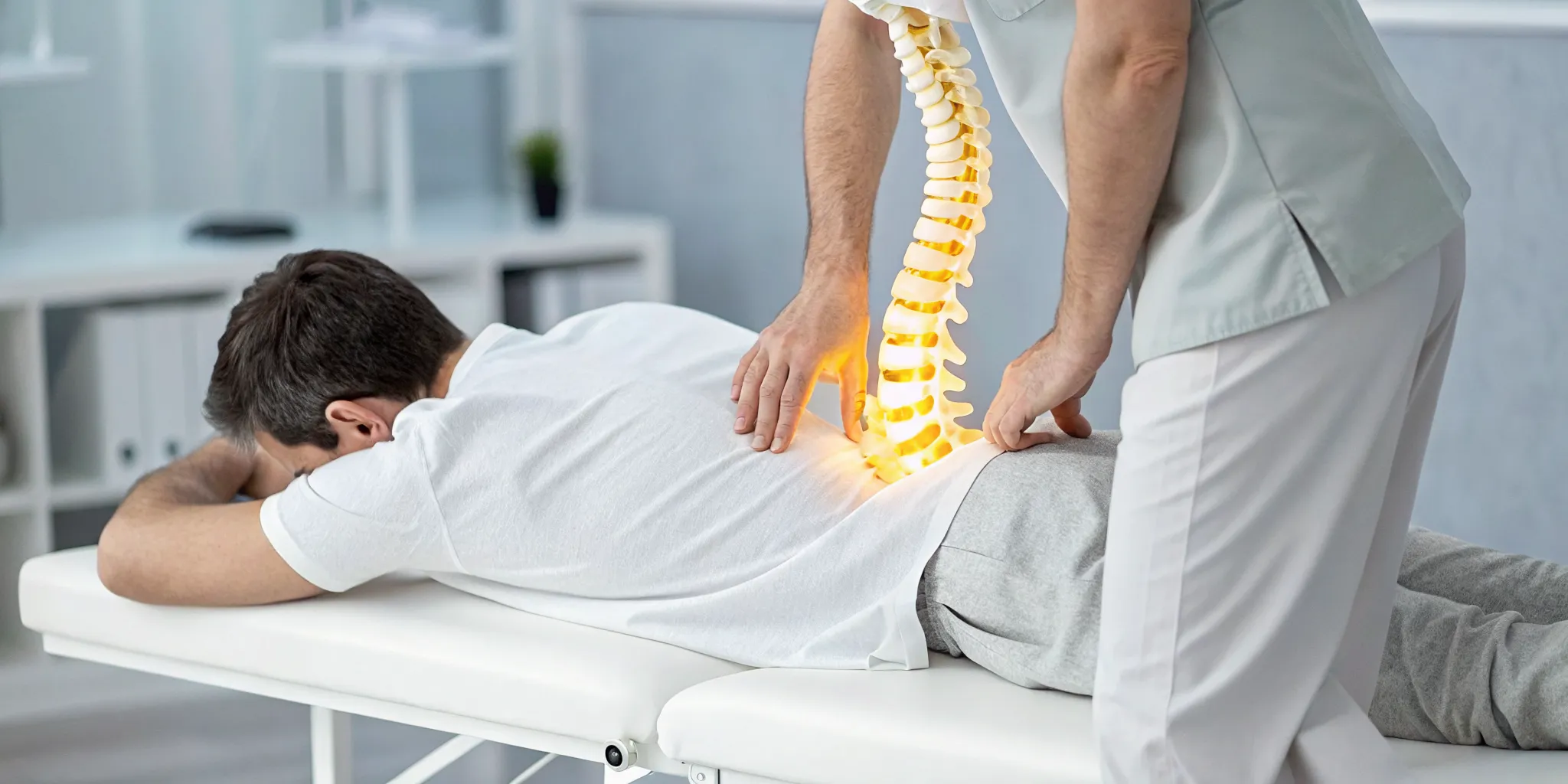

Think of your sciatic nerve as a major highway running from your lower back down to your feet. When a vertebra shifts, it creates a roadblock, pinching the nerve and causing a traffic jam of pain signals. While many treatments focus on managing the symptoms, they don’t actually clear the road. Chiropractic care addresses the roadblock itself. A gentle and specific spinal adjustment for the sciatic nerve is designed to correct the misalignment, taking pressure off the nerve and restoring normal flow. This allows inflammation to decrease and your body to begin healing naturally.
If you’ve ever felt a sharp, shooting pain that starts in your lower back and travels down your leg, you might be dealing with sciatica. It’s a common issue, but that doesn’t make it any less disruptive. Sciatica isn't a diagnosis on its own; it's a symptom of an underlying problem putting pressure on your sciatic nerve. This pressure can come from issues like a herniated disc, a bone spur, or a misaligned spine, which effectively chokes the nerve and sends alarm signals down your leg.
When the sciatic nerve is irritated, it can turn simple, everyday activities into painful challenges. Sitting at your desk, driving your car, or even just standing up can trigger that unmistakable pain. The discomfort can range from a mild, nagging ache to a severe, debilitating jolt that stops you in your tracks. Many people find that sciatica affects their work, their ability to enjoy hobbies, and even their sleep. The constant worry about triggering the pain can be mentally exhausting, making you feel hesitant to participate in activities you once loved. Understanding what’s happening in your body is the first step toward finding relief and getting back to the life you love. At Lazar Spinal Care, we focus on identifying the root cause of that nerve pressure to provide lasting solutions, not just temporary fixes for the pain. We help with a wide range of conditions by getting to the source of the problem.
The hallmark of sciatica is pain that radiates along the path of the sciatic nerve. This typically means you’ll feel a sharp, burning sensation that starts in your lower back, travels through your buttock, and goes down the back of one leg. For some, it feels like a bad leg cramp that just won’t quit, while for others, it’s a jolt of pain like an electric shock. You might also experience numbness, tingling, or muscle weakness in the affected leg or foot. These symptoms can make simple movements incredibly difficult and frustrating, turning a walk to the mailbox into a major hurdle.
To understand sciatica, it helps to visualize the nerve itself. The sciatic nerve is the longest and thickest nerve in your body, starting from nerve roots in your lower back (the lumbar spine). It then runs deep through your buttocks and down the back of each leg, all the way to your feet. Think of it as a major electrical cable supplying sensation and muscle control to your lower body. When one of the nerve roots in your lower back gets compressed or irritated, it sends pain signals down this entire pathway, which is why you feel the effects so far from the actual source of the problem.
The pain you feel is a signal that something is wrong, and the most common culprit is pressure on the sciatic nerve. This pressure can be caused by a herniated or bulging disc, spinal stenosis (a narrowing of the spinal canal), or a misalignment in your vertebrae. Our approach is to find out exactly what is causing that interference. As chiropractors, we look for these structural and mechanical issues to restore proper motion and alignment. By addressing the root cause, we can relieve the pressure on the nerve and, in turn, alleviate the pain. Our goal is to help your body heal itself with precise, gentle, and effective chiropractic care.
That nagging pain is your body’s way of sending an SOS signal. The most common reason for this signal is direct pressure on the sciatic nerve. Think of it like a kink in a garden hose. This pressure often comes from a few usual suspects: a herniated or bulging disc, where the soft cushion between your vertebrae pushes out of place; spinal stenosis, which is a narrowing of the canal your spinal cord runs through; or a simple misalignment of your vertebrae. At Lazar Spinal Care, we don't just guess. We use advanced diagnostics to pinpoint the exact structural issue causing your pain. By identifying the true culprit, we can create a care plan that addresses the root of the problem, helping you find genuine, lasting relief from a variety of conditions.
If you’re struggling with sciatica, it might feel isolating, but you are far from alone. Research shows that a significant portion of the population—about 10% to 40% of people—will experience sciatica at some point in their lives. That means in any group of ten friends, it’s likely that at least one to four of them know exactly what you’re going through. While it’s comforting to know it’s a shared experience, it’s important to remember that common doesn’t mean normal. You don’t have to accept sciatic pain as a permanent part of your life. It’s a signal from your body that something needs to be addressed. Taking that first step toward understanding the cause is the most powerful thing you can do. We make it easy for new patients to get started on their path to recovery.
If you’re dealing with sciatica, you know the pain is more than just a simple backache. It’s a disruptive, often debilitating pain that can travel from your lower back all the way down to your foot. While pain medication might offer a temporary break, it doesn’t fix the underlying issue. Chiropractic care takes a different approach. Instead of just masking the symptoms, we focus on identifying and correcting the root cause of your sciatic pain, which often lies in the structure of your spine.
The core idea is simple: your body is designed to heal itself. Sometimes, it just needs a little help getting back on track. A spinal misalignment can act like a roadblock, interfering with your nervous system and causing problems like sciatica. A spinal adjustment is a precise and gentle way to remove that roadblock. By restoring proper alignment and motion to your spine, we can take the pressure off the sciatic nerve. This allows your nervous system to function correctly and lets your body begin the healing process, leading to lasting relief without drugs or surgery. It’s all about helping your body work the way it was meant to.
So, how does a problem in your back cause pain in your leg? It all comes down to your body’s wiring. The sciatic nerve is the longest nerve in your body, starting in your lower back and running down through your hips, buttocks, and legs. Think of it as a major electrical cable. When the bones in your lower spine, called vertebrae, shift out of their proper position, or a spinal disc bulges, it can pinch or irritate this nerve right at its source. This compression is what sends those shooting pains, numbness, or tingling sensations down the nerve’s path. It’s a direct cause-and-effect relationship that explains why we see so many different conditions helped by addressing spinal health.
To relieve that nerve pressure, we use chiropractic adjustments. This isn't about forceful cracking or twisting. Instead, it involves gentle, specific movements to guide the misaligned vertebrae back into their correct position. At our clinic, we use advanced methods like Quantum Spinal Mechanics (QSM3), a highly precise and gentle technique that focuses on restoring balance to the entire body. By correcting the alignment of the spine, we can create more space for the nerves to pass through without interference. The goal is to make a lasting structural change that allows your body to function and feel better.
When we talk about the source of sciatic pain, the L4 and L5 vertebrae are often the prime suspects. These are the last two vertebrae in your lumbar spine, sitting right above your sacrum, and they bear a significant amount of your body's weight. Because of their location and the stress they handle, they are particularly prone to shifting out of alignment or developing disc issues. When this happens, they can directly compress the nerve roots that exit the spine to form the sciatic nerve. Our job is to pinpoint exactly where this compression is happening. Through our comprehensive examination, we can identify the specific misalignment. This allows us to apply a targeted adjustment to gently guide the vertebra back to its proper position, creating space and relieving the pressure that’s causing your pain.
Once a spinal adjustment corrects the misalignment, the pressure is immediately taken off the sciatic nerve. This is the first step toward healing. With the source of irritation removed, inflammation can decrease, and the nerve can start to recover. As the nerve heals, the pain signals it was sending out begin to quiet down. Patients often find that with each adjustment, they can move a little more freely without stiffness or pain. The ultimate goal is to restore your body’s natural alignment and stability, so you can bend, walk, and live your life without the constant worry of sciatic pain. If you're ready to find out if this approach is right for you, you can learn more about becoming a new patient with us.
While our primary focus is on restoring your body's overall balance through precise upper cervical care, it's helpful to understand some of the other tools chiropractors use to tackle sciatica. These techniques can also play a role in a comprehensive care plan by addressing different aspects of the problem, from muscle tension to disc pressure. Think of them as different specialists on a team, all working toward the same goal of getting you out of pain and back to your life.
Imagine your spine is a stack of cushions (your discs) between blocks (your vertebrae). When a disc gets squished, it can bulge out and press on the sciatic nerve. Decompression therapy is a gentle, non-surgical technique designed to give those cushions some breathing room. During this treatment, you lie on a specialized table that carefully stretches your spine, creating a slight negative pressure within the discs. This can help a bulging or herniated disc retract, pulling it away from the nerve. It’s a slow and controlled process that reduces pressure, eases pain, and allows more nutrients and oxygen to flow into the disc to promote healing.
Sometimes, the problem isn't just the spine itself but the tight, overworked muscles surrounding it. Trigger points are those painful, stubborn knots you can feel in your muscles, and they can be major contributors to sciatic pain. One common offender is the piriformis muscle, located deep in your buttock, which the sciatic nerve runs directly underneath or even through. When this muscle gets tight, it can clamp down on the nerve. A chiropractor can use hands-on techniques, like sustained pressure or massage, to release these trigger points. This helps relax the muscle, improve blood flow, and relieve the muscular compression that is adding to your pain, which is why it's a key part of addressing the many conditions we help.
Your pelvis forms the foundation for your spine, and if it’s tilted or out of alignment, it can throw everything above it off balance. Since the sciatic nerve passes directly through the pelvis on its way down your leg, an imbalanced pelvis can be a direct source of irritation. Pelvic adjustments are designed to correct this foundational misalignment. By gently guiding the pelvic bones back into their proper position, a chiropractor can reduce strain on the surrounding joints and muscles and, most importantly, take pressure off the sciatic nerve. This focus on restoring the body's core stability aligns with our own advanced approach, Quantum Spinal Mechanics (QSM3), which recognizes that true healing comes from correcting the body's overall structural balance.
If you're considering chiropractic care for sciatica, it's smart to weigh the benefits against any potential concerns. The good news is that spinal adjustments offer a promising, non-invasive path to relief. By understanding what the process involves and clearing up common misconceptions, you can make an informed decision about your health and get back to living without that nagging nerve pain.
The biggest advantage of spinal adjustments for sciatica is, simply, that they work. Chiropractic care provides a natural, non-surgical way to address the root cause of your pain. In fact, one study found that 60% of sciatica patients who didn't get results from other treatments experienced as much relief from chiropractic adjustments as they would have from surgery. For many, this means a significant reduction in pain and a welcome return to daily activities. Our patients often share stories of how they’ve regained mobility and found lasting relief, even after other medical treatments fell short. You can read some of their success stories to see what’s possible.
Living with sciatica is draining, not just physically but mentally. When your nervous system is constantly sending out pain signals, it puts your whole body on high alert. This can disrupt your sleep, sap your energy, and leave you feeling irritable and anxious. Chiropractic care helps by calming that system down at its source. By correcting the spinal alignment, we're not just stopping the leg pain; we're restoring balance to your entire nervous system. This is why we see improvements in so many different conditions that seem unrelated at first glance. This process allows your body to shift out of a constant state of stress and into a state of healing. Patients often report sleeping better, feeling more energetic, and having a brighter mood. When you can move without fear of pain, you can get back to enjoying your life, which is one of the best mood enhancers there is.
It’s completely normal to wonder about the safety of any new treatment. Research shows that chiropractic care has a very high safety profile, especially when compared to more invasive options like surgery or the long-term use of pain medication. The goal of an adjustment is always to relieve pain, not create it. While you might feel some minor pressure, the process is designed to be gentle. At Lazar Spinal Care, we use precise and advanced chiropractic techniques that are tailored to your body’s specific needs, ensuring your treatment is both comfortable and effective.
Misconceptions about chiropractic care can sometimes cause hesitation, but most are based on outdated information. One common myth is that adjustments are painful. As we’ve covered, the focus is on gentle, targeted movements to restore alignment and relieve pressure. Another misconception is that chiropractors only treat back pain. While we certainly help with back issues, our focus is on the health of your entire nervous system. Problems in your spine can affect many different parts of your body, and our goal is to address the core issue for whole-body wellness. If you're new to this approach, our new patient process is designed to answer all your questions and make you feel comfortable.
Let's tackle one of the most common questions we get about chiropractic care: that popping or cracking sound. It can be a little startling if you’re not expecting it, but it’s a completely normal and harmless part of the process. That sound isn't your bones cracking or grinding together. It’s simply the release of a gas bubble from the fluid that lubricates your joints—think of it like opening a can of soda. When a chiropractor performs a gentle adjustment to restore proper motion, the pressure inside the joint changes. This causes a gas bubble to form and then quickly release, creating that audible pop. Most people find this sound is immediately followed by a feeling of relief and greater freedom of movement in the joint.
Deciding on the right treatment for sciatica can feel overwhelming, but you don’t have to make that choice alone. The most important step is understanding exactly what’s causing your pain. While spinal adjustments are a powerful tool for relieving sciatic nerve pressure, they are most effective when they are part of a care plan designed specifically for you. A thorough evaluation is the only way to determine if chiropractic care is the best path forward for your unique situation. It’s all about finding a solution that addresses the root cause, not just masking the symptoms.
Before any treatment begins, the first step is always a comprehensive diagnosis. A professional chiropractor will assess your condition to pinpoint the mechanical factors contributing to your sciatic pain, like spinal misalignments or disc issues. This initial evaluation is also crucial for safety. We are trained to identify any red flags, such as fractures or infections, that would make spinal adjustments inappropriate. If we find that your condition requires a different type of medical care, we will guide you to the right specialist. This ensures you receive the safest, most effective treatment for your specific needs. You can learn more about what to expect during your first visit as a new patient.
It’s tempting to hope that sciatic pain will just go away on its own. But when it comes to nerve pain, waiting can sometimes allow a manageable issue to become a chronic problem. The longer a nerve is compressed, the more irritated it can become, which can lead to increased inflammation and a more difficult recovery down the road. Seeking timely care is about more than just immediate pain relief; it’s about addressing the underlying structural problem before it gets worse. A thorough chiropractic evaluation can pinpoint the source of the nerve pressure. By correcting the misalignment early, we help your body heal itself properly, which is the key to lasting relief and preventing the pain from coming back. If you're experiencing symptoms, finding out the cause is the most powerful step you can take.
We believe that a clear and precise diagnosis leads to better results. That’s why we use advanced tools to get a complete picture of your spinal health. Our NeuroBioStructural Analysis includes state-of-the-art diagnostics like PostureIQ™ imaging and Insight™ neurological scans. These assessments go beyond what the naked eye can see, allowing us to identify the exact source of your nerve interference. This data-driven approach helps us create a highly specific and effective care plan. It also allows us to explain exactly what’s happening in your body, which helps reduce any anxiety and empowers you to make informed decisions about your health. You can explore our techniques to see how we uncover the root of the problem.
While chiropractic care can be life-changing for many people with sciatica, it’s important to have realistic expectations. Healing is a process, not an event, and most patients experience gradual but meaningful improvements in their pain and mobility. In some cases, the best approach might involve a combination of therapies. For example, pairing chiropractic adjustments with physical therapy can be a great way to restore spinal alignment while also strengthening the supporting muscles. Our primary goal is your long-term wellness. If we believe another treatment is better suited for you, or that co-managing your care is the best option, we will always be transparent about it.
While it’s tempting to hope sciatica will go away on its own, certain signs tell you it’s time to seek professional help. If your pain is severe, getting worse, or if you experience numbness, tingling, or weakness in your leg or foot, don't wait. These are your body's signals that the nerve compression is significant and needs attention. Even if your pain is just a persistent, nagging ache, it’s still a sign of an underlying issue that isn't resolving on its own. Remember, sciatica is a symptom, not the final diagnosis. Getting a professional evaluation is the only way to uncover the root cause—whether it's a spinal misalignment, a disc issue, or something else—and create a plan for lasting relief. If you're ready to stop guessing and start healing, it's time to request an appointment for a proper assessment.
Deciding to seek care is a big step, and it’s natural to wonder what the process looks like. Our approach is centered on understanding your body’s specific needs and creating a clear path toward healing. From your first visit to your long-term wellness, we’re here to guide you.
Your first appointment is all about getting to the bottom of what’s causing your sciatica. We don’t believe in temporary fixes; our goal is to address the root cause of your pain so you can find lasting relief. We start with a comprehensive NeuroBioStructural Analysis, using advanced tools like PostureIQ™ and Insight™ neurological scans to get a precise picture of your spinal health. This detailed assessment allows us to create a care plan that is completely tailored to you. You can learn more about what to expect by visiting our new patients page.
Beyond the scans, we'll also sit down and have a real conversation about you. Your health history, daily routines, past injuries, and even your stress levels provide important clues that help us understand the complete picture of your health. This discussion is essential because sciatica is often influenced by lifestyle factors, like sitting for long hours or an old sports injury. By understanding your unique circumstances, we can uncover the root cause of your pain and not just chase the symptoms. This holistic approach ensures that your care plan is not only effective for your immediate sciatic pain but also supports your overall, long-term wellness.
Once we have your custom plan, we can begin the adjustment process. Using gentle and precise methods, we work to correct the spinal misalignments that are putting pressure on your sciatic nerve. The goal of each adjustment is to restore proper movement to your joints and give your body the chance to heal itself. We utilize a range of our techniques, including the highly specific QSM3 method, to ensure your care is as effective as possible. Some people feel relief right away, while for others, healing is a more gradual process. We’ll be with you every step of the way.
As we work to relieve the pressure on your sciatic nerve, you can expect to feel a significant change in your daily life. Many of our patients find they can finally bend, twist, and move without the stiffness and sharp pain that once held them back. In fact, one study found that 60% of sciatica patients who hadn't found relief from other treatments experienced as much help from chiropractic adjustments as they would have from surgery. The ultimate goal is to get you back to doing the things you love, pain-free. You can read about the experiences of others on our patient reviews page.
Feeling relief after a spinal adjustment is a fantastic first step, but the real goal is to keep that pain from coming back. Lasting wellness isn’t just about the adjustments you receive in our office; it’s also about the small, consistent choices you make every day. Think of it as a partnership. We work to correct the underlying issue, and you can support that healing with simple habits that protect your spine and prevent future flare-ups. By integrating a few key practices into your routine, you can maintain your progress and enjoy a life with more freedom and less pain.
One of the best ways to support your spine is by strengthening the muscles around it. After an adjustment, we can guide you through specific exercises designed to build up weak core muscles and improve your flexibility. This creates a natural corset of support for your spine, reducing the strain that can lead to sciatic pain. Gentle stretches for your hamstrings, hips, and lower back also play a huge role. They help release the muscular tension that can compress the sciatic nerve. We create personalized plans based on our techniques to ensure you’re doing the right movements for your body, helping you build a stronger, more resilient foundation for long-term health.
Before you begin any new stretching routine, it’s important to listen to your body. The goal is to feel a gentle pull, never sharp pain. If a stretch causes your symptoms to worsen, stop immediately. These exercises are meant to support your recovery, not push you past your limits. While these stretches are generally safe and effective for many people, the best approach is always a personalized one. A professional can assess your specific condition and recommend movements tailored to your body's needs, ensuring you get the most benefit without risking further irritation. This is a key part of how we help our patients achieve lasting results.
This stretch is excellent for releasing tension in your glute and piriformis muscles, which can sometimes press on the sciatic nerve. To start, lie on your back with your legs extended and your head resting comfortably on the floor. Bend your right knee and gently pull it across your body toward your left shoulder. You should feel a nice stretch in your right buttock. Hold this position for 20 to 30 seconds, breathing deeply the entire time. Release and slowly return to the starting position, then repeat on the other side. Performing this gentle stretch regularly can help maintain the mobility and alignment we work to restore with your adjustments.
Improving your spinal mobility is crucial for keeping your back healthy and pain-free. A seated spinal twist is a gentle way to do just that. Sit on the floor with your legs extended straight out in front of you. Bend your right knee and place your right foot on the outside of your left thigh. Place your left elbow on the outside of your right knee and use it to gently twist your upper body to the right. Place your right hand on the floor behind you for support. Hold for 30 seconds, then slowly unwind and switch sides. This movement helps maintain the progress from your adjustments and supports a life with more freedom and less pain.
Pigeon pose is a fantastic hip opener that can relieve tightness around the sciatic nerve. Start on all fours. Bring your right knee forward and place it behind your right wrist, angling your right shin so your foot is near your left hip. Slowly slide your left leg straight back, lowering your hips toward the floor. Keep your hips square and support yourself with your hands. If this is too intense, you can place a folded blanket under your right hip. Hold for 30 seconds, breathing into the stretch. This pose is part of a proactive approach to wellness, helping address the muscular imbalances that contribute to many of the conditions we help with.
You’d be surprised how much your daily habits affect your spinal health. We can offer practical advice on how to sit, stand, and move in ways that prevent sciatica from getting worse. For example, if you work at a desk, making sure your chair supports your lower back and your screen is at eye level can make a world of difference. When you sleep, your position matters, too. If you’re a back sleeper, try placing a pillow under your knees to relax your lower back and take pressure off the sciatic nerve. As a new patient, we’ll walk you through these small but powerful changes that contribute to your recovery.
Our approach has always been to address the root cause of your pain, not just the symptoms. Maintaining that progress for the long haul involves a combination of consistent care and healthy lifestyle habits. Think of your spinal health as a complete picture. It includes targeted exercises, ongoing spinal care, and the daily choices you make. By staying active, being mindful of your posture, and following your personalized care plan, you empower yourself to stay ahead of sciatic pain. True wellness is an ongoing journey, and we’re here to support you every step of the way. If you're ready to build a foundation for lasting health, you can request an appointment to get started.
While spinal adjustments are key to restoring proper alignment, what you eat is the fuel that helps your body heal and hold those corrections. Your nerves, muscles, and discs are all made of living tissue that requires the right nutrients to function properly and repair itself. Think of it this way: we work to clear the structural roadblocks, and good nutrition provides the materials your body needs to rebuild the road. This holistic view is why we see so many different conditions helped by our approach—we’re supporting your body’s incredible ability to heal from the inside out.
Absolutely. While a vitamin deficiency on its own might not cause sciatica, it can certainly make the pain worse and slow down your recovery. For instance, Vitamin B12 is essential for nerve health; a lack of it can contribute to that tingling and numbness you might be feeling. Low levels of Vitamin D have been linked to increased pain sensitivity, making everything feel more intense. And magnesium is crucial for preventing the muscle cramps and spasms that can aggravate an already irritated sciatic nerve. Incorporating foods rich in these nutrients is a great start, but it's also important to understand your specific needs. As part of our comprehensive evaluation for new patients, we consider all aspects of your health to create a plan that supports your complete well-being.
How soon can I expect to feel relief from my sciatica? Everyone’s body heals at its own pace, so there isn't a single timeline for relief. Some people notice a positive change after their very first adjustment, while for others, it's a more gradual improvement over a few visits. Our goal is to make steady progress. By using advanced diagnostics to pinpoint the exact cause of the nerve pressure, we can create a care plan designed for efficient and lasting results, rather than just temporary comfort.
I'm worried about the adjustments being painful. What do they actually feel like? That's a completely understandable concern. Many people imagine chiropractic adjustments to be forceful or jarring, but our approach is quite the opposite. We use precise and gentle techniques, like QSM3, that are designed to be comfortable. You might feel some light pressure, but the process is focused on carefully guiding your spine back into its proper alignment to relieve pain, not cause it.
My pain is mostly in my leg. How does adjusting my spine help that? It seems counterintuitive, but the source of your leg pain is almost always located in your lower back. The sciatic nerve starts in your spine and travels all the way down your leg. When a spinal misalignment or a disc issue puts pressure on that nerve at its root, it sends pain signals down the entire nerve path. By correcting the problem in your spine, we take the pressure off the nerve, which quiets those pain signals and resolves the discomfort you feel in your leg.
What makes your approach to sciatica different from other treatments? Many treatments focus on managing the symptoms of sciatica, like the pain or inflammation. Our approach is different because we concentrate on finding and correcting the structural problem that is causing the symptoms in the first place. We use a detailed NeuroBioStructural Analysis, including specialized scans, to identify the root cause of the nerve interference. This allows us to provide a precise correction that helps your body heal itself for long-term relief, without relying on medication.
Once I feel better, will I need to continue treatment forever? Our primary goal is to get you to a point where you are stable and pain-free. After your initial corrective care plan, many of our patients choose to continue with periodic check-ups to maintain their spinal health and prevent the problem from returning. Think of it like dental check-ups; it's proactive care to keep things working well. The decision is always yours, but we find that maintaining proper alignment helps ensure your long-term wellness.