.png?width=150&height=60&name=2026%20LSC%20Logo%20(2).png)
Back Pain

Living with neuropathy can feel like your body’s communication lines are scrambled. That constant tingling, numbness, and pain are clear signals that something is off. But what if the source of the problem isn't in your hands or feet? Often, the interference starts much higher up, with a subtle misalignment at the top of your spine. This is why our unique approach to neuropathy treatment Dexter residents trust focuses on finding the true source of the breakdown, helping restore clear communication throughout your entire nervous system.
If you’ve been experiencing strange sensations like tingling, numbness, or sharp pains in your hands or feet, you might be dealing with neuropathy. Simply put,
The causes of nerve damage are varied. It can result from conditions like diabetes, physical injuries, infections, or even exposure to certain toxins. Because the source of the problem can be so different from person to person, finding effective and lasting relief requires getting to the root of the issue instead of just masking the symptoms with medication. Understanding the underlying cause is the first step toward creating a care plan that helps your body heal and function properly again. Our approach focuses on identifying and addressing the source of your neuropathy to restore your quality of life, not just quiet the noise.
"Neuropathy" is an umbrella term, not a single diagnosis. In fact, there are more than 100 different types of peripheral neuropathy, which is nerve damage that occurs outside of the brain and spinal cord. Each type comes with its own unique set of symptoms, progression, and potential causes. This is why a generic treatment plan often fails to provide lasting relief. A thorough diagnostic process is essential to pinpoint the specific nature of your nerve damage. By understanding exactly what you're dealing with, we can create a targeted and effective strategy that addresses your body's specific needs, giving you a clear path toward recovery.
Neuropathy symptoms can range from mildly distracting to completely debilitating. It’s important to pay attention to what your body is telling you. Common symptoms often include a burning or stabbing pain, a persistent "pins-and-needles" tingling, or a creeping numbness that makes it hard to feel things properly. You might also notice muscle weakness in the affected areas or have trouble with your balance, making you feel unsteady on your feet. These sensations can make daily life incredibly difficult, turning simple tasks into painful challenges. Recognizing these signs is the first step toward finding solutions for the conditions we help manage every day.
To understand neuropathy, it helps to think of your nervous system as your body's electrical wiring. Your brain and spinal cord are the main power source, and the peripheral nerves are the wires that run out to every part of your body, like your hands and feet. Peripheral neuropathy occurs when these wires get damaged. The protective coating around the nerve, called the myelin sheath, can break down, or the nerve fiber itself can be injured. This damage disrupts the signals being sent between your body and your brain, leading to the confusing and painful symptoms you experience. Our goal is to find where that disruption is happening and address the root cause of your neuropathy.
The symptoms of neuropathy depend entirely on which types of nerves are affected. Your peripheral nervous system has three main kinds of nerves. Sensory nerves control what you feel, like pain, temperature, and touch, so damage here often results in tingling, numbness, or burning sensations. Motor nerves control muscle movement, and when they're impacted, you might experience weakness, cramping, or loss of coordination. Finally, autonomic nerves manage involuntary functions like blood pressure, heart rate, and digestion. Damage to these nerves can cause a wide range of issues that might not seem related to neuropathy at first glance, which is why a thorough evaluation is so important.
One of the most well-known causes of peripheral neuropathy is diabetes. In fact, it's the leading cause worldwide. Over time, high blood sugar levels can become toxic to your nerves, gradually causing damage that leads to the classic symptoms of diabetic neuropathy, especially in the feet and legs. Managing blood sugar is a critical part of preventing further damage, but it's also important to address the existing nerve dysfunction. By supporting your body's ability to heal and improving nerve communication, we can help manage the symptoms and improve your overall function, even when diabetes is the underlying factor.
While diabetes is a major culprit, neuropathy can stem from a wide range of other issues. Physical trauma, such as injuries from a car crash or a fall, can directly damage nerves or create spinal misalignments that interfere with nerve signals. Infections, autoimmune diseases, vitamin deficiencies, and exposure to certain toxins can also contribute to nerve damage. Because the cause can be so varied, a one-size-fits-all approach rarely works. That's why we focus on a detailed diagnostic process to understand the specific factors contributing to your condition, whether it's from a recent auto accident or a long-term health issue.
If you're living with neuropathy, it's easy to feel isolated, but the condition is far more common than you might think. It's estimated that about 2.4% of the global population is affected by some form of peripheral neuropathy. That number increases significantly with age, rising to between 5% and 7% for people over 45. These statistics show that millions of people are dealing with similar challenges. While it's particularly prevalent among seniors, it's important to remember that being common doesn't make it normal. You don't have to accept the pain and numbness as an inevitable part of life. There are effective ways to address the root cause and restore your body's function.
Living with neuropathy can feel like a constant battle, but you don’t have to rely on medication to simply mask the symptoms. At Lazar Spinal Care, we offer a different path forward. We use a combination of advanced, non-surgical treatments designed to address the root cause of your nerve pain. By focusing on your body’s incredible ability to heal, we can help you find lasting relief and get back to enjoying your life in Dexter. Our approach is gentle, precise, and tailored specifically to you.
Our philosophy is simple: we want to help your body function the way it was meant to. While there isn't a "cure" for neuropathy, we can make a significant impact on your symptoms by addressing the underlying structural issues that interfere with your nerve function. Instead of just chasing the pain, we focus on restoring proper communication between your brain and your body. This unique approach to neuropathy relief helps reduce pain, numbness, and tingling at its source, allowing for genuine, long-term improvement in your quality of life.
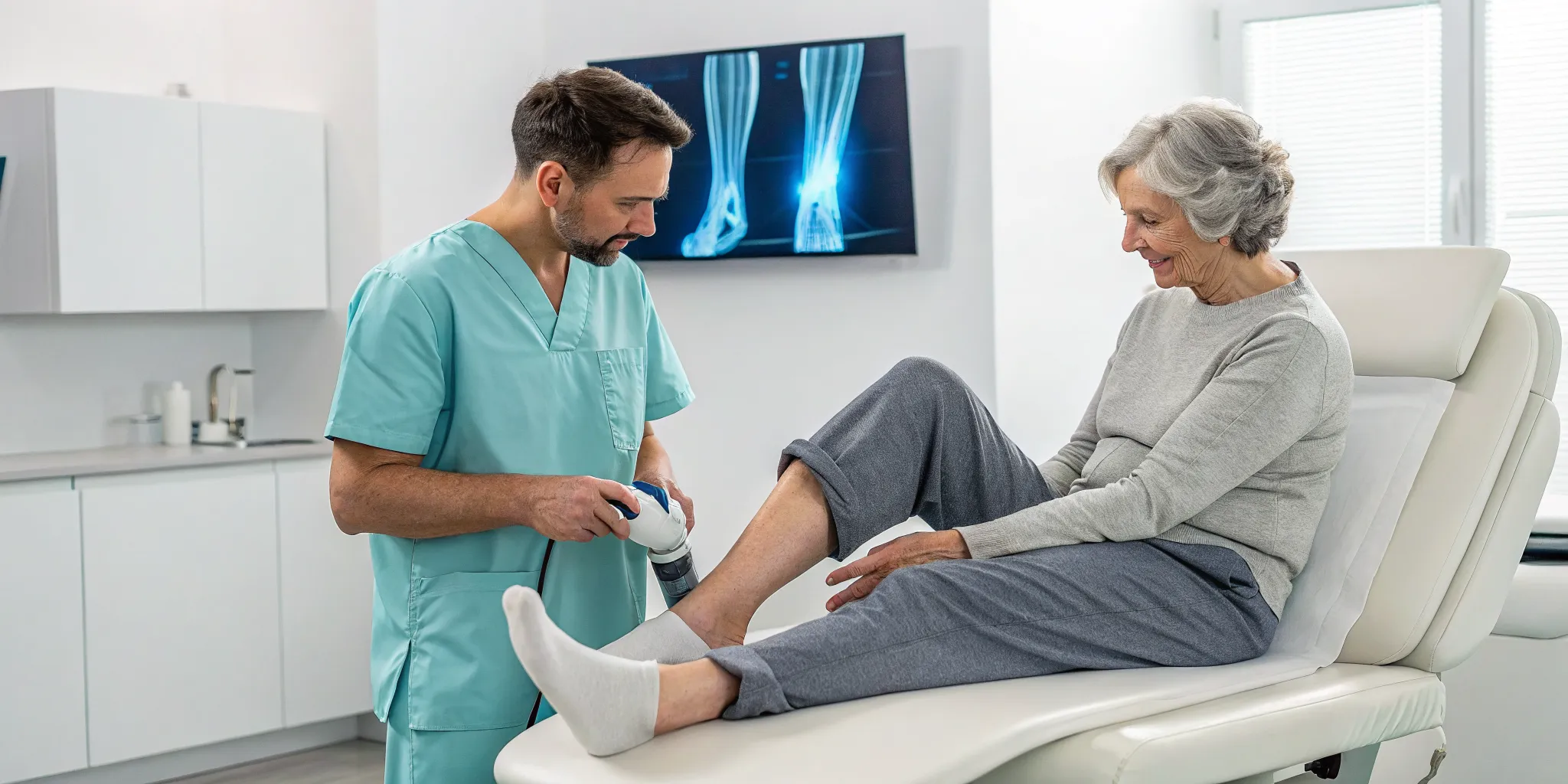
One of the most exciting tools we use is SoftWave Therapy. This non-invasive technology uses electro-hydraulically produced soundwaves to stimulate your body’s natural healing processes at a cellular level. For those suffering from neuropathy, this means we can help regenerate damaged nerves and tissues without any needles or downtime. It’s a fantastic option for reducing pain levels faster and promoting real healing. Many of our patients find SoftWave therapy to be a comfortable and highly effective part of their recovery plan.
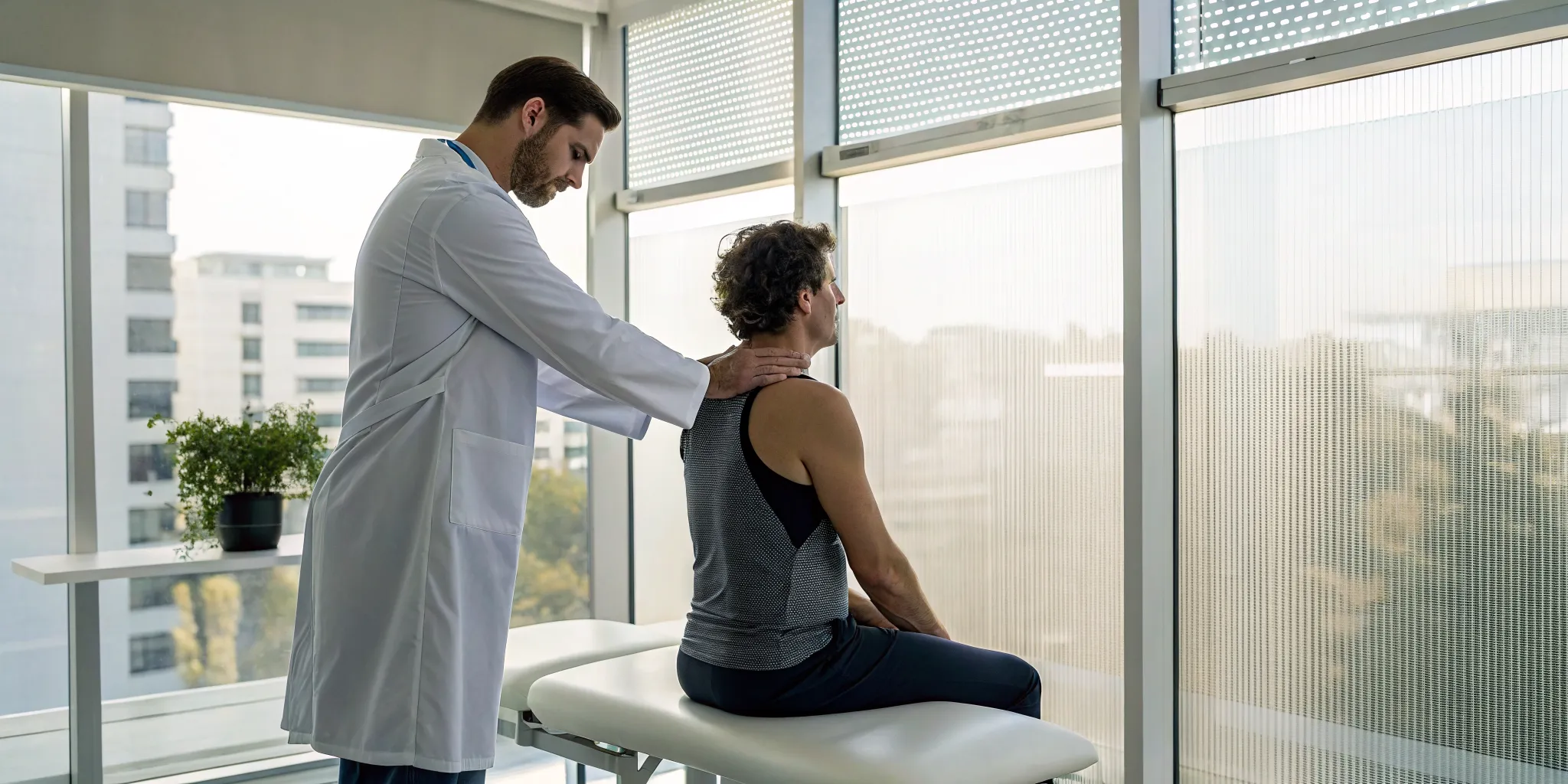
Did you know that a subtle misalignment in your neck could be contributing to the neuropathy symptoms in your hands or feet? Your brainstem, the vital communication hub for your entire nervous system, sits at the very top of your spine. When the upper cervical spine is out of alignment, it can disrupt nerve signals traveling throughout your body. Our specialized upper cervical chiropractic care focuses on correcting these structural issues, which helps restore clear nerve communication and can reduce symptoms like pain and numbness right at their source.
Quantum Spinal Mechanics (QSM3) is a gentle and precise technique we use to restore your body’s natural balance and posture. Unlike traditional chiropractic methods that may involve twisting or popping, QSM3 is a low-force approach that focuses on bringing your entire body back to a state of equilibrium. By focusing on the health of your spine and nervous system, we can help restore clear communication pathways. This process can reduce pain, improve function, and support your body’s innate healing processes, which is essential for anyone dealing with the challenges of neuropathy.
Laser therapy is another powerful, non-invasive treatment we offer to help you find relief from neuropathy. This technique uses specific wavelengths of light to penetrate deep into tissues, where it enhances circulation and stimulates cellular activity. For nerves that are damaged and struggling to function, this process provides the energy they need to repair themselves. By supporting natural nerve healing, laser therapy can lead to a significant reduction in neuropathy symptoms like burning, tingling, and pain, helping you feel more like yourself again.
We are committed to using modern solutions that offer more than just temporary relief. Our use of Tissue Regenerative Technology (TRT) represents a significant step forward in neuropathy care. These therapies, including SoftWave, are designed to activate your body’s own healing mechanisms to repair and regenerate damaged nerve tissue. This approach holds the potential for long-term relief and restored nerve function. Our goal is to help you get back to your life without persistent pain holding you back from the things you enjoy, and TRT is a key part of that mission.
Getting a formal diagnosis for neuropathy is the first real step toward finding relief. The process usually starts with a visit to your doctor to figure out what’s causing your symptoms. This initial stage is all about gathering clues. Your doctor will want to understand the full picture of your health to determine why your nerves might be sending distress signals. They’ll combine your personal health story with a physical examination to start narrowing down the possibilities. While this conventional approach is an important starting point for identifying nerve damage, it’s crucial to remember that a complete picture often requires looking at how your entire body is structured and functioning, which is key to finding a lasting solution for our new patients.
Your first appointment will feel a lot like a conversation. Your doctor will ask detailed questions about your symptoms: what they feel like, where you feel them, and when they started. They’ll also review your overall health, including any existing conditions, medications you take, and your family's medical history. This is your chance to share everything you’ve been experiencing. Following this discussion, they will perform a neurological exam. This involves a series of simple, painless tests to check your reflexes, muscle strength, and your ability to feel sensations like touch and vibration. This hands-on assessment helps your doctor pinpoint which nerves are affected and how severely, creating a map of the problem area.
If your initial exam suggests neuropathy, your doctor may recommend further tests to confirm the diagnosis and uncover the underlying cause. Blood tests are very common and can reveal issues like vitamin deficiencies, diabetes, or autoimmune disorders that are known to cause nerve damage. In some cases, you might be sent for nerve conduction studies or an electromyography (EMG) test. These sound complicated, but they simply measure the electrical activity in your nerves and muscles to see how well they’re communicating. These tests are great for confirming that nerves are damaged, but a truly comprehensive plan also looks at the structural reasons *why* they might be under stress, which is a core part of our approach to helping the conditions we help.
When you're dealing with the constant tingling, numbness, or pain of neuropathy, you want a solution that actually works. Traditional medical routes often rely on prescription medications that are designed to manage your symptoms. While these can offer some relief in the short term, they rarely address what’s causing the nerve damage in the first place. This can lead to a frustrating cycle of dependency on medication without ever getting to the heart of the problem.
At Lazar Spinal Care, we see things differently. We believe true healing comes from finding and correcting the root cause of your neuropathy. Our non-surgical treatments are designed to support your body’s incredible, natural ability to heal itself, creating lasting change instead of just masking the pain. We use advanced, gentle techniques that work with your body, not against it.
Instead of focusing only on the symptoms in your hands or feet, we look at your entire body's structure and function. A subtle misalignment in your upper spine, for example, can interfere with nerve communication throughout your entire body. By correcting these foundational issues, we can help restore proper nerve function and create an environment where genuine healing can finally happen. This is the key difference in our approach: we aim for real recovery, not just temporary symptom suppression.
When you first receive a neuropathy diagnosis, your doctor will likely suggest a few standard treatment options. These conventional approaches are the most common first line of defense and are primarily focused on managing the discomfort and pain associated with nerve damage. While they can provide some level of relief for many people, it's important to understand their goal: to control the symptoms. This is a very different objective from correcting the underlying problem that's causing the nerve interference in the first place. Let's look at what these traditional treatments typically involve.
The most common approach in conventional medicine is to prescribe medications to dull the pain signals from damaged nerves. These often include drugs originally developed for other conditions, like anti-seizure medications or antidepressants, which have been found to help with neuropathic pain. While they can make daily life more manageable by reducing the constant burning or tingling, they don't do anything to repair the nerves themselves. This can create a dependency on medication just to get through the day, often with a list of potential side effects. It’s a strategy that masks the problem rather than solving it, which is why so many people eventually seek out care that addresses the root cause of their health challenges.
Physical therapy is another common recommendation, and it can be very helpful for improving strength, stability, and balance, which are often affected by neuropathy. However, if the nerve interference originates from a structural issue like a misalignment in your upper spine, PT might not fully resolve the problem at its source. For more severe cases, particularly when there's clear evidence of nerve compression from something like a herniated disc, surgery may be presented as an option. This is typically considered a last resort due to its invasive nature and recovery time. These options highlight the gap that gentle, non-surgical techniques can fill by addressing foundational issues without the need for drastic measures.
Medications for neuropathy can feel like a lifeline, but they often just turn down the volume on your symptoms. The underlying nerve damage can continue to progress while the warning signals are muted. This approach provides temporary comfort but doesn't solve the problem long-term.
Our focus is on creating real, lasting results. We use specialized techniques like Quantum Spinal Mechanics (QSM3) to gently correct the structural imbalances that put pressure on your nervous system. By addressing the root cause, we help your body heal from the inside out. This approach offers the potential for long-term relief and a genuine return to the activities you love, rather than a lifetime of simply managing symptoms.
Many people are understandably wary of the side effects that can come with long-term medication use. Our treatments offer a safe, effective, and comfortable alternative. We believe in providing a path to wellness that doesn't require you to rely on drugs to feel good.
We use innovative, non-invasive methods like Tissue Regenerative Technology and Laser Therapy to support your body's healing process. These therapies work at a cellular level to reduce inflammation, improve circulation, and stimulate nerve repair. They are gentle, painless, and designed to help your body heal itself naturally. This medication-free approach focuses on restoring your health and function, allowing you to feel better without unwanted side effects.
Healing from neuropathy is a process, not a single event. Your recovery journey is unique to you, and we’re here to guide you every step of the way. It’s a partnership built on understanding your specific condition and goals.
It all begins with a comprehensive assessment to pinpoint the exact cause of your nerve issues. From there, we create a personalized care plan that combines our specialized approaches to give your body the best possible chance to heal. Our goal is to help you regain your quality of life. As your nerves begin to heal and function better, you can find lasting relief from your symptoms. If you're ready to move beyond temporary fixes, the first step is to schedule a consultation to see if our approach is right for you.
While our in-office treatments are designed to address the root cause of your nerve pain, the choices you make every day play a huge role in your recovery. Think of it as a partnership: we work to correct the underlying structural issues, and you can support that healing process with positive lifestyle habits. Taking an active role in your health not only helps manage your symptoms but also creates an environment within your body that is primed for healing. These simple, proactive steps can make a significant difference in how you feel and function, complementing the care you receive from our team and empowering you on your path to wellness.
Making small, consistent changes to your daily routine can have a big impact on your nerve health. If you have neuropathy, especially related to diabetes, your feet need extra attention. Make it a daily habit to check them for any cuts or blisters, since numbness can prevent you from feeling minor injuries. Alongside careful foot care, gentle exercise is incredibly beneficial. Activities like walking, swimming, or tai chi can help reduce nerve pain and improve muscle strength. What you eat also provides the essential building blocks your body needs to repair itself. Focus on a balanced diet rich in fruits, vegetables, and lean protein to support nerve health, and be mindful to avoid excessive alcohol, which can make symptoms worse.
As you build a comprehensive care plan, you might be curious about other therapies that can help manage your symptoms. Many people find relief by incorporating alternative medicine, like acupuncture, which uses thin needles to help reduce pain signals. When performed by a certified practitioner, it's a safe option to consider. Certain supplements, such as alpha-lipoic acid, have also shown promise. However, it's incredibly important to approach these options as part of a conversation with your healthcare provider. Some supplements can affect blood sugar or interact with other treatments, so you should never start taking something new without professional guidance. Open communication ensures every part of your wellness plan is working together safely.
Living with neuropathy is more than just managing physical symptoms; it's also about understanding your condition and knowing how to advocate for yourself. This journey involves learning what to expect, recognizing when you need to seek immediate help, and preparing effectively for your medical appointments. Being an informed and active participant in your own care is one of the most powerful things you can do. It allows you to build a strong partnership with your healthcare team and make confident decisions about your treatment path, ensuring you get the best possible support for your unique situation.
The long-term outlook for neuropathy really depends on its underlying cause. The good news is that when nerve damage is caused by a treatable condition, like a structural misalignment in the spine, the symptoms can often improve or even resolve once the root issue is corrected. This is at the heart of what we do. However, for neuropathy linked to chronic conditions like diabetes, the damage may be permanent. In these cases, the focus shifts to effectively managing symptoms and preventing further progression. No matter the cause, a proactive approach to care can significantly improve your quality of life.
While most neuropathy symptoms are managed on an ongoing basis, there are certain signs that require immediate medical attention. You should go to the emergency room if you experience sudden weakness, especially on one side of your body, or have trouble walking, as these could be signs of a stroke. You should also seek emergency care for muscle weakness that seems to be rapidly moving up your body or if you have difficulty breathing or swallowing. Severe issues with automatic body functions, like a very fast or slow heart rate, passing out, or loss of bladder or bowel control, are also reasons to get help right away.
To make the most of your time with any healthcare provider, a little preparation goes a long way. Before your visit, make a detailed list of all your symptoms, including when they started and what makes them better or worse. Also, jot down key personal information, like major life stressors or a family history of similar conditions. Be sure to list every single medication, vitamin, and supplement you take. It’s also a great idea to write down your questions in advance and bring a trusted friend or family member along to help you remember all the information discussed. Being prepared helps us get to the root of the problem faster and is a key first step when you request an appointment with our team.
Finding the right specialist for your neuropathy care is a big decision, and it’s one that can truly shape your path to recovery. When you’re dealing with the tingling, numbness, or pain of neuropathy, you want a partner in your health who does more than just manage symptoms. You need someone who is committed to finding and addressing the root cause of the problem.
As you explore your options in the Dexter area, it helps to have a clear set of criteria. Think beyond a general search and focus on the specifics that lead to lasting relief. Consider the technology a clinic uses, the specialized training of its team, and its overall approach to patient care. These three pillars can help you identify a specialist who offers a truly comprehensive and effective solution for your unique needs, setting you up for a future with less pain and a better quality of life.
When you’re trying to solve a complex problem, you need the right tools. The same is true for treating neuropathy. A specialist who invests in advanced diagnostic technology can get a much clearer picture of what’s happening inside your body. This goes beyond a standard exam; it’s about using precise tools to identify the exact source of nerve interference or damage. This level of accuracy is the foundation of an effective treatment plan. Instead of guesswork, your care is based on concrete data. This is why we use state-of-the-art assessments to pinpoint the problem, ensuring your chiropractic care for neuropathy is targeted and effective from day one.
Not all chiropractic care is the same, especially when it comes to neuropathy. Look for a specialist with advanced training in the upper cervical spine, the area where your brainstem meets your spinal cord. A misalignment here can disrupt communication throughout your entire nervous system, contributing to neuropathy symptoms elsewhere in your body. A practitioner with specialized training, like the Quantum Spinal Mechanics (QSM3) method we use, can make gentle, precise adjustments to this critical area. This approach doesn’t just chase symptoms; it helps restore your body’s structural balance, creating the right environment for your nerves to heal and function properly. It’s a focused technique designed to address the root cause for lasting results.
Finally, seek out a specialist who sees you as a whole person, not just a collection of symptoms. A holistic care philosophy means your provider understands that all the systems in your body are connected. They will work to understand the full picture of your health to create a plan that supports your body’s natural healing abilities. This approach is about fostering long-term wellness, not offering a temporary fix. It’s a partnership focused on helping you regain your quality of life without relying on medication. When a specialist is committed to holistic care, they provide a path toward genuine, sustainable relief from your neuropathy symptoms.
When you’re dealing with the daily challenges of neuropathy, the cost of care shouldn't be another source of stress. We believe in being transparent about the financial side of treatment so you can focus on what truly matters: getting better. The total investment in your health will depend on your unique situation, including the severity of your nerve damage and the specific combination of therapies needed to address the root cause of your symptoms.
The goal is to create a plan that not only provides lasting relief but also fits your life. To help you understand what to expect, let's break down the key factors that influence the cost of neuropathy care, from insurance coverage to the long-term value of a precise diagnosis. Our team is here to guide you through every step, ensuring you have all the information you need to make a confident decision about your health.
This is often the first question people ask, and for good reason. Insurance coverage for neuropathy treatment can vary quite a bit between providers and plans. The best first step is to contact your insurance carrier directly to confirm your benefits and see if our clinic is in-network. This simple call can give you a clear picture of your out-of-pocket responsibilities. If you find that we are not an in-network provider, don’t worry. Our team is experienced in helping patients understand their benefits and will work with you to find the most coverage available for your treatment plan. We want to make your new patient experience as smooth as possible.
The cost of peripheral neuropathy treatment can range widely depending on your specific needs. Factors like the frequency of your visits, the types of diagnostic tests required, and the specific therapies included in your plan all play a role. We understand that every patient's financial situation is different, and we don't believe that cost should be a barrier to receiving life-changing care. To make your treatment accessible, we offer flexible payment and financing options. During your initial consultation, we can discuss these options with you and find a solution that works for your budget. You can request an appointment to learn more about our approach and how we can help.
Your initial assessment is the most critical step in your journey toward recovery. While it may seem like just another appointment, this in-depth evaluation is a vital investment in your long-term health. By using advanced diagnostics to pinpoint the exact cause of your neuropathy, we can create a highly targeted and effective treatment plan. This precision helps you avoid spending time and money on generic treatments that only mask symptoms. A thorough assessment ensures that every therapy you receive is designed to produce real, lasting results, ultimately leading to a better outcome and greater value. You can learn more about what to expect during your first visit on our website.
When you're dealing with the persistent tingling, numbness, or pain of neuropathy, you want a team that does more than just manage your symptoms. You want answers and a clear path toward lasting relief. That’s why so many of your neighbors in Dexter make the short drive to our Ann Arbor office. We offer a fundamentally different approach to neuropathy care, one that focuses on identifying and correcting the root cause of your nerve issues. It’s about restoring your body’s natural ability to heal so you can get back to living your life comfortably and confidently.
One of the biggest reasons people choose our clinic is our specialization. We are the only upper cervical chiropractic clinic in Ann Arbor, which means we have advanced training in the relationship between the top two bones in the neck and the central nervous system. A misalignment in this critical area can disrupt nerve communication throughout your entire body, contributing to neuropathy symptoms in your hands and feet. By focusing on this master control center, we can address the problem at its source. Our specialized techniques are gentle, precise, and designed to restore proper function, offering a unique solution you won’t find anywhere else in the area.
We believe your body has an incredible capacity for healing, and our goal is to support that process without relying on medication. While prescriptions can sometimes offer temporary relief, they often come with unwanted side effects and don’t fix the underlying problem. Chiropractic care for neuropathy is a safe and noninvasive way to manage uncomfortable symptoms like pain and numbness. Our entire approach is built around providing medication-free relief that helps your body heal from the inside out. We’re committed to helping you achieve genuine, long-term wellness, not just masking the symptoms for a little while.
Effective treatment starts with an accurate diagnosis. We don’t guess when it comes to your health. Instead, we use advanced diagnostic tools, including PostureIQ™ and Insight™ neurological scans, to get a precise picture of what’s happening with your spine and nervous system. This technology allows us to see exactly where structural issues are interfering with nerve communication. Correcting these specific problems helps restore proper nerve flow and can reduce symptoms like pain and numbness at their source. This detailed analysis ensures we understand the root cause of your neuropathy before we even begin your care.
Neuropathy affects everyone differently, which is why a one-size-fits-all approach simply doesn’t work. After your initial in-depth assessment, we create a treatment plan that is tailored specifically to your body and your health goals. We may combine several of our advanced methods, such as gentle Quantum Spinal Mechanics (QSM3) adjustments, Laser Therapy, or Tissue Regenerative Technology. These specialized approaches work together to create an environment where your nerves can begin to heal and function better. This personalized strategy gives you the best possible chance of finding lasting relief from your neuropathy symptoms and reclaiming your quality of life.
Taking the first step toward feeling better can feel like the hardest part, but it doesn’t have to be. If you’re tired of living with the pain, tingling, or numbness of neuropathy, we’re here to help you find a clear path forward. Our process is designed to be straightforward and supportive, focusing on understanding the root cause of your symptoms so we can create a plan that actually works. It all starts with a simple conversation.
If you're experiencing the persistent discomfort of neuropathy, the best thing you can do is reach out. Your initial consultation is a dedicated time for us to listen to your story, understand your health challenges, and determine if our approach is the right fit for you. This isn't a high-pressure sales meeting; it's a genuine conversation about your well-being. We’ll discuss your symptoms and health history to get a full picture of what you're going through. Taking this first step is easy, and you can request an appointment online to find a time that works for you.
During your first visit, our main goal is to uncover the underlying cause of your neuropathy. We use advanced diagnostic tools, including PostureIQ™ and Insight™ neurological scans, to get a precise look at how your body is functioning. This helps us see exactly where the structural and neurological imbalances are. This comprehensive assessment is gentle, non-invasive, and gives us the critical information we need to move forward. You can learn more about the specifics of this visit on our new patients page. We want you to feel comfortable, informed, and confident that you’re in the right place.
Once we have a clear understanding of your condition, we’ll develop a personalized recovery plan just for you. Our approach to neuropathy focuses on creating the stability your body needs to heal itself from the inside out. By using a combination of our specialized techniques, we aim to repair damaged tissue, reduce inflammation, and restore proper nerve function. Your plan is designed to deliver long-term relief, not just a temporary fix for your symptoms. We’ll walk you through every step, explaining how each part of your care contributes to your overall recovery and helps you get back to living your life.
How is your approach to neuropathy different from just taking medication? While medication can sometimes reduce the pain signals associated with neuropathy, it doesn't address what's causing the nerve damage in the first place. Our approach is focused on finding and correcting the root cause. We use advanced diagnostics to identify structural and neurological issues that interfere with your body's communication system. By correcting these core problems, we help your body heal itself, which can lead to lasting relief instead of just temporary symptom management.
Are the treatments like QSM3 and SoftWave Therapy painful? Not at all. We prioritize your comfort, and our methods are specifically designed to be gentle and non-invasive. QSM3, for example, is a very low-force technique that doesn't involve any of the popping or twisting you might associate with traditional chiropractic care. Similarly, therapies like SoftWave and Laser Therapy are comfortable procedures that work at a cellular level to support your body's natural healing processes without causing pain.
How soon can I expect to feel better? Because every person's condition is unique, recovery timelines can vary. Healing is a process, not an overnight fix. Some patients notice improvements relatively quickly, while for others, it's a more gradual journey. Our initial in-depth assessment is designed to give us a clear picture of your specific needs, which allows us to create a realistic plan. Our focus is on creating steady, sustainable improvement that lasts.
My neuropathy is in my hands. Can you still help if the problem isn't in my back? Absolutely. It's a common misconception that neuropathy symptoms must be treated right where you feel them. Your entire nervous system is connected, with the brainstem at the top of your spine acting as the main communication hub. A subtle misalignment in your neck can disrupt nerve signals traveling all the way to your hands. By correcting the issue at its source, we can restore clear communication and reduce symptoms, no matter where they appear.
What makes upper cervical care so important for treating neuropathy? The upper cervical spine, which is the top part of your neck, protects your brainstem. This area is like the main switchboard for your entire nervous system, controlling communication between your brain and the rest of your body. When this area is misaligned, it can interfere with nerve signals and contribute to issues like neuropathy. As specialists in upper cervical care, we focus on making precise, gentle corrections to this critical area to restore proper function and create the right environment for your nerves to heal.