.png?width=150&height=60&name=2026%20LSC%20Logo%20(2).png)
Back Pain

Using a laser for nerve pain might sound like science fiction, but it's a grounded, modern medical treatment. Forget the lasers from the movies—these are designed to heal, not harm. This technology uses specific light wavelengths to send energy directly to your damaged cells. Think of it as giving your nerve cells a powerful energy charge, helping them repair themselves and function better. This process improves circulation, reduces inflammation, and encourages nerve regeneration. A laser treatment for neuropathy gets to the source of your discomfort, offering a gentle yet powerful way to support your body’s recovery from the inside out.
If you're dealing with strange sensations in your feet like persistent tingling, numbness, or sharp pains, you might be experiencing neuropathy. Simply put, foot
This condition is surprisingly common and can interfere with everything from your ability to walk comfortably to getting a good night's sleep. The good news is that you don't have to just live with it. Understanding what's happening is the first step toward finding a solution that addresses the root cause, which is our focus at Lazar Spinal Care for treating neuropathy.
Living with foot neuropathy can feel different for everyone, but there are some common threads. You might feel sharp, jabbing pains that seem to come out of nowhere, or a constant burning and tingling sensation, like your feet are perpetually falling asleep. Many people also experience numbness or a loss of feeling, which can make it difficult to sense the ground beneath you and affect your balance and coordination.
This lack of sensation can be risky, as you might not notice small cuts or injuries on your feet. For others, the opposite is true, and their feet become extremely sensitive to touch, where even the weight of a bedsheet can feel uncomfortable. These symptoms often start in the feet and can sometimes progress into the legs or even the hands.
So, what causes this nerve damage in the first place? There isn't just one single answer. Neuropathy can stem from a variety of issues, including physical injuries, infections, exposure to toxins, and even genetic factors. However, one of the most common culprits is a metabolic problem, with diabetes being a prime example. High blood sugar levels over time can damage nerves and interfere with their ability to send signals, often by harming the small blood vessels that supply the nerves with nutrients.
Identifying the underlying cause is a critical part of creating an effective treatment plan. Whether it's related to diabetes or another one of the many conditions we can help with, getting to the source of the nerve damage is key to restoring function and improving your quality of life.
If you have diabetes, the term 'neuropathy' might already be on your radar. It's one of the most common complications of the condition, affecting nearly half of all people with diabetes. The connection comes down to blood sugar. Over time, consistently high blood sugar levels can be toxic to your nerves, damaging them and the tiny blood vessels that deliver the oxygen and nutrients they need to function properly. This damage disrupts the communication between your nerves and your brain, leading to the classic symptoms of neuropathy: pain, tingling, burning, and numbness, especially in the feet and legs. Understanding this link is the first step in managing both conditions effectively and preventing further nerve damage.
It’s tempting to try and ignore the initial signs of neuropathy, hoping the tingling or numbness will just go away on its own. But ignoring the problem won't make it disappear; it often allows the underlying nerve damage to get worse. What starts as a minor annoyance can progress into chronic pain, significantly increasing your risk of falls and other injuries simply because you can't properly feel your feet. Without treatment, the symptoms can intensify, leading to a greater chance of serious infections from unnoticed cuts or sores, which in some severe cases, might even require amputation. Taking action early is about preventing this progression and protecting your long-term mobility and health.
Beyond the physical symptoms, untreated neuropathy can take a serious toll on your quality of life. Constant pain and difficulty walking can make it hard to stay active, forcing you to give up hobbies and social activities you once enjoyed. This can lead to a loss of independence and feelings of isolation or depression. Addressing the root cause of your neuropathy is about more than just quieting the symptoms; it’s about reclaiming your ability to live a full, active, and comfortable life. By seeking effective care, you are taking a crucial step toward preventing more serious complications and preserving your overall well-being.
If you're dealing with the tingling, numbness, or pain of neuropathy, you might be wondering how a treatment that uses light can make a difference. The answer is that laser therapy works with your body’s own healing abilities to address the problem at its source. Instead of just masking symptoms with medication, this non-invasive approach uses specific wavelengths of light to penetrate the skin and stimulate repair in the damaged nerves and surrounding tissues. It’s a scientifically backed method that gets to the root of the issue.
Think of it as giving your cells a much-needed energy charge. The light energy helps kickstart natural processes that have slowed down due to nerve damage. This process helps reduce inflammation, improve circulation, and encourage nerve regeneration, all of which are key to finding lasting relief from neuropathy symptoms. It’s a gentle yet powerful way to support your body’s recovery from the inside out, without the need for surgery or drugs. Below, we’ll look at the three main ways it accomplishes this, from healing nerves at a cellular level to improving blood flow and stopping pain signals in their tracks.
At its core, laser therapy helps your nerve cells function better. The light energy is absorbed by the mitochondria, which are the tiny powerhouses inside your cells. This absorption helps them produce more energy, giving them the fuel they need to repair themselves and even grow back. The treatment also encourages the release of special proteins that help your damaged nerves communicate more effectively with each other and with your brain. By working at this fundamental cellular level, neuropathy.
One of the most exciting aspects of laser therapy is its ability to encourage nerve growth and improve communication within your nervous system. The focused light energy helps your nerve cells produce more energy and triggers the release of special proteins that act like a construction crew for your nerves. These proteins are essential for helping damaged nerves repair themselves and form stronger, clearer connections. This process is fundamental to restoring feeling and function in your feet. By stimulating these natural growth factors, the treatment doesn't just quiet the symptoms; it actively supports the rebuilding of healthier nerve pathways, which is a key part of our approach to addressing neuropathy at its source.
Inflammation and scar tissue can create a hostile environment for your nerves, restricting blood flow and putting pressure on already sensitive areas. Laser therapy helps to gently break down this restrictive tissue and reduce swelling around the nerves. This process is crucial because it opens up the channels for better circulation, allowing more oxygen-rich blood and vital nutrients to reach the damaged cells. As blood flow improves, your body's natural repair mechanisms can work more effectively. The laser also helps to block pain signals from reaching the brain, providing more immediate relief while the deeper healing takes place. This dual-action approach helps create the ideal conditions for nerve recovery and is effective for many of the conditions we help with.
Your body’s immune system is your first line of defense against damage and disease, and laser therapy gives it a helpful hand. The light energy helps strengthen your immune response, making it better at fighting off toxins or underlying inflammation that can contribute to neuropathy. A more robust immune system is also more efficient at clearing out damaged cells and supporting the nerve repair process. This is an important part of a holistic healing strategy because it addresses the broader internal environment that allowed the nerve damage to occur in the first place. By supporting your body’s natural defenses, we can create a more sustainable path toward lasting wellness, which is central to our philosophy at Lazar Spinal Care.
Healthy nerves need a steady supply of oxygen and nutrients to thrive, and that’s where blood flow comes in. Laser therapy helps widen blood vessels in the treated area, which significantly improves circulation. This increased blood flow delivers a fresh supply of oxygen and vital nutrients directly to the damaged nerves, creating the perfect environment for them to heal. At the same time, it helps your body flush out toxins and waste products that can contribute to inflammation and pain. This dual-action effect of nourishing the nerves while cleaning the area is a key part of the healing process.
One of the most immediate benefits people notice with laser therapy is a reduction in pain. This happens in a few ways. First, the laser energy helps reduce swelling and inflammation, which often press on nerves and cause pain. Second, the treatment stimulates your body to release its own natural pain-relieving chemicals called endorphins. These work like your body’s built-in morphine to make you feel better. Finally, laser therapy can help block pain signals from the damaged nerves from reaching your brain, effectively turning down the volume on your discomfort while your body gets to work on healing.
When you hear the word "laser," you might picture something out of a sci-fi movie, but therapeutic lasers are a completely different tool. They are designed for healing, not destruction. Not all therapy lasers are created equal, and the type of laser used can make a big difference in your results. Understanding the main categories will help you see how this technology is tailored to treat conditions like foot neuropathy safely and effectively. The goal is always to use a specific wavelength and power of light to stimulate your body’s natural healing processes without medication or surgery. Let's break down the most common types you'll encounter.
The main difference between Class III and Class IV lasers comes down to power. Class III lasers, often called "cold lasers," use a lower power output. They are great for treating superficial tissues and are very safe. Class IV lasers, on the other hand, are more powerful. This higher power allows the light energy to penetrate deeper into the body, reaching tissues that are harder to access. This is especially important for treating neuropathy, where damaged nerves can be located deep within your feet. This advanced laser therapy is a modern, drug-free approach that works by sending light energy into your tissues to increase blood flow, reduce inflammation, and speed up healing right where you need it most.
Low-Level Laser Therapy (LLLT) is another term you might hear, and it typically refers to treatment with Class III lasers. This cutting-edge technology uses low-energy light to help with neuropathy symptoms. Think of it as giving your cells a gentle energy nudge. The light stimulates the mitochondria, which are the powerhouses of your cells, encouraging them to repair themselves and function better. This process can help reduce the tingling, numbness, and pain associated with neuropathy. Instead of just masking your symptoms, LLLT aims to support your body in fixing the underlying nerve damage, offering a path toward lasting relief and improved function.
Deep Tissue Laser Therapy often uses a Class IV laser to deliver a therapeutic dose of light energy to tissues deep below the surface of your skin. This is particularly beneficial for conditions affecting muscles, ligaments, and nerves. Research has shown that deep tissue laser therapy can be very effective for people with painful diabetic peripheral neuropathy, helping to reduce pain, improve mobility, and support a better quality of life. By reaching these deeper layers, the laser can effectively reduce inflammation and enhance circulation around the damaged nerves in your feet. This targeted approach helps address many of the conditions we help our patients with every day.
MLS Laser Therapy is another advanced option that takes a two-for-one approach to healing. The "Multiwave Locked System" name comes from its unique ability to use two different wavelengths of light at the same time, synchronized to work together. One wavelength is excellent at providing rapid pain relief, while the other is a powerhouse for fighting inflammation and swelling. By delivering both simultaneously in a synchronized pulse, MLS therapy creates a powerful and efficient healing effect deep within your tissues. This technology is one of the innovative, non-invasive techniques designed to address the root cause of your discomfort, helping your body's cells get the energy they need to repair and regenerate without relying on medication.
It’s a fair question, and the simple answer is yes, it can. The reason laser therapy is so effective for neuropathy is that it doesn’t just mask the symptoms; it addresses the problem at its source. Instead of just blocking pain signals, it works on a cellular level to promote healing and restore function. Think of it as giving your body’s natural repair mechanisms a helping hand.
This treatment helps in a few key ways. First, it improves blood flow, which is crucial for delivering oxygen and nutrients to damaged nerves. It also helps reduce inflammation and swelling that can put pressure on nerves and cause pain. By stimulating nerve repair and strengthening your body’s immune response, laser therapy creates an environment where your nerves can actually begin to heal. This comprehensive approach is why so many people find lasting relief from the tingling, numbness, and pain associated with neuropathy.
You don’t just have to take our word for it; the science supports these benefits. Clinical studies have explored how deep tissue laser therapy helps people with conditions like painful diabetic peripheral neuropathy. One notable study found that this treatment didn't just reduce pain and improve mobility—it also led to a 49% improvement in the participants' quality of life. This happens because the light energy works at a cellular level to reduce inflammation and improve circulation, creating the ideal conditions for nerve repair. It’s this evidence-based approach that makes laser therapy a powerful option for finding real, lasting relief from nerve-related pain and discomfort.
Many people are surprised by how quickly they start to feel a difference. It’s not uncommon for patients to report noticeable improvements after just a handful of sessions. In fact, many people experience relief and better sensation within their first one to three treatments. This rapid response can be incredibly encouraging, especially if you’ve been living with neuropathic pain for a long time.
The results speak for themselves. We’ve seen firsthand how this therapy can change lives, and our patient reviews reflect that. One patient shared that after only three treatments, they were no longer waking up during the night with nerve pain or electric shocks in their foot. It’s these kinds of outcomes that make us so confident in this approach.
The timeline for improvement is one of the most appealing aspects of laser therapy. While everyone’s body responds differently, many patients report a significant reduction in pain and better sensation after just a few sessions as their nerve function improves. This isn't just anecdotal; research backs it up. One study found that patients receiving deep tissue laser therapy saw their pain drop by 60%.
This quick turnaround can make a huge difference in your quality of life. When you’re dealing with chronic pain from neuropathy, getting relief sooner rather than later is a top priority. Laser therapy offers a path to feeling better without a long, drawn-out treatment process.
Let's clear the air about a few things. One of the biggest myths is that laser therapy is painful. The reality is that it’s a non-invasive and painless procedure. Most people feel a gentle, soothing warmth during the session, but that’s it. There are no needles, no surgery, and no discomfort involved, which is a huge relief for many.
Another concern people have is about side effects. Because the treatment is so gentle, side effects are extremely rare. It’s a well-tolerated therapy that works with your body’s natural healing processes. If you're a new patient feeling hesitant, you can rest assured that this is a safe and comfortable way to address your neuropathy symptoms.
If you’re considering laser therapy for your foot neuropathy, you might be picturing a complicated medical procedure. The reality is much simpler and far more comfortable. A laser therapy session is a non-invasive, painless treatment designed to help your body heal from the inside out. There are no needles, no medications, and no downtime required, which means you can get back to your day immediately after your appointment.
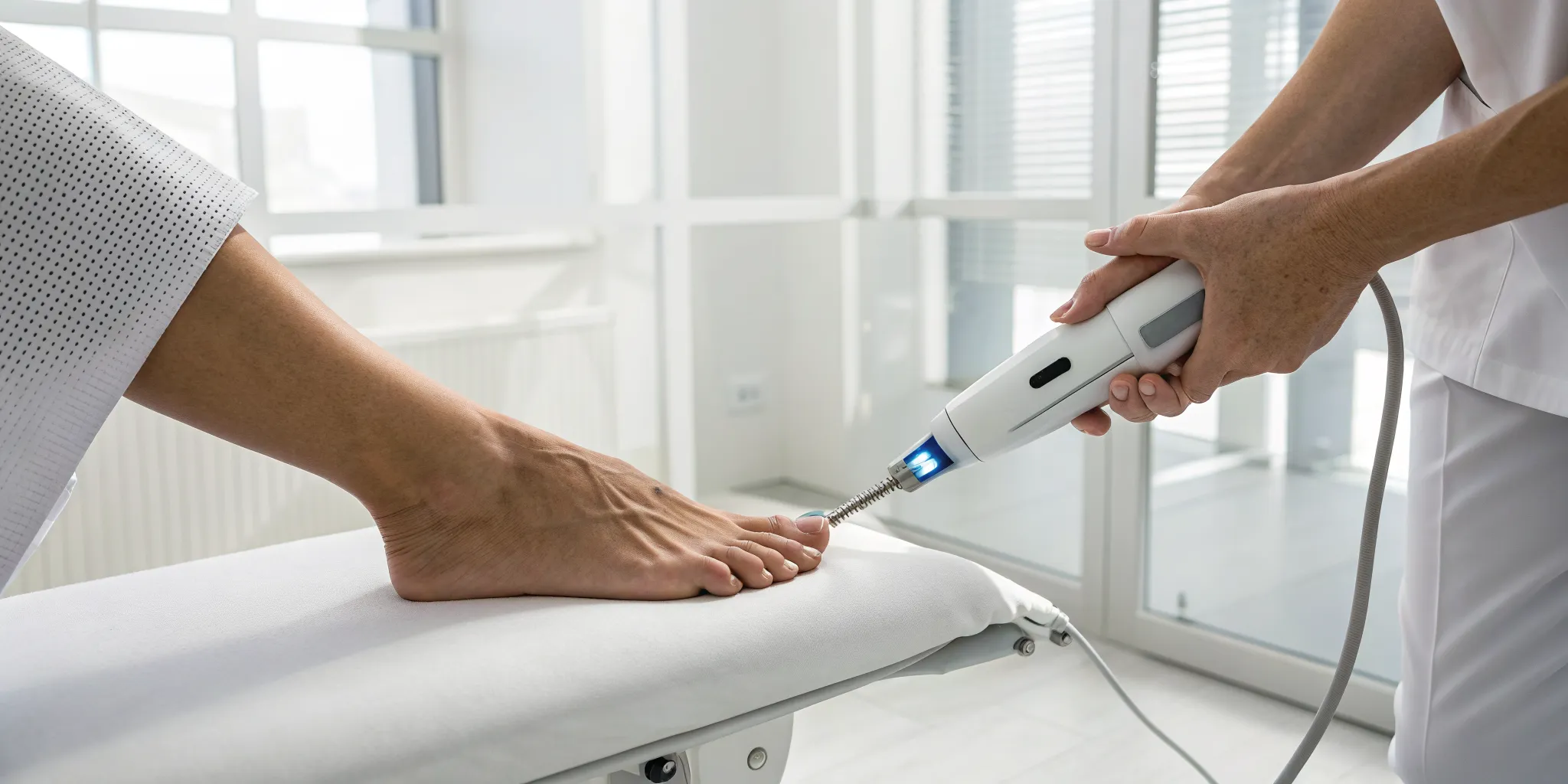
During your session, you’ll get to sit back and relax in a comfortable setting while a trained technician applies a special handheld device to the skin on your feet. Most people describe the sensation as a gentle, soothing warmth, much like a sunbeam on your skin. It’s a very tolerable and often pleasant feeling. The laser works at a cellular level to reduce inflammation, improve circulation, and stimulate nerve repair, all while you rest. The entire process is designed to be a calm and restorative experience. Our goal is to make your visit as stress-free as possible, so you can focus on what matters most: getting relief and getting back to your life. We handle everything so you can simply show up and let the healing begin.
Knowing what to expect can make your first session feel much more comfortable. Your treatment begins with a quick chat to discuss your symptoms and progress. Then, you’ll get settled in a comfortable position, making sure the areas on your feet that need treatment are easily accessible.
Next, your practitioner will place the laser device directly on or just above your skin. They will move it slowly over the targeted nerves and tissues. The session itself is quite short, usually lasting only about 10 to 15 minutes. You won’t feel any pain, just a gentle warmth as the light energy penetrates your skin to start the healing process. Once the treatment is complete, you’re free to go about your day.
One of the best parts of laser therapy is that it fits easily into a busy schedule. Each session is quick, typically lasting between 10 and 15 minutes. The total number of treatments you’ll need depends entirely on your specific condition, its severity, and how your body responds.
Most people start with a series of sessions scheduled over several weeks. For example, you might come in twice a week for a few weeks, then reduce the frequency as your symptoms improve. While many patients report feeling better after just a few treatments, the most significant and lasting results come from completing the full plan. This consistency gives your nerves the time they need to truly repair and regenerate. We can create a personalized treatment schedule when you request an appointment.
Once you’ve completed your initial treatment plan and are feeling the relief you’ve been looking for, you might wonder what comes next. Since neuropathy can be a persistent condition, think of ongoing care like you would exercise—you don’t stop once you reach your fitness goals. Maintenance sessions play a crucial role in preserving the progress you’ve made. These periodic treatments continue to support healthy blood flow and keep inflammation in check, ensuring your nerves get the steady supply of oxygen and nutrients they need to thrive. This proactive approach is key to managing your neuropathy long-term and preventing symptoms from returning, so you can continue to enjoy a life with less pain and more freedom.
There isn’t much you need to do to prepare for your laser therapy session. Just wear comfortable, loose-fitting clothing that allows us to easily treat your feet and lower legs. It’s also a good idea to be well-hydrated, as this can help support your body’s healing processes.
After your treatment, we recommend taking it easy for the next 24 to 48 hours. It’s best to avoid strenuous exercise that causes a lot of sweating, as this can sometimes irritate the skin. However, light activity like a gentle walk is perfectly fine and can even help with circulation. The main goal is to give your body the space to respond to the therapy and let the healing begin without any added stress.
Keeping a simple journal can be a powerful tool on your path to relief. When you're dealing with foot neuropathy, it's easy to lose track of the small, day-to-day changes. Writing things down helps you see your progress and understand how your body is responding to laser therapy. We often see patients feel a difference after just a few sessions, and your notes can highlight those early wins, which is great for staying motivated.
In your journal, consider noting:
This simple practice does more than just keep you motivated; it makes you an active partner in your own healing. When you bring your journal to your appointments, you provide us with valuable insights that help us tailor your treatment plan, ensuring we're always on the right track to address the root cause of your neuropathy.
While you might feel some relief after just one or two laser therapy sessions, the real, lasting change happens when it’s part of a complete care plan. Think of it this way: each session builds on the last, giving your nerves the consistent support they need to heal and regenerate properly. A one-off treatment can reduce symptoms temporarily, but a comprehensive strategy is designed to address the underlying cause of your nerve damage. This is why our approach focuses on creating a structured plan that supports your body’s ability to repair itself over time, leading to more sustainable results and preventing future flare-ups.
A truly effective plan looks at the whole picture. It’s not just about the time you spend in our office; it’s about creating an environment for healing in your daily life. Depending on your specific needs, your personalized plan might also include lifestyle recommendations, nutritional support, or other supportive therapies to enhance the effects of the laser. For new patients, understanding that this is a partnership is key. Committing to the full course of care gives you the best possible chance to not only find relief from your neuropathy symptoms but to improve your overall quality of life for the long haul.
When you're dealing with chronic pain, the last thing you want is a treatment with a long list of scary side effects. It’s completely normal to ask about the safety of any new therapy. The good news is that laser therapy has an excellent safety profile, especially when performed by a trained professional. It’s a non-invasive approach that works with your body’s natural healing processes, offering relief without the risks associated with more aggressive treatments. Let’s walk through some of the most common safety questions.
One of the biggest advantages of laser therapy is that side effects are extremely rare. Because the treatment is non-invasive, you don't have to worry about the risks that come with surgery or the potential complications of long-term medication use. Most people find the sessions to be comfortable and relaxing. The light energy used is carefully calibrated to stimulate healing at the cellular level without damaging surrounding tissue. Our patients generally tolerate the treatment very well, allowing them to get back to their day immediately after a session. This makes it a gentle yet effective option for managing the debilitating symptoms of neuropathy.
While laser therapy is safe for most people, it’s not the right fit for everyone. Your specific health history and the nature of your nerve damage are important factors. For example, treatment directly over a known cancerous lesion is typically avoided. That’s why a thorough initial consultation is so important. We need to understand the root cause of your neuropathy to determine if this therapy is the best path forward for you. During your first visit, we conduct a comprehensive assessment to ensure you are a good candidate and to create a care plan tailored specifically to your needs. You can learn more about our process for new patients on our website.
The word "laser" can sometimes make people think of heat and pain, but that couldn't be further from the truth with this type of therapy. One of the most common myths is that the treatment hurts, but in reality, laser therapy is a completely painless procedure. Most patients report feeling nothing at all, while some describe a gentle, soothing warmth in the treatment area. There are no needles, no incisions, and no recovery time. You can simply relax during the session while the light energy does its work. Our goal is to relieve your pain, not cause more of it, and this non-invasive approach helps us do just that.
It’s smart to question the safety and legitimacy of any medical treatment, and laser therapy is no exception. You’ll be glad to know that the FDA has cleared therapeutic lasers for treating pain and inflammation, which are key drivers of neuropathy symptoms. This clearance isn't just a rubber stamp; it means the technology has been reviewed for its safety and effectiveness when used for its intended purpose. This oversight ensures that the equipment is designed to support your body’s natural healing processes without causing harm. Knowing that the device used in your treatment is FDA-cleared provides an extra layer of confidence, confirming you’re choosing a well-established and trusted approach to care. This commitment to using proven laser therapy is central to how we help our patients find relief.
When you’re living with the pain and frustration of neuropathy, you want a solution that works. You’ve likely come across several options, from prescription medications to physical therapy, and it can be tough to know which path is right for you. Each approach targets the problem from a different angle. Some focus on managing symptoms, while others aim to correct the underlying issue. Understanding these differences is the first step toward finding lasting relief.
Laser therapy stands apart because it’s designed to support your body’s own healing mechanisms at the cellular level. It’s not about masking pain or forcing a change through invasive procedures. Instead, it’s about creating the ideal conditions for your damaged nerves to repair themselves. Let’s look at how this approach compares to some of the more common treatments for neuropathy.
Medication is often the first treatment people try for neuropathic pain. While drugs can sometimes offer temporary relief, they typically work by blocking pain signals rather than fixing the nerve damage causing the pain. This approach can also come with a list of unwanted side effects. For instance, traditional medications for diabetic neuropathy can cause drowsiness, dizziness, or brain fog, which can interfere with your daily life.
Laser therapy offers a different way forward. Instead of introducing substances into your body, it uses specific wavelengths of light to stimulate cellular repair and reduce inflammation directly at the source. This process helps your nerves heal, which can lead to a genuine reduction in symptoms without the systemic side effects that often come with prescription drugs. It’s a treatment that works with your body, not on it.
Physical therapy can be an excellent part of a neuropathy care plan. It helps maintain muscle strength, improve balance, and keep your joints flexible. However, while it helps you manage the effects of neuropathy, it doesn’t typically address the nerve damage itself. On the other end of the spectrum is surgery, which is an invasive option usually reserved for cases where neuropathy is caused by direct nerve compression. Surgery carries significant risks and often requires a long recovery period.
Laser Therapy fits neatly between these two options. It’s a proactive treatment that targets the damaged nerves directly, but it does so without the risks and recovery time associated with surgery. In fact, research suggests that deep tissue laser therapy is a safe, non-drug option that can be added to your existing medical care to help relieve painful peripheral neuropathy.
Many people reach for topical creams or TENS (Transcutaneous Electrical Nerve Stimulation) units when nerve pain strikes, and it's easy to see why. They're accessible and can offer some immediate relief. However, these methods are more like a temporary patch than a real solution. Topical creams work on the surface, numbing the area for a short time, but they don't penetrate deep enough to reach the damaged nerves. A TENS unit uses electrical pulses to interrupt pain signals on their way to your brain, which can feel better for a bit, but it doesn't do anything to help the nerves actually heal. In contrast, laser therapy gets to the heart of the problem by stimulating your body’s own repair processes. The light energy encourages cellular repair and improves blood flow, helping to fix the underlying damage for more lasting relief.
Perhaps the biggest difference between laser therapy and other treatments is that it’s completely non-invasive. There are no needles, no incisions, and no lengthy recovery. During a session, you simply relax as a device delivers gentle light energy to the affected area. Most people find the treatment painless and even soothing.
This non-invasive approach means side effects are extremely rare, and you can get back to your day immediately after a session. Unlike surgery, there’s no downtime, and unlike medication, there’s no risk of developing a dependency or experiencing systemic side effects. Because it’s a treatment that does not use drugs or surgery, it offers a safe and gentle way to find relief. If you're looking for a solution that addresses the root cause of your pain without harsh interventions, it might be time to see if laser therapy is right for you.
Finding the right healthcare provider is a big decision, especially when you’re dealing with something as persistent as foot neuropathy. The success of your laser therapy treatment depends just as much on the team guiding you as it does on the technology itself. You want a provider who not only has the right equipment but also understands the complex nature of nerve damage and is committed to finding the root cause of your pain. Think of it as finding a partner for your health journey, someone who listens, has deep expertise, and creates a plan tailored specifically for you.
To make sure you’re in good hands, there are a few key things to consider. You’ll want to look into the provider’s qualifications and experience with neuropathy, check that they use effective and modern technology, and know what questions to ask during your first consultation. Taking the time to research these areas will help you feel confident and comfortable with your choice, setting you up for the best possible results.
When you’re looking for a provider, go beyond the surface. Anyone can buy a machine, but not everyone has the expertise to treat complex nerve conditions. Look for a clinic that specializes in treating neuropathy and has a deep understanding of the nervous system. A qualified provider will conduct a thorough initial assessment to understand your specific type of nerve damage and overall health. They should be focused on creating a personalized treatment plan, not offering a one-size-fits-all solution. A team with a history of helping patients find relief from neuropathy will be able to explain their comprehensive techniques and show you what a path to recovery looks like.
The type of laser used in your treatment can make a significant difference in your results. Not all therapy lasers are created equal. For neuropathy, you’ll often hear about Class IV lasers, which are more powerful than older models. This advanced technology allows the therapeutic light to penetrate deeper into the tissues of your feet, reaching the damaged nerves where healing is needed most. This increased power can lead to better circulation, reduced inflammation, and more effective pain relief. When researching providers, ask what kind of laser therapy they use and why they chose it. A knowledgeable provider will be happy to explain how their technology works to promote healing at a cellular level.
Your initial consultation is the perfect opportunity to get a feel for the provider and make sure they’re the right fit for you. Don’t be afraid to ask questions. A good provider will welcome them and give you clear, honest answers.
Here are a few things you might want to ask:
This conversation will help you understand what to expect and build trust with your provider. When you’re ready, you can request an appointment to start the discussion.
Deciding to try a new treatment for neuropathy is a big step, and it’s completely normal to wonder if it’s the right fit for your specific situation. Laser therapy is a promising option for many people living with nerve pain, but its effectiveness can depend on your health history and symptoms. The best way to find out if it can help you is to understand who benefits the most, what the treatment process looks like, and when it makes sense to give it a try. Thinking through these points can help you make a confident and informed decision about your health.
Laser therapy can be a game-changer for a wide range of people, but it’s particularly effective for certain conditions. Older adults dealing with painful diabetic peripheral neuropathy often find significant relief, as it offers a safe, non-drug alternative to traditional medical care. If you’re looking for a way to manage your neuropathy symptoms without relying on medication, this could be an ideal solution.
Many patients report feeling a real difference after just a few sessions, noticing less pain and better sensation as their nerve function improves. Ultimately, anyone who wants to address the root cause of their nerve pain, rather than just masking the symptoms, is a strong candidate for this innovative treatment.
One of the most appealing aspects of Class IV laser therapy is that it’s a treatment that doesn’t involve drugs or surgery. This non-invasive approach means you can avoid the potential side effects of medication and the long recovery times associated with surgical procedures. A typical treatment plan involves around 10 to 15 sessions scheduled over several weeks, with appointments becoming less frequent as your symptoms improve.
Because every person’s condition is unique, the best way to understand the cost and what your specific plan would look like is to schedule a consultation. During your first visit, we can assess your condition and create a personalized care plan that fits your needs. You can request an appointment to get a clear picture of your options.
If you’ve been living with the tingling, numbness, or sharp pains of peripheral neuropathy and haven’t found lasting relief, it may be time to consider a new approach. Living with constant pain and limited mobility doesn’t have to be your future. For many, the idea of trying another treatment can feel exhausting, but laser therapy offers a path toward genuinely reducing your symptoms and improving your quality of life.
If you feel like you’ve tried everything else or simply want a gentle yet powerful treatment that supports your body’s natural healing process, it’s worth exploring. Taking that next step could be the start of feeling more like yourself again.
Does laser therapy for neuropathy hurt? Not at all. This is one of the most common questions we get, and it's a relief for most people to hear that the treatment is completely painless. The laser we use is designed for healing, not for cutting. Most patients describe the sensation as a gentle, soothing warmth over the skin, similar to a sunbeam. The entire session is designed to be comfortable and relaxing.
How soon will I notice a difference in my symptoms? While every person's body responds differently, many of our patients report feeling a noticeable improvement after just their first few sessions. It's not uncommon to experience a reduction in pain or tingling within one to three treatments. The most significant and lasting results, however, come from completing the full, personalized treatment plan we create for you.
Is this a permanent solution for my neuropathy? The goal of laser therapy is to create lasting change by addressing the root cause of your symptoms. By improving circulation, reducing inflammation, and stimulating nerve repair at a cellular level, the treatment helps your body actually heal the damage. For many, this leads to long-term or even permanent relief, especially when the full course of treatment is completed.
Can I receive laser therapy if I'm also seeing other doctors for my condition? Yes, absolutely. Laser therapy is a safe, non-invasive treatment that works well alongside other medical care you may be receiving. It can be a great addition to your existing health plan, whether that includes physical therapy, medication management from your primary doctor, or other specialist care. We believe in a comprehensive approach to your well-being.
What makes your approach to laser therapy different? Our focus is always on finding and addressing the root cause of your health issues. We use advanced Class IV laser technology, which allows the therapeutic light to penetrate deep into the tissues to promote healing where it's needed most. Before starting any treatment, we conduct a thorough assessment to create a personalized plan that is tailored specifically to your body and your condition.