.png?width=150&height=60&name=2026%20LSC%20Logo%20(2).png)
Back Pain

Using sound waves to heal your body might sound like science fiction, but it’s a proven, FDA-cleared technology we use every day. If you're tired of temporary fixes, SoftWave therapy for knee pain gets to the actual source of the problem. This non-invasive approach kickstarts your body’s own healing abilities—no drugs or surgery required. Many people, including those looking into softwave therapy for arthritis, want to understand how this treatment works on a cellular level. It’s a process that activates your stem cells, improves blood flow, and calms inflammation for true, long-term healing.
If you’re dealing with knee pain, you know how much it can disrupt your life. Simple things like walking, climbing stairs, or even just standing can become a challenge. SoftWave therapy is a non-surgical treatment that uses patented technology to help your body heal itself from the inside out. Instead of just masking the pain, this approach addresses the underlying cause of your discomfort, helping you find lasting relief and get back to the activities you love without drugs or invasive procedures.
Knee pain is incredibly common, and it’s not just something that affects athletes or older adults. For many, knee osteoarthritis is a primary cause of discomfort that can seriously get in the way of daily life. When your knees hurt, everything from a walk in the park to carrying groceries becomes a calculated risk. This kind of chronic pain can be frustrating because it often feels like there are no good options besides temporary fixes or invasive procedures. At Lazar Spinal Care, we see people from all walks of life who are tired of letting knee pain dictate their activities. They’re looking for a solution that addresses the root of the problem, which is exactly where advanced therapies can make a real difference and help with a wide range of conditions.
The name sounds complex, but the concept is straightforward. SoftWave therapy is a type of unfocused extracorporeal shock wave therapy. "Extracorporeal" simply means the treatment happens outside of your body. Unlike "focused" shockwave therapies that target a very small point, our "unfocused" approach uses patented technology to spread gentle sound waves over a wider and deeper area of tissue. This allows us to treat the entire knee joint, reaching damaged tissues that other therapies can't without causing any harm. It’s a non-invasive method that uses sound to communicate with your body’s cells, telling them it’s time to start the repair process. This is the core of our Tissue Regenerative Technology, designed to promote healing from within.
At our clinic, we use SoftWave’s technology to create a powerful healing response right at the cellular level. The electrohydraulic acoustic waves stimulate your body’s natural repair mechanisms, increasing blood flow, reducing inflammation, and activating your own resident stem cells to migrate to the area of injury. This process regenerates damaged tissue and helps your knee heal itself. Studies have shown that this therapy can significantly improve pain and function, with many patients reporting a noticeable reduction in pain and a better range of motion after just a few sessions. The best part is that the device’s applicator helps us pinpoint problem areas, so we can tell during your very first visit if this treatment will work for you. You can request an appointment to find out if you’re a candidate.
Unlike treatments that offer temporary fixes, SoftWave therapy is a game-changer because it stimulates your body’s own healing abilities. It’s a form of Tissue Regenerative Technology that uses unfocused acoustic waves to kickstart healing at the cellular level. While medications can mask pain and injections may have side effects, SoftWave works by improving blood flow, reducing inflammation, and signaling your body to repair the damaged tissue in your knee. It’s a gentle, non-invasive approach that supports your body’s natural processes, rather than working against them. This makes it a powerful alternative for anyone seeking a long-term solution to their knee pain.
So, how can sound waves actually heal your knee? It sounds like science fiction, but it’s quite simple. The SoftWave device sends electrohydraulic acoustic shockwaves deep into your injured knee tissue. These waves create a mild and safe inflammatory response that essentially "wakes up" your body's healing resources. This process signals your own stem cells, which are the body's master repair agents, to travel to the area and begin rebuilding damaged tissue. It’s one of the advanced our techniques we use to promote true healing, helping to regenerate cartilage, ligaments, and other soft tissues that contribute to knee pain.
What makes SoftWave so effective is its incredible reach. The technology sends sound waves deep into the knee—penetrating up to 7 centimeters and covering an area 12 centimeters wide. This means it can target issues deep within the joint that other treatments simply can't touch, all without harming the surrounding healthy tissue. By getting straight to the source of the problem, this advanced Tissue Regenerative Technology signals your body’s own stem cells to mobilize and start rebuilding damaged cartilage and ligaments. It’s a process that encourages true, long-term healing, not just a temporary patch.
Yes, you can feel confident knowing that SoftWave therapy is both clinically proven and safe. The technology is FDA 510(k) cleared for activating connective tissue, reducing pain, and improving blood supply. Clinical studies are impressive, showing that it can decrease pain and improve function by 61% to 91%. Many of our patients report feeling 20% to 50% less pain and notice better movement after just one session. This treatment is one of the effective ways we address the many conditions we can help with at our clinic, offering you a reliable path toward recovery without resorting to more aggressive interventions.
It’s not just our team at Lazar Spinal Care that believes in the power of SoftWave therapy; it’s a trusted tool for professionals at the highest levels of athletic competition. When an athlete’s career depends on their body’s performance, they turn to treatments that are both effective and non-invasive. Professional sports teams use SoftWave because it helps their players recover faster from injuries, reduces inflammation, and repairs damaged tissue without the risks or downtime of surgery. This technology helps them get back in the game safely and quickly. The same principles that make it invaluable for elite athletes are what make it such a powerful solution for anyone dealing with chronic pain or recovering from sports injuries right here in Ann Arbor.
We encourage our patients to be informed, and it’s natural to want to see the science behind a treatment. If you’re looking for clinical studies, you’ll often find SoftWave therapy referred to by its technical name: extracorporeal shockwave therapy (ESWT). A wealth of research is available on platforms like the National Library of Medicine (PubMed). For example, studies show that ESWT is effective in reducing pain and improving function for people with knee osteoarthritis, a common cause of chronic knee pain. This body of evidence confirms what we see in our clinic every day: that this technology provides a scientifically-backed path to healing, helping patients find real relief from persistent conditions.
SoftWave therapy works by using patented electrohydraulic acoustic waves to create a biological response deep within your knee joint. Think of it as a way to jumpstart your body’s own repair crew. Instead of just masking the pain, this Tissue Regenerative Technology addresses the underlying damage. The process is non-invasive and works in harmony with your body to promote genuine, long-term healing from the inside out. It’s all about empowering your body to fix what’s wrong, leading to reduced pain and improved function without drugs or surgery.
At its core, SoftWave therapy is a special treatment for knee pain that doesn't involve surgery. It uses patented technology to help your body heal itself from the inside. The applicator sends unfocused acoustic waves into the injured tissues of your knee, creating a mild and safe inflammatory response. This process signals to your body that the area needs attention. It’s like a precise wake-up call for your internal healing mechanisms, directing your body’s resources exactly where they are needed most to begin the repair process and get you on the path to recovery.
When your knee is injured, poor circulation and chronic inflammation can stand in the way of healing. SoftWave therapy tackles both of these issues head-on. The acoustic waves help form new blood vessels, a process called angiogenesis. This improved blood flow delivers more oxygen and nutrients to the damaged tissue, which is essential for repair. At the same time, it helps to calm and reduce chronic inflammation, a major source of knee pain. This treatment helps your body’s natural healing process start at a cellular level, which is why it can be effective for so many different conditions we help.
Chronic inflammation is often a vicious cycle, and tiny proteins called cytokines are at the center of it. Think of them as your body's alarm system. When you're injured, they sound the alarm to call for help. But with chronic knee pain, that alarm gets stuck in the 'on' position, constantly telling your body to stay inflamed. This not only causes persistent pain but also stops any real healing from happening. SoftWave therapy is designed to break this cycle. The acoustic waves help regulate these inflammatory signals, essentially turning down the volume on the pro-inflammatory cytokines. By calming this overactive response, our Tissue Regenerative Technology provides pain relief and creates the ideal environment for your body’s repair crew to finally get to work.
One of the most powerful effects of SoftWave therapy is its ability to activate your body’s own stem cells. These are special cells that can develop into many different types of cells and are crucial for repairing damaged tissue. The acoustic waves essentially "wake up" the dormant stem cells already present in your knee. Once activated, these stem cells migrate to the site of injury and get to work regenerating and repairing damaged cartilage, tendons, and other soft tissues. This regenerative process is key to the lasting relief and improved function that patients experience.
If you’ve had knee pain for a while, you likely have scar tissue and adhesions that restrict your movement and cause stiffness. SoftWave therapy is excellent at breaking down this old, dysfunctional tissue. The acoustic waves physically disrupt the fibrotic scar tissue, making it more pliable and allowing your body to reabsorb it. This not only helps to relieve pain and increase your knee’s range of motion but also clears the way for new, healthy tissue to grow in its place. If you're ready to move past the pain, you can request an appointment to see if SoftWave is right for you.
One of the most encouraging things about SoftWave therapy is its versatility. It isn't a one-trick pony that only works for a single type of knee issue. Instead, this technology addresses the root causes of pain, like poor blood flow and inflammation, making it an effective solution for a wide range of conditions. Whether your pain is from a recent injury that just won't heal, a chronic condition you've been told you just have to live with, or the general wear and tear that comes with an active life, SoftWave may offer the relief you've been looking for. It works by supporting and amplifying your body's own healing abilities, which is why it can be applied to so many different problems. Let's look at some of the specific knee problems we can address with this innovative approach right here in our Ann Arbor clinic.
If you're dealing with the daily grind of knee osteoarthritis, you know how debilitating the stiffness and pain can be. This "wear-and-tear" arthritis happens when the protective cartilage in your knee gradually breaks down. SoftWave therapy offers a non-invasive way to manage this condition. By promoting circulation and stimulating your body's repair mechanisms, it can calm the inflammation that drives so much of the discomfort. Research has shown that extracorporeal shockwave therapy (ESWT), the technology behind SoftWave, is used to treat patients with knee osteoarthritis to reduce pain and improve function, helping you get back to your daily activities with greater ease.
The meniscus is a C-shaped piece of cartilage that acts as a shock absorber in your knee. A sudden twist or even age-related wear can cause it to tear, leading to pain, swelling, and instability. While severe tears might require surgery, many people find relief with conservative treatments that support the body's healing process. SoftWave therapy can help with many knee problems, including meniscal tears. By activating your local stem cells and improving blood flow to the injured area, SoftWave creates an ideal environment for your body to repair that damaged cartilage on its own, without drugs or injections.
Patellar tendonitis, often called "jumper's knee," is an overuse injury that causes inflammation in the tendon connecting your kneecap to your shinbone. It's common in athletes who do a lot of jumping, but anyone can develop it. The pain can make it difficult to run, walk, or even sit for long periods. SoftWave therapy is an excellent option for this type of tendon injury because it directly targets the inflammation and helps regenerate the damaged tendon tissue. This approach is particularly helpful for sports injuries like patellar tendonitis, helping you heal faster and get back in the game.
Chondromalacia patella sounds complicated, but it simply means the cartilage on the undersurface of your kneecap is softening and breaking down. This can cause a dull, aching pain in the front of your knee, especially when going up or down stairs. It's often caused by improper knee tracking or overuse. SoftWave therapy can help by reducing inflammation and stimulating the cells responsible for building healthy cartilage. By addressing the softening of kneecap cartilage, this treatment can help restore a healthier joint environment and reduce the pain that's holding you back from your favorite activities.
A Baker's cyst is a fluid-filled sac that forms behind the knee, causing a bulge and a feeling of tightness. It's usually the result of an underlying problem, such as arthritis or a cartilage tear, that causes the knee to produce too much fluid. While draining the cyst is one option, it often comes back if the root cause isn't addressed. SoftWave therapy can help by treating the underlying inflammation and joint issues that lead to the cyst in the first place. By calming the joint, your body can naturally reabsorb the excess fluid, providing lasting relief from that uncomfortable lump behind your knee.
Sometimes, knee pain isn't tied to a single, clear diagnosis. You might just have chronic pain, stiffness, and inflammation that flares up without a clear reason. This is where SoftWave therapy truly shines. It works on a cellular level to reset your body's healing potential. By increasing blood flow, calming inflammation, and activating stem cells, it gives your knee the tools it needs to repair itself. In fact, studies show it can significantly reduce pain and improve movement. After just one treatment, many patients feel 20% to 50% less pain and find it easier to move, which is the first step toward getting your life back.
When you’re dealing with persistent knee pain, the most important question is, "Will this actually work for me?" While every person’s healing journey is unique, SoftWave therapy is designed to deliver noticeable changes in both your pain levels and your ability to move freely. The goal isn't just temporary relief; it's to create a foundation for lasting healing by addressing the root cause of your knee problems. Many people are surprised by how quickly they start to feel a difference, with improvements continuing over the course of their treatment plan. Let's look at what you can realistically anticipate.
It’s common to feel a significant change right after your initial treatment. In fact, many patients report feeling 20% to 50% less pain and notice they can move better after just one session. This immediate feedback is a great indicator that your body is responding to the therapy. The sound waves get to work right away, calming inflammation and increasing blood flow to the area. While this initial relief is encouraging, it’s the first step in a cumulative healing process. It’s a sign that we’re on the right track to helping you find a long-term solution and get started on your path to recovery.
While the immediate pain reduction is a welcome benefit, the real goal of SoftWave is to create lasting change. Because this therapy helps your body rebuild and repair damaged tissue, the results are not just a temporary patch. Many patients report that their relief and improved function last anywhere from six to twelve months after completing their treatment plan. The longevity comes from the fact that we are addressing the root of the problem—calming inflammation and regenerating tissue—rather than just masking symptoms. For some, the effects can be even more durable, especially with occasional touch-up treatments to maintain joint health and support the body's natural healing processes. It's all part of our commitment to providing Tissue Regenerative Technology that offers a true, long-term solution.
Beyond just reducing pain, the true goal of SoftWave therapy is to get your knee working the way it should again. Clinical studies show that this therapy significantly reduces pain and improves knee function for patients with osteoarthritis. But what does "improved function" feel like in real life? It means being able to walk up and down stairs without hesitation, getting out of a chair without stiffness, or returning to activities like gardening or playing with your grandkids. By stimulating stem cells and breaking down scar tissue, SoftWave helps in restoring the knee's proper movement so you can get back to living your life more fully.
It's helpful to think of pain and stiffness as two sides of the same coin. While they often go together, SoftWave therapy can affect them differently, especially in the beginning. Pain is frequently driven by inflammation, and because SoftWave is so effective at calming that inflammatory response, many people feel a noticeable drop in pain right away. On the other hand, stiffness is often the result of scar tissue, adhesions, and a lack of proper joint mechanics. While you may feel some improved movement early on, truly resolving stiffness is part of the deeper, long-term healing process. As the therapy stimulates your stem cells and breaks down old scar tissue, you’ll experience a gradual increase in your knee's range of motion. The ultimate goal is restoring the knee's proper movement, which leads to lasting relief from both pain and stiffness.
This is one of the most common questions we hear, and the answer is different for everyone. While many people feel better after just one or two sessions, a full course of treatment is typically needed for deep, lasting healing. A standard treatment plan might involve weekly sessions over several weeks. The exact number of treatments depends on the severity of your condition, how long you've had the issue, and your body's unique response to the therapy. We will work with you to develop a personalized plan tailored to your specific needs, ensuring you get the right amount of care to achieve the best possible outcome.
The success of SoftWave therapy is grounded in clear clinical protocols designed for both safety and real results. The treatment uses electrohydraulic acoustic waves to kickstart a powerful biological response in your knee. This process helps form new blood vessels, bringing essential oxygen and nutrients to the damaged tissue. At the same time, it activates your body’s own dormant stem cells, creating the ideal conditions for your knee to repair itself from within. Clinical studies back this up, showing significant pain reduction and better knee function for most people. It's one of the advanced our techniques we trust because it’s built on proven science that supports your body's ability to heal.
When you're dealing with knee pain, the last thing you want is a treatment with a long list of complicated side effects. It’s completely normal to ask, "Is this safe?" The good news is that SoftWave therapy is a non-invasive treatment, meaning it doesn't break the skin or require any kind of surgery. It uses patented technology to create sound waves that encourage your body’s own healing mechanisms. Because it works with your body instead of introducing foreign substances or making surgical changes, it has an excellent safety profile. Let's walk through what you can expect.
One of the best things about SoftWave is how gentle it is. Unlike procedures that can leave you with significant downtime and discomfort, the side effects here are very minor. Some people experience a little redness or soreness in the treated area, similar to how you might feel after a deep massage. This typically fades within a day or two and is actually a positive sign that your body is responding and kicking its healing process into gear. You won't have to worry about the bruising, swelling, or risk of infection that can come with more invasive options. It's a powerful form of Tissue Regenerative Technology without the harsh recovery.
Your aftercare instructions for SoftWave are refreshingly simple. We generally recommend taking it easy and avoiding strenuous exercise for about 24 to 48 hours after your session. This short rest period gives your body the uninterrupted time it needs to process the treatment and start repairing tissue at a cellular level. Think of it as letting the healing "set in." You can still go about your daily life, walk, and do light activities. The goal is just to avoid putting major stress on your knee while the sound waves do their work. This minimal downtime makes it easy for our new patients to fit treatment into a busy schedule.
While SoftWave therapy does the heavy lifting of activating stem cells and breaking down scar tissue, think of supportive exercises as the perfect follow-up act. Once the therapy has created a better healing environment in your knee, gentle movement helps you capitalize on it. Simple, targeted exercises can improve flexibility, maintain the new blood flow the treatment has encouraged, and start rebuilding strength around the joint. This is a crucial step in not just feeling better, but in truly restoring your knee's strength and stability for the long haul. We'll guide you on the right exercises to do at the right time, ensuring your recovery is both effective and lasting.
If you're looking for a solution that gets to the root of your knee pain without drugs or surgery, SoftWave could be a great fit. This therapy is designed for people who want to help their body heal itself from the inside out. Instead of just masking pain with medication or injections, SoftWave activates your own stem cells and improves blood flow to repair the damaged tissue causing the problem. It’s an excellent option if you've tried other treatments without success or if you want to avoid the risks and long recovery associated with surgery. It aligns perfectly with a wellness approach that focuses on long-term healing for many of the conditions we help.
Here’s something you might not expect: the amount of soft tissue around your knee can actually influence how well SoftWave therapy works. It seems counterintuitive, but research into extracorporeal shockwave therapy (ESWT), the technology behind SoftWave, has uncovered a fascinating connection. A study found that patients with more soft tissue around the knee joint often experienced better results, including significant pain reduction and improved function. This suggests that the tissue helps in the transmission and absorption of the acoustic waves, potentially enhancing the healing response. It’s an important reminder that every person’s body is unique, and what works is often tied to our individual anatomy.
Building on that idea, specific measurements of the soft tissue around your knee can help us predict how much relief you might experience. It’s not just about the overall amount of tissue, but the specific ratios and distribution around the joint. Research has shown that a particular soft tissue ratio near the kneecap is linked to greater improvements in knee function after treatment. This is why a thorough assessment is so critical. By understanding your unique anatomy, we can create a more effective treatment plan and give you a clearer picture of your potential for recovery. It’s one of the ways we ensure our care is tailored specifically to you and your body’s needs.
While SoftWave is safe for a wide range of people, there are a few situations where it isn't recommended. To ensure your absolute safety, we do not perform this therapy on patients who are pregnant or have active cancer in the treatment area. It's also not suitable for individuals with bleeding disorders or those taking blood-thinning medications. Our commitment is to your total health, which is why we conduct a thorough evaluation for every patient. During your initial consultation, we'll review your health history to determine if you are a candidate. The first step is to request an appointment so we can see if this is the right solution for you.
When you’re dealing with knee pain, it can feel like your options are limited to physical therapy, injections, or surgery. While these treatments all have their place, SoftWave therapy offers a different path. Instead of just managing symptoms or resorting to invasive procedures, SoftWave works with your body to promote genuine healing from within. Let's look at how this approach compares to the more common treatments for knee pain.
Physical therapy is a fantastic tool for strengthening the muscles that support your knee and improving your range of motion. We often recommend it. However, PT can be slow and painful if the underlying tissue is still damaged and inflamed. SoftWave therapy complements physical therapy perfectly by addressing the root of the problem. It uses acoustic waves to stimulate healing at the cellular level, reducing inflammation and repairing damaged tissue. This can make your physical therapy sessions more effective and less painful, helping you recover faster and build strength on a solid foundation of healed tissue.
Corticosteroid injections are often suggested for quick relief from knee pain. They work by delivering a powerful anti-inflammatory medication directly to the joint. While this can reduce pain temporarily, it doesn't fix the underlying issue. The pain often returns once the shot wears off, and repeated injections can actually weaken cartilage and tendons over time. SoftWave therapy is a better long-term solution. It provides lasting relief by helping your body heal the damage that’s causing the pain in the first place. It’s a regenerative approach that supports the long-term health of your knee, rather than just masking the symptoms.
The promise of quick pain relief from a cortisone shot is definitely tempting, and it's an option many people consider. But it's important to look at the bigger picture. That relief is often temporary because the injection is just quieting the inflammation—it’s not fixing the source of the problem. Even more concerning are the long-term effects. Research shows that repeated cortisone injections can actually accelerate cartilage breakdown and weaken the tendons in your knee. Over time, this can make the joint less stable and potentially lead to more significant problems down the road. Instead of masking symptoms, our focus is on our techniques that help your body rebuild and repair tissue for lasting health.
Surgery is typically the last resort for knee pain, and for good reason. It’s invasive, comes with risks, and requires a long and often difficult recovery period. SoftWave therapy offers a non-surgical alternative that can help many people avoid going under the knife. This FDA-cleared treatment activates your body's own stem cells and growth factors to repair knee damage without any incisions, anesthesia, or downtime. By promoting natural tissue regeneration, SoftWave can resolve many of the conditions that might otherwise lead to surgery. If you're looking for a way to heal your knee and get back to your life, you should request an appointment to see if SoftWave is right for you.
You may have heard about other regenerative treatments like Platelet-Rich Plasma (PRP) or Bone Marrow Aspirate Concentrate (BMAC). These options are more invasive, involving drawing your blood or bone marrow, concentrating the healing components, and then injecting them back into your knee. While they can be helpful, results can vary. SoftWave therapy offers a fundamentally different approach. As a form of Tissue Regenerative Technology, it is completely non-invasive—no needles, no injections. Instead of adding healing factors from the outside, it uses acoustic waves to stimulate your body’s own healing processes from the inside. This triggers a comprehensive response, activating your stem cells and improving blood flow naturally. With its excellent safety profile and minimal downtime, SoftWave provides a powerful alternative for those seeking true regeneration without the invasive procedures of PRP or BMAC.
Deciding to try a new treatment can feel like a big step, but your first SoftWave session is straightforward and simple. Knowing what will happen during and after your appointment can help you feel confident and relaxed. Here’s a simple breakdown of the process from start to finish, so you know exactly what to expect when you walk through our doors.
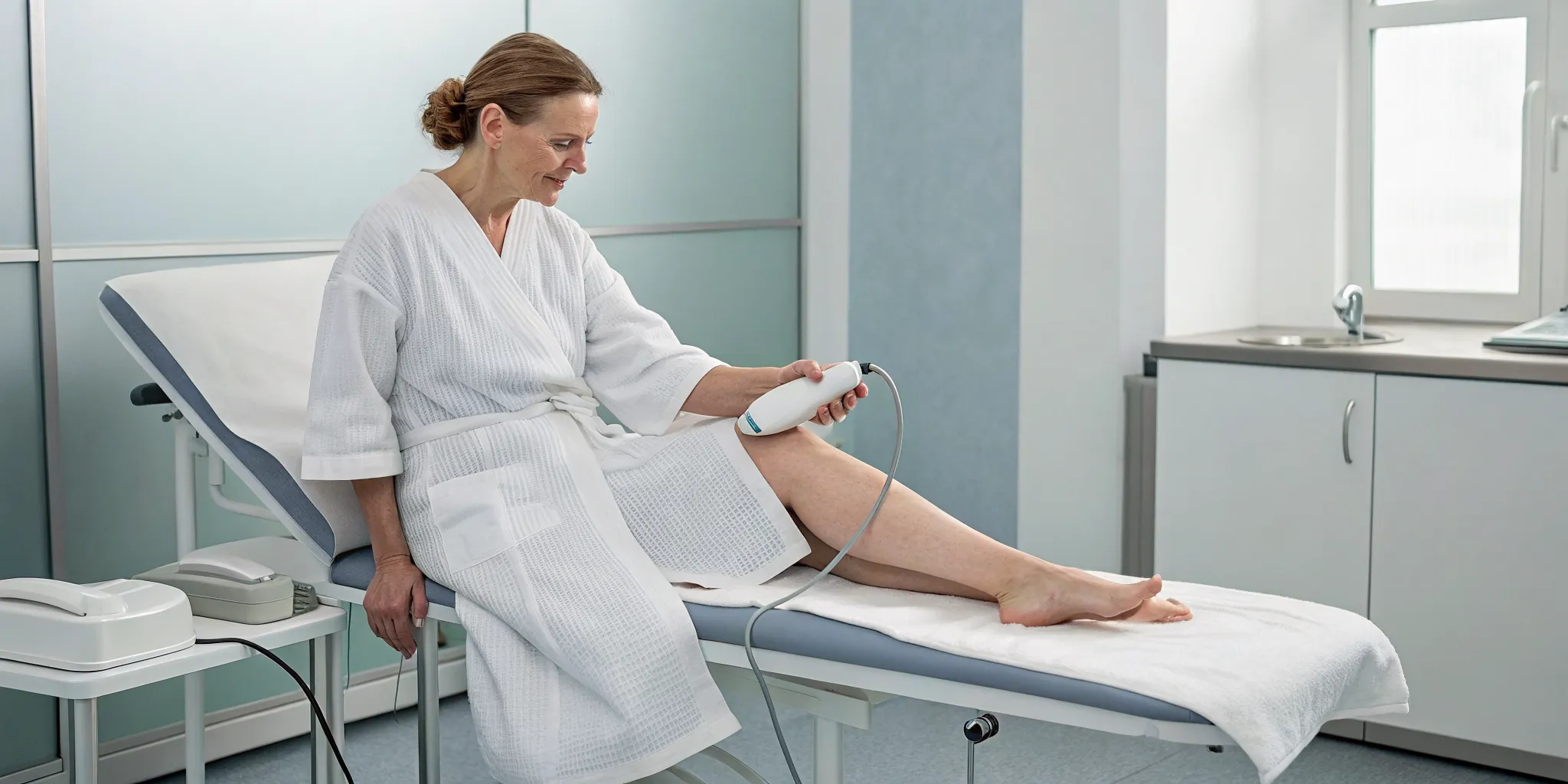
When you come in for your session, you’ll get comfortable, and we’ll apply a gel to the skin on your knee. Our practitioner will then use a handheld applicator to deliver gentle, targeted sound waves to the area. These acoustic waves travel through your skin to stimulate your body’s natural healing mechanisms. They help activate your own stem cells, which are essential for repairing damaged tissue. This form of Tissue Regenerative Technology also works to reduce inflammation and break down old scar tissue, getting to the root of your pain. The entire process is non-invasive, and most people find the sensation very tolerable.
After your session, you might notice some slight redness or soreness around your knee. This is completely normal and usually fades within a day or two. Think of it as a sign that your body is getting to work on healing itself. Unlike more invasive procedures, SoftWave won't cause bruising or swelling, and there's no real downtime required. We do recommend taking it easy and avoiding strenuous exercise for about 24 to 48 hours. This gives your body the best chance to respond to the treatment. When you're ready to see if SoftWave is right for you, you can request an appointment online.
While there’s no formal downtime with SoftWave, we do have one important guideline: take it easy for a day or two. We generally recommend avoiding strenuous exercise or heavy lifting for about 24 to 48 hours after your session. This isn't because the treatment is harsh; it's because your body is actively working on a cellular level. This short rest period gives your system the uninterrupted time it needs to process the therapy, mobilize stem cells, and begin repairing your knee tissue. Think of it as protecting your investment in healing. You can absolutely continue with your normal daily routine, but holding off on that intense workout or heavy yard work will ensure you get the maximum benefit from your treatment.
Deciding to pursue SoftWave therapy is a proactive step toward reclaiming your life from knee pain. This treatment is designed for people who are ready to move beyond temporary fixes and address the root cause of their discomfort. If you're looking for a solution that helps your body heal itself without drugs or surgery, you're in the right place. The first step in your plan is an initial consultation. This is where we take the time to understand your specific situation, review your health history, and determine if SoftWave is the right fit for you. We want to be certain we can help, and this initial visit is key to making that determination.
Once we confirm you're a good candidate, we'll create a personalized treatment plan. A typical plan might involve weekly sessions for several weeks, but the exact number depends on factors like how severe your condition is and how long you've been dealing with it. It’s important to view this as a process. While many people feel better right away, true, lasting regeneration takes time. Planning for your treatment means committing to this process and giving your body the consistent support it needs to heal. If you're ready to see what this innovative therapy can do for you, the best way to start is to request an appointment for a consultation.
It’s natural to wonder about the cost of treatment, and we believe in being transparent about it. Because SoftWave is an advanced, cutting-edge technology, it is not currently covered by most insurance plans. We encourage you to think of this as an investment in your long-term health and mobility—one that can help you avoid the much higher costs and risks associated with ongoing medication, injections, or major surgery. During your consultation, we will discuss the exact cost of your recommended treatment plan. Our team is here to help you understand the investment and explore any available payment options, making it easier for you to get the care you need.
If persistent knee pain is keeping you from living your life to the fullest, I want you to know there's a breakthrough solution that could help you find real, lasting relief. Here at Lazar Spinal Care, we offer an innovative treatment called Tissue Regenerative Technology (TRT), also known as SoftWave therapy. It’s a non-invasive approach that uses patented sound waves to kickstart your body’s own healing mechanisms from the inside out, addressing the root cause of your discomfort instead of just masking the symptoms.
This isn't just a temporary fix. TRT works at a cellular level to improve blood flow, calm inflammation, and activate your body's own stem cells for tissue repair. The results are often felt quickly. Clinical studies have shown that many patients experience a 20% to 50% reduction in pain and improved mobility after just one session. Overall, the therapy has been shown to reduce muscle and general pain by an incredible 61% to 91%, making it a powerful option for those dealing with chronic knee issues.
This FDA-cleared technology is particularly effective for conditions like knee osteoarthritis, offering a path to recovery without surgery or medication. If you're tired of letting knee pain dictate your daily activities, you don't have to manage it alone. We are here to help you explore your options right here in Ann Arbor. The first step is to find out if your condition is fixable. We invite you to request an appointment at our clinic so we can determine if this cutting-edge therapy is the right solution for you.
Does the treatment actually hurt? Most people describe the sensation as unusual but not painful. You might feel a tapping or pulsing against your skin as the applicator moves over your knee. Some areas may be more sensitive than others, which can actually help us identify where the tissue damage is most significant. The entire process is very tolerable, and there is no anesthesia or numbing required.
How is this different from a cortisone shot? A cortisone shot is designed to reduce inflammation and can provide fast, temporary pain relief. SoftWave therapy works differently by addressing the root cause of the pain. Instead of just masking inflammation, it uses sound waves to stimulate your body's own repair mechanisms, helping to regenerate tissue and create a long-term solution. It is a healing approach, not just a temporary fix.
How many sessions will I need to feel better? While many patients report feeling a noticeable improvement after just one or two sessions, lasting healing takes time. The exact number of treatments you will need depends on your specific condition, how long you have had the pain, and your body's individual response. We will create a personalized plan for you, but a typical course of treatment often involves weekly sessions for several weeks to achieve the best and most durable results.
What happens after the treatment is finished? Are the results permanent? The goal of SoftWave therapy is to create lasting change by helping your body heal the damaged tissue in your knee. Once the healing process is complete, the results are expected to be long-lasting. The therapy helps your body build new, healthy tissue and improve circulation, which supports the ongoing health of your joint. Of course, maintaining a healthy lifestyle is always important for preventing future injuries.
Is this therapy safe for everyone? SoftWave therapy has an excellent safety record and is a great option for many people seeking a non-surgical solution for knee pain. However, it is not recommended for individuals who are pregnant, have active cancer in the treatment area, or have certain bleeding disorders. We conduct a thorough health history review with every new patient to ensure this treatment is a safe and appropriate choice for you.