.png?width=150&height=60&name=2026%20LSC%20Logo%20(2).png)
Back Pain

That nagging pain in your knee is your body’s check engine light. You can ignore it, but the real problem won't just disappear. While the discomfort is in your knee, the root cause of runner's knee is often hiding in weak hips or a misaligned pelvis, throwing your whole system off balance. Just resting the joint is like putting tape over the warning light—it doesn't fix the engine. To get back to running pain-free, you have to look under the hood. We'll show you how to find the true source of your pain and cover the best non-surgical treatments to restore your body's natural alignment.
If you’ve ever felt a dull, aching pain around your kneecap after a run, you might have casually called it "runner's knee." It’s a frustratingly common issue that affects both new joggers and seasoned marathoners. But what’s really going on when your knee starts to complain? Understanding the specifics of this condition is the first step toward finding real relief and getting back to the activities you love without pain.
Runner's knee isn't just a single injury but rather a term used to describe several issues that cause pain around the front of the knee. The most common of these is Patellofemoral Pain Syndrome. Getting to the bottom of what’s causing your discomfort is key, because simply resting it might not be enough to solve the underlying problem. Let's break down what this condition is, what it feels like, and where it comes from.
So, what is runner's knee on a technical level? The medical term for it is Patellofemoral Pain Syndrome (PFPS). This name sounds complicated, but it simply describes pain that occurs between your kneecap (patella) and your thigh bone (femur). When you bend and straighten your leg, your kneecap glides in a groove on your thigh bone. In a healthy knee, this movement is smooth and painless. With PFPS, however, the kneecap doesn't track correctly in its groove, leading to irritation, inflammation, and that familiar ache. It's one of the most frequent conditions we help athletes and active individuals overcome.
How do you know if what you're feeling is actually runner's knee? The symptoms are usually quite distinct. The most common sign is a dull, achy pain that feels like it’s right behind or around your kneecap. You might notice it gets worse when you’re running, going up or down stairs, squatting, or even just sitting for a long time with your knees bent (sometimes called "moviegoer's knee"). Many people also experience stiffness in the knee, especially after being still for a while, and find it difficult to fully bend or straighten the leg without discomfort. If this sounds familiar, you're not alone; it's a classic sign of sports-related pain.
Beyond the ache, you might also notice the area around your kneecap is tender to the touch. You may also hear some strange noises—a clicking, popping, or even a grinding feeling when you bend and straighten your leg. This sound, called crepitus, can be unsettling, but it’s often just a sign that your kneecap isn't gliding smoothly in its groove. While the sounds themselves aren't always a problem, they can indicate the kind of kneecap misalignment that leads to pain and irritation. These symptoms often start slowly and become more obvious after you’ve increased your training or activity level, signaling a mechanical issue that needs attention.
Runner’s knee rarely happens because of a single event. Instead, it typically develops from a combination of factors that place repeated stress on the knee joint. The core issue is often that your kneecap isn't lined up correctly, which can be caused by several things. Weak thigh muscles (quadriceps), tight hamstrings or IT bands, and even problems with your gait or posture can pull the kneecap out of alignment. Wearing worn-out or improper shoes can also contribute. At our clinic, we focus on identifying these root causes, because true healing comes from correcting the body's overall structural alignment, not just treating the symptom of knee pain.
While a direct blow to the knee can certainly cause pain, runner’s knee is more often the result of overuse. Think of it as a repetitive stress injury. Activities like running, squatting, or even climbing stairs put repeated strain on your knee joint. Over time, this consistent stress can cause your kneecap to move incorrectly within its groove, leading to irritation and the wearing down of the smooth cartilage underneath. It’s not usually a single event that causes the problem, but rather the cumulative effect of thousands of movements that eventually leads to that familiar dull ache at the front of your knee.
Your body works as a connected system, and knee pain is often just a symptom of an issue that starts somewhere else. Misalignments in your body, from your hips down to your ankles, can place undue pressure on your kneecap. For example, weak thigh or hip muscles can fail to properly support your leg's alignment, causing your kneecap to pull to one side. Similarly, foot problems like overpronation can change your gait and throw your entire kinetic chain off balance. This is why we use advanced diagnostics to assess your body's complete structure, identifying the true source of the stress on your knee.
Certain factors can make some people more prone to developing runner's knee. Women, for example, are more likely to experience it than men, often due to having a naturally wider hip angle. This anatomical difference can increase the angle at which the thigh bone meets the shin bone, placing greater stress on the kneecap. Young adults and athletes involved in high-impact sports also face a higher risk because of the intense, repetitive forces their knees endure. Recognizing these predispositions is a key part of creating an effective plan for both prevention and treatment that is tailored to your unique body and lifestyle.
If you’re dealing with runner’s knee, the good news is that surgery is rarely the first or only answer. Most cases respond well to conservative, non-surgical treatments that focus on reducing pain, healing the underlying issue, and strengthening your body to prevent it from happening again. The key is to listen to your body and take proactive steps to address the pain instead of pushing through it. By combining a few different strategies, you can get back to your routine without going under the knife. These approaches are designed to calm inflammation, correct imbalances, and build a more resilient foundation for your active lifestyle. Let's walk through some of the most effective options you can start exploring today.
When knee pain first flares up, the RICE method is your go-to first-aid strategy. It’s a simple yet powerful technique that stands for Rest, Ice, Compression, and Elevation. Taking a break from running and other high-impact activities gives the irritated tissues in your knee a chance to heal. Applying an ice pack for 15-20 minutes several times a day helps reduce pain and swelling. Using a compression bandage can also help control swelling, while elevating your leg above your heart encourages fluid to drain away from the knee. This foundational approach is often the first step toward calming down an angry knee and creating a better environment for healing.
Physical therapy is a cornerstone of treatment for runner's knee because it addresses the root mechanical issues. A physical therapist can design a program to strengthen the muscles that support your knee, like the quadriceps, hamstrings, and especially the hip abductors. Weak hips often cause the knee to collapse inward when you run, putting extra stress on the joint. A therapist will also guide you through stretches to improve flexibility in tight muscles that might be pulling your kneecap out of alignment. This targeted approach not only helps your current injury heal but also corrects the imbalances that contributed to the problem in the first place.
While you work on fixing the underlying cause of your knee pain, you still need to manage the discomfort. Over-the-counter non-steroidal anti-inflammatory drugs (NSAIDs) like ibuprofen can be effective for short-term relief. These medications help reduce both pain and inflammation, making it easier to get through your day and participate in physical therapy. However, it’s important to remember that they are a temporary fix. They mask the pain without solving the problem. Always use them as directed and consult with your doctor, especially if you plan to take them for more than a few days.
Alongside NSAIDs, topical treatments can offer targeted relief right where you need it. Creams, gels, or patches containing ingredients like menthol, capsaicin, or lidocaine can be applied directly to the sore area around your knee. These work by creating a cooling or warming sensation that distracts your brain from the pain signals, or by numbing the area slightly. The advantage of topicals is that they provide localized relief with fewer systemic side effects than oral medications. Think of these options as tools to help you manage the acute pain, making it more comfortable to perform the essential strengthening exercises that address the underlying conditions causing your runner's knee in the first place.
The shoes on your feet play a huge role in how much force travels up your legs with every step. Worn-out or unsupportive running shoes can be a major contributor to runner’s knee. Make sure you’re running in shoes designed for your foot type and replace them regularly, typically every 300-500 miles. If you’re unsure what you need, visit a specialty running store where staff can analyze your gait and recommend the right pair. For some people, over-the-counter or custom orthotics can also provide extra support and correct biomechanical issues like overpronation, helping to distribute pressure more evenly across your foot and knee.
Taking a break from running doesn’t mean you have to sit on the couch. In fact, staying active with low-impact cross-training can help maintain your cardiovascular fitness and promote blood flow to your healing knee. Activities like swimming, cycling, and using the elliptical machine are excellent choices because they work your muscles without the repetitive pounding of running. Cross-training can also be a great mental break, allowing you to enjoy movement without worrying about knee pain. It’s a smart way to keep your body strong while giving your knee the rest it needs to recover fully.
Sometimes your knee needs a little extra help to stay in the right position while you heal. This is where tools like kinesiology tape and knee braces come in. Taping techniques can help guide your kneecap to track properly, which can significantly reduce pain during movement. Similarly, a brace can offer stability and support to the entire joint, giving you more confidence as you return to activity. While many people find these supports incredibly helpful, it's good to know that they aren't a one-size-fits-all solution; their effectiveness can vary. Think of them as helpful aids that support your recovery while you work on strengthening the muscles that will provide long-term stability for all kinds of sports injuries.
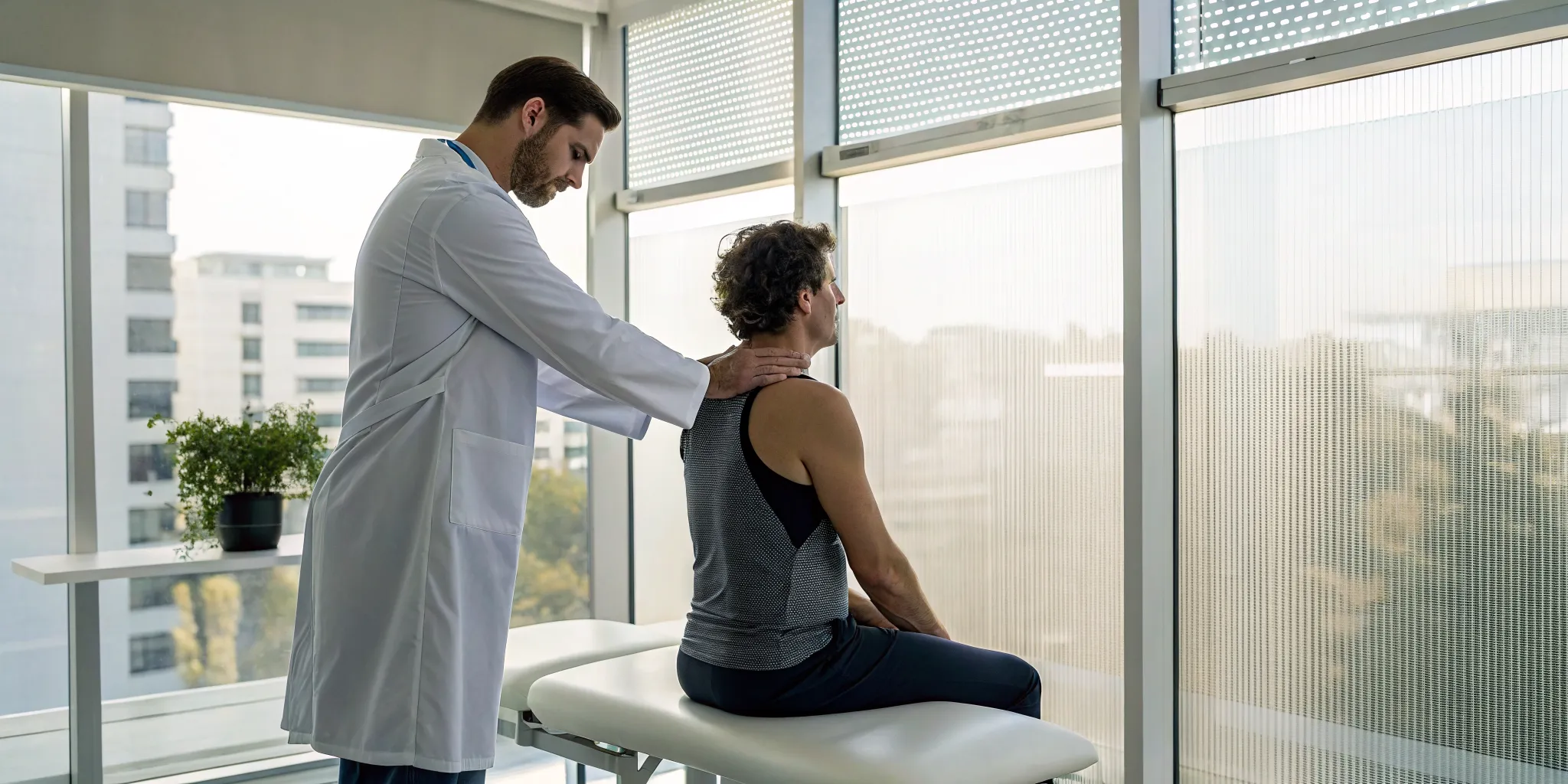
Sometimes, knee pain isn't just about the knee. Your body works as a connected system, and a misalignment in your spine or pelvis can throw off your entire kinetic chain, leading to issues in your hips, knees, and ankles. At Lazar Spinal Care, we look at the bigger picture. Our NeuroBioStructural Analysis helps us identify the root cause of your body’s imbalances. By gently correcting the alignment of your upper cervical spine, we can restore proper communication between your brain and body, which can improve your posture and gait. Addressing these foundational issues can relieve undue stress on your knees and is a key part of preventing future sports injuries.
Our approach begins at the top of your spine, in the upper cervical area where your head and neck meet. This region acts as the control center for your body's entire alignment. Even a slight shift here can set off a chain reaction, causing your shoulders and hips to become unbalanced and putting unnecessary strain on your knees. To address this, we use a gentle and precise technique called Quantum Spinal Mechanics (QSM3) to correct the foundational imbalance without any twisting or popping. This method focuses on restoring your body’s natural, upright posture, which allows the rest of your structure to realign. By fixing the problem at its source, we can help take the pressure off your knees for lasting relief.
Physical therapy is one of the most effective ways to treat runner’s knee for good. It’s not just about getting massages or doing a few stretches; it’s an active process that empowers you to rebuild strength, improve flexibility, and correct the movement patterns that caused the pain in the first place. A great physical therapist acts as your personal guide, creating a roadmap to get you back to running safely and with confidence.
Think of it as a partnership. Your therapist provides the expertise and the plan, but your commitment to the process is what truly drives results. By working together, you can address the root cause of your knee pain, not just the symptoms. This approach is crucial for long-term healing and preventing the frustrating cycle of re-injury. When combined with other treatments like chiropractic care for sports injuries, physical therapy helps ensure your entire body is aligned and functioning as a unit.
Finding the right physical therapist is the first and most important step. You want someone who not only understands the mechanics of the knee but also gets the mindset of a runner. Look for a professional with experience in treating sports-related injuries. During your first visit, they should perform a thorough evaluation, listen to your goals, and explain their treatment approach clearly. A good therapist will make you feel like a partner in your own recovery. They can help you understand how targeted exercises will strengthen the muscles around your knee, improve flexibility, and correct any issues with your running form.
Your recovery doesn't stop when you leave the clinic. A crucial part of physical therapy is the home exercise program your therapist designs for you. This is your daily homework, and consistency is everything. These exercises are meant to reinforce the work you do in your sessions and continue building strength and mobility between visits. It might feel tedious at times, but sticking to your program is non-negotiable if you want to see real, lasting improvement. Most cases of runner’s knee get better with simple, consistent changes at home, and your exercise plan is the foundation of that progress.
Runner’s knee often stems from muscle imbalances, especially weakness in the hips and glutes. When these larger muscles aren't doing their job, your knee takes on extra stress. A physical therapist will give you specific exercises to strengthen the key muscles that support your knee joint, including your quadriceps, hamstrings, and, most importantly, your glutes. A well-rounded strengthening routine helps your knee track correctly and absorb impact more efficiently when you run. This targeted approach ensures you’re building a strong, stable foundation to support your activity and prevent future pain.
Sometimes, the way you run is the root of the problem. A physical therapist can perform a gait analysis to watch you run and identify any mechanical flaws that might be contributing to your knee pain. They can spot subtle issues like overpronation, weak hip stabilization, or a slow cadence. Based on their findings, they’ll provide specific drills and cues to help you run more efficiently and with less impact on your knees. Correcting your running form is a powerful tool for not only recovering from your current injury but also for preventing future ones from sidelining you again.
Recovering from runner's knee is more of a marathon than a sprint. It requires patience, consistency, and a good understanding of your body's signals. The good news is that most cases get better with simple, non-surgical care. Knowing what to expect can help you stay motivated and on track as you heal. Your recovery journey is unique, but there are common milestones and factors that everyone should keep in mind. It’s not just about resting your knee; it’s about understanding why the injury happened and taking steps to build a stronger, more resilient body to prevent it from coming back.
This process involves more than just physical exercises. It’s also a mental game. Staying positive when you’re sidelined from an activity you love can be tough, but managing the emotional side of recovery is just as important as the physical work. We’ll walk through what a realistic timeline looks like, what factors can influence your healing speed, and how to handle the inevitable frustrations along the way. We'll also cover the most critical part: how to safely and gradually return to running without causing a setback. Think of this as your roadmap to recovery, designed to guide you from the initial diagnosis back to the activities you enjoy, pain-free.
One of the first questions people ask is, "How long will this take?" The honest answer is: it depends. There's no magic number, as recovery varies based on how severe your condition is and how consistently you follow your treatment plan. Most cases of runner's knee can be treated without surgery, often with dedicated rest and targeted exercises. For a mild strain, you might feel better in a few weeks. For a more persistent issue, it could take a few months. The key is to listen to your body and avoid pushing through the pain, which only leads to setbacks. Focus on steady progress, not the calendar.
The long-term outlook for runner's knee is overwhelmingly positive, especially when you shift your focus from just managing pain to fixing the underlying cause. This isn't an injury that has to sideline you forever. Most cases respond incredibly well to conservative treatments like physical therapy and targeted strengthening exercises. The goal isn't just to feel better for a few weeks, but to build a stronger, more resilient body that can handle the demands of your active life. It’s about understanding *why* the injury happened in the first place—whether it's weak hips, poor form, or a subtle misalignment—and addressing that root issue. This proactive approach is the key to preventing future flare-ups and is a core part of how we help people with sports injuries achieve lasting relief.
Several factors influence how quickly you heal. Your body mechanics, muscle strength, and even your overall health play a role. For instance, weak hips or glutes can put extra stress on your knees, slowing down recovery. Your age, activity level, and how quickly you sought treatment also matter. The goal is to create an environment where your body can heal effectively. This means addressing any underlying imbalances that contributed to the injury in the first place. By focusing on things like proper form and balanced muscle strength, you can support your body's natural healing process and reduce the risk of future sports injuries.
Being sidelined by an injury can be incredibly frustrating, especially when you're eager to get back to your routine. It's completely normal to feel anxious or discouraged when you can't be as active as you'd like. Acknowledging these feelings is an important part of the recovery process. Instead of dwelling on what you can't do, try to focus on what you can. Celebrate small wins, like a pain-free walk or mastering a new strengthening exercise. This is a great time to explore low-impact activities you enjoy, like swimming or cycling. Staying positive and patient will not only support your mental well-being but also contribute to a smoother physical recovery.
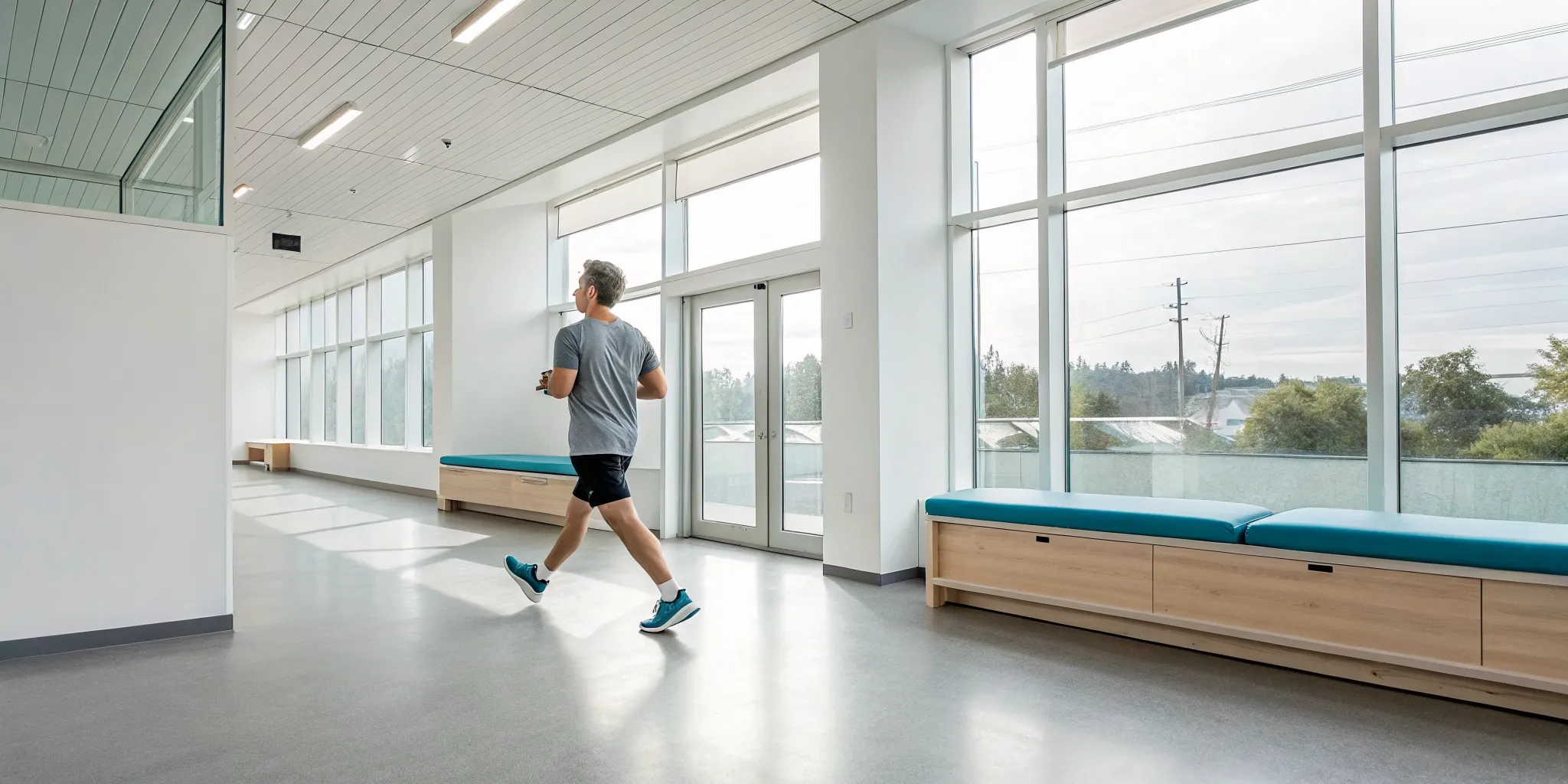
When your knee starts feeling better, it’s tempting to jump right back into your old running schedule. This is one of the biggest mistakes you can make. A gradual return is essential to prevent re-injury. Start with a walk-run program, slowly increasing the running intervals as your knee tolerates it. A physical therapist or chiropractor can help you create a structured plan tailored to your needs. This plan should include continued strengthening exercises to support your knee joint. By reintroducing activity slowly and methodically, you give your muscles and connective tissues time to adapt, building a stronger, more resilient foundation for your return to running.
So, how do you know when it’s truly safe to start running again? It’s about more than just the absence of pain while you’re resting. Before you even think about hitting the pavement, you should be able to check off a few key boxes. First, you need to be completely pain-free during your daily activities, including walking, climbing stairs, and squatting. You should also have a full, pain-free range of motion in your knee, meaning you can bend and straighten it completely without discomfort. Finally, you should have regained good strength in your quadriceps and hips, which you can test with single-leg squats or bridges. Meeting these criteria shows that your body has not only healed but is also strong enough to handle the impact of running, which is crucial for preventing future sports injuries.
While home care can be effective for mild cases of runner's knee, it’s important to know when to call in an expert. Pushing through pain can often make a minor issue much worse. Listening to your body and seeking professional guidance at the right time is key to a swift and complete recovery, helping you get back to the activities you love without risking further injury. A specialist can provide a clear diagnosis and a treatment plan tailored specifically to you.
Figuring out if you have runner's knee usually starts with a simple conversation and a hands-on physical exam. A professional will ask about your symptoms, your activity level, and your health history to get a full picture of what’s going on. They’ll then carefully examine your knee, checking for tenderness and assessing how it moves when you walk, squat, or bend it. This physical assessment is often enough to make a clear diagnosis. While you might think an X-ray or MRI is the next step, these imaging tests are typically used to rule out other potential issues, like arthritis or cartilage damage, rather than to confirm runner's knee itself. The focus is on understanding your body's unique mechanics to pinpoint the real source of the pain.
It’s tempting to ignore that nagging knee pain and hope it goes away on its own. But some symptoms are clear signals that you need professional help. If your pain is severe, gets worse with activity, or is accompanied by significant swelling or a popping sound, it’s time to make an appointment. You should also seek care if you can't put weight on your leg or if the knee feels unstable, like it might give out. Self-diagnosing is risky because what feels like runner’s knee could be a more serious issue, like a torn ligament. A proper diagnosis is the first step toward treating sports injuries correctly and safely.
Waiting to see if the pain resolves can turn a simple problem into a chronic one. Addressing runner’s knee early often means a quicker and easier recovery. Most cases don't require surgery and can be managed with conservative treatments when caught in time. Getting a professional assessment helps identify the root cause of your pain, whether it’s muscle imbalance, poor running form, or a structural issue. At Lazar Spinal Care, we focus on finding that underlying cause so we can fix the problem, not just mask the symptoms. Our New Patients process is designed to get to the bottom of your health challenges and see if we can help.
Seeing a professional isn't just about healing your current injury; it's an investment in your long-term health. Once you have an accurate diagnosis, a specialist can create a plan to prevent the problem from coming back. This often involves targeted exercises to strengthen the muscles that support your knee, like your quadriceps and glutes. It might also include guidance on correcting your running form or addressing spinal misalignments that affect your entire body’s mechanics. By working with a professional, you can learn more about how your body moves and build the strength and stability needed to stay active and pain-free. Understanding Our Techniques can show you how we approach whole-body wellness.
The ground beneath your feet has a significant effect on your joints, and when it comes to runner's knee, this is a factor you can't afford to ignore. Running on hard, unforgiving surfaces like concrete or asphalt sends a jolt of impact up your legs with every single step, which can constantly irritate the kneecap and slow down your healing process. When you're ready to ease back into running, making a simple switch can be a game-changer. Try to find softer surfaces like a grassy park, a dirt trail, or a rubberized track. These options absorb more of the impact, giving your knees a much-needed break. This small adjustment reduces the repetitive stress on your knee joint, a key factor in many sports injuries, and works hand-in-hand with wearing proper shoes and strengthening your supporting muscles to create a comprehensive prevention strategy.
How can I tell if my knee pain is runner's knee or just normal soreness? Normal muscle soreness after a run usually feels like a general fatigue or ache in your muscles, like your quads or hamstrings, and it typically fades within a day or two. Runner’s knee, on the other hand, is a more distinct, dull pain located specifically around or behind your kneecap. It often gets worse during activities like running, using stairs, or squatting, and it can even flare up after sitting with your knees bent for a long time.
Will runner's knee go away if I just take a break from running? Rest is a great first step for calming down the initial pain and inflammation, but it usually isn't a permanent fix. Runner’s knee is often caused by an underlying issue, such as muscle imbalances, poor running form, or a structural misalignment. If you only rest without addressing that root cause, the pain is very likely to return as soon as you start running again. True recovery involves correcting the problem that caused the pain in the first place.
My pain is in my knee, so how can chiropractic care help? Your body functions as a single, connected system. A problem in one area can easily create stress in another. A misalignment in your spine or pelvis can alter your posture and the way you walk or run, which in turn places uneven force on your hips and knees. By addressing the body's core alignment, we can help correct these mechanical issues, relieving the unnecessary strain on your knee joint and supporting a more lasting recovery.
Do I have to stop exercising completely while I recover? Absolutely not. While you do need to take a break from high-impact activities like running, staying active is actually beneficial for your recovery. Low-impact cross-training, such as swimming, cycling, or using an elliptical, is a fantastic way to maintain your cardiovascular fitness and encourage blood flow to the injured area without pounding on your knee joint. It’s a smart way to keep moving while giving your knee the break it needs to heal.
What's the most important thing I can do to prevent this from happening again? The best prevention strategy is a combination of strengthening and awareness. Consistently performing exercises to strengthen your hips and glutes is crucial, as these muscles provide the main support for your knees. Beyond that, pay attention to your running form and make sure you are wearing supportive shoes that aren't worn out. A proactive approach that includes building a strong foundation and being mindful of your body's mechanics is your best defense against future knee pain.