.png?width=150&height=60&name=2026%20LSC%20Logo%20(2).png)

Back Pain
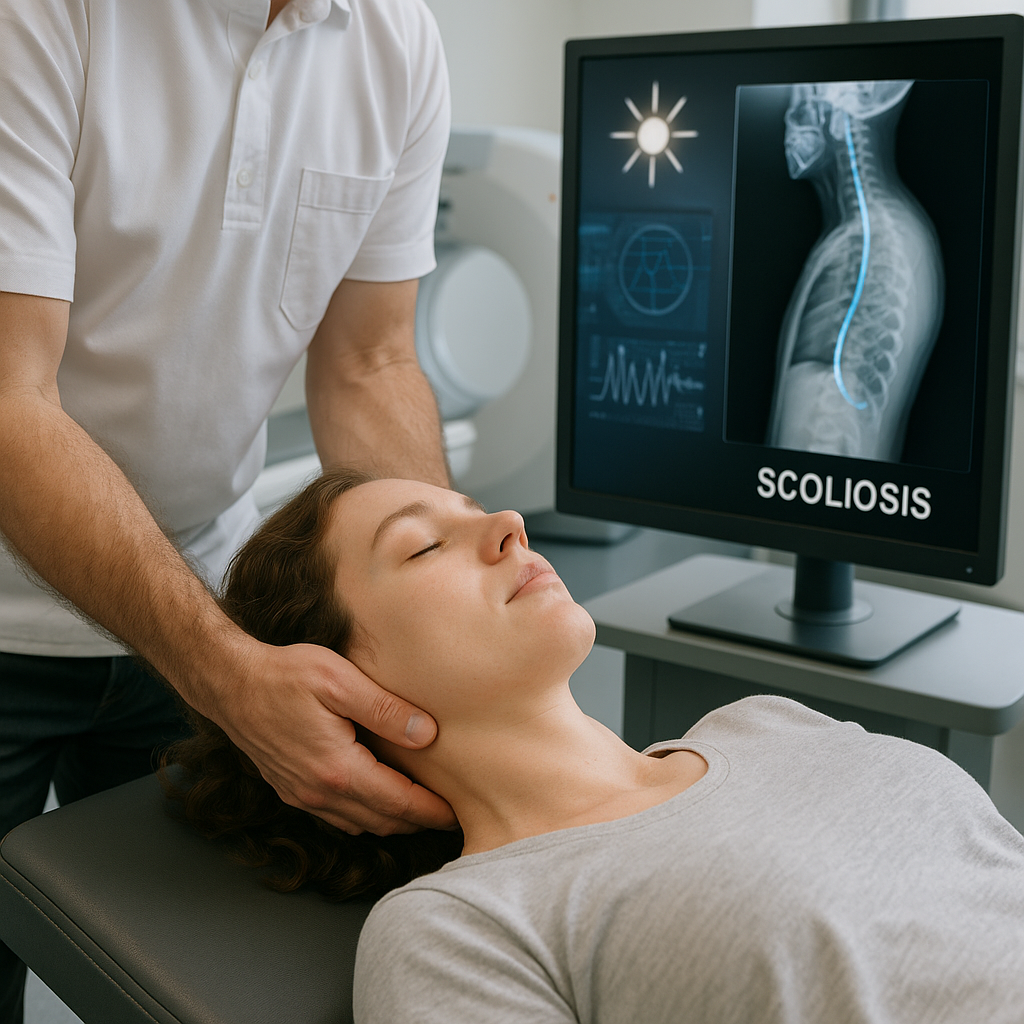

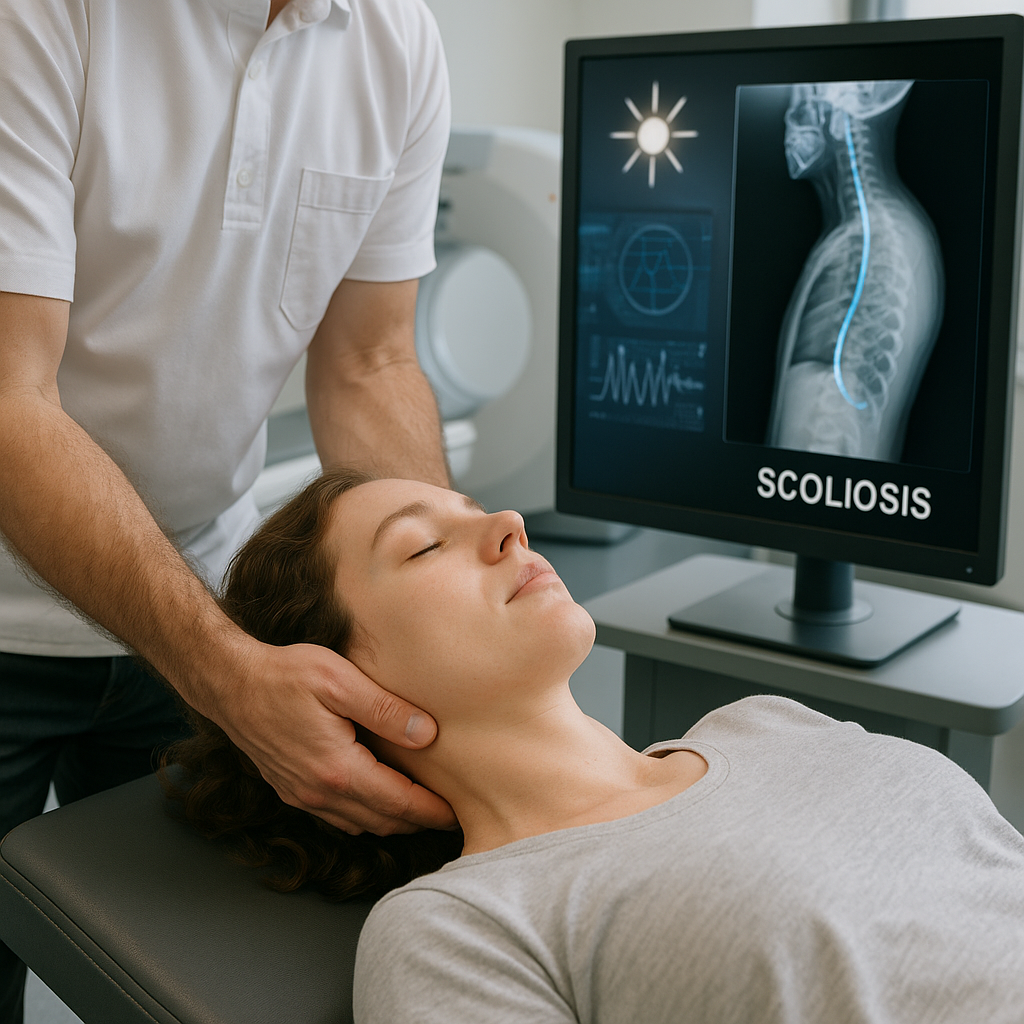
Living with scoliosis can feel like you have two choices: constant discomfort or invasive surgery. But what if there was another way? What if you could address the underlying structural imbalance causing the curve, instead of just managing the symptoms? The QSM3 Lazar Method is a gentle, precise approach that does exactly that. By correcting the primary misalignment in the body, it allows your entire structure to unwind and realign naturally. This isn't about forcing the spine straight—it's about empowering your body to find its own balance and dramatically reduce scoliosis curves. Learn more about the QSM3 approach.
For decades, traditional scoliosis treatments have relied on external force: rigid bracing, invasive surgeries like Harrington rods, and symptom management. While these methods attempt to straighten the spine, they often overlook the underlying causes. The body’s natural wisdom is frequently ignored, leading to discomfort and frustration for patients—especially those with functional or pathological scoliosis, which is more about injury and compensation than bone structure.
Many patients, particularly teenagers and young adults, find bracing painful and emotionally distressing. Surgical interventions, while sometimes necessary for structural deformities like hemivertebrae, do not address the root of most scoliosis cases. Instead, they attempt to 'force' a straight spine, often increasing pain and failing to resolve the compensation patterns that created the curve in the first place. It’s time to rethink how we approach scoliosis care—by targeting the cause, not just the symptom.
Instead of forcing the spine into a specific position, what if we could encourage the body to release its tension and find its own natural balance? This is the core idea behind Quantum Spinal Mechanics (QSM3). It’s a gentle, precise, and holistic approach that examines the entire body to understand why the spine has shifted out of alignment. By addressing the root cause of the imbalance—which is often found in the upper cervical spine—we can help the body unwind its compensation patterns and correct itself from the inside out. This innovative method moves beyond simply looking at the curve of the spine and instead focuses on restoring the body's overall structural integrity and neurological function, paving the way for lasting relief and wellness.
A foundational concept in QSM3 is viewing the body through a "tensegrity model." This might sound technical, but the idea is quite intuitive: your body isn't just a stack of bones held up by gravity. Instead, it's a dynamic and flexible network of bones, muscles, and connective tissues held together by balanced tension. Think of a suspension bridge—its incredible strength comes from the interplay of tension in its cables, not just the rigid towers. Your body works in a similar way, allowing you to be both stable and mobile. When one part of this interconnected network is thrown off balance, it creates a ripple effect, causing compensation patterns throughout your entire structure that can lead to conditions like scoliosis.
The "cables" in your body's tensegrity system are largely made of fascia, a continuous web of connective tissue that surrounds every muscle, bone, nerve, and organ. When your body is properly aligned, this fascial network is relaxed and balanced, allowing for fluid movement. However, a misalignment, especially at the top of the neck, can cause this network to tighten, pull, and twist, distorting your posture from head to toe. As QSM3 principles highlight, when your posture is compromised, it can drain your energy and place your nervous system under constant stress. This sustained tension doesn't just cause aches and pains; it can contribute to a wide range of long-term health problems by disrupting your body's ability to function optimally.
Because everything in your body is connected, a small shift in one area can have significant consequences elsewhere. When a bone in your upper neck is misaligned, it can put direct pressure on your brainstem, the critical communication hub between your brain and the rest of your body. This interference can disrupt vital nerve signals, leading to a host of seemingly unrelated health problems. You might experience chronic migraines, vertigo, neck pain, or even digestive issues. In an effort to adapt to this foundational imbalance, your body will twist and shift, which can manifest visually as an S-curve in your spine, uneven shoulders, or a tilted pelvis as it struggles to keep your head level.
Upper cervical chiropractic care zeroes in on the most critical and delicate area of your spine: the top two vertebrae, known as C1 (the atlas) and C2 (the axis). These bones are unique; they protect the brainstem and are responsible for most of your head's range of motion. Unlike the rest of the vertebrae, they lack interlocking joints, which makes them more susceptible to misalignment from injuries like car accidents, sports impacts, or even birth trauma. At Lazar Spinal Care, we use precise and gentle techniques to correct these specific misalignments, known as subluxations, without any of the popping, twisting, or cracking commonly associated with chiropractic adjustments.
The atlas and axis are so important because of their direct relationship with the brainstem, which controls nearly all of your body's vital functions—from breathing and heart rate to sleep cycles and postural control. A misalignment here can compress or irritate this crucial neurological structure, disrupting the flow of information between your brain and body. By delivering a gentle and precise adjustment to these top two vertebrae, upper cervical care helps restore proper communication within your central nervous system. This allows your body’s innate healing intelligence to take over, unwind compensatory patterns, and often leads to significant improvements in a wide variety of health conditions, far beyond just back pain.
QSM3 (Quantum Spinal Mechanics³) and The Lazar Method represent the next generation of upper cervical chiropractic care. Unlike traditional approaches, these methods gently decompress the spine from the top—rebalancing the head and neck relationship to the rest of the body. This is essential for addressing functional and pathological scoliosis, which frequently stems from injury-compensation reactions rather than primary bone malformations.
By restoring the natural alignment and balance of the head over the spine, QSM3 and The Lazar Method help the body release tension, decompress the vertebrae, and allow curves to resolve themselves. Instead of fighting the body’s compensation, these approaches honor it, working with the body’s innate healing ability. The result? Dramatic reductions in scoliosis curves—by as much as 46 degrees in some cases—without force, pain, or invasive procedures.
If your only experience with chiropractic care involves forceful twisting, popping, or cracking, you might be surprised to learn about gentle, precise alternatives. Not all chiropractic techniques are the same. The QSM3 method stands apart by focusing on the entire body's alignment and posture, starting with the critical relationship between your head and neck. Instead of just addressing a symptom in one area, this approach analyzes how your body is compensating as a whole. This comprehensive view allows for corrections that are not only gentle but also create lasting stability throughout your entire structure, helping your body heal itself from the inside out.
This method is a significant evolution in chiropractic science, moving beyond temporary adjustments to foster long-term wellness. At Lazar Spinal Care, we utilize our techniques to understand your body's unique mechanics and release built-up tension without any forceful manipulation. By decompressing the spine from the top down, we can restore balance and allow your nervous system to function without interference. This process helps unwind the patterns of stress and compensation that lead to chronic pain and dysfunction, offering a path to genuine, sustainable health that you can feel throughout your daily life.
The QSM3 technique is an advanced evolution of other upper cervical methods, including the well-respected NUCCA approach. While NUCCA focuses on correcting the alignment of the atlas (C1) vertebra to restore communication between the brain and body, QSM3 takes this principle a step further. It builds upon that foundation by analyzing and correcting the body’s entire postural system. This means we don't just look at your neck; we assess how a misalignment at the top of your spine is causing compensation patterns, fascial tension, and imbalances all the way down to your feet. It’s a truly holistic approach to spinal health.
By incorporating this full-body perspective, the QSM3 method aims to release the tension that pulls your body out of alignment. The goal is to restore your body to a state of balance and stability without strain. This comprehensive correction helps the body unwind and decompress naturally, leading to more profound and longer-lasting results. It addresses the root cause of the problem—the body-wide compensation—rather than just the initial misalignment, making it a powerful tool for resolving chronic health issues.
When we talk about a "gentle" adjustment, we mean it. The QSM3 method is incredibly precise and does not involve any of the twisting, popping, or cracking that many people associate with chiropractic care. The correction is calculated and specific to your body's needs, delivered with a light touch that most patients barely feel. The goal is to gently guide your body back into its proper alignment, allowing the muscles and ligaments to release tension naturally. This approach is both comfortable and highly effective, making it suitable for everyone from infants to seniors.
Because the adjustments are so gentle, they are designed to be relaxing and cause less soreness afterward compared to traditional methods. Patients often find lasting relief from a wide range of issues, including chronic headaches, migraines, neck pain, and nerve pain like sciatica. The focus is on restoring the body's optimal function so it can heal and maintain its own alignment over time. This process respects the body's innate intelligence, working with it rather than against it to achieve true and lasting wellness.
While QSM3 is a unique and comprehensive system, it's part of a broader category of gentle chiropractic techniques. Methods like NUCCA, Orthospinology, and others also prioritize precision and avoid forceful manipulations. What these approaches have in common is a deep respect for the delicate nature of the upper cervical spine and its connection to the central nervous system. They all recognize that a light, specific correction can create significant positive changes throughout the body without causing stress or trauma to the patient. This makes chiropractic care accessible and comfortable for people who may be hesitant about traditional adjustments.
Because the upper cervical spine—the area where your head meets your neck—protects the brainstem, its alignment is crucial for your overall health. The brainstem acts as a control center, regulating nearly all of your body's vital functions, from breathing and heart rate to sleep and posture. When the top vertebrae (the atlas and axis) are misaligned, they can put pressure on this critical area, interfering with the communication between your brain and the rest of your body. This interference can lead to a surprisingly wide range of health problems that may seem unrelated to your neck.
Correcting this misalignment can restore proper nerve function, allowing your body to heal and regulate itself as it was designed to. This is why upper cervical care is known to help with so much more than just back and neck pain. By addressing the root cause of the nerve interference, we often see improvements in conditions like chronic headaches, digestive issues, and even autoimmune responses. At Lazar Spinal Care, we focus on identifying and correcting this primary issue, which is why we can help with so many different conditions and empower your body to function at its best.
While upper cervical care is incredibly effective for back pain and scoliosis, its benefits extend much further. Think of the nervous system as your body's internal communication highway. A misalignment at the top of the spine creates a major roadblock, disrupting signals traveling to and from the brain. This disruption can manifest as a variety of chronic health issues. Many of our patients come to us after years of searching for answers, and they are often amazed to learn that their persistent migraines, vertigo, or fibromyalgia could be linked to a subtle imbalance in their neck.
By restoring proper alignment, we remove that roadblock and allow the body's communication system to function freely. This simple but powerful change can lead to significant relief from a host of conditions. The goal of upper cervical care isn't just to chase symptoms; it's to restore the body's innate ability to heal and regulate itself. When the nervous system is clear and balanced, the entire body benefits, leading to improved health and vitality in ways you might not have expected.
If you suffer from chronic headaches or migraines, you know how debilitating they can be. Often, the underlying cause is related to a misalignment in the upper neck. When the top vertebrae are out of position, they can restrict blood flow to the brain and irritate the sensitive nerves at the base of the skull. This constant irritation and pressure can trigger tension headaches, cluster headaches, and severe migraines. A precise upper cervical correction can gently restore proper alignment, taking pressure off those nerves and blood vessels and providing lasting relief without medication.
Your sense of balance is managed by complex signals that travel between your inner ear, eyes, and brainstem. A misalignment of the atlas (C1) vertebra can distort these signals, leading to feelings of dizziness, vertigo, or general unsteadiness. It’s like your body's internal GPS is getting faulty information. By correcting the position of the atlas, upper cervical care helps restore clear communication between your brain and your body's balance centers. This allows your brain to accurately perceive your body's position, often resolving vertigo and improving stability.
Fibromyalgia and chronic fatigue are often linked to a hypersensitive, overstimulated nervous system. An upper cervical misalignment can put the body in a constant state of "fight or flight," draining its resources and leading to widespread pain, exhaustion, and brain fog. By removing the interference at the brainstem, a gentle upper cervical adjustment helps calm the nervous system. This can shift your body out of that stressed state, allowing it to rest, repair, and recover, which may lead to a significant reduction in fibromyalgia symptoms and an increase in energy levels.
The body works as a single, connected unit. A misalignment at the top of the spine forces the rest of the body to compensate. For example, when your head is tilted, your jaw may shift to adapt, leading to TMJ pain and clicking. Similarly, your shoulders and hips will become unlevel to keep your eyes even with the horizon. This imbalance in the pelvis can irritate the sciatic nerve, causing pain that radiates down your leg. By correcting the primary misalignment in the neck, these downstream compensations can resolve naturally.
While many people seek upper cervical care for a specific problem, they often discover benefits they never anticipated. When your nervous system is functioning without interference, your entire body works better. Patients frequently report improvements in their sleep quality, digestion, immune function, and mental clarity. They feel more resilient to stress and have more energy to enjoy their lives. This is because upper cervical care isn't just about fixing a problem; it's about optimizing your body's ability to maintain its own health and heal from within.
True wellness is about more than just the absence of pain. It's about having a body that is strong, balanced, and adaptable. By ensuring the critical connection between your brain and body is clear, you are investing in your long-term health. This proactive approach helps your body function at its peak, preventing future problems and enhancing your overall quality of life. It’s a foundational element of health that supports everything else you do to stay well.
It's common to hear people dismiss their chronic aches and pains as just a normal part of getting older. But in many cases, these issues aren't due to "old age" but rather to old injuries that never fully healed. A car accident from twenty years ago, a fall as a child, or even poor posture from years at a desk can create misalignments that the body has been compensating for ever since. Over time, this chronic stress and imbalance lead to degeneration, stiffness, and pain.
The good news is that it's often possible to address these underlying issues, no matter how long they've been there. Upper cervical care focuses on correcting these foundational misalignments, allowing the body to finally heal from old traumas. Many of our senior patients are amazed to find relief from problems they thought they had to live with forever. It’s never too late to restore your body's alignment and improve your quality of life.
True healing starts with understanding. At Lazar Spinal Care, every scoliosis program begins with a comprehensive assessment using advanced, objective diagnostics: Posture IQ™ 3D analysis, digital motion X-rays, INsight NeuroSpinal Function Index, and more. This data-driven approach pinpoints the exact cause of each patient’s scoliosis—whether it’s structural, functional, or a combination.
With this insight, care plans are personalized for each individual. The Lazar Method combines elite QSM3 upper cervical corrections with data-driven therapies, leading to rapid and measurable improvements. By focusing on rebalancing the head over the spine and releasing compensatory tension, we give the body the tools it needs to correct the underlying dysfunction, rather than simply masking symptoms.
If you've been hesitant to try chiropractic care because you're worried about forceful adjustments, you're not alone. The idea of twisting, popping, or cracking can be intimidating, especially when you're already in pain. Gentle chiropractic offers a different path—one that works with your body, not against it. This approach is built on precision and a deep understanding of the body's mechanics, making it a safe and effective option for a wide range of people. Whether you're seeking care for a newborn, navigating the changes of pregnancy, or looking for relief in your senior years, a gentle method prioritizes your comfort and well-being above all else.
The QSM3 method is particularly beneficial for individuals with chronic conditions who haven't found relief with other treatments. If you suffer from migraines, fibromyalgia, vertigo, or persistent neck and back pain, this gentle approach can make a significant difference. It's also an excellent choice for anyone sensitive to traditional adjustments, including children and pregnant women. Because it is so precise, Quantum Spinal Mechanics (QSM3) is considered one of the world's most advanced chiropractic specialties. Our team at Lazar Spinal Care is among a small number of doctors globally trained to perform these sophisticated, whole-body corrections, offering a unique solution for complex health challenges.
When people hear "chiropractic," they often picture aggressive spinal manipulation, but the QSM3 method is the complete opposite. There is no popping, cracking, or twisting involved. Upper cervical adjustments are widely considered safe and carry very few risks. The most common side effect is minor muscle soreness, similar to what you might feel after starting a new exercise. During your visit, you can expect a calm and relaxing experience. We use objective measurements and precise, light-touch corrections to restore your body's balance, ensuring your comfort and safety are the top priorities. You can learn more about what to expect on your first visit on our website.
A common misconception is that a gentle adjustment must be less effective than a forceful one, but the opposite is often true. Gentle, precise corrections that address the root cause of the problem often lead to more stable, lasting results. By focusing on the critical alignment of the head and neck, the QSM3 method allows your entire spine to decompress and realign naturally. Your body can hold this balanced position for longer, meaning you may need fewer appointments to achieve and maintain wellness. Patients often report not only relief from their primary complaint but also an overall improvement in their health and vitality.
The results speak for themselves. Patients from around the world have traveled to Lazar Spinal Care seeking relief from scoliosis that other systems could not deliver. Many have seen their spinal curves reduced by more than 30—and sometimes up to 46—degrees, all through gentle, non-invasive care.
One powerful example is a 16-year-old girl who arrived in severe pain, desperate to escape the agony of her Harrington rods. While the rods remained in place, the QSM3 and Lazar Method care rebalanced her head and neck alignment, decompressing her spine and reducing her curve by over 30 degrees. The rods were no longer battling the body’s compensation—because that compensation had been resolved at its source. Before and after images from the Upper Cervical Subluxation textbook illustrate these dramatic transformations, reinforcing the power of this approach.
These stories aren’t outliers—they’re the new standard for what’s possible when we address the root cause of scoliosis, rather than just its symptoms.
QSM3 and The Lazar Method are changing lives by empowering patients to take control of their scoliosis journey—often without the need for invasive surgery or chronic pain medications. By decompressing the spine from above and restoring true balance, we enable the body to heal the way it was designed to.
Our commitment at Lazar Spinal Care is to provide hope, healing, and proven results for families seeking alternatives to bracing and surgery. As the evidence grows, so does our belief that non-invasive, personalized care represents the future of scoliosis treatment—and a path toward lifelong wellness, vitality, and freedom.
How is the QSM3 method different from the chiropractic adjustments I'm used to? Think of it as a top-down, whole-body approach rather than chasing individual symptoms. Many chiropractic techniques focus on adjusting the specific area where you feel pain. QSM3 is different because we analyze your entire posture to find the primary misalignment, which is almost always at the very top of your neck. By making a precise correction there, we allow your entire body to unwind and rebalance itself from the head down, creating more stable and lasting results.
What does a "gentle" adjustment actually feel like? It’s a common question, especially if you’re used to more forceful adjustments. A QSM3 correction is incredibly light and specific. There is absolutely no popping, twisting, or cracking involved. Most patients feel a very light, sustained touch behind the ear as the correction is made. The goal is to use precision, not force, to gently guide your body back into its proper alignment, making the experience comfortable and relaxing.
Can this treatment really help with scoliosis if my curve is severe? Yes, it absolutely can. We've seen patients with significant curves experience dramatic reductions. The QSM3 method works by addressing the underlying reason the body is twisting into a curve in the first place, which is often a compensation for an imbalance in the upper neck. By correcting that primary issue, we release the tension that's pulling the spine out of alignment, allowing the body to straighten itself naturally, regardless of the severity of the curve.
Why does this method focus so much on the neck if my problem is in my back? Your head is heavy, weighing about 10 to 12 pounds, and your spine’s primary job is to keep it balanced over your body. When the top bone in your neck shifts out of place, your entire body has to twist and contort to keep your head level. This compensation is what often creates the S-curve of scoliosis and lower back pain. By correcting the problem at its source in the neck, we allow the rest of your spine to resolve its compensations and return to a more natural, balanced position.
How many visits will I need to see a change? Because the QSM3 method focuses on correcting the root cause of the problem, the goal is to create lasting stability, not to have you come in for endless adjustments. While every person's healing journey is unique, the precision of the correction means your body can hold its alignment for longer periods. After an initial corrective phase, visits typically become much less frequent as your body learns to maintain its new, balanced posture on its own.